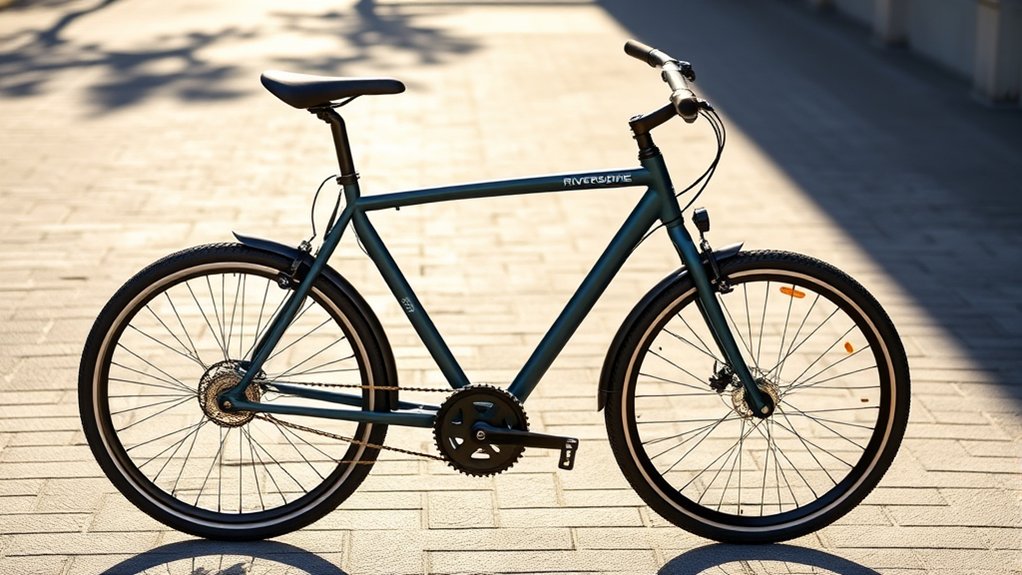
How Much Does Riverside 700 Hybrid Bike 700c Weigh: 10 Key Facts
Many people struggle with finding a bike that’s easy to handle and comfortable for daily rides. If you’re tired of bikes that feel heavy or bulky, you’re not alone. The Riverside 700 Hybrid Bike 700c might just be what you’re looking for.
The Riverside 700 Hybrid Bike 700c weighs about 28 pounds, making it a versatile choice for everyday commuting and casual rides. Its lightweight aluminum frame helps you handle the bike easily, whether you’re climbing hills or carrying it upstairs.
Components like gears and tires also influence the weight, boosting performance without adding bulk.
If you’re curious about how its weight impacts your riding style or want tips for choosing the right bike, keep going to explore more.
Key Takeaways
- The Riverside 700 Hybrid Bike 700c weighs approximately 28 pounds.
- Its lightweight aluminum frame makes it easier to maneuver and handle.
- Keep in mind, the weight can vary slightly depending on the specific model and any accessories you add.
- This bike’s weight is ideal for riding long distances or tackling hilly terrain efficiently.
- It strikes a good balance between durability and manageability, making it perfect for commuters.
How Much Does the Riverside 700 Hybrid Bike 700c Weigh?
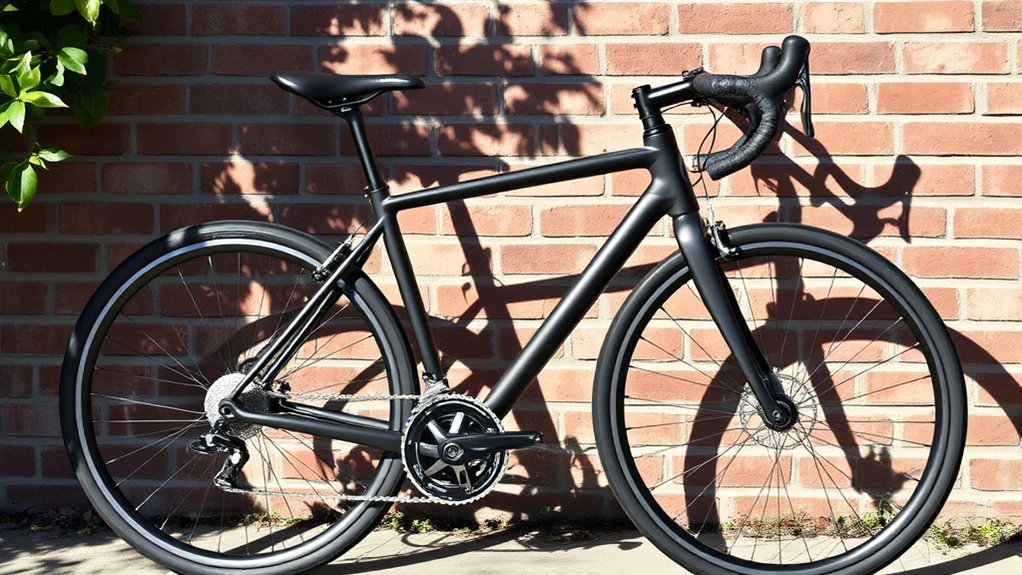
Ever wondered how much the Riverside 700 Hybrid Bike 700c actually weighs? It usually weighs around 30 to 35 pounds, depending on the specific model and parts.
Its lightweight yet sturdy aluminum frame helps keep the weight down, making it easier to handle and maneuver. The bike is built for versatile riding, balancing durability with portability.
The weight also depends on features like the type of gears, tires, and accessories installed. If you plan to carry it upstairs or transport it in a vehicle often, knowing this weight can help you decide if it’s manageable for you.
Why Bike Weight Matters for Commuters and Cyclists
Your bike’s weight directly impacts how fast you can go and how easily you can accelerate.
Lighter bikes make handling smoother, especially on hills or crowded streets.
Knowing this can help you pick a bike that fits your commuting needs and riding style.
Impact on Speed
Regarding speed, bike weight plays an essential role, especially for commuters and cyclists aiming for efficiency. A lighter bike requires less effort to accelerate and maintain speed, making your ride smoother and more responsive.
Heavier bikes demand more energy, which can slow you down over long distances or challenging terrains. If you’re riding uphill or against the wind, a lighter bike can give you a noticeable advantage, helping you conserve energy and arrive faster.
For daily commuting, saving seconds with a lighter bike can add up, especially during frequent rides. While other factors like aerodynamics matter too, reducing weight directly improves your overall speed.
This makes your cycling experience more efficient and less tiring.
Ease of Handling
A bike’s weight really affects how easy it is to steer and control, especially in city settings. Lighter bikes are more responsive, so making quick turns and weaving through traffic feels smoother.
When you’re navigating crowded streets or stopping often, a manageable weight helps you stay balanced without extra effort. Heavier bikes can feel sluggish and need more strength to handle, especially at low speeds or when lifting onto racks.
For commuters, a lighter bike means less fatigue over longer rides, so you arrive feeling fresh. Cyclists also enjoy better agility and confidence, especially on tight corners or uneven surfaces.
What Makes Up the Riverside 700’s Weight?
The weight of the Riverside 700 Hybrid Bike mainly comes from its frame, components, and accessories. The material of the frame, whether aluminum or steel, has a big impact on the overall weight.
Heavier parts like the drivetrain, brakes, and wheels also add to the bike’s total mass. The size and quality of the tires matter too.
Accessories like racks, lights, and fenders can make the bike heavier as well. Each part’s design and manufacturing quality influence how much weight it adds, balancing durability and performance.
All these elements together shape the bike’s total weight, affecting how it handles and how easy it is to ride. Understanding these components helps you see how the bike will perform and if it fits your riding needs.
How Do Bike Materials Affect Weight and Performance?
Different materials used in bike frames greatly influence both weight and performance. Aluminum frames are lightweight and stiff, making them great for quick rides and agility. They’re durable but can feel harsher over bumps.
Carbon fiber frames are even lighter and absorb road vibrations well, which boosts comfort while staying strong. But they tend to be more expensive and need careful handling.
Steel frames, though heavier, offer excellent durability and a smooth ride. They’re perfect for long-distance comfort. Each material affects handling, ride quality, and weight, so your choice depends on your riding style and priorities.
Lighter materials reduce fatigue and improve speed, while sturdier options provide longevity and comfort. Knowing these differences helps you pick a bike that matches your performance needs.
How Rider Size and Load Impact Bike Handling
Your height and comfort affect how you handle the bike, influencing your control and how quickly you get tired.
Carrying a load shifts the bike’s weight distribution, which can change how it responds to steering and how stable it feels.
Knowing how these factors impact your riding helps you adjust for better handling, safety, and comfort.
Rider Height and Comfort
Rider height and load directly influence how a Riverside 700 Hybrid Bike handles on the road. If you’re taller, you might find the standard frame size less comfortable, which can affect your control and confidence. A proper bike fit ensures ideal handling, reducing fatigue and making longer rides more comfortable.
Shorter riders may need a smaller frame or adjustments to handlebar height to stay balanced. Your weight also impacts how the bike handles; a heavier rider might put more strain on the components, affecting responsiveness.
Checking that your saddle height and handlebar position are set correctly helps you stay comfortable and maintain better control. Overall, your size and load play a big role in riding stability, so customizing your setup is key for smooth, confident rides on your Riverside hybrid bike.
Load Distribution Effects
When you load a Riverside 700 Hybrid Bike, how your weight and the distribution of that load affect handling become especially important. If you put most of the weight toward the rear, you might notice less steering responsiveness and more wheel spin, especially on uneven terrain.
On the other hand, shifting more weight to the front can make steering more precise but might also make the bike feel less stable when going downhill. Proper load balance ensures even weight distribution between the front and rear, which improves control and comfort.
Overloading one end can make the bike feel sluggish or unpredictable, impacting your confidence and safety. Adjusting your load carefully helps keep handling smooth, especially when carrying bags, gear, or extra cargo.
Optimizing your load distribution improves your riding experience and the bike’s performance.
Handling Stability Factors
The size and weight of the rider, combined with how loads are distributed, directly influence a bike’s stability and handling. Your body position, weight distribution, and how you carry gear affect how the bike responds to steering and obstacles.
Heavier riders may experience more stability but can also impact maneuverability. Distributing loads evenly across panniers or racks boosts balance.
Higher loads raise the bike’s center of gravity, making steering less responsive. A lower, centered load improves handling, especially on turns or uneven terrain.
Adjusting your riding style based on your size and load helps you stay in control and reduces fatigue, making your ride smoother.
Managing and Transporting Your Riverside 700 Bike
Transporting your Riverside 700 Hybrid Bike requires careful planning to ensure safety and ease. First, pick a suitable method like a bike rack or bike box, depending on your vehicle.
Make sure your bike is secure, with the wheels stabilized and the frame padded to prevent scratches or damage. Before loading, deflate the tires slightly to avoid pressure buildup during transport.
Secure the bike, stabilize wheels, pad the frame, and deflate tires slightly before loading for safe transport.
Remove any loose accessories, such as lights or water bottles, to prevent loss or damage. When mounting the bike, double-check that it’s firmly attached and balanced.
During transit, avoid sudden stops or sharp turns that could destabilize your bike. Once you reach your destination, unload carefully to keep your bike secure and undamaged.
Proper management makes transporting your Riverside 700 simple and safe.
Does Bike Weight Affect Performance on Different Terrains?
Although a lighter bike can make riding feel easier, its weight significantly affects performance on different terrains. Heavier bikes tend to be more stable on rough surfaces but need more effort to accelerate or climb.
Lighter bikes are better on smooth paths and steep inclines because they reduce fatigue and make climbing easier. Heavier bikes, however, give you better control and stability when riding off-road over uneven ground.
On flat roads, the difference in weight doesn’t matter much. Aerodynamics usually play a bigger role here. For technical sections, lighter bikes are easier to maneuver through tight turns and obstacles.
Is the Riverside 700’s Weight Suitable for Your Riding Style?
Your riding comfort and control depend on the bike’s weight, so it’s important to see if the Riverside 700 feels manageable for you.
Its handling and maneuverability can affect how confidently you ride through different terrains.
Also, think about whether its weight supports your long-distance rides without tiring you out.
Riding Comfort and Control
The Riverside 700’s weight really impacts how comfortable and manageable your ride feels, depending on your riding style. If you like relaxed cruising or commuting, a moderate weight offers stability without tiring you out.
For faster rides, a lighter bike can give you better control and responsiveness. Here are four things to consider:
- Stability: Heavier bikes handle rough terrain better.
- Agility: Lighter bikes are easier to maneuver at low speeds.
- Fatigue: A heavier bike might tire you out faster on long rides.
- Control: The weight affects how easy it is to handle turns and stop quickly.
In the end, your comfort and control depend on how the bike’s weight matches your riding habits.
Handling and Maneuverability
The weight of the Riverside 700 affects how it handles and maneuvers during your ride. If it’s on the lighter side, you’ll find it easier to accelerate, climb hills, and make quick turns.
Its manageable weight makes for responsive handling, which is great for city commuting and short trips where agility matters. If you prefer a stable, planted feel on rough terrain, a heavier bike can offer more control.
The Riverside 700’s weight strikes a balance that suits riders who want versatility without sacrificing maneuverability. Keep in mind, your riding style influences how well you’ll handle the bike.
If you like fast, nimble rides, its weight will serve you well. For more relaxed, steady riding, it remains sufficiently agile.
Suitability for Long Rides
While the Riverside 700’s weight is well-suited for quick maneuvers and city rides, it also plays a big role in long-distance comfort and endurance. A lighter bike helps reduce fatigue over extended rides, making your journey more enjoyable. If you’re into endurance rides or touring, the manageable weight supports maintaining your stamina. Consider these factors:
- Handling: Its moderate weight gives good control, helping you stay steady on longer stretches.
- Comfort: Less weight means less effort to keep moving and reduces strain on your back and shoulders.
- Efficiency: The bike’s weight allows for smoother acceleration and easier climbing, which is essential for long climbs.
- Stamina: A lighter bike minimizes energy drain, letting you ride further without exhaustion.
How Does the Riverside 700 Compare to Similar Hybrid Bikes?
When comparing the Riverside 700 Hybrid Bike to similar models, you’ll notice that its weight stands out as a key difference. It’s lighter than some bikes but heavier than others, which can affect handling and how easy it is to carry.
For example:
| Bike Model | Approximate Weight |
|---|---|
| Riverside 700 | 28 lbs |
| Trek FX 3 | 26 lbs |
| Giant Escape 3 | 29 lbs |
This variation influences how agile your ride feels and how easy it is to transport the bike. If weight is a big factor for you, the Riverside sits in the middle, offering a good balance of durability and ease of use.
Final Thoughts: Is the Riverside 700 the Right Bike for You?
Determining whether the Riverside 700 is the right bike for you depends on your riding needs and preferences. If you want a versatile hybrid that handles city commutes and light trail rides comfortably, this bike could be ideal. However, if you need a lightweight option for faster rides or racing, it might not be the best fit.
Here are four factors to consider:
- Your typical riding terrain and distance
- How important weight and speed are to you
- Comfort features like seat and handlebar design
- Your budget and the value of features offered
In the end, if you value durability and all-around performance over speed, the Riverside 700 could be a great choice. Always test ride to make sure it matches your expectations.
Frequently Asked Questions
What Is the Average Weight Range for Hybrid Bikes Like the Riverside 700C?
The average weight range for hybrid bikes like the Riverside 700c is usually between 25 to 30 pounds (11 to 14 kg).
Bikes closer to 25 pounds are lighter and easier to carry around. Those nearer to 30 pounds tend to be sturdier and might have extra features.
Your choice depends on your riding style, terrain, and whether you prefer a lightweight bike for portability or a more durable, comfortable ride.
How Does Bike Weight Influence Acceleration and Climbing Ability?
Bike weight significantly affects how quickly you can accelerate and climb hills. Heavier bikes take more effort to get moving and to go uphill, which can slow you down and make rides more tiring.
Lighter bikes, like the Riverside 700c, respond faster and make climbing easier with less energy. If you want quick acceleration and easier hill climbs, opting for a lighter bike is a smart choice.
It makes your rides smoother and more enjoyable, especially if you often tackle hills or need to get going quickly.
Can the Weight of the Riverside 700C Affect Its Durability?
The Riverside 700c’s weight can impact its durability, but it’s not a giant in this aspect. If it’s made with quality materials, a slightly heavier bike often means better strength and longevity.
You might find it more resistant to wear and tear, like a sturdy shield against rough roads. So, while weight influences durability, the frame’s material and craftsmanship play a bigger role in ensuring your bike lasts.
Are Lightweight Bikes More Expensive Than Heavier Models?
Yes, lightweight bikes tend to be more expensive than heavier models. They often use advanced materials like carbon fiber or lightweight alloys, which cost more to produce.
If you’re looking for a bike that’s easier to handle and better for longer rides, you might pay a premium for the reduced weight.
But, the extra cost can be worth it for better performance, comfort, and efficiency on your rides.
How Does Bike Weight Impact Storage and Portability?
Bike weight greatly impacts how you store and carry it. A lighter bike is much easier to lift, load into your car, or fit into small spaces, which makes it great for commuters or those with limited storage options.
On the flip side, heavier bikes can be a hassle to move around and store, especially if you find yourself lifting or shifting them often. Picking a lighter bike can make your life a lot easier when it comes to transport and storage.
Conclusion
Think of the Riverside 700 as a trusty steed—its weight influences how you ride and where you go. Just like a horse’s strength affects its journey, the bike’s weight impacts your comfort and speed.
Choose wisely, considering your terrain and riding style. This bike isn’t just about pounds; it’s about forging a partnership that carries you toward your adventure.
Your perfect ride awaits—ready to carry your dreams forward with the Riverside 700 Hybrid Bike 700c.