What Is a Class 2 Electric Bike and How Do You Use It Safely?
Many people are interested in electric bikes but feel overwhelmed by the different types and safety concerns. If you’re new to e-biking, you’re not alone — figuring out how to ride safely can seem tricky at first.
A Class 2 electric bike has a motor limited to 750 watts and can assist your pedaling or operate with a throttle up to 20 mph.
To ride safely, wear a helmet, use lights, and stay alert. Follow local laws, stick to bike lanes, and avoid overloading.
Regularly check your brakes, tires, and battery to guarantee good performance.
Keep exploring to learn how to enjoy your ride safely and confidently.
Key Takeaways
- Class 2 e-bikes have a motor limited to 750 watts and 20 mph. They offer both pedal assist and throttle options, making them versatile for different kinds of riding.
- Always wear a helmet and use appropriate safety gear. Make sure your bike has lights and reflectors to stay visible, especially at night or in low-light conditions.
- Ride cautiously and follow traffic laws. Stay in designated bike lanes whenever possible and avoid overloading your bike with unsafe loads.
- Regularly check your brakes, tires, and battery. Keeping your bike well-maintained helps ensure safe and reliable rides.
- It’s also important to understand local regulations. Know the rules about licensing, age limits, and where you’re allowed to ride to stay legal and responsible.
What Is a Class 2 Electric Bike?
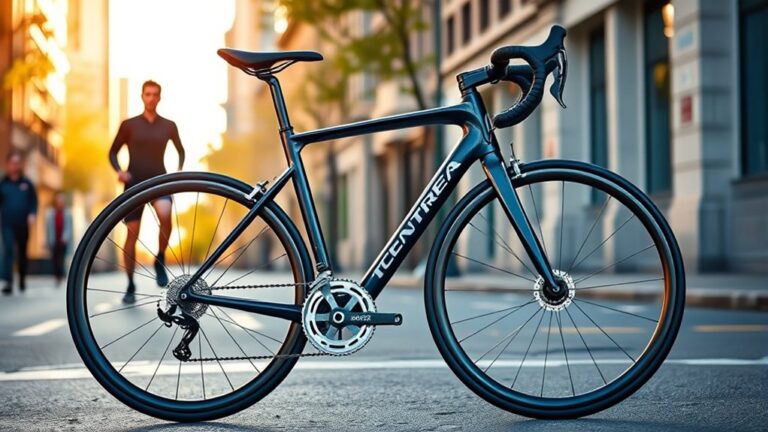
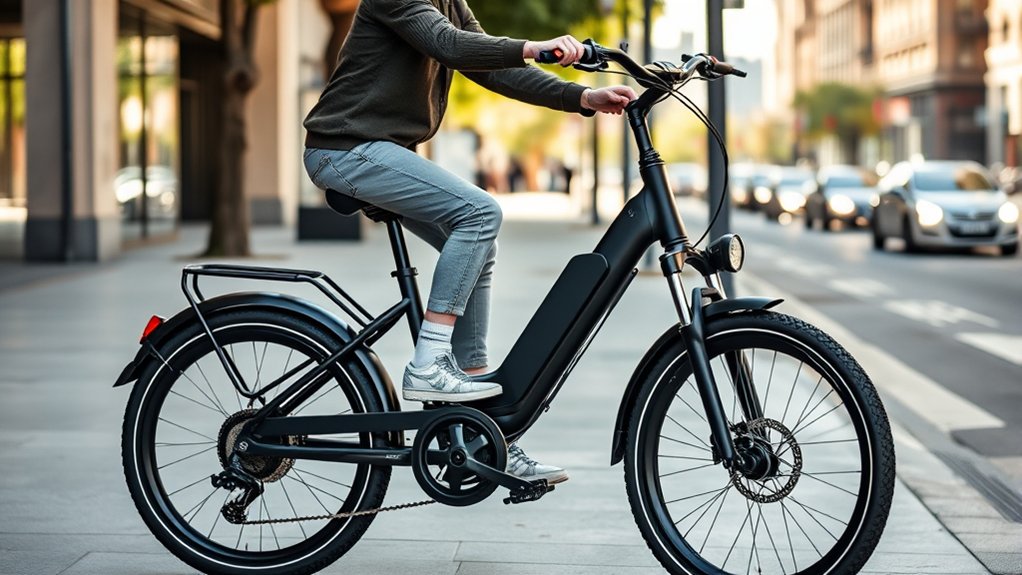
A Class 2 electric bike is a type of e-bike that can be powered by a motor to assist your pedaling or operate without pedaling, making it easy to ride without exerting much effort.
It features a motor typically limited to 750 watts and can reach speeds up to 20 mph. You can choose to pedal normally, and the motor will help push you along, or you can use the throttle to move without pedaling at all.
A 750-watt motor helps you reach speeds up to 20 mph, with pedal assist or throttle options for easy riding.
This flexibility makes it ideal for commuting, running errands, or leisurely rides. Because of its power and speed limits, it’s often classified as suitable for urban environments and bike paths.
Riding a Class 2 e-bike combines physical activity with the convenience of motor assistance, helping you travel farther and faster with less fatigue.
Key Features That Make Class 2 E-Bikes Versatile
The features that make Class 2 e-bikes so versatile come from their thoughtful design and powerful capabilities. You get a throttle that lets you ride without pedaling, making your commutes easier and less tiring.
The motor’s 20 mph top speed helps you reach your destination quickly while staying within legal limits. Their lightweight frames and adjustable handlebars offer comfort and control, fitting different riders and terrains.
Many models also come with built-in lights, fenders, and racks, making them practical for daily errands or longer rides. The battery’s long life and quick charging mean you can ride extended distances without worry.
How to Spot a Class 2 E-Bike When Shopping
Wondering how to identify a Class 2 e-bike while shopping? Look for labels or markings on the frame or components that specify the classification, often indicating “Class 2.” Check the motor details—most Class 2 bikes have a motor limited to 20 mph.
The throttle is another clue. Many Class 2 e-bikes feature a thumb or twist throttle that can operate the bike without pedaling. Review the bike’s specifications in the product description or user manual.
If you’re unsure, ask a salesperson directly about the bike’s classification and motor speed limit. Pay close attention to any stickers, labels, or documentation that highlight the bike’s capabilities.
Spotting these features helps guarantee you’re choosing the right e-bike for your needs.
Safety Gear Every Rider Should Wear on a Class 2 E-Bike
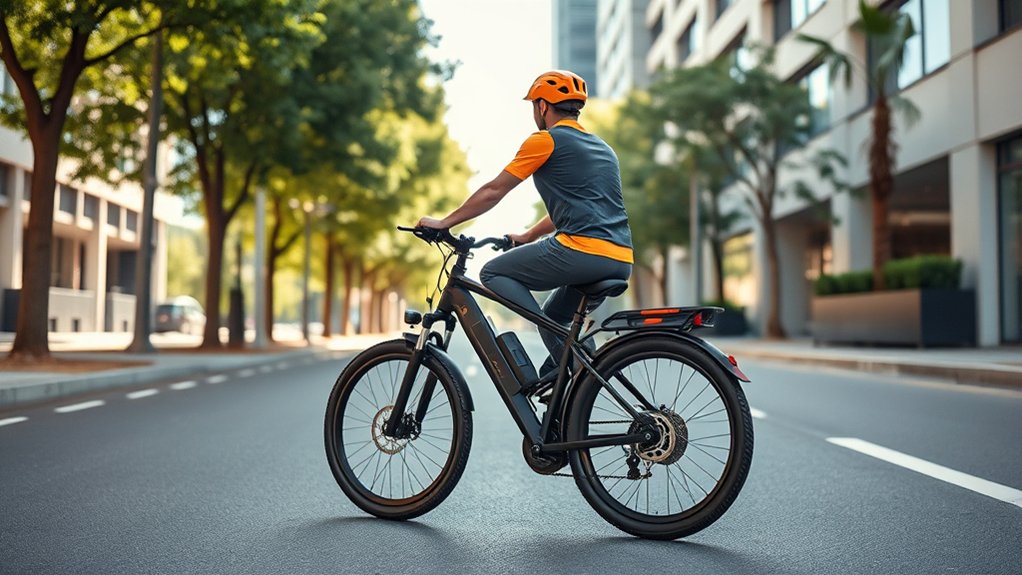
Wearing the right safety gear is essential to protect yourself while riding a Class 2 e-bike. A well-fitting helmet, protective clothing, and visibility accessories can really make a difference in keeping you safe.
Let’s take a look at what gear you should always have on hand before hitting the road.
Helmet Importance and Fit
Protecting your head should always be a priority when riding a Class 2 e-bike, since accidents can happen unexpectedly. Wearing a helmet reduces the risk of serious injury and needs to fit properly for the best protection.
A well-fitting helmet sits snugly without causing discomfort or pressure points. Make sure it sits level on your head, covering your forehead. Adjust the straps so they form a V under your ears and are snug but comfortable.
Check that the chin strap is tight enough to prevent movement but not so tight that it causes pain. Taking these steps helps ensure your helmet provides maximum safety while riding.
Protective Clothing Essentials
When riding a Class 2 e-bike, it’s important to wear the right protective clothing for safety. A sturdy, long-sleeved jacket or jersey can help protect your skin from scrapes and weather.
Wearing gloves gives you a better grip and shields your hands if you fall. Consider padded shorts or reinforced pants to reduce injury if you crash.
Durable, closed-toe shoes with good traction help with control and protect your feet. Bright or reflective clothing makes you more visible, especially in low-light conditions.
Avoid loose clothing that might get caught in the bike’s moving parts. Choosing the right gear helps reduce injuries and keeps you safer while enjoying your ride.
Visibility Accessories Significance
Ever consider how much your visibility impacts your safety on a Class 2 e-bike? Wearing the right visibility accessories can make a big difference, especially in low-light conditions.
Bright clothing or reflective strips help others see you from a distance. Proper lighting on your bike, like front and rear lights, is essential for safety.
Accessories such as reflective decals or vests can also greatly boost your visibility in traffic. Keep these tips in mind:
- Use high-visibility clothing or reflective gear to stand out.
- Install bright front and rear lights on your e-bike.
- Add reflective stickers or decals for extra visibility at night.
Top Tips for Safe Riding and Handling
To ride your Class 2 electric bike safely and handle it confidently, you need to stay alert and follow some key tips. Always wear a helmet and protective gear to reduce injury risks.
Keep both hands firmly on the handlebars and stay aware of your surroundings. Use your brakes smoothly and gradually to avoid skidding or losing control.
Maintain a safe speed, especially when turning or riding in crowded areas. Be cautious on uneven or wet surfaces to prevent slipping.
Keep a safe distance from other vehicles and pedestrians. Regularly check your bike’s brakes, tires, and battery to ensure everything is working well.
Stay focused and avoid distractions like using your phone while riding. Following these tips helps you enjoy a safe, smooth ride every time.
Legal Rules for Using Class 2 E-Bikes in Your Area
Before riding your Class 2 e-bike, it’s important to understand the local regulations in your area. Make sure you’re aware of any specific rules that might apply.
Check if there are age or license requirements for legal operation. Knowing these details helps you stay compliant and ride safely.
Local E-Bike Regulations
Are you aware of the specific laws governing Class 2 e-bikes in your area? Local regulations can vary widely, so it’s essential to know the rules where you plan to ride.
Check your city or state’s transportation department website for detailed information. Here are three key points to take into account:
- Where you can ride: Some areas restrict Class 2 e-bikes to bike lanes or trails, while others permit riding on roads.
- Speed limits: Many jurisdictions enforce maximum speed limits for e-bikes, often around 20 mph.
- Helmet requirements: Certain locations mandate helmet use for all riders, regardless of age.
Understanding these regulations helps keep you safe and avoids fines or legal issues. Always stay updated, as laws can change.
Age and License Requirements
Understanding the age and license requirements for riding Class 2 e-bikes is essential to staying within the law. Typically, you need to be at least 16 years old to ride a Class 2 e-bike legally, but this can vary depending on where you are.
Some areas might require a valid driver’s license or a special cycling permit, especially if the e-bike exceeds certain power or speed limits. Be sure to check your local regulations to know exactly what’s needed in your area.
If you’re under the minimum age, you may need adult supervision or might be restricted from riding on public roads. Always confirm you meet the age and licensing requirements before heading out to avoid fines or other legal issues.
Staying informed helps you ride safely and legally, so take a moment to understand the rules in your area before hitting the road.
Common Mistakes to Avoid When Riding a Class 2 E-Bike
Riding a Class 2 e-bike can be fun and convenient, but it’s easy to make mistakes that compromise your safety. To stay safe, avoid these common errors:
- Always wear a helmet to protect your head if you fall or have a collision. Don’t skip this important safety gear.
- Keep your bike balanced by not overloading it or carrying unsafe loads. Bulky items can affect your control and stability.
- Stick to designated bike lanes and trails. Riding on the wrong paths increases the risk of accidents with vehicles or pedestrians.
Also, take a moment to learn the local laws and regulations. Riding responsibly and paying attention helps you enjoy your ride safely and avoid unnecessary accidents.
Maintaining Your Class 2 E-Bike for Safe, Reliable Rides
Regular maintenance is key to keeping your Class 2 e-bike safe and dependable. Start by inspecting your tires regularly for wear and proper inflation, which helps with better handling and longer battery life.
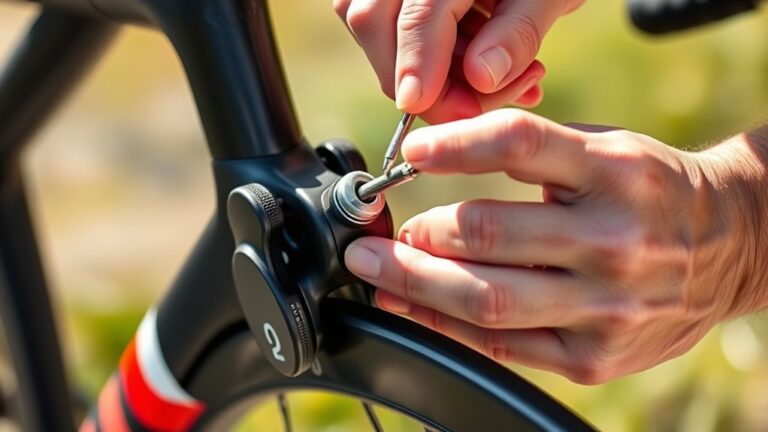
Keep the brakes responsive by checking the brake pads and adjusting them if needed. Clean the drivetrain and chain to prevent rust and improve efficiency.
Don’t forget to regularly check the battery for any damage or corrosion, and keep it charged to prolong its lifespan. Tighten loose bolts and make sure all lights and reflectors work properly.
Schedule routine professional checkups, especially for the motor and electrical parts. By staying on top of maintenance, you’ll enjoy smoother rides and reduce the risk of breakdowns, making every trip safer and more reliable.
Frequently Asked Questions
Are Class 2 E-Bikes Suitable for All Terrain Types?
Class 2 e-bikes are versatile but aren’t suitable for all terrains. They perform well on paved roads, bike paths, and light gravel thanks to their moderate power and speed.
However, for rough, steep, or technical off-road trails, you might find them limiting. Always check the bike’s specifications and consider your terrain before riding.
Using a Class 2 e-bike on unsuitable terrain can lead to safety issues and damage.
How Long Does the Battery Typically Last on a Class 2 E-Bike?
Your Class 2 e-bike’s battery typically lasts between 20 to 50 miles, depending on factors like terrain, rider weight, and assist level.
It’s enough to conquer an entire day’s adventure or a long commute without worrying about running out of power.
Keep your battery charged regularly, avoid extreme temperatures, and use the lowest assist needed to maximize its lifespan.
With proper care, you’ll enjoy endless rides of electric-powered fun.
Can I Ride a Class 2 E-Bike Without Pedaling?
Yes, you can ride a Class 2 e-bike without pedaling, but only when using the throttle. These bikes are designed with a throttle mode that lets you operate the bike like a scooter, providing power without pedaling.
Just make sure you’re familiar with your local laws, as some areas require pedaling to activate electric assistance or restrict throttle-only use. Always prioritize safety and wear a helmet.
Are There Age Restrictions for Riding a Class 2 E-Bike?
Are there age restrictions for riding a Class 2 e-bike? Absolutely, and think of it like a map guiding your journey—age limits are there to keep you safe.
Typically, most places require riders to be at least 16 or 18 years old. These rules are meant to ensure you have the maturity and skills needed for safe riding.
Always check your local laws before hitting the road.
How Do Weather Conditions Affect the Safety of Riding a Class 2 E-Bike?
Weather conditions can really impact your safety when riding a class 2 e-bike. Rain or snow can make the roads slippery, so you should slow down and avoid sharp turns.
Strong winds can throw you off balance, especially on open stretches. Cold weather can also affect your battery, reducing how far you can go.
Always check the forecast before heading out. Wear the right gear and adjust your riding style to stay safe in different weather conditions.
Conclusion
Now you’re ready to conquer the streets on your Class 2 e-bike! With the right gear, smart riding habits, and a little confidence, you’ll zip through traffic faster than a superhero on a mission.
Just remember, safety isn’t just a priority—it’s your secret weapon for epic adventures and worry-free rides. So hop on, pedal smart, and make every journey legendary.
Because with a Class 2 electric bike, the road is your kingdom!