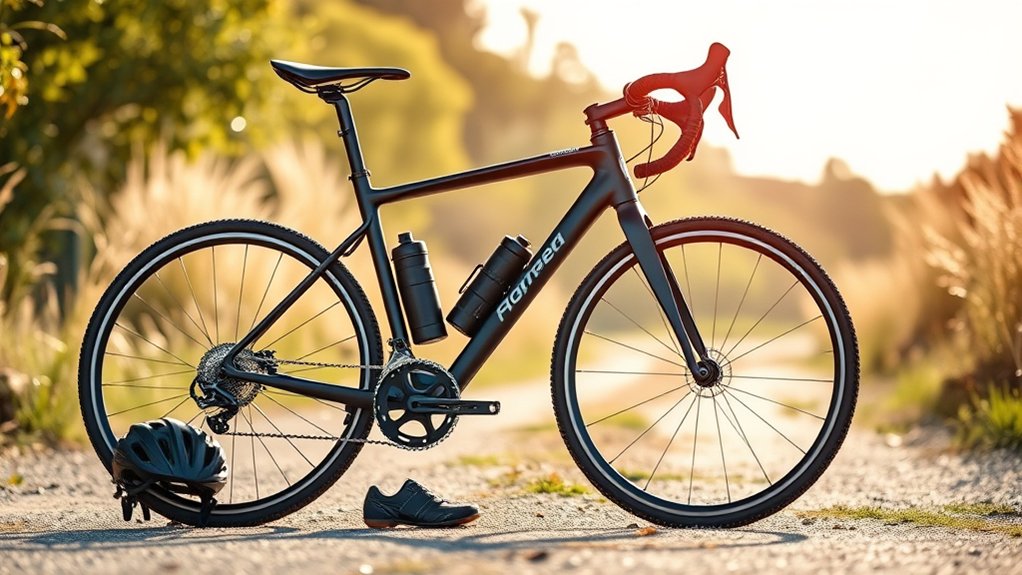
How to Use a Hybrid Bike for a Triathlon
Many triathletes struggle with choosing the right bike for their race, especially when trying to balance comfort and speed. If you’re considering a hybrid bike for your triathlon, you’re not alone—many people want a versatile option that can handle both cycling and training.
To use a hybrid bike for a triathlon, start by ensuring it’s properly fitted and maintained. Check tire pressure, brakes, and gears to keep everything running smoothly.
Adjust your handlebars and seat for comfort and aerodynamics, and take time to familiarize yourself with the bike’s features.
During the race, switch gears smoothly and stay steady. Practice gear changes beforehand so you can switch quickly from cycling to running.
If you follow these tips, you’ll be more prepared. Keep going to uncover more ways to optimize your race day.
Key Takeaways
- Make sure your bike fits you well and is adjusted for both comfort and aerodynamics before race day. This helps you stay comfortable and fast during the race.
- Check your tire pressure, brakes, and gear shifting to avoid any mechanical problems when you’re out on the course.
- Use different grip positions on your ergonomic handlebars. It helps reduce fatigue and keeps you feeling fresh for longer rides.
- Only pack the essentials you need. Keeping your bike setup simple and lightweight makes transitions smoother and quicker.
- Practice switching from cycling to running so you can do it smoothly during the race. It builds confidence and helps you save time.
Why Hybrid Bikes Are Perfect for Triathlon Courses
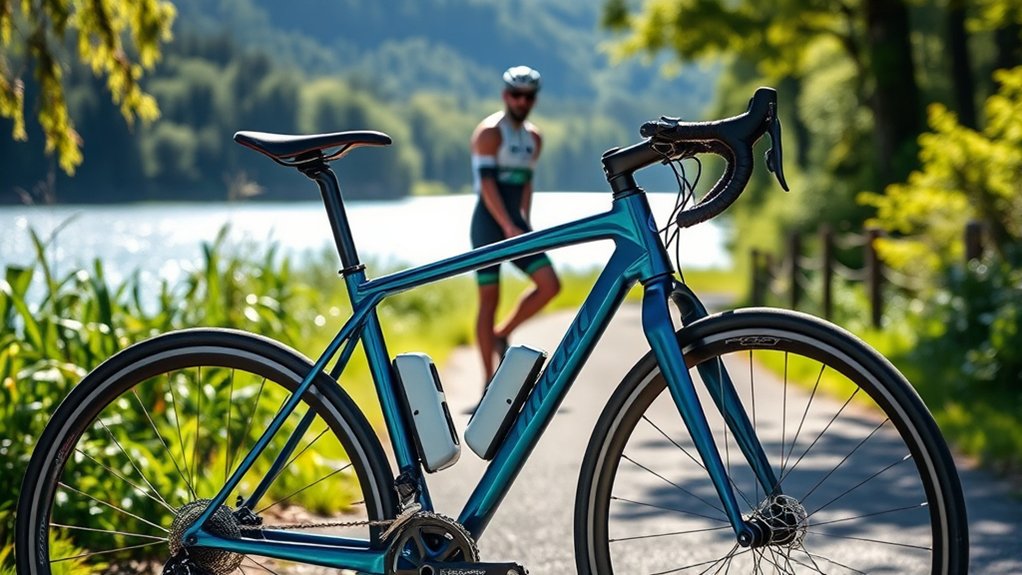
Hybrid bikes are perfect for triathlon courses because they blend the best of road and mountain bikes. You get the versatility to handle different terrains without needing to switch bikes.
Their lightweight frames help you ride efficiently on paved roads, while wider tires and relaxed geometry keep you comfortable on rough or uneven surfaces. You can easily adjust your riding position as needed during the race.
You won’t feel weighed down or overly tired, which boosts your endurance. Plus, hybrids usually have multiple gear options, making hills and flats easier to conquer.
What Features Make Hybrid Bikes Ideal for Triathletes
Several key features make hybrid bikes a top choice for triathletes. Their lightweight frames help you accelerate and maintain speed with less effort, especially during changes.
The versatile design combines the best of road and mountain bikes, offering smooth riding on various surfaces. Comfortable, ergonomic handlebars provide multiple hand positions, reducing fatigue during long rides.
Hybrid bikes offer smooth rides on diverse surfaces with ergonomic handlebars for comfort and reduced fatigue.
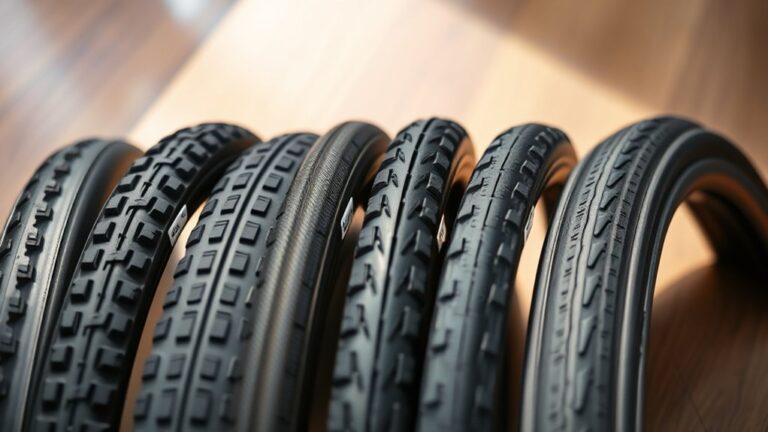
Wide, stable tires improve grip and control, even on uneven terrain or wet roads. The upright riding position boosts comfort without sacrificing aerodynamics, making it easier to stay focused and efficient.
Many hybrid bikes also have mounts for racks and water bottles, supporting hydration and gear needs. These features collectively make hybrid bikes adaptable, comfortable, and reliable—perfect for the diverse demands of a triathlon course.
How to Choose the Right Hybrid Bike Components for Your Triathlon
Choosing the right components for your hybrid bike is key to boosting your performance and comfort during a triathlon. Start with lightweight, aerodynamic wheels to cut down drag and help you go faster.
Pick a gear system with a wide range to handle different terrains smoothly and keep your cadence efficient. A comfortable saddle that fits your riding position will support you over those long distances.
Handlebars with multiple grip options are great for different phases of your ride, especially during the bike leg. Make sure your brake system offers reliable stopping power in various conditions.
Finally, go for durable, low-maintenance components that can handle the demands of racing. Well-chosen parts will make you more efficient, comfortable, and confident throughout the race.
Getting Your Hybrid Bike Ready for Race Day
To guarantee your bike performs at its best on race day, you need to thoroughly inspect and prepare it well in advance. Start by checking the tire pressure and verifying your tires are free of cuts or embedded debris. Inflate them to the recommended PSI and tighten any loose bolts on the handlebars, seat post, and wheels.
Next, examine the brake pads for wear and make sure they engage smoothly without rubbing. Shift through all gears to confirm smooth operation and lubricate the chain if needed. Finally, do a quick test ride to identify any issues with handling or braking.
This preparation guarantees your bike runs smoothly, reduces the risk of mechanical problems, and helps you focus on racing confidently.
Adjusting Your Riding Technique to Maximize Hybrid Bike Performance
Adjusting your riding technique is key to getting the most out of your hybrid bike during a triathlon. Focus on maintaining a smooth, steady cadence to save energy and boost efficiency.
Keep your elbows slightly bent and relaxed to reduce fatigue and stay in control. Shift your weight forward when climbing or accelerating, and move back on descents or when riding relaxed.
Use your core muscles to stabilize your position, avoiding excessive movement that wastes energy. Practice quick, controlled gear shifts to handle different terrains smoothly.
Keep your body aligned over the bike, with your hands comfortably on the handlebars. These tweaks help maximize power transfer, cut down fatigue, and improve your overall race performance on a hybrid bike.
Training Tips to Boost Speed and Endurance on a Hybrid Bike
Building your speed and endurance on a hybrid bike requires consistent, focused training that challenges your body gradually. Start by setting a regular riding schedule and slowly increase your distance and intensity over time.
Try interval training by alternating between quick sprints and steady rides. This helps boost your anaerobic capacity and overall speed. Incorporate hill climbs and resistance rides to strengthen your legs and build power.
Pay attention to your riding form to reduce fatigue and ride more efficiently. Cross-training with core exercises and stretching can support your muscles and prevent injuries.
Use a cycling app or journal to track your progress, stay motivated, and spot areas to improve. Remember, consistency and gradual progress are key to boosting your speed and endurance for race day.
Handling Different Terrains With Your Hybrid Bike During a Race
Handling different terrains during a race means you need to stay alert and adapt your riding style quickly. As you come across different surfaces, changing your approach helps you stay safe and perform well. Here are three key tips:
- Adjust your gear: Shift to lower gears on steep climbs or rough patches. This helps you keep control and reduces fatigue.
- Modify your riding position: Stand on the pedals for better traction on uneven terrain. When the surface is smoother, sit back for more comfort.
- Control your speed: Slow down on loose gravel, wet roads, or tricky sections. This prevents slipping and keeps you stable.
Ensuring Proper Fit and Comfort for Long Triathlon Rides
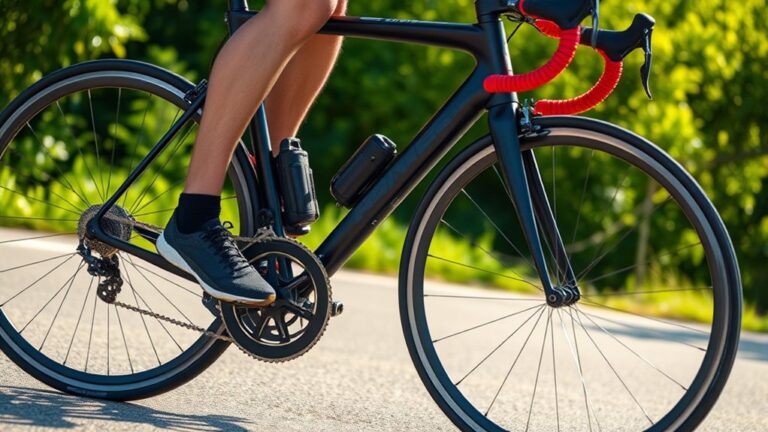
Since comfort directly impacts your performance and endurance during a long triathlon ride, making sure your bike fits properly is key. Start by adjusting the saddle height so your leg is nearly straight at the bottom of the pedal stroke—that way, you reduce fatigue.
Make sure the saddle is level and positioned to support your pelvic area comfortably. Check your reach to the handlebars—your arms should be slightly bent, and you shouldn’t feel strained or overstretched.
Handlebar height should allow a relaxed posture without causing neck or back pain. Finally, verify that your cleats and shoes are aligned correctly to prevent hot spots and discomfort.
A properly fitted bike helps you stay comfortable, conserve energy, and keep maximum efficiency throughout the ride.
Essential Maintenance and Safety Checks Before Race Day
Proper maintenance and safety checks are key to making sure your hybrid bike is race-ready and reliable on race day. Before the race, take some time to inspect your bike thoroughly to avoid surprises.
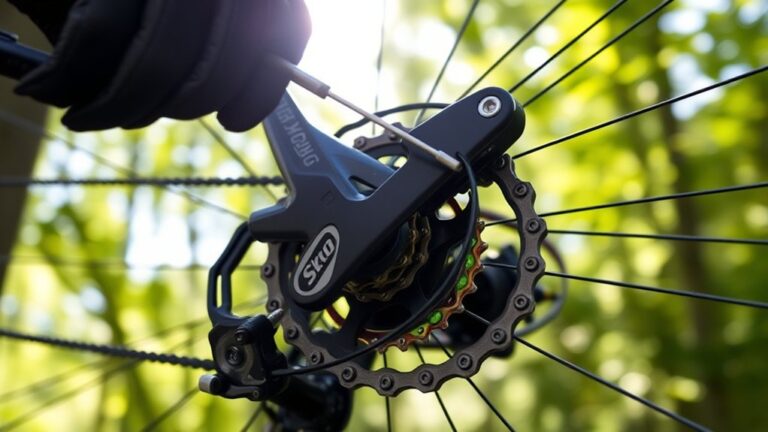
Start by checking the tire pressure and look for cuts or embedded debris that could cause flats. Next, verify that the brakes are responsive; squeeze the brake levers to make sure they’re working properly and that the pads aren’t worn down.
Then, examine the chain and gears for smooth shifting. Clean and lubricate the chain if needed. Also, tighten any loose bolts, especially on the handlebars and seat post.
Finally, confirm that your quick-release skewers are secure. Doing these quick checks will give you confidence and help prevent mechanical issues during your race.
Transitioning Smoothly From Bike to Run in a Triathlon
To shift smoothly from biking to running in a triathlon, you need a deliberate and practiced strategy. As you approach the changeover area, stay focused and keep your pace steady.
Once off the bike, quickly remove your helmet and unclip your shoes, but don’t waste time. Keep your bike steady as you rack it securely in its designated spot.
Slip into your running shoes, ideally already prepared with socks and laces tied. Use a towel or cloth to wipe off excess sweat if needed.
Moving efficiently involves staying calm and organized so you conserve energy for the run. Practice this process beforehand to build confidence, making the swap from bike to run feel fluid and natural on race day.
Common Mistakes to Avoid When Using a Hybrid Bike in a Triathlon
Using a hybrid bike in a triathlon can be convenient, but it also comes with some common pitfalls that can hurt your performance. Being aware of these mistakes can help you avoid setbacks.
First, don’t ignore your bike fit. Riding with an improper seat height or handlebar position can cause discomfort and make you less efficient. Take the time to adjust your bike for both comfort and aerodynamics.
Next, be careful not to overload or carry unnecessary gear. Extra weight will slow you down, so keep your bike streamlined with only the essentials you need for race day.
Finally, don’t neglect maintenance. Skipping checks on brakes, tires, or gears can lead to mechanical issues during the race. Regularly inspect and service your bike beforehand to stay race-ready.
Stay mindful of these mistakes so you can get the most out of your hybrid bike and perform at your best.
Frequently Asked Questions
Can I Use a Hybrid Bike for Competitive Triathlons?
Yes, you can use a hybrid bike for competitive triathlons, especially if you’re a beginner or doing shorter distances. They’re versatile and comfortable, making switching between cycling and running easier.
However, for elite or longer races, a dedicated triathlon or road bike might give you a better edge. These bikes usually have better aerodynamics and speed.
Ultimately, choose what feels best for your skill level and your race goals.
How Does a Hybrid Bike Compare to a Road Bike in Triathlons?
A hybrid bike offers comfort and versatility, but it doesn’t match a dedicated road bike’s speed and aerodynamics in triathlons.
While hybrids handle different terrains well, they tend to be heavier and less streamlined, making it harder to maintain high speeds.
If you’re aiming for competitive performance, a road bike’s lightweight frame and sleek design give you an edge.
That said, if comfort and flexibility are more important, a hybrid can still serve you well.
What Accessories Are Essential for Hybrid Bike Triathlon Use?
You’ll want to equip your hybrid bike with essential accessories like a lightweight helmet, cycling gloves, and sunglasses for safety and comfort. Add a water bottle cage and hydration system to stay fueled, plus clipless pedals for efficiency.
Consider a small saddlebag for tools and spare tubes. Bright bike lights improve visibility, especially in low-light conditions. These accessories guarantee you’re prepared, comfortable, and safe throughout your triathlon ride.
How Do Hybrid Bikes Perform in Extreme Weather Conditions?
Hybrid bikes handle extreme weather conditions reasonably well, but your performance depends on proper maintenance and the right gear. In rain, make sure your tires have good tread and your brakes are responsive.
For cold or hot weather, use appropriate clothing and keep your bike clean to prevent corrosion or overheating. Always check your equipment before riding and consider tires with better grip for challenging terrains or slick surfaces.
Are Hybrid Bikes Suitable for Long-Distance Triathlon Events?
Think of your hybrid bike as a trusty all-terrain vehicle. You can take it on long-distance triathlons without worry. It’s versatile enough to handle various terrains and comfortable for extended rides.
While it might not be as fast as a dedicated road bike, its durability and hybrid features make it a reliable choice for endurance events. You’ll appreciate its balanced performance, keeping you steady and confident from start to finish.
Conclusion
As you cross the finish line, feel the rush of wind and the pounding heartbeat of your triumphant ride. Your hybrid bike, tuned perfectly and ready for the challenge, becomes an extension of your will.
With every pedal stroke, you carve through the course like a skilled artist shaping their masterpiece. Remember, the journey from start to finish is yours—crafted with preparation, technique, and resilience.
Seize the moment, knowing your hybrid bike carried you there with strength and confidence. Using your hybrid bike effectively for a triathlon is all about blending versatility with endurance, ensuring you perform your best from start to finish.