8 Key Factors That Determine How Heavy a Hybrid Bike Is
Are you overwhelmed trying to find the perfect hybrid bike? Many people struggle with choosing a bike that’s not too heavy but still durable and comfortable. Finding the right balance can feel like a challenge, especially with so many options out there.
The weight of a hybrid bike depends on several key factors, including its frame material, wheel size, components, and accessories.
Aluminum frames keep it lightweight and sturdy, while steel adds weight but offers comfort. Larger wheels improve stability but are heavier, and complex gearing or disc brakes increase overall mass.
Accessories like racks and lights also add weight. Your riding style and intended use influence what’s best.
Keep exploring to uncover how these factors can help you find the ideal bike for your needs.
Key Takeaways
– Frame material, like aluminum, steel, or carbon fiber, really impacts how heavy the bike is.
Choosing lighter materials can make a big difference.
Aluminum and carbon fiber are usually lighter options compared to steel.
Wheel size and material also play a role in the bike’s weight.
Larger wheels and steel rims tend to be heavier, which can affect how easy the bike is to handle.
Gearing systems and brake types, such as rim or disc brakes, add different amounts of weight.
Some setups are heavier but might offer better performance or durability.
Additional accessories like racks and lights can also increase the overall weight.
So, consider what you really need for your rides.
Finally, your riding style helps determine the ideal weight range and influences component choices.
If you’re into long-distance rides, a lighter setup might be best.
For casual commuting, a bit of extra weight might not matter as much.
What Is the Average Weight of a Hybrid Bike?

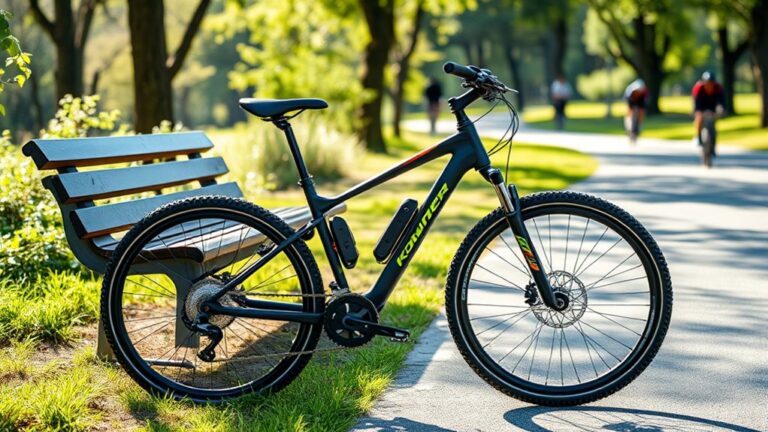
The average weight of a hybrid bike usually falls between 25 and 30 pounds. This range offers a good balance of durability, performance, and ease of handling, making it versatile for different riding styles.
Lighter bikes are easier to carry and maneuver, especially on stairs or public transit. Heavier models might feel more stable but can be tiring over long distances.
Your choice depends on how you plan to ride. If you’re commuting or running errands, a bike toward the lower end of this range could be a great fit. For more rugged use or extra durability, a slightly heavier model might work better.
Knowing this average helps you set realistic expectations and pick a bike that matches your riding needs and comfort level.
How Do Frame Materials Affect Hybrid Bike Weight?
Frame materials play a big role in how heavy a hybrid bike feels. They really impact how easy it is to handle and carry around.
Aluminum frames are popular because they’re lightweight, durable, and affordable. This makes your bike easier to maneuver and ride comfortably.
Aluminum frames are lightweight, durable, and affordable, making your bike easier to handle and ride comfortably.
Carbon fiber frames are even lighter and stiffer, which is great if you’re after maximum speed and easy handling. But they tend to cost more.
Steel frames are heavier but offer strength and comfort. They’re ideal if durability is your top priority.
Choosing aluminum or carbon reduces overall weight, making your bike more agile and helping to cut down rider fatigue. Steel adds weight but gives you extra durability.
Your choice of frame material directly affects how heavy your bike feels. It influences your riding experience, how easy it is to transport, and how you store it.
Does Wheel Size Impact Your Hybrid Bike’s Overall Weight?
Your bike’s wheel size can influence its overall weight, especially when considering different materials. Larger wheels tend to be heavier, but they also impact riding performance and comfort.
Understanding how wheel size and material contribute helps you choose the right balance for your hybrid bike. This way, you can find the perfect combination for your riding style and preferences.
Wheel Size and Material
Wheel size and material play a crucial role in determining a hybrid bike’s overall weight. Larger wheels, like 700c, tend to be heavier because they need more material and a sturdier rim.
Smaller wheels, such as 26-inch sizes, are lighter and can make your bike feel more agile. The material of the wheels also impacts weight; aluminum rims are lightweight yet durable.
Steel rims add extra weight but offer strength. Carbon fiber wheels are the lightest option, reducing overall weight significantly, but they come at a higher cost.
Your choice of wheel size and material affects not only weight but also ride comfort and performance. So, think about your riding needs carefully when choosing wheels for your hybrid bike.
Impact on Overall Weight
The size of the wheels directly influences the overall weight of a hybrid bike, which affects how easy it is to handle and how efficiently you can ride. Larger wheels usually add weight because of more material, but they also make the ride more comfortable and help keep momentum.
Smaller wheels are lighter, making the bike easier to maneuver. However, they might sacrifice some stability and smoothness on rough roads. Here’s a quick comparison:
| Wheel Size | Weight Impact | Ride Characteristics |
|---|---|---|
| Large (700c) | Heavier | Faster on open roads |
| Medium (27.5″) | Moderate | Balanced performance |
| Small (26″) | Lighter | More maneuverable |
Picking the right wheel size depends on what matters most to you—speed, agility, or comfort. It ultimately shapes your bike’s overall weight and how it performs.
How Do Components Like Gearing and Brakes Influence Weight?
Components like gearing and brakes greatly impact a hybrid bike’s overall weight, as they often vary in material and complexity. Heavier gear systems, such as those with multiple chainrings or advanced shifters, add weight compared to simpler setups.
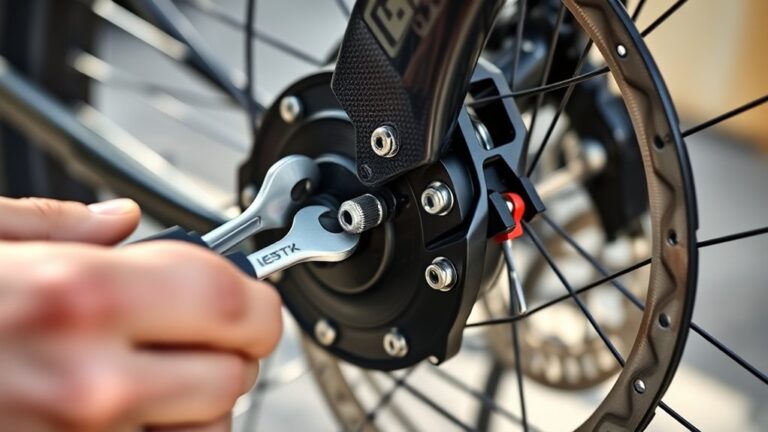
Likewise, brake systems influence weight a lot. Traditional rim brakes tend to be lighter than disc brakes, especially hydraulic ones. Disc brakes, while offering better stopping power, involve heavier calipers and rotors.
Upgrading to lightweight materials like aluminum or carbon fiber can reduce weight but often costs more. You should consider balancing performance and weight when choosing these components.
Lighter components improve handling and make riding easier, but durability and safety shouldn’t be overlooked. Your choices directly influence how heavy your hybrid bike is, affecting your overall riding experience.
What Role Do Suspension Systems Play in Bike Mass?
Suspension systems add to your bike’s overall weight, which can influence handling and performance.
While they help absorb shocks and improve ride comfort, they also make the bike heavier and potentially less efficient.
Considering these factors helps you find the right balance between comfort and weight for your riding needs.
Impact on Overall Weight
While suspension systems improve ride comfort and control, they also add significant weight to a hybrid bike. The added weight comes from components like forks, shocks, and mounting hardware, which can range from a few hundred grams to over a kilogram.
This extra mass influences the bike’s overall weight, making it heavier and potentially affecting handling and acceleration. If you choose a full suspension setup, expect a noticeable increase compared to a rigid frame.
Even front suspension forks contribute to the weight, especially if made from heavier materials. Ultimately, suspension systems, while beneficial for ride quality, play a big role in determining your bike’s total mass.
This impacts performance, transportation, and rider fatigue over long distances.
Effect on Ride Comfort
Since suspension systems add weight to a hybrid bike, they directly influence ride comfort by absorbing shocks and vibrations from uneven surfaces. A well-designed suspension smooths out rough terrain, making your ride more comfortable and less tiring.
However, the extra weight can make the bike feel less nimble and harder to accelerate. To help visualize, here’s a simple table:
| Suspension Type | Impact on Comfort | Extra Weight |
|---|---|---|
| Front forks | Absorbs bumps | Moderate |
| Full suspension | Cushions rougher terrain | Heavy |
| Rigid | Minimal comfort | Light |
Choosing the right suspension balances comfort and weight, so you can enjoy your ride without unnecessary strain.
How Do Accessories Like Racks and Lights Add to the Weight?
Accessories like racks and lights can significantly add to a hybrid bike’s overall weight, affecting how it handles and how easy it is to ride. Racks, made from materials like aluminum or steel, increase the weight based on their size and sturdiness.
Heavier racks can make your bike less responsive and harder to maneuver, especially when loaded up. Lights, even though they’re smaller, also contribute to the weight, especially if they’re powerful or have batteries that need frequent replacements.
Installing these accessories usually involves brackets, mounts, and wiring, all adding extra grams. While they boost your safety and utility, they can also make your bike feel slower and less agile.
If weight is a concern, opt for lightweight racks and compact lights designed specifically for cycling.
How Riding Style and Usage Affect Your Bike’s Weight Needs?
Your riding style and how you plan to use your hybrid bike directly influence the ideal weight for your setup. If you commute daily on paved roads, lighter bikes are easier to handle and accelerate.
For off-road or rough terrain, sturdier, heavier bikes offer better stability and durability. Consider this table:
| Riding Style | Usage Focus | Recommended Weight Range |
|---|---|---|
| Commuting | City streets, pavement | 20-25 lbs |
| Fitness Riding | Long-distance, mixed terrain | 22-27 lbs |
| Off-road | Trails, rough terrain | 25-30 lbs |
| Touring | Extended rides, cargo | 25-30 lbs |
| Casual Riding | Leisure, short trips | 20-24 lbs |
Matching your riding style with the right weight helps ensure comfort, efficiency, and safety.
Tips for Finding a Lightweight Hybrid Bike That Fits Your Needs
Choosing a lightweight hybrid bike that suits your needs involves balancing weight with features, comfort, and durability. Start by defining your main riding purpose—commuting, fitness, or leisure—to help identify the key features you need.
Look for bikes with aluminum frames, which are lighter than steel but still sturdy. Consider wheel size—smaller wheels tend to be lighter and more agile, while larger wheels offer better comfort on rough terrain.
Check the weight of components like handlebars, seat posts, and tires. Opt for lightweight options to keep the overall weight down. Be sure to test ride different models to see how they handle and to ensure they fit your body comfortably.
Don’t forget to compare prices and read reviews. Ultimately, choose a bike that feels right for your riding style while being as light as possible without sacrificing durability or comfort.
Frequently Asked Questions
How Much Does Rider Weight Influence the Overall Bike Weight?
Your weight doesn’t greatly influence the overall bike weight; the bike itself remains the same regardless of how much you weigh.
However, your weight can impact how the bike feels and performs, especially when climbing hills or accelerating. Heavier riders might experience more strain, but the bike’s actual weight stays constant.
Focus on choosing a bike suited for your riding style and comfort rather than worrying about how your weight affects its weight.
Can Hybrid Bike Weight Vary Significantly by Brand?
Yes, hybrid bike weight can vary quite a bit between brands. Imagine comparing a vintage bicycle from the 1950s to a sleek, modern model—materials and design choices differ.
Some brands prioritize lightweight aluminum or carbon fiber, while others use heavier steel or steel alloys. Your choice impacts overall weight, so shopping around helps you find a hybrid bike that matches your riding style, whether you’re after speed or durability.
Do Customizations Substantially Increase the Bike’s Weight?
Yes, customizations can really add to your hybrid bike’s weight. Upgrading to heavier parts like thicker tires, alloy or steel frames, or adding accessories such as racks, fenders, or lights will all add extra pounds.
While some mods boost functionality or comfort, they often come with a weight penalty. If speed or easy handling is your goal, think about choosing lighter options or limiting your modifications to keep your bike manageable.
How Does Tire Choice Impact the Total Bike Weight?
Tire choice has a big impact on your hybrid bike’s weight. Heavier tires, like thicker or more durable ones, add extra weight and make pedaling harder.
Lighter tires, such as those made from advanced materials or with less tread, help reduce the overall weight. This can boost your speed and efficiency.
Think about what you need from your bike. If speed and agility are your goals, go for lighter tires. If you need durability for rough terrain, slightly heavier tires might be the better choice even if they add some weight.
Is a Heavier Bike More Durable Than a Lighter One?
Think of your bike as a shield. Heavier ones often stand up better against rough terrain, making them more durable in tough conditions.
So yes, a heavier hybrid bike tends to be more durable because it’s built with sturdier parts and thicker frames.
However, this added weight can make riding less nimble. Ultimately, durability depends on the quality of materials and construction, not just weight alone.
Conclusion
Choosing the right hybrid bike is like finding the perfect balance on a tightrope—you want it to be just right.
Understanding how materials, components, and accessories influence weight helps you pick a bike that’s light yet sturdy enough for your adventures.
Think of your ideal ride as a graceful dance, where every element moves seamlessly together.
This makes every journey smoother and more enjoyable.
With a little insight into the main factors that determine how heavy a hybrid bike is, you’ll find your perfect match effortlessly.