7 Price Ranges for How Much a Mountain Bike Costs in 2026
Many cycling enthusiasts want to find the perfect mountain bike without breaking the bank or feeling overwhelmed by options. You’re not alone—navigating the price ranges can be confusing, especially with so many choices out there.
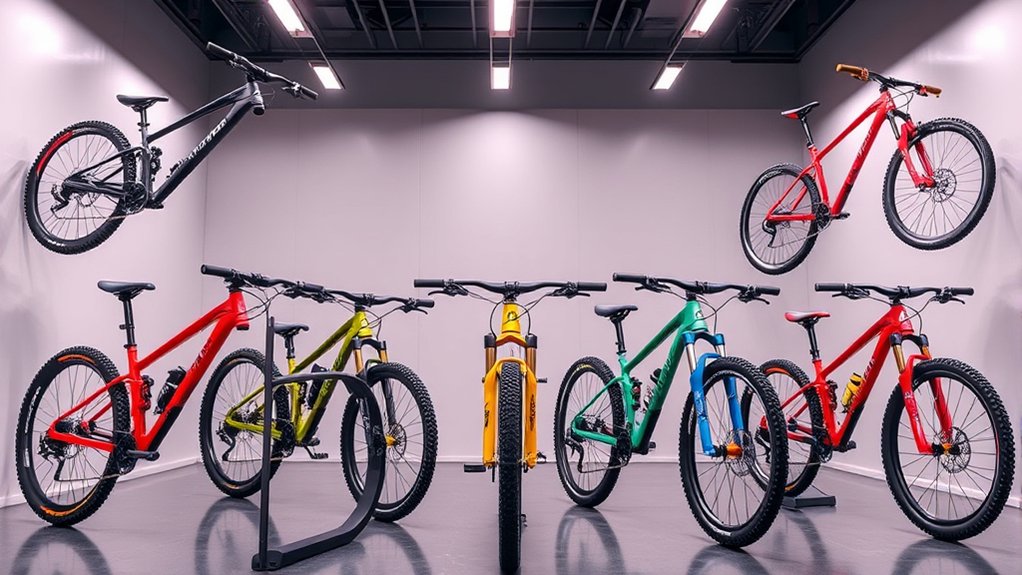
You’ll find mountain bikes in seven price ranges to fit your budget and riding style.
Under $500, expect basic setups for casual trails.
Between $500 and $1,200, mid-range bikes offer better materials and components.
Spending $1,200 to $3,000 gets you durable, performance-focused options.
Premium models from $3,000 to $6,000 feature cutting-edge tech, while luxury bikes above $6,000 deliver top-tier quality and custom tuning.
Keep exploring to uncover which range suits you best.
Key Takeaways
- Mountain bike prices in 2026 range from under $500 for basic models to over $6,000 for premium luxury bikes.
- Budget bikes under $500 typically have steel or aluminum frames with simple suspension and basic gearing. They’re great for casual riders who want to hit the trails without breaking the bank.
- Mid-range bikes, costing between $500 and $1,200, usually feature aluminum frames, hydraulic disc brakes, and a wider gear range. These are versatile and perfect for different trail conditions.
- High-end bikes, priced from $1,200 to $3,000, include carbon frames, advanced suspension systems, and high-performance components. They’re built for serious riders who want top-tier performance.
- Luxury models above $6,000 incorporate cutting-edge tech like electronic shifting and customizable suspension. These bikes deliver the best possible ride and are designed for enthusiasts and professionals.
Key Factors Driving Mountain Bike Prices in 2026
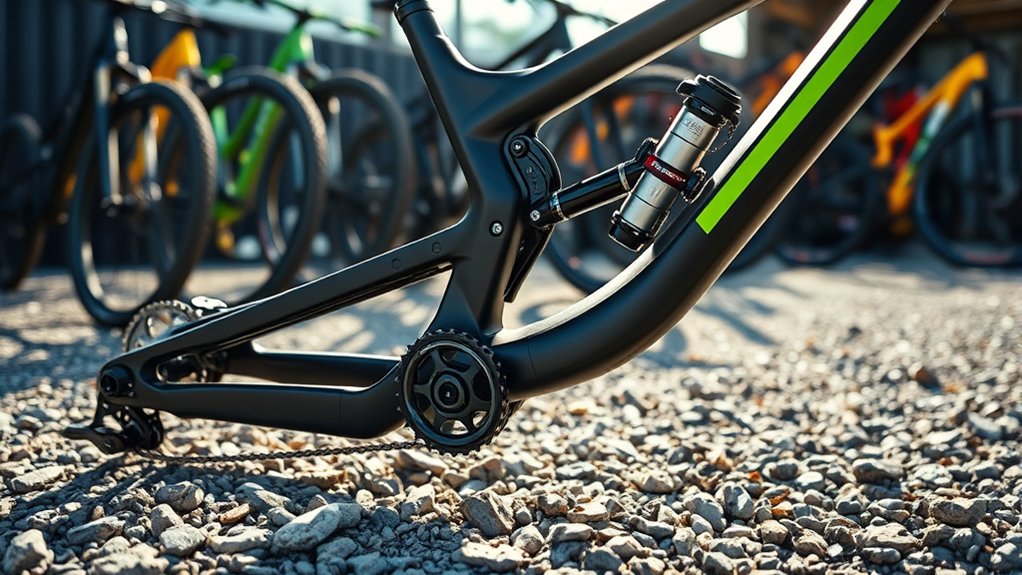
Although mountain bike prices vary widely, several key factors are driving the costs you’ll see in 2026. First, technology plays a huge role. Advanced suspension systems, lightweight carbon frames, and electronic shifting can push prices up.
Second, materials matter. Bikes made with premium alloys or carbon fiber tend to cost more than those with aluminum frames. Third, brand reputation influences price. Well-known brands often charge a premium for quality assurance and innovation.
Fourth, manufacturing location and supply chain issues affect costs, especially if parts are sourced globally. Finally, features like hydraulic disc brakes, tubeless tires, and dropper posts add to the price.
Understanding these elements helps you see why some bikes are pricier and prepares you for what to expect when shopping for your perfect ride.
Choosing the Right Mountain Bike Price Range
Knowing what drives mountain bike prices can help you narrow down your options when choosing the right price range. Start by thinking about how often and where you’ll ride.
If you’re riding casually on smooth trails, you don’t need top-tier components, so a mid-range bike might be perfect. But if you plan to tackle rough terrain or race, investing in higher-end models with advanced suspension and lightweight frames makes sense.
Also, consider your skill level. Beginners might focus on durability and ease of use rather than premium features. Don’t forget about accessories and maintenance costs, which can add up over time.
Budget Mountain Bikes Under $500: What to Expect
If you’re looking at mountain bikes under $500, you’ll find basic features designed for light trails and casual rides. You shouldn’t expect top-tier performance or long-lasting durability, but these bikes can still get you started.
Let’s investigate what key features come standard and how they hold up on the trail.
Key Features Overview
Budget mountain bikes under $500 are a great starting point for beginners or casual riders. They usually have basic steel or aluminum frames, which help keep costs down while still being strong enough for riding.
These bikes often come with simple suspension systems, typically just a front suspension fork with limited travel. It’s enough to smooth out mild bumps and make riding more comfortable.
Gearing on these bikes is usually limited to 7 or 8 speeds. That makes shifting easy but less versatile, especially on varied terrain. Brakes are commonly mechanical disc or rim brakes, providing decent stopping power with some occasional adjustments.
Tires are generally standard width, designed for general trail and road use. While these bikes don’t have advanced components, they give you the essential features needed to ride comfortably without spending a lot.
Performance and Durability
While these entry-level mountain bikes offer basic features to get you started, their performance and durability come with some trade-offs. Components like suspension, brakes, and drivetrain are often entry-grade, so they might not handle rough trails or aggressive riding as well as higher-end models.
The frame materials, usually heavier steel or lower-grade aluminum, can affect both ride quality and long-term durability. You’ll want to avoid putting too much strain on these bikes since frequent impacts or tough terrain could cause faster wear or damage.
That said, if you stick to smoother trails and perform regular maintenance, a budget bike under $500 can serve you well as a reliable, beginner-friendly option.
Mid-Range Mountain Bikes ($500–$1,200): Features and Benefits
When you choose a mid-range mountain bike, you get upgraded components that boost performance and durability. These bikes handle rough trails better and offer smoother rides compared to budget options.
If you’re ready to tackle more challenging terrain without breaking the bank, this price range is a great fit. They provide a good balance of quality and affordability, making your rides more enjoyable.
Key Components Included
Although mid-range mountain bikes are between entry-level and high-end models, they come with key components that really enhance your ride. You get better suspension, durable frames, and reliable brakes, making your rides smoother and safer. These bikes strike a good balance between performance and affordability, so you don’t have to give up important features.
| Component | Typical Specification | Benefit |
|---|---|---|
| Suspension | Front fork, 80-120mm travel | Absorbs shocks and improves control |
| Frame Material | Aluminum alloy | Lightweight and strong |
| Brakes | Hydraulic disc brakes | Better stopping power |
| Drivetrain | 1x or 2x gearing system | Simplifies shifting and reduces weight |
These components ensure your bike can confidently handle different trails.
Performance Advantages
Choosing a mid-range mountain bike priced between $500 and $1,200 gives you access to upgraded performance features that really make a difference on the trail. You’ll enjoy better control, durability, and comfort, which helps improve your riding experience without breaking the bank. These bikes often come with enhancements that matter most for serious trail riding.
Here’s what you can expect:
- Advanced suspension systems for smoother rides over rough terrain
- More reliable disc brakes offering consistent stopping power
- Lightweight yet sturdy frames that balance strength and agility
- Wider gear ranges for tackling varied elevations easily
- Better tire traction designed for diverse trail conditions
These features boost your confidence and efficiency as you explore more challenging trails.
Ideal Rider Profile
If you’re ready to step up your trail riding without spending a fortune, mid-range mountain bikes priced between $500 and $1,200 strike a great balance of performance and value. These bikes are perfect for riders who want reliable parts and decent suspension without breaking the bank.
They’re ideal for enthusiasts who ride regularly on different types of terrain—think local trails, moderate climbs, and some technical sections. You need a bike that handles well, is durable, and doesn’t require a lot of upgrades to get started.
Whether you’re working on improving your skills or looking for a dependable ride for weekend adventures, this price range matches your goals. Mid-range bikes give you enough features to challenge yourself while keeping costs manageable.
High-End Mountain Bikes ($1,200–$3,000): Who Should Buy Them
Wondering whether investing in a high-end mountain bike priced between $1,200 and $3,000 is right for you? These bikes strike a good balance of performance and durability, making them a great upgrade from entry-level models.
You should consider this range if you ride regularly on different trails and need dependable components. Want better suspension and frame materials without paying a premium? This is a good fit.
If you appreciate smoother shifting and better braking systems, these bikes deliver. Planning to join local races or go on longer rides? A high-end bike can handle that with ease.
Looking for a bike that can grow with your skills without the need for frequent replacements? This price range offers that flexibility.
High-end mountain bikes give you more confidence and control, making your rides more enjoyable and efficient. If these points sound like you, investing in this range is a smart move for your cycling journey.
Premium Mountain Bikes ($3,000–$6,000): Top Tech Explained
While premium mountain bikes come with a higher price tag, they offer cutting-edge technology that makes your ride better. You’ll get lightweight carbon frames, advanced suspension systems, and high-performance parts that give you better control and efficiency on tough trails. These bikes are built to help you handle technical terrain with confidence and comfort.
Here’s a quick look at what you can expect:
| Feature | Benefit |
|---|---|
| Carbon Frames | Lightweight and strong |
| Advanced Suspension | Smooth handling on rough trails |
| High-End Drivetrain | Precise shifting for better efficiency |
Choosing a premium model means investing in durability and performance. You can push your limits without any worries. Plus, you’ll enjoy smoother rides, better handling, and a bike that feels truly responsive.
Luxury Mountain Bikes Over $6,000: Features and Value
Luxury mountain bikes over $6,000 offer unmatched performance and innovation that take your riding to the next level. When you invest in these high-end models, you’re getting cutting-edge tech and craftsmanship designed for serious riders.
These bikes often feature lightweight carbon frames and advanced suspension systems that give you exceptional control and comfort on tough trails. You’ll also find precision components and custom tuning to boost efficiency and durability.
What really sets luxury mountain bikes apart? Think ultra-lightweight carbon fiber frames, advanced electronic shifting, and dropper posts. They also come with high-performance, adjustable suspension systems.
Plus, you get premium wheels and tires optimized for all kinds of terrain, along with customizable fit and cutting-edge braking systems. All these features combine to deliver both value and thrill for passionate mountain bikers.
Frequently Asked Questions
How Do Mountain Bike Prices Vary by Region in 2026?
You’ll find mountain bike prices vary quite a bit by region in 2026. In urban areas with higher demand, prices tend to be steeper because of import fees and local taxes.
Rural regions might have cheaper options, but you’ll often find fewer choices there. If you shop in areas with strong cycling communities, you’ll probably see more competitive pricing and good deals.
Always compare local and online sellers to get the best price where you live. It’s worth checking all options before making your purchase.
What Are the Best Brands for Mountain Bikes in 2026?
You’ll find Trek, Specialized, and Giant leading the pack for mountain bikes in 2026. They offer durable frames and cutting-edge suspension technology.
If you want something for serious trail riding, check out Santa Cruz or Yeti. They’re known for high-performance models that can handle tough terrain.
For budget-friendly but reliable options, Cannondale and Scott won’t let you down.
You’ll want to choose based on your riding style, but these brands consistently deliver quality and innovation.
How Does Maintenance Cost Affect Overall Mountain Biking Expenses?
Maintenance costs directly impact your overall mountain biking expenses because regular tune-ups, part replacements, and repairs add up over time. If you don’t stay on top of maintenance, you risk costly breakdowns or reduced bike performance.
Investing in quality parts and timely upkeep helps you avoid bigger expenses later. Budgeting for maintenance keeps your rides smooth and prevents unexpected financial surprises.
This way, you can enjoy your biking without interruptions or worries about costly repairs down the line.
Are Electric Mountain Bikes More Expensive Than Regular Ones in 2026?
Of course, electric mountain bikes aren’t more expensive than regular ones—you just pay a little extra for that silent zoom up hills!
In reality, e-mountain bikes generally cost more upfront because of their batteries and motors.
But if you value less sweat and more speed, the price might feel totally worth it.
Just remember, you’ll also spend more on maintenance and charging, which regular bikes happily avoid.
What Financing Options Are Available for Buying Mountain Bikes?
You can find several financing options when buying a mountain bike. Many retailers offer installment plans or zero-interest financing for a set period, making payments easier to manage.
You might also use credit cards with promotional rates or personal loans if you prefer spreading out your costs over time.
Some shops even partner with buy-now-pay-later services, so you can ride first and pay later.
Just be sure to check the terms carefully so you don’t end up in high-interest traps.
Conclusion
When choosing your mountain bike, remember that you often get what you pay for. Whether you’re working with a tight budget or ready to splurge on luxury, there’s a bike that fits your needs.
Think about your riding style and goals to find the right price range. The perfect bike is the one that keeps you excited to hit the trails again and again.
So, gear up and enjoy every ride. Keep in mind the different price ranges for mountain bikes in 2026, and choose the one that’s right for you. After all, the right mountain bike makes all the difference!