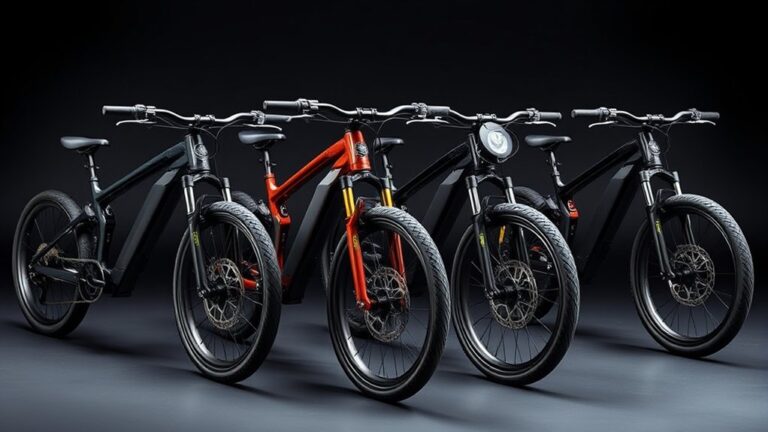
What Is an Enduro Mountain Bike and How to Choose One
Are you tired of feeling unsure on steep downhill trails or struggling to find a bike that can handle both challenging climbs and rough descents? You’re not alone—many mountain bikers want a versatile ride that keeps control and confidence high.
An enduro mountain bike might be just what you need to conquer those demanding trails with ease.
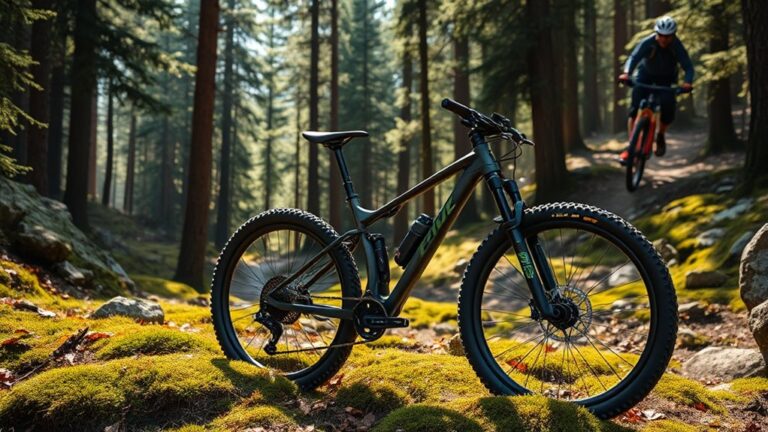
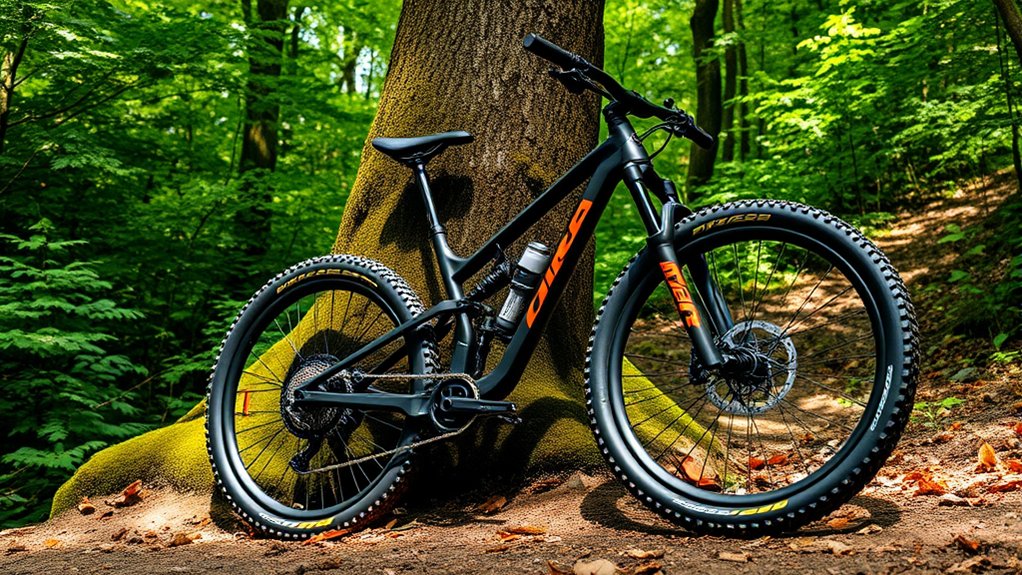
An enduro mountain bike is designed for you to tackle aggressive downhill trails and steep climbs with speed and control. It features sturdy frames, long-travel suspension, wide grippy tires, and powerful hydraulic brakes to handle rough terrain confidently.
When choosing one, focus on fit, suspension travel, brake quality, and suitable gearing, all while keeping your budget in mind.
If you want to master varied trails and make a smart purchase, there’s more to uncover about these bikes’ features and performance.
Key Takeaways
- Enduro mountain bikes are built for aggressive downhill rides and steep climbs. They strike a balance between speed, stability, and maneuverability, making them versatile on tough trails.
- These bikes usually have long travel suspension, typically between 150 to 180mm. They come with wide, grippy tires and hydraulic disc brakes to handle rough terrain.
- The geometry is slack and stable, which boosts your control and confidence. This is especially helpful on technical descents and challenging climbs.
- When choosing the right size, try out different frames to see what fits best. Pay attention to stand-over height and reach to find a comfortable, responsive fit.
- It’s also smart to budget for good quality components and regular maintenance. Don’t forget to consider the brand’s reputation for durability and high performance.
What Is an Enduro Mountain Bike and Why Choose One
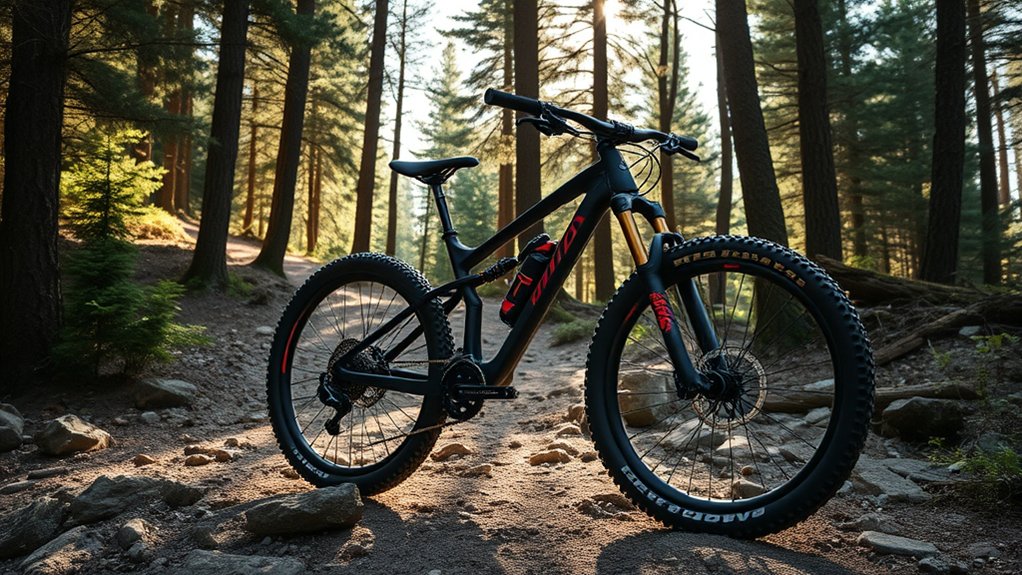
An enduro mountain bike is built to handle tough downhill sections and steep climbs, giving you the versatility to ride different types of trails with confidence.
When you go for an enduro bike, you’re choosing something that offers a good mix of speed, control, and durability. It’s perfect for long rides where you want to climb efficiently and descend aggressively.
Unlike pure downhill bikes, enduro bikes are nimble enough for technical climbs but tough enough to handle rough descents.
If you want a bike that can adapt to different trail conditions without switching setups, an enduro mountain bike is a great choice.
It’s ideal when you’re serious about pushing your limits across varied terrain.
Key Enduro Mountain Bike Features to Know
Durability and versatility are the most important features you’ll find in an enduro mountain bike. You’ll want a sturdy frame, often made from aluminum or carbon, designed to handle rough terrain and aggressive riding.
Enduro bikes prioritize durability and versatility with strong aluminum or carbon frames for tough trails.
Suspension is crucial—expect around 150-170mm of travel to absorb big hits without losing control. Wide, grippy tires are essential for traction on different surfaces.
Powerful disc brakes provide reliable stopping power in all conditions. The bike’s geometry is usually slack and stable, giving you confidence on technical trails.
Look for a bike with a dropper seat post so you can quickly adjust your saddle height on the fly. These features come together to create a bike ready for challenging enduro rides.
How Enduro Mountain Bikes Perform on Climbs and Descents
When you take an enduro mountain bike out for a ride, its design really shines on both climbs and descents. On climbs, you’ll love the bike’s efficient pedaling platform and balanced geometry, which help you keep traction and power without wasting energy.
The bike’s weight and suspension setup let you confidently handle rough uphill terrain. When descending, you’ll feel the stability and control come alive. Enduro bikes are made to absorb big hits and tricky obstacles, so you can tackle steep, rocky descents with ease.
The wide handlebars and slack head angle give you precise steering, while the suspension keeps your wheels glued to the trail. Overall, an enduro mountain bike offers the versatility to climb efficiently and descend aggressively.
Enduro Mountain Bike Frames and Suspension Explained
You’ll notice that frame materials play a big role in your bike’s weight and durability.
Suspension travel affects how your bike handles rough terrain, so it’s key to understand the differences.
Plus, the bike’s geometry directly influences your control and comfort on the trail.
Frame Materials Overview
Choosing the right frame material plays an essential role in how your enduro mountain bike performs on rough trails. Most frames come in aluminum, carbon fiber, or steel, each offering unique benefits.
Aluminum frames are lightweight, stiff, and affordable. They’re a popular choice if you want durability without breaking the bank.
Carbon fiber frames weigh less and absorb trail vibrations better, giving you a smoother ride and improved control. However, they often come with a higher price tag.
Steel frames provide excellent strength and a comfortable, compliant feel. But they’re heavier and less common in enduro bikes.
When selecting your frame, think about your riding style, budget, and terrain. The right material balances weight, strength, and comfort to help you tackle demanding trails confidently.
Suspension Travel Differences
Although frame materials influence how your bike feels, suspension travel is a bigger factor in handling rough terrain. It’s the maximum distance your fork and rear shock can compress to absorb impacts.
Enduro bikes usually have between 150mm and 180mm of travel. This range gives a good balance between climbing efficiency and descending power.
More travel helps smooth out big hits and technical descents, making you feel more confident on tough trails. But too much can make pedaling less efficient and harder.
When choosing, think about the terrain you ride most. If you frequently hit steep, rocky descents, go for higher travel. For mixed terrain with lots of climbing, slightly less travel can save energy without losing control.
Geometry and Handling
When you tackle technical trails, the geometry of your enduro bike really impacts how it handles. A slacker head angle boosts stability at high speeds and on steep descents, while a steeper seat tube angle helps you stay efficient for climbing.
The wheelbase length also matters. Longer wheelbases give you better stability, but shorter ones make tight corners easier to navigate. Frame design balances these factors to give you control and confidence.
Suspension geometry works with this by maintaining traction and absorbing impacts without messing up pedaling efficiency. When choosing your bike, think about how its geometry suits your riding style and terrain.
Getting the right combination means you’ll have precise control, smooth handling, and the ability to push your limits on tough enduro courses.
Choosing Enduro Mountain Bike Components for Your Terrain and Style
How do you pick the right enduro mountain bike components to match your terrain and riding style? Start by understanding what suits the trails you ride and how aggressive your approach is. Here’s what to focus on:
- Suspension: Choose longer travel (150-170mm) for rough terrain. If you ride smoother trails, go for shorter travel.
- Tires: Opt for wide, grippy tires for loose, rocky paths. Narrower tires work better on hardpacked trails.
- Brakes: Go for powerful hydraulic disc brakes to handle steep descents and technical sections with confidence.
- Drivetrain: Select a wide-range cassette for varied climbs and fast descents, ensuring smooth gear changes.
Budgeting Tips and Where to Buy Your Enduro Mountain Bike
You’ll want to set a clear budget before shopping to narrow down your options.
Knowing where to buy can save you money and make sure you get the right bike for your needs.
Let’s explore the best places to find quality enduro mountain bikes within your price range.
Setting Your Budget
Choosing the right budget for your enduro mountain bike can really impact your riding experience. A clear budget helps you focus on what truly matters without overspending.
Start by assessing your riding goals. Are you into casual trail rides or aiming for competitive racing? Knowing this guides your spending.
Next, research the essential features like suspension quality, frame material, and drivetrain components. These are key to getting the bike that fits your needs.
Don’t forget to factor in additional costs such as gear, maintenance, and possible upgrades. These can add up over time.
Finally, set a flexible range. Having some wiggle room allows you to take advantage of good deals or include features that are important to you.
Best Purchase Locations
Where should you look when buying your enduro mountain bike to get the best value? Start by comparing options online and at local bike shops.
Online retailers often offer competitive prices and a wide selection, while local shops provide expert advice and test rides. Don’t overlook used bikes; they can be a great deal if you inspect them carefully.
Here’s a quick guide to help you choose:
| Location | Pros | Cons |
|---|---|---|
| Online Retailers | Lower prices, variety | No test rides |
| Local Shops | Expert help, test rides | Higher prices |
| Used Market | Budget-friendly, unique finds | Risk of hidden issues |
Weigh these factors to find the spot that fits your budget and needs best.
Frequently Asked Questions
How Do I Maintain My Enduro Mountain Bike After a Ride?
After your ride, rinse off mud and dirt with a gentle spray. Dry your bike thoroughly to prevent rust.
Check the chain for grime and lubricate it so it runs smoothly. Also, inspect your tires for cuts or low pressure.
Take a look at your brakes and suspension for any wear or damage. Tighten bolts where needed and store your bike in a dry, cool place to keep it in top shape.
What Safety Gear Is Recommended for Enduro Mountain Biking?
You should wear safety gear like a helmet, gloves, knee and elbow pads, and protective eyewear. Think of it as your armor, like a knight gearing up for battle.
A full-face helmet offers extra protection on tough trails, while gloves improve grip and guard your hands.
Don’t forget a hydration pack to stay fueled. Wearing the right safety gear keeps you confident and ready to tackle any challenge enduro biking throws your way.
Can Enduro Bikes Be Used for Other Types of Mountain Biking?
Yes, you can use enduro bikes for other types of mountain biking, but keep in mind they’re designed for aggressive trails and downhill sections. They handle rough terrain well, so they work great for trail riding.
However, they might feel a bit heavy or sluggish on smoother cross-country rides. If you want versatility, you’ll need to accept some trade-offs in weight and efficiency compared to bikes made specifically for other styles.
How Do Weather Conditions Affect Enduro Bike Performance?
Weather’s wild mood swings can either make your enduro bike sing or struggle. When it’s wet, your tires grip differently, and suspension needs tweaking to handle slippery trails.
Mud can clog up your drivetrain, slowing you down, while dry, dusty conditions might reduce traction but improve speed. You’ll want to adjust tire pressure and suspension settings to match the weather.
This way, you can make sure your bike performs at its best no matter what nature throws your way.
What Are Common Injuries in Enduro Mountain Biking and Prevention Tips?
You’ll often face injuries like bruises, sprains, and fractures in enduro mountain biking.
To prevent them, always wear protective gear—helmet, gloves, knee and elbow pads.
Make sure your bike fits well and is properly maintained. Practice good riding techniques and don’t push beyond your skill level.
Warm up before rides and stay hydrated. Taking these steps helps you ride safer and enjoy your enduro adventures more confidently.
Conclusion
Now that you understand what makes an enduro mountain bike special, you’re all set to take on any trail with confidence.
Did you know enduro races can cover over 60 miles of mixed terrain in just a day?
That’s why picking the right bike—one with balanced suspension, tough components, and a frame that fits your style—is so important.
Investing wisely means you’ll enjoy smoother climbs and faster descents on every ride.
Happy riding!