How Much Does a Road Bike Cost in 8 Price Ranges
Are you feeling overwhelmed trying to find the perfect road bike without breaking the bank? You’re not alone—many people struggle with choosing the right bike at the right price. With so many options out there, it’s easy to get confused or overwhelmed by the price tags.
Road bikes vary greatly in cost depending on features and materials. You can find entry-level bikes under $500 for casual riding, while mid-range models from $500 to $1,500 offer better components and lightweight frames.
High-performance bikes range from $1,500 to $3,000 with advanced features, and premium options over $3,000 use top-tier materials and tech.
Exploring different price ranges helps you find the right bike for your riding style. There’s much more to uncover, so let’s dive into what you can expect at each price point.
Key Takeaways
- Road bike costs can be grouped into eight different ranges, starting from under $500 and going over $10,000. These prices depend on features, materials, and technology.
- Entry-level bikes usually cost between $500 and $1,000. They’re great for beginners and come with basic components. If you’re just getting started, this is a good place to begin.
- Mid-range bikes fall in the $1,000 to $3,000 range. They offer better materials and improved performance features. These bikes are perfect for riders looking to upgrade from entry-level models.
- High-end models range from $3,000 to over $10,000. They’re designed for serious cyclists and competitive racers. You’ll find advanced carbon frames, electronic shifting, and cool tech features in this category.
- Premium bikes above $3,000 often include state-of-the-art carbon frames, electronic shifting systems, and integrated technology. These bikes are built for performance and durability, catering to enthusiasts and professionals alike.
What Are Typical Road Bike Price Ranges?
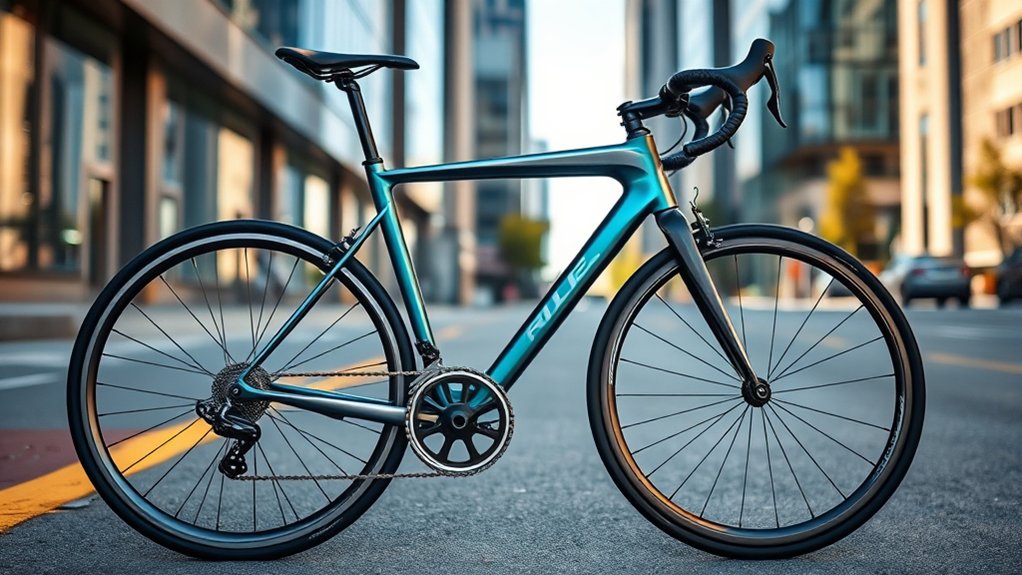
Road bikes come in a wide range of prices, so it’s helpful to know what you can expect to pay in different categories. Entry-level bikes usually cost between $500 and $1,000. They’re great for beginners and casual riders, with basic components and lightweight frames.
Mid-range bikes, priced from $1,000 to $3,000, offer better materials, improved components, and more durability. These are ideal for enthusiasts and regular riders who want a reliable, quality bike.
High-end models, ranging from $3,000 to $10,000 or more, feature premium frames, advanced technology, and top-tier parts. They’re perfect for serious cyclists or competitive racers who want the best. Knowing these ranges helps you match your budget with your riding goals so you get a bike that fits your needs without overspending.
Budget Road Bikes Under $500: What You Can Expect
While higher-end bikes tend to dominate the market with advanced features and top-quality components, budget-friendly options under $500 can still offer a solid riding experience for beginners and casual riders. These bikes typically feature lightweight frames, basic gear setups, and reliable brakes. You might not get high-performance components, but you’ll enjoy smooth riding on well-paved roads.
Keep in mind that your maintenance needs could be higher, and the bikes may have fewer customization options. Here’s what you can expect in this price range:
| Feature | Expectations |
|---|---|
| Frame Material | Aluminum or steel, lightweight enough |
| Gearing | Basic 14-21 speed, suitable for flat terrain |
| Components | Entry-level, often from brands like Shimano |
These bikes are perfect for starting out or casual rides.
Mid-Range Road Bikes ($500–$1,500): Features and Benefits
In the $500–$1,500 price range, mid-range road bikes strike a good balance between affordability and performance. They’re a great choice if you’re upgrading from an entry-level bike.
These bikes usually have lightweight frames made from aluminum or carbon fiber, which helps with speed and handling. You’ll also find better components, like Shimano or SRAM groupsets, that offer smoother shifting and last longer.
The tires tend to be narrower and more aerodynamic, making your ride more efficient. Many mid-range bikes also come with adjustable handlebars and seat posts, so you can customize your riding position for comfort.
High-Performance Road Bikes ($1,500–$3,000): Upgrades and Options
Stepping into the $1,500–$3,000 range offers big upgrades for serious cyclists wanting better performance. Here, you’ll find lightweight frames made from carbon or advanced aluminum, which boost speed and handling.
Upgraded groupsets, like Shimano Ultegra or SRAM Rival, provide smoother shifting and are more durable. Wheels are more aerodynamic and sturdy, helping reduce drag and improve efficiency.
You might also see better tires with puncture resistance and lower rolling resistance. Features like integrated brake and shift levers, improved cockpit components, and customizable fit options let you tailor the bike to your riding style.
Premium Road Bikes ($3,000+): Top Materials and Technologies
At the $3,000+ price point, premium road bikes use the latest materials and cutting-edge technologies to deliver unbeatable performance and efficiency. Frames are often made from advanced carbon fiber composites, which are strong yet lightweight and help dampen vibrations.
These bikes typically feature aerodynamic designs that cut down drag, helping you go faster. Top-tier components like electronic shifting systems and ultra-lightweight wheels boost precision and responsiveness. Integrated tech, such as power meters and aerodynamic features, let you train smarter and ride faster.
Manufacturers also use innovative manufacturing processes to ensure the right balance of stiffness and comfort. With these materials and tech, your ride becomes more efficient, comfortable, and tailored for high performance. This level of craftsmanship pushes what’s possible on a road bike and takes your riding to new heights.
How Do You Choose the Right Price Range for Your Riding Style?
To pick the right price range, think about how often and why you ride—whether it’s commuting, training, or racing.
Your skill level and experience matter too, along with how much you’re willing to spend for the long run.
Balancing these factors will help you find a bike that fits both your riding style and your budget.
Riding Frequency and Goals
Your riding frequency and goals are key factors in choosing the right price range for a road bike. If you plan to ride often or for long distances, investing in a higher-quality bike can boost comfort and performance.
Think about these points:
- Frequency of rides: Riding daily or weekly? A mid-range or better bike offers more durability and comfort.
- Distance goals: Long-distance riders benefit from lightweight frames and advanced components found in higher price ranges.
- Purpose: Recreational riders might prefer budget-friendly options, while competitive cyclists should consider premium models for better speed and efficiency.
Matching your riding habits with the right price range helps ensure you get a bike that supports your goals without overspending on features you don’t need.
Skill Level and Experience
Your skill level and experience really shape which price range is right for your riding style. If you’re just starting out, a mid-range bike is a good choice because it’s easy to handle and durable without breaking the bank.
Entry-level bikes tend to cost less but might lack advanced features and lighter components. They’re great for casual riding and learning the basics. As you get better and gain confidence, you might want to upgrade to higher-priced models with better aerodynamics, lighter frames, and more responsive parts.
Seasoned riders often focus on performance and efficiency, which justifies spending more. Think about how comfortable and confident you feel on your bike, and pick a price that matches your current skill level.
Budget and Long-Term Investment
Choosing the right price range for your road bike means balancing your current riding needs with your long-term investment goals. Think about how you plan to ride over the years to make a smart choice.
Ask yourself:
- Will I upgrade frequently or stick with one bike?
- Do I want a bike that can grow with my skills?
- How much am I willing to spend now versus later?
A higher upfront investment can mean better quality and durability, which saves you money in the long run. But if you’re just starting out or riding casually, a budget bike might fit your needs without breaking the bank.
Focus on your riding style and goals to find the perfect balance between affordability and long-term value. Making this decision helps ensure your bike remains a reliable companion for years to come.
What Factors Influence Road Bike Prices?
Your road bike’s price mainly depends on the materials used, the technology behind its components, and the brand’s reputation.
Higher-quality materials and advanced tech usually cost more. Well-known brands often carry a premium, too.
Knowing these factors helps you find a bike that fits your budget and riding needs.
Material Quality Differences
The quality of materials used in a road bike really affects its price because better components usually deliver superior performance and last longer. Premium materials are often lighter, stronger, and more resistant to wear, which justifies paying more.
Here’s what influences the cost based on material quality:
- Frame Material: Carbon fiber frames are lighter and stiffer, making them more expensive than aluminum or steel.
- Component Quality: Higher-grade metals like titanium or advanced alloys are more durable and help reduce weight.
- Finish and Coatings: High-quality paint jobs and corrosion-resistant coatings add to the cost, ensuring the bike looks good and lasts longer.
Opting for better materials means investing in durability, performance, and comfort, but it also raises the price.
Component Technology Variations
Component technology plays an essential role in determining a road bike’s price because advanced features and innovations often come with higher costs. Modern components impact performance, weight, and durability, directly influencing your bike’s price range.
High-end groupsets, for example, offer smoother shifting and better efficiency but come at a premium. Upgrading wheelsets or brakes can greatly boost speed and safety, which also raises the overall cost.
Here’s a quick comparison:
| Component Type | Entry-Level Features | Mid-Range Features | High-End Features |
|---|---|---|---|
| Groupset | Basic shifting, heavy | Reliable, lightweight | Precision, carbon components |
| Wheels | Aluminum, basic design | Aerodynamic, lightweight | Carbon fiber, race-grade |
| Brakes | Mechanical disc | Hydraulic disc | Top-tier hydraulic disc |
| Forks | Steel or aluminum | Carbon fiber, advanced damping | Full carbon, adaptive |
| Drivetrain | 8-10 speeds | 11-12 speeds | Electronic shifting |
Your choices in these components directly impact both the bike’s cost and performance.
Brand Reputation Impact
Brand reputation greatly affects road bike prices because well-known manufacturers usually charge more for their perceived quality, reliability, and prestige. When you pick a brand, you’re paying for a reputation built over years of performance and innovation.
Big brands tend to invest a lot in research, marketing, and quality control, which can increase costs.
Consider these factors:
- Brand prestige – Names like Trek or Specialized often cost more because of their proven track record.
- Perceived quality – Well-known brands are seen as more durable and made with better materials.
- Resale value – Bikes from reputable brands tend to hold their worth longer.
Your choice of brand affects the overall cost and what you get for your investment.
Tips to Get the Best Deal on Your Road Bike
To get the best deal on your road bike, it’s important to do some thorough research and compare prices from different sellers. Check out multiple online stores, local bike shops, and secondhand platforms.
Look out for sales, discounts, or seasonal promos that can help you save money. Don’t be afraid to negotiate, especially with local shops or when buying used bikes, as they often have some wiggle room on the price.
Consider opting for last year’s model or slightly older versions. They usually cost less but still offer good quality. Be sure to read reviews to make sure the bike fits your needs without paying for unnecessary extras.
Finally, be patient and wait for the right deal. Rushing into a purchase might mean overpaying or settling for a bike that isn’t quite right for you.
Frequently Asked Questions
Are Used Road Bikes a Cost-Effective Alternative to New Ones?
Yes, used road bikes are a cost-effective alternative to new ones. You can find quality used bikes at much lower prices, often just a small fraction of what you’d pay for a new bike.
By carefully inspecting and researching models, you can get reliable equipment without overspending. Plus, used bikes often come with upgrades or accessories included.
Just make sure to verify the bike’s condition and history so you can avoid costly repairs later.
How Often Should I Upgrade My Road Bike?
You should consider upgrading your road bike every 3 to 5 years, depending on how often you ride and how well you take care of it.
If you notice a lot of wear and tear, your bike’s performance starts to decline, or your riding needs change, it’s probably time for an upgrade.
Regularly check your components and keep an eye on new technology. This way, you can decide when it’s best to invest in a new bike to boost comfort and efficiency.
Do High-End Bikes Retain Their Value Over Time?
High-end bikes tend to hold their value better than lower-end models, especially if you keep them in good shape and maintain their parts.
If you decide to sell or upgrade later, you could recover a good part of your initial investment. But keep in mind, depreciation still happens, especially when newer, more advanced models come out.
Taking proper care of your bike and upgrading it at the right times can help you get the most out of its resale value.
What Maintenance Costs Should I Expect for Different Price Ranges?
Your bike’s maintenance is like tending a garden; the more expensive your bike, the more you invest in its health. Budget models might need basic tune-ups, costing around $50 to $100 annually.
High-end bikes could require $200 or more for specialized care. Regular inspections, chain replacements, and brake adjustments keep your ride smooth.
This ongoing effort reflects the commitment needed to nurture your journey and preserve your investment’s value.
How Do Brand Reputations Affect Road Bike Prices?
Brand reputations greatly influence road bike prices because well-known brands often have a reputation for quality, innovation, and durability. You’ll typically pay a premium for their trusted names, advanced technology, and better craftsmanship.
When you choose a reputable brand, you’re investing in reliability and performance, which justifies higher prices. Conversely, lesser-known brands may offer more affordable options but might not match the same standards or long-term durability.
Conclusion
Ultimately, understanding your needs and navigating through the different price ranges ensures you find the perfect road bike.
By balancing your budget, benefits, and build quality, you’ll boost your cycling enjoyment without overspending.
Whether you’re looking for an affordable beginner’s bike or a premium performance machine, knowing your purpose helps you choose the right ride.
So, stay savvy, compare specs, and look for deals. This way, you’ll set yourself up for cycling success across all eight price ranges.