How to Identify the Pointy Thing on a Road Bike Head Tube
Many road bikers find themselves confused when trying to identify key parts of their bike, especially the pointy thing on the head tube.
You’re not alone—this small detail can seem tricky at first. Understanding it can make a big difference in maintenance and safety.
You can identify the pointy thing on your road bike’s head tube as the crown race. It’s a small, tapered ring sitting where the fork’s steerer tube meets the frame, essential for smooth, stable steering.
Without it, your handlebars might feel loose or gritty.
Check near the headset assembly just below the handlebars to spot it.
Understanding its role and maintenance will help you keep your bike safe and performing well.
Key Takeaways
- The pointy thing on a road bike head tube is called the crown race or headset crown race.
- It sits at the base of the head tube where the fork’s steerer tube connects to the headset bearings.
- The crown race makes sure the fork can rotate smoothly and keeps steering steady.
- You can spot it as a small, tapered metal ring snugly fitting around the fork just below the handlebars.
- Having this part is super important for safe, precise handling.
- It also helps prevent loose or gritty steering, which can make riding less safe and less enjoyable.
What Is the Pointy Thing on a Road Bike Head Tube?
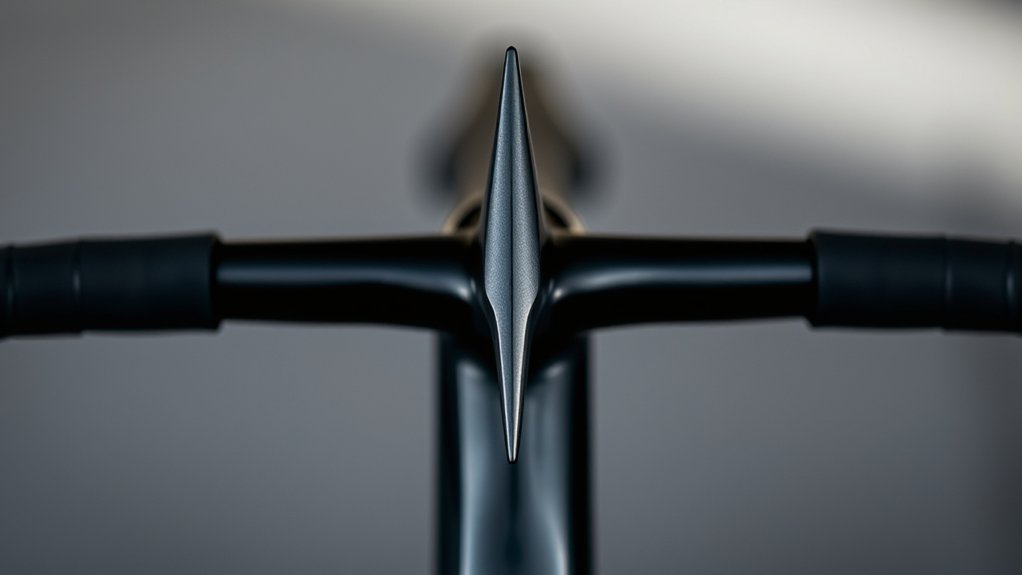
What exactly is the pointy thing on a road bike head tube? That pointy object, often called a “crown race” or headset crown race, plays an essential role in your bike’s steering system.
It fits snugly at the base of the head tube and acts as the interface between the fork’s steerer tube and the headset bearings.
This small, tapered ring helps your fork rotate smoothly within the head tube, ensuring precise and stable handling.
Without it, your steering would feel loose or gritty, making rides less enjoyable and potentially unsafe.
How to Locate the Pointy Thing on Your Road Bike
Finding the pointy thing on your road bike is easier than you might think. To locate it, start by focusing on the front section of your bike where the handlebars connect.
Here’s how to zero in on it quickly:
Look at the head tube, the vertical part of the frame just below the handlebars. Notice the small, often sleek component that sticks out or tapers near the top of the head tube.
Focus on the head tube just below the handlebars to spot the small, sleek component tapering at the top.
Check around where the fork meets the frame; the pointy thing is usually integrated here. Use your hands to gently feel for any protruding parts around the headset assembly, which houses the bearings.
The Head Tube’s Role in Supporting the Pointy Thing
Once you’ve pinpointed the pointy thing near the headset, it’s important to understand how the head tube supports it. The head tube acts as a sturdy housing for that pointy component, which is usually part of the fork steerer or headset assembly.
It keeps the pointy thing aligned and stable, so your steering feels smooth and controlled. You’ll notice the head tube is reinforced to handle stresses from turning and impacts.
This reinforcement helps distribute forces evenly throughout the bike’s frame. Without a solid head tube, that critical pointy part wouldn’t stay secure.
That could make your ride wobbly or unsafe. So, when you check your bike, remember that the head tube’s fit and durability are what keep that important part working properly.
Why This Small Bike Part Matters for Performance and Safety
The head tube plays an essential role in your bike’s performance and safety by guaranteeing precise steering and structural integrity. Without a strong head tube, handling can become unstable, especially on fast descents or tight turns. It keeps your front fork aligned and absorbs the forces you apply while riding.
Here’s why this small part matters:
- It provides a secure mount for the fork and handlebars.
- It maintains frame stiffness for efficient power transfer.
- It protects against impacts and stress from road vibrations.
- It guarantees smooth, responsive steering for better control.
Understanding the head tube’s importance helps you appreciate how it contributes to a safer, more enjoyable ride every time you hit the road.
What People Call the Pointy Thing on Your Bike’s Head Tube
Beyond its role in supporting your bike’s steering, the head tube often features a small, pointed component that many riders notice but few understand. You might hear it called by various names depending on who you ask—some refer to it as the “head tube badge,” “head tube emblem,” or simply the “badge.”
Others might call it the “head tube decal” or “head tube cap,” especially if it’s more decorative than functional. If you’re chatting with mechanics or enthusiasts, you’ll often hear it called the “head badge,” a term that captures both its location and its typical shape.
Regardless of the name, this little piece adds personality and identity to your bike. It lets you proudly display the brand or model you ride every time you hit the road.
What the Pointy Thing Is Made Of and How It’s Designed
You’ll find the pointy thing is usually made from lightweight metals or carbon fiber to keep your bike strong but nimble. Its design focuses on balancing durability with aerodynamics, so every curve and angle matters.
Understanding how it’s built and the materials used can help you spot quality at a glance.
Common Materials Used
Although it might seem like a simple part, the head tube plays an essential role in your road bike’s performance and durability. Choosing the right material for this component affects how your bike handles and how long it lasts.
Here are the most common materials used:
- Aluminum: Lightweight and affordable, offering good stiffness.
- Carbon Fiber: Extremely light and strong, absorbs vibrations well.
- Steel: Durable and provides a smooth ride but is heavier.
- Titanium: Combines lightness and strength with excellent corrosion resistance.
Each material brings unique benefits, so understanding them helps you identify the head tube and see if it matches your riding style and needs.
Structural Design Features
The material you pick for your head tube really affects its shape and design. Usually, it’s made from lightweight metals like aluminum or carbon fiber, which help create sleek, aerodynamic forms.
You’ll see that the head tube often tapers, wider at the bottom than the top. This helps improve strength where it connects to the fork. Many designs also add reinforcement features like gussets or butted tubing to handle stress without adding extra weight.
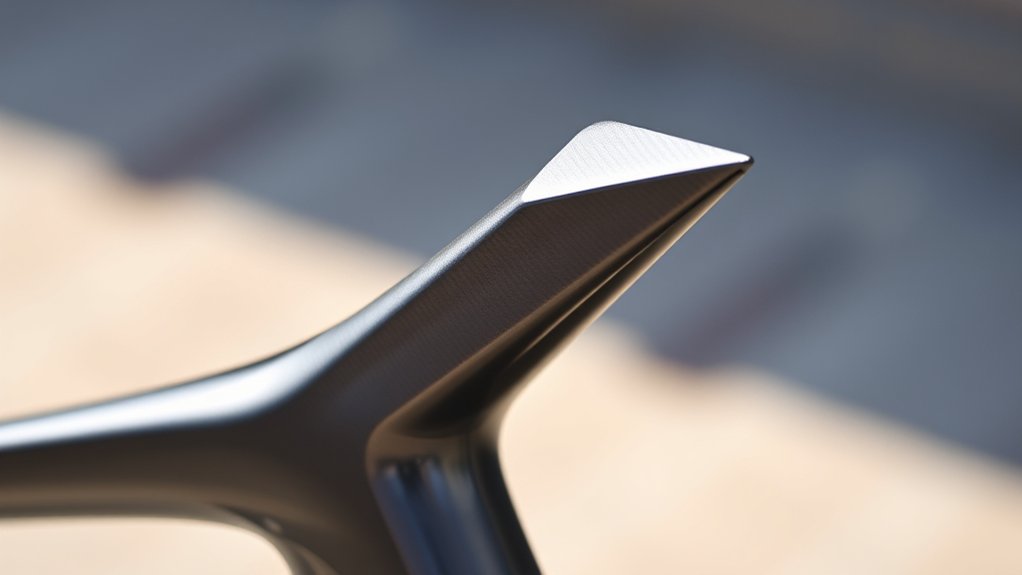
The “pointy thing” you notice is usually a chamfered or angled edge. It’s meant to streamline airflow and cut down on drag. Plus, internal routing channels might be built in to hide cables and keep the look clean.
Manufacturing Techniques Explained
When you look at the pointed part of a road bike’s head tube, you’ll notice it’s made from strong materials like aluminum alloys or carbon fiber composites. These are chosen to boost performance and keep the weight down.
Manufacturers use precise techniques to make sure this part is durable without being bulky. Here’s what you should know about its design and how it’s made:
- CNC Machining: Shapes the aluminum with exact precision so everything fits perfectly.
- Carbon Layup: Layers carbon fiber sheets, then cures them under heat and pressure to form a strong, lightweight structure.
- Hydroforming: Uses fluid pressure to mold aluminum into sleek, aerodynamic shapes that can be quite complex.
- Heat Treatment: Strengthens the metal parts, making them more resistant to fatigue over time.
Thanks to these methods, the pointed part of the head tube strikes a good balance between being lightweight, agile, and sturdy. This helps improve your bike’s handling and responsiveness.
How the Pointy Thing on Your Bike’s Head Tube Affects Setup
Because the pointy thing on your bike’s head tube, known as the steerer tube, connects your handlebars and front fork, it’s pretty important for your bike’s setup. When you adjust your stem or handlebars, you’re directly working with the steerer tube, so its length and diameter need to match your components exactly.
If the steerer tube is too long, you’ll need spacers or to cut it down. If it’s too short, you run the risk of improper fit or unsafe riding. The stiffness of the steerer tube also affects how responsive your steering feels.
A properly fitted setup ensures smooth control and comfort during your rides. Understanding how this connection works helps you make smarter choices when customizing or maintaining your bike. It makes sure everything lines up for top performance and safety.
How to Check If the Pointy Thing Is Damaged or Loose
You rely on the steerer tube to keep your handlebars and front fork securely connected, so it’s important to regularly check for any signs of damage or looseness. Start by visually inspecting the pointy thing for cracks, dents, or bends.
Next, gently wiggle the handlebars back and forth; any unusual movement could indicate looseness. Also, listen for creaking or clicking sounds when you turn the handlebars, as these noises often signal an issue.
Finally, check the headset bolts and stem clamp for tightness using the appropriate tools.
- Look for visible cracks or dents on the steerer tube
- Wiggle handlebars to detect play or movement
- Listen for unusual noises when steering
- Confirm headset bolts and stem clamp are securely tightened
Tips for Cleaning and Maintaining the Pointy Thing
You’ll want a few basic cleaning tools to keep the pointy thing in good shape. Regular maintenance steps like wiping it down and checking for rust can really extend its life.
Let’s go over how to protect it from corrosion and wear. Keeping it clean and dry is key, so make sure to wipe off any dirt or moisture after use.
Cleaning Tools Needed
Maintaining the pointy thing on your road bike requires a few essential cleaning tools that make the job easier and more effective. To keep it in top shape, you’ll want to gather the right supplies before you start. Here’s what you’ll need:
- Soft-bristle brush: Perfect for removing dirt and grime without scratching.
- Microfiber cloth: Ideal for wiping down surfaces and polishing to a shine.
- Degreaser: Helps break down stubborn grease and buildup around the area.
- Lubricant: Keeps moving parts functioning smoothly after cleaning.
With these tools ready, you’ll be set to tackle the cleaning process efficiently, preserving the performance and appearance of the pointy thing on your bike’s head tube.
Regular Maintenance Steps
Gathering the right cleaning tools sets the stage for effective care of the pointy thing on your bike’s head tube. Start by wiping it down with a damp cloth to remove surface dirt and grime. Use a soft brush or toothbrush to get into any crevices without scratching the surface.
Apply a mild bike-specific cleaner if needed, and avoid harsh chemicals that can damage the finish. After cleaning, dry the area thoroughly with a microfiber cloth to prevent moisture buildup.
Regularly check for any signs of wear, cracks, or loose fittings, tightening bolts as necessary. Keeping this part clean and well-maintained guarantees smooth steering performance and extends your bike’s lifespan.
Make these steps part of your routine to keep your pointy thing in top shape.
Protecting Against Rust
Although the head tube is built to withstand tough conditions, moisture and dirt can cause rust if you don’t take proper care. To keep the pointy part of your road bike’s head tube in good shape, you need to clean and maintain it regularly.
Here are some tips to keep rust at bay:
- Wipe down the head tube with a dry cloth after every ride, especially if the weather was wet.
- Use a mild bike-specific degreaser to remove grime without harming the metal.
- Lightly apply anti-rust lubricant or protective spray to help shield the surface.
- Store your bike in a dry place to reduce exposure to moisture and humidity.
When to Replace or Upgrade the Pointy Thing
If you notice unusual play in your handlebars or hear creaking noises around the front of your bike, it’s time to think about replacing or upgrading the head tube. These signs usually point to worn bearings or damage inside the head tube assembly.
You should also consider replacing it if you see rust, cracks, or deformation. These issues can compromise both safety and performance, so it’s better to address them early.
Upgrading makes sense when you’re after better materials like carbon or titanium for lighter weight and increased durability. Plus, modern head tubes might be compatible with newer fork standards or integrated headset systems, which can improve handling.
Don’t wait for everything to break completely. Fixing problems early can prevent further damage and keep your ride smooth and safe. Keep an eye on your bike’s front end to know when it’s time for an upgrade.
How Understanding This Part Can Improve Your Ride Comfort and Control
Mastering the role of the head tube can really change how your bike handles and feels on every ride. When you understand this part, you can boost both comfort and control with ease.
The head tube connects key components, so knowing what it does helps you improve steering precision by keeping everything aligned. It also helps reduce vibrations through better headset adjustments.
Plus, understanding the head tube lets you customize your riding position by choosing the right frame geometry. Finally, ensuring your head tube is tight and responsive increases stability on different terrains.
Frequently Asked Questions
Can the Pointy Thing on a Head Tube Be Customized With Decals?
Yes, you can customize the pointy thing on your head tube with decals. Many riders add stickers or vinyl wraps to give their bike a personal touch and make it stand out.
Just make sure the decals are weather-resistant and won’t damage the paint. It’s a good idea to clean the surface first for better adhesion.
Customizing it is a great way to express your style while keeping your bike unique and easy to recognize.
Does the Pointy Thing Affect the Bike’s Aerodynamic Performance?
You might be surprised to know that cutting just 1 watt of drag can save you about 3 seconds over a 1-kilometer sprint. The pointy thing on your bike’s head tube does affect aerodynamics. It helps smooth airflow, reducing drag slightly.
While it’s not a game-changer on its own, every bit counts when you’re chasing speed. So yes, it plays a subtle but real role in improving your bike’s performance on the road.
Are There Any Common Tools Required for Adjusting the Pointy Thing?
Yes, you’ll typically need an Allen wrench (hex key) set to adjust that pointy thing, often called the headset or stem cap. Sometimes a torque wrench helps to avoid over-tightening.
If there’s a star nut inside the head tube, a star nut setter tool might be necessary for installation or adjustment.
Having a bike stand handy also makes the process easier, letting you work comfortably and safely on your bike.
How Does Weather Impact the Durability of the Pointy Thing?
Weather can seriously impact how long that pointy thing on your bike’s head tube lasts. Rain and humidity can cause rust or corrosion if it’s made of metal and isn’t sealed well.
Extreme heat or cold can lead to material fatigue or cracking, especially if it’s plastic or composite. To keep it in good shape longer, make sure to clean and lubricate it regularly.
Whenever you can, store your bike indoors or under cover to protect it from the elements. Taking these simple steps can really extend the life of that pointy part.
Is the Pointy Thing Compatible With All Types of Road Bike Frames?
Think of the pointy thing like a puzzle piece—it doesn’t fit every frame. You’ll find it’s mostly compatible with standard road bike head tubes, but some modern frames with integrated or tapered designs might not work.
When I swapped bikes, my old pointy thing wouldn’t fit the new frame’s wider head tube. That shows compatibility isn’t universal. Always double-check your frame specs before assuming it’ll work seamlessly.
Conclusion
Now that you know the pointy thing on your road bike’s head tube isn’t just a quirky detail but an essential piece, you’ll see it as the unsung hero of your ride. It might look small, but it plays a big role in your bike’s performance.
Like a silent guardian, it keeps your steering smooth and safe. Without it, steering could feel off or even unsafe, so it’s worth paying attention to.
So, don’t overlook it. Check, clean, and care for it regularly. Small parts like the pointy thing on your head tube often hold the biggest power to transform your cycling experience.