8 Key Factors Affecting How Much Road Bike Tires Cost
Looking to upgrade your road bike tires but feeling overwhelmed by the costs? You’re not alone—many cyclists struggle to understand what influences tire prices and how to get the best bang for their buck. Knowing what factors affect the cost can help you make smarter choices and find tires that match your riding needs without breaking the bank.
Your road bike tire costs are influenced by several factors. Higher-quality rubber and advanced materials boost prices but improve performance and durability.
Brand reputation, tire size, and width also considerably impact costs, as larger or wider tires use more material.
Technological features like tubeless systems and puncture resistance add to the price, while the choice between tubeless and inner tubes affects maintenance costs.
Finally, your retailer’s location and reputation can change the final price. Keep exploring to learn more about these essential factors.
Key Takeaways
- Material quality and advanced rubber compounds play a big role in how durable, grippy, and expensive a tire is.
- The size, width, and tech features like tubeless systems also impact how complex it is to produce the tire and, ultimately, its price.
- Well-known brands often charge more because of their reputation and pricing strategies.
- Costs can vary depending on where you shop, whether it’s a local store or an online retailer, and if there are any discounts or seasonal sales going on.
- Maintenance choices, such as choosing tubeless setups over inner tubes, can also affect your long-term expenses.
How Material Quality Affects Road Bike Tire Prices
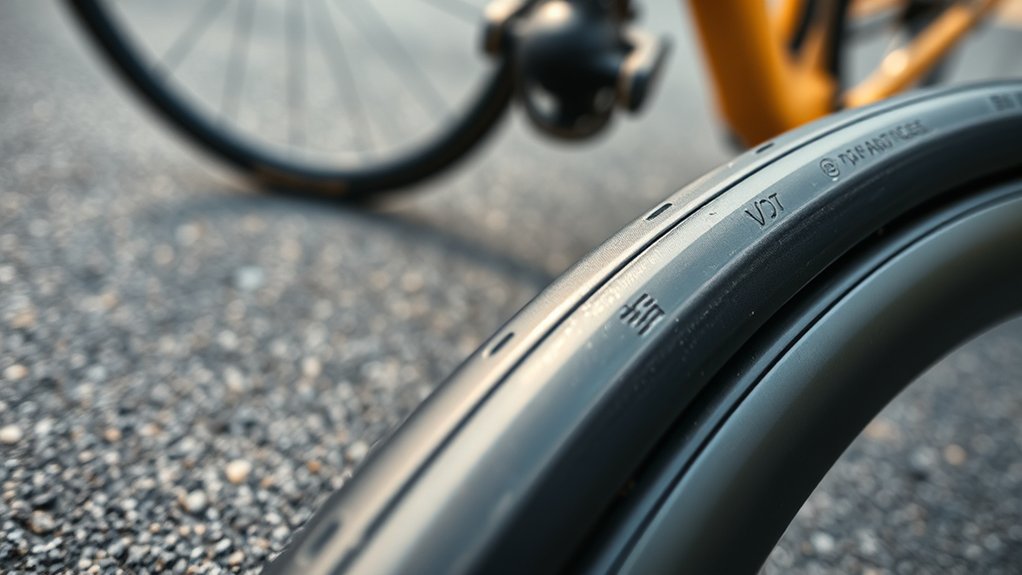
The quality of materials used in road bike tires directly impacts their price, as higher-grade components typically offer better performance and durability. When you choose tires with high-quality rubber, you’ll notice improved grip, reduced rolling resistance, and a longer lifespan.
Premium materials like supple rubber compounds boost ride comfort and provide better puncture resistance, which can save you money over time. Lower-grade materials tend to wear quickly and may compromise safety.
The type of internal casing also matters; lightweight, high-tensile fibers increase durability without adding weight. While these materials often cost more upfront, they often deliver better performance, longer-lasting tires, and increased safety. This makes them a worthwhile investment for serious cyclists.
The Role of Brand Reputation in Tire Costs
Brand reputation really impacts the cost of road bike tires because well-known companies often spend more on research, quality control, and innovation. When you buy from a trusted brand, you’re paying for reliability and proven performance.
Top brands usually charge higher prices because of their reputation for durability and quality, which riders appreciate. This reputation is built over years of consistent performance and happy customers.
| Brand Reputation | Tire Cost Impact |
|---|---|
| Well-established | Higher prices |
| New or lesser-known | Lower prices |
| Known for innovation | Premium pricing |
| Reputation risk | Potential discounts |
Understanding this can help you decide whether to go for a prestigious brand or look for more affordable options without sacrificing quality.
How Tire Size and Width Influence Price Differences
Larger tire sizes usually cost more because they need more material and special manufacturing processes.
Width also affects the price, with wider tires often being more expensive due to higher demand and compatibility issues.
These choices in size and width not only influence your budget but also impact your bike’s overall performance.
Larger Sizes, Higher Costs
As tire sizes increase, so do their costs. This is mainly because larger tires need more materials and advanced manufacturing processes.
Bigger tires require thicker rubber, stronger sidewalls, and more precise construction, which all raise production costs.
Here’s how size impacts price: More rubber material adds to raw material expenses. Increased weight demands stronger, sometimes specialized, components.
Manufacturing larger tires involves complex machinery adjustments. Plus, larger sizes often need extra testing for durability and safety.
All these factors contribute to higher retail prices for bigger tires. The size alone can greatly influence cost, making larger tires a more substantial investment.
Keep in mind, size isn’t just about fit—it directly impacts what you’ll pay.
Width Affects Price
The width of a road bike tire plays a big role in its cost, often more than you might think. Narrower tires are usually cheaper because they’re simpler to make and use less material.
Wider tires tend to cost more because they need more material and often require specialized manufacturing. The price difference can vary depending on the brand and quality.
| Tire Width | Typical Price Range |
|---|---|
| 23mm – 25mm | $30 – $70 |
| 28mm – 32mm | $40 – $80 |
| 33mm – 40mm | $50 – $100 |
| Over 40mm | $70 and up |
Knowing how width influences price helps you pick the right tire for your budget and riding style.
Compatibility and Price Impact
Choosing the right tire size and width directly affects compatibility with your bike and riding needs, which in turn influences the cost. When selecting tires, consider these factors:
- Wheel Compatibility: Larger or non-standard sizes require specific rims, often increasing the price.
- Intended Use: Wider tires for gravel or touring bikes tend to cost more than narrow racing tires.
- Availability: Common sizes are cheaper and easier to find; rare sizes may carry a premium.
- Tubeless Compatibility: Tubeless-ready tires usually cost more but offer better sealing, impacting overall expense.
Matching your tire size and width to your bike guarantees peak performance and safety, but it also shapes your budget. Proper compatibility helps avoid costly replacements or modifications later on.
Key Technological Features Driving Up Tire Prices
Innovations in tire technology greatly contribute to rising costs, as manufacturers incorporate advanced features to improve performance and durability. You’ll notice more lightweight materials, like carbon composites, which reduce weight without sacrificing strength.
Tubeless technology, which minimizes flats and improves ride quality, also adds to costs due to complex manufacturing processes. High-tech rubber compounds boost grip and longevity, but they’re more expensive to produce.
Reinforced sidewalls and puncture-resistant layers further increase production costs, offering better protection but raising the price tag. Electronic sensors and smart tire systems, which monitor pressure and wear in real-time, are becoming common, and these innovations considerably drive up prices.
How Tread Pattern and Design Impact Cost
Tread pattern and design are key factors in determining the cost of road bike tires. More intricate and specialized patterns require advanced manufacturing techniques.
If you go for a tire with a complex tread, you’re paying for precision engineering and higher-quality molds. For example:
- Smooth tires with minimal tread are cheaper and great for racing and speed.
- Grooved patterns improve grip but increase production complexity and cost.
- Multi-directional designs for versatile performance need more detailed manufacturing.
- Specialized tread patterns for specific terrains or conditions can significantly raise costs due to custom molds and materials.
The more detailed and tailored the pattern, the higher the manufacturing expense. This directly impacts the retail price you pay.
The Cost Implications of Tubeless and Inner Tube Options
Choosing between tubeless and inner tube setups impacts your bike’s overall costs.
Tubeless systems usually need a bigger upfront investment but can save you money on repairs later on. Inner tubes are cheaper to buy at first but might need more replacements over time.
Plus, the costs for maintenance and repairs differ, which can affect your long-term budget.
Tubeless Setup Expenses
Switching to a tubeless setup can really change your bike’s tire expenses. It might cost more upfront, but it can save you money over time by reducing flats and eliminating the need for inner tubes.
Tubeless tires usually run $50 to $100 each, which is more than standard tires. Sealant adds about $10 to $20 a year but helps extend the life of your tires.
Rim tape and valves are one-time costs, around $10 to $15 each. You might also need setup tools like a compressor or a pump if you don’t already have them.
Even though the initial cost is higher, fewer flats and less reliance on inner tubes can save you money in the long run.
Inner Tube Replacement Costs
Inner tube replacement costs can really add up and impact your overall bike maintenance budget. This is especially true depending on whether you ride with traditional inner tubes or a tubeless setup.
Inner tubes are usually pretty cheap, typically costing between $5 and $15 each. But if you need to replace them often, those costs can add up quickly.
Tubeless setups tend to save you money over time because they don’t need inner tubes as often. However, the initial setup costs are higher.
Here’s a quick comparison:
| Feature | Inner Tube | Tubeless Setup |
|---|---|---|
| Cost per tube | $5 – $15 | N/A |
| Replacement frequency | Every few months | Rarely needed |
| Long-term cost | Higher with frequent replacements | Potentially lower overall |
Choosing between them will impact your ongoing expenses, so understanding these costs is pretty important.
Maintenance and Repair Prices
While inner tube replacements tend to be straightforward and inexpensive, maintenance and repair costs can vary a lot depending on whether you choose a tubeless setup or traditional inner tubes.
Tubeless tires often need special sealants and occasional re-sealing, which can add to your expenses. On the other hand, inner tubes are easier to swap out but may require frequent patching or replacement after punctures.
Here’s what influences repair costs:
- Sealant replacement for tubeless tires, usually every 3–6 months.
- Patching or replacing inner tubes after punctures.
- Specialized tools needed for tubeless setups.
- Professional repairs tend to be more expensive for tubeless tires because of their complexity.
Why Durability and Puncture Resistance Affect Tire Prices
Durability and puncture resistance are key factors that directly influence the price of road bike tires because higher-quality materials and construction methods often cost more. Tires built with tougher rubber compounds or reinforced sidewalls typically last longer and resist flats better, but they require more expensive raw materials and manufacturing processes.
These improvements reduce the need for frequent replacements and repairs, offering long-term savings. Advanced puncture-resistant layers, such as Kevlar or similar materials, add to production costs but greatly enhance reliability.
As a result, tires with superior durability and puncture resistance usually come at a higher initial price. Investing in these tires can be more economical over time, especially if you ride frequently or in challenging conditions.
How Retailer Choice and Purchase Location Change Tire Prices
Where you decide to buy your road bike tires can really affect the price, as different shops have their own pricing strategies and costs.
For example, specialty bike shops often charge more because they offer personalized service and expert advice.
Big-box stores might be cheaper since they sell a lot and have lower profit margins.
Online retailers usually have the best deals thanks to lower overhead costs.
Local bike co-ops or secondhand shops can save you money, but they might have fewer options or older stock.
Where you buy also impacts the selection and support you get. Shopping around helps you find the best deal for your budget and needs.
Frequently Asked Questions
Do Seasonal Sales Affect the Price of Road Bike Tires?
Yes, seasonal sales can lower the price of road bike tires. You might find discounts during off-peak times or holiday sales, making it a good opportunity to buy.
During these sales, retailers often clear stock or want to attract customers, so you could get high-quality tires at a reduced price. Keep an eye on deals, and you’ll likely save money while upgrading your bike gear.
How Do Import Tariffs Impact Tire Costs Internationally?
Import tariffs directly impact tire costs internationally by increasing the price of tires brought into a country. When tariffs are high, manufacturers and retailers often pass these costs onto you, making tires more expensive.
Conversely, lower tariffs reduce import costs, which can help lower prices. Your cost is influenced by these tariffs, especially if you buy from countries with high import taxes, which can greatly raise the final price you pay.
Are There Significant Price Differences Between Online and Local Stores?
Yes, there are often noticeable price differences between online and local stores. Online shops tend to have lower prices because they have fewer overhead costs and can source tires more efficiently.
Local stores might charge more because of rent, staff wages, and in-person service. If you’re comfortable shopping online, you can save money. But visiting a local store means you get immediate help and can see the tires firsthand.
Do Bulk Purchases Lower the Overall Cost of Tires?
Buying tires in bulk is like filling a toolbox—you save more as you add more tools. When you purchase multiple tires at once, you usually get a lower price per tire, which helps cut your overall costs.
Retailers often offer discounts for bulk orders, so it can be a smart move if you need several tires. Just make sure you’re buying the right sizes and types to get the most savings and avoid wasting money.
How Does Certification or Eco-Labeling Influence Tire Pricing?
Certification and eco-labeling can raise tire prices because they often require manufacturers to meet higher environmental or safety standards.
When you pick tires with these labels, you’re paying for verified sustainability or safety features, which can increase production costs. These costs are then reflected in the final price.
But these labels also give you confidence that you’re getting a product that meets specific quality or environmental criteria, offering extra value.
Conclusion
Ultimately, the price of your road bike tires reflects more than just material costs; it mirrors the balance between performance, durability, and innovation.
While some believe expensive tires guarantee better quality, the truth is, understanding your riding style and needs helps you choose wisely.
Investing in the right tires for your ride isn’t just about cost. It’s about optimizing your experience. Sometimes, spending less on the wrong gear costs you more in the long run.
When choosing tires, consider how they match your riding conditions and goals. The key is finding the right balance, especially when factoring in the main keyword—road bike tires.