
What Is a Cross Country Mountain Bike?
Many mountain biking enthusiasts know the struggle of finding a bike that’s fast, nimble, and capable on all kinds of trails. If you’ve ever felt limited by a bike that’s too heavy or not responsive enough, you’re not alone.
Luckily, cross country mountain bikes are designed to tackle these challenges head-on.
A cross country mountain bike is built for speed, agility, and endurance on varied terrain. You’ll find it lightweight with a balanced suspension that smooths bumps without sacrificing pedaling power, making climbs and tight trails easier.
Its frame geometry offers stability and nimbleness, so you can ride longer with less fatigue. If you want to investigate how it compares to other bikes and find the right fit, there’s plenty more to uncover about what makes XC bikes stand out.
Key Takeaways
- Cross country (XC) mountain bikes are lightweight and built for speed and efficiency on different types of terrain. They’re perfect for endurance rides and long-distance adventures.
- These bikes have balanced suspension that absorbs bumps without losing pedaling power. This makes them more agile and helps you keep your momentum.
- The frames are made from materials like carbon fiber or aluminum, which provide strength and easy handling on tight trails.
- XC bikes focus on climbing ability and quick acceleration rather than heavy, full-suspension setups. They’re designed to get you up hills fast and keep you moving.
- The components are optimized for efficiency, with lightweight wheels, smooth drivetrains, and tubeless tires. All these features make for a faster, more responsive ride.
What Is a Cross Country Mountain Bike and Why Choose One?
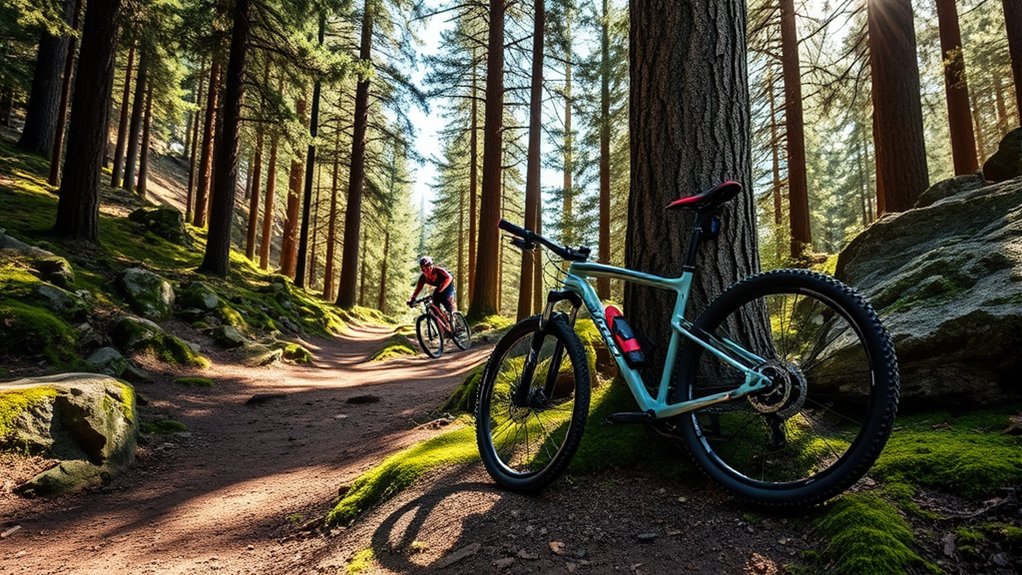
A cross country mountain bike is built for riders who want to handle varied terrain with speed and efficiency. It’s a lightweight, agile bike designed for endurance and quick climbs.
You’ll love how it handles on trails, making tight turns and uneven paths easier to navigate with confidence. These bikes usually have a balanced suspension system that smooths out bumps without sacrificing pedaling power.
If you’re into covering long distances or racing, a cross country bike helps you stay energized and keep up your momentum. It’s easier to accelerate and maintain higher speeds compared to other mountain bikes.
All in all, this bike is perfect if you want a versatile ride that combines performance and comfort on different off-road routes.
Differences Between Cross Country and Other Mountain Bikes
While all mountain bikes are designed for off-road riding, cross country bikes focus on speed and efficiency, setting them apart from trail, all-mountain, and downhill models. You’ll notice XC bikes are lighter, helping you climb hills and accelerate faster.
Trail bikes offer more suspension travel, giving you better control on rougher terrain but at the cost of extra weight. All-mountain bikes balance climbing ability and descending power, making them versatile but less specialized.
Downhill bikes prioritize stability and shock absorption for steep, fast descents, so they’re heavier and slower on climbs. When you pick a cross country bike, you’re choosing agility and endurance over brute force or extreme terrain handling, making it ideal if you want to cover long distances with less fatigue.
Top Features That Make XC Bikes Unique
You’ll notice XC bikes stand out with their lightweight frame design, making climbs and long rides easier. They also come equipped with an efficient suspension system that balances comfort and speed.
Let’s explore how these features give you an edge on the trails.
Lightweight Frame Design
Because every ounce counts during long rides and steep climbs, XC bikes focus on lightweight frame design to boost your speed and agility. Manufacturers often use materials like carbon fiber or high-grade aluminum to keep the frame light without sacrificing strength.
This design helps you accelerate faster and handle technical terrain more easily. The frame’s geometry also balances stability and nimbleness, so you can maneuver tight trails confidently.
A lighter frame means less fatigue over extended rides, letting you maintain a steady pace. When you choose an XC bike, you’re getting a machine built to help you climb efficiently and descend smoothly, improving your overall trail performance.
Efficient Suspension System
Though lightweight frames get you up the hill, an efficient suspension system keeps you in control on rough terrain. Cross country mountain bikes use suspension designed to absorb shocks without wasting your pedaling energy.
You’ll find front suspension forks with around 80-120mm of travel, enough to smooth out bumps while staying responsive. Many XC bikes also have rear suspension optimized for minimal bobbing during climbs and sprints, so you don’t lose momentum.
This balance helps you stay fast and efficient, whether you’re tackling roots, rocks, or technical descents. When you choose an XC bike, you’re getting a suspension system tuned to improve both comfort and performance, letting you push harder without losing control.
Frame Materials and Geometry for Cross Country Bikes
When choosing a cross country bike, the frame material really impacts weight and durability. You want something lightweight but sturdy enough to handle rough trails.
You’ll also want to think about how the bike’s geometry influences handling and speed on different terrains. A well-designed frame can make a big difference in how comfortable and efficient you feel.
Getting a good grip on these factors will help you find a bike that matches your riding style perfectly.
Common Frame Materials
Choosing the right frame material is key to how your cross country mountain bike handles on different terrains. Each material has its own perks that influence weight, durability, and how the bike feels when you ride.
Here are the four common frame materials you’ll come across:
- Aluminum is lightweight and affordable. It’s stiff and responsive but can feel a bit rougher on bumpy trails.
- Carbon Fiber is super light and strong. Carbon frames soak up vibrations well, making your ride more comfortable and faster.
- Steel is known for being durable and offering a smooth ride. It’s heavier but great if toughness is more important than weight.
- Titanium combines lightness, strength, and comfort but tends to be pricier.
Understanding these options helps you pick a frame that fits your riding style and budget.
Geometry Impact on Performance
Since frame materials affect weight and stiffness, they directly influence the geometry choices manufacturers make for cross country bikes. When you pick a lightweight carbon frame, designers can create a more aggressive geometry with a steeper head angle for quicker handling and efficient climbing.
Conversely, aluminum frames might have slightly relaxed angles to balance durability and control. Geometry impacts your riding position, stability, and responsiveness—key factors for racing and long rides.
A longer top tube stretches you out for better power transfer, while a shorter chainstay improves maneuverability. As you ride varied terrain, the frame’s geometry helps you maintain speed and control without extra effort.
Understanding how materials and geometry work together guarantees you choose a bike that fits your style and maximizes performance.
How Suspension Types Affect XC Performance
Although cross country mountain biking demands efficiency and speed, the type of suspension your bike uses can dramatically influence your performance on different terrains. Picking the right suspension helps you handle climbs, descents, and tricky sections with better control and less tiredness.
Choosing the right suspension enhances control and reduces fatigue across varied cross country terrains.
Here’s how suspension types affect XC riding:
- Hardtail (front suspension only): Lightweight and efficient, great for faster climbs and smoother pedaling on less technical trails.
- Full suspension: Offers better control and comfort on rough, technical terrain but tends to add weight.
- Travel length: Shorter travel improves pedaling efficiency, while longer travel absorbs bigger impacts.
- Lockout feature: Lets you temporarily disable suspension for maximum power transfer on smooth surfaces.
Knowing these details helps you pick the right suspension for your riding style and the trail conditions.
How Tire Choice Impacts Cross Country Riding
Anyone who rides cross country mountain bikes knows that tire choice can make or break your ride. Your tires affect grip, speed, and control on different terrains.
Narrow tires, around 1.9 to 2.1 inches, reduce rolling resistance and help you stay fast on hardpack trails. Wider tires, about 2.2 to 2.4 inches, give better traction and comfort on loose or rocky paths.
Tread pattern also matters. Low-profile treads roll faster, while aggressive knobs grip better in mud and on roots.
| Tire Width (inches) | Ideal Terrain | Traction Level |
|---|---|---|
| 1.9-2.1 | Hardpack, smooth | Moderate |
| 2.2-2.3 | Mixed trails | Balanced |
| 2.3-2.4 | Loose, rocky | High |
| 1.9-2.1 | Dry, fast trails | Low |
| 2.2-2.4 | Wet, technical | Very High |
Pick tires that match your trail conditions to get the most out of your cross-country ride.
Components That Boost XC Bike Speed and Efficiency
When you upgrade key components on your cross country bike, you can significantly boost both speed and efficiency on the trail. Focusing on specific parts helps you get the most out of your ride without adding unnecessary weight or drag.
Here are four components to focus on:
- Lightweight Wheelset – Lighter wheels cut down rotational mass, making acceleration easier and climbs quicker.
- Efficient Drivetrain – A smooth, precise drivetrain ensures you transfer power effectively with minimal loss.
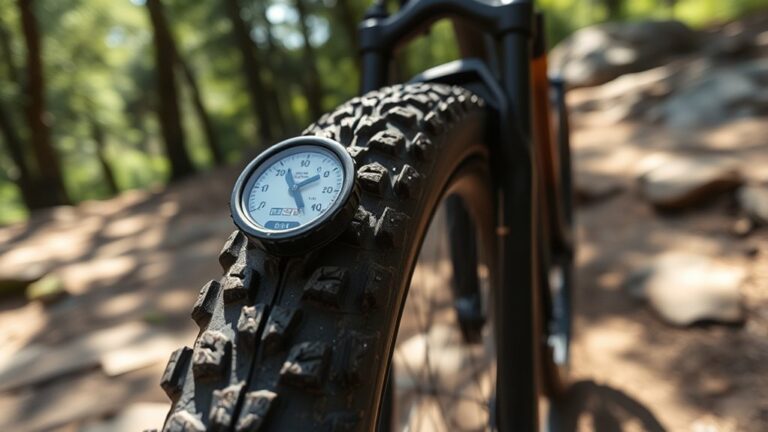
- Tubeless Tires – They lower rolling resistance and let you run lower pressures for better grip and speed.
- Suspension Setup – Optimizing fork and shock settings reduces energy loss and keeps your momentum over rough terrain.
Upgrading these parts helps you ride faster and longer, making every pedal stroke count.
How to Choose the Right Size and Fit for Your XC Bike
How do you know if an XC bike fits you perfectly? Start by checking the frame size—your height and inseam length guide this choice. When you stand over the bike, there should be about 1-2 inches of clearance between you and the top tube.
Next, adjust the saddle height so your leg extends nearly fully at the bottom of the pedal stroke without locking your knee. Reach matters too; your arms should have a slight bend when holding the handlebars, avoiding overstretching or cramped posture.
Don’t forget handlebar width. It should roughly match your shoulder width for better control. Finally, take the bike for a test ride to verify comfort and responsiveness.
A proper fit boosts your efficiency and helps prevent fatigue or injury on long rides.
Who Should Ride an XC Mountain Bike?
Finding the right fit for your XC bike sets the foundation for a great ride, but figuring out if it matches your style and goals comes next. You should consider riding an XC mountain bike if you:
- Love fast-paced riding on different terrains, including climbs and technical descents.
- Want a lightweight bike that’s efficient for long rides and races.
- Are looking to boost your endurance and improve your bike handling skills.
- Need a versatile bike for cross-country trails, singletrack, and even some gravel paths.
If you enjoy pushing your limits on trails that demand speed and agility rather than heavy downhill features, an XC bike is probably your best choice. It’s designed to keep you moving efficiently while tackling a variety of natural trail challenges.
Maintenance Tips to Keep Your Cross Country Bike Riding Smooth
Keeping your cross country bike in top shape requires regular care and attention. Start by cleaning your bike after every ride to remove dirt and debris that can cause wear. Check your chain regularly and lubricate it to ensure smooth shifting and prevent rust.
Regular cleaning and chain care keep your cross country bike performing smoothly and rust-free.
Inspect your tires for cuts and maintain proper air pressure to avoid flats and improve control. Don’t forget to examine your brakes; adjust and replace pads as needed to keep stopping power reliable.
Regularly tighten bolts and inspect the suspension for leaks or damage to maintain performance. Finally, schedule professional tune-ups at least once a year to catch issues early.
Following these tips will keep your cross country bike riding smooth and ready for every trail.
Frequently Asked Questions
Can Cross Country Bikes Be Used for Downhill Trails?
You can use cross country bikes on downhill trails, but they’re not the best choice. These bikes are made for speed and efficiency on smoother, less technical terrain.
They might have trouble handling rough descents. You’ll probably feel less control and comfort compared to a downhill-specific bike, which has more suspension and durability.
If you’re planning to do serious downhill runs, it’s better to use a bike built for that. It’ll keep you safer and make the ride more enjoyable.
What Accessories Are Essential for XC Mountain Biking?
You’ll want a helmet, gloves, and padded shorts for comfort and safety. A hydration pack keeps you fueled on long rides, so you don’t get dehydrated.
A multi-tool and spare tube prepare you for mechanical issues. Sunglasses protect your eyes from dirt and branches, making your ride safer and more comfortable.
Consider clipless pedals for better control and a GPS or bike computer to track your performance. These essentials help you ride confidently and enjoy every cross-country trail.
How Do Weather Conditions Affect Cross Country Biking?
Weather conditions shape your ride like a painter’s brush on a canvas. Rain turns trails into slippery ribbons, so you’ll need to be extra careful and use grippy tires.
Heat can drain your energy fast, so staying hydrated and pacing yourself is key. Wind might push against you like a stubborn opponent, slowing your progress.
Embracing these changes means adjusting your gear and mindset. Turning challenges into exciting parts of your cross-country adventure makes the ride even more rewarding.
Are Electric Cross Country Mountain Bikes Available?
Yes, electric cross country mountain bikes are available and becoming more popular. They give you a boost on climbs and longer rides without sacrificing agility on trails.
You’ll find models with lightweight motors and batteries designed specifically for cross country terrain. This means you can tackle tough routes with less fatigue.
If you want extra power while keeping your ride fast and fun, an e-cross country bike might be just right for you.
What Are Common Beginner Mistakes in XC Mountain Biking?
You’ll often make beginner mistakes like gripping the handlebars too tightly, which tires your arms fast.
You might also lean back too much on climbs or forget to look ahead, causing poor line choices.
Not shifting gears properly can leave you struggling on varied terrain.
Remember to keep a balanced body position, stay relaxed, and practice smooth gear changes.
These habits will help you ride more efficiently and enjoyably.
Conclusion
Now that you know what makes a cross country mountain bike stand out, imagine the trails you could conquer with one.
Will you choose the speed, efficiency, and agility that XC bikes offer? Or will you stick with your usual ride?
The decision is yours, but once you experience the thrill of a perfectly tuned XC bike, you might never look back.
Ready to take your adventure to the next level with a cross country mountain bike?