How to Choose an In-Wheel Electric Bike
Many people struggle with finding the right in-wheel electric bike that fits their needs and lifestyle. With so many options out there, it’s easy to feel overwhelmed or unsure where to start. You’re not alone—choosing the perfect e-bike can seem tricky, but a few simple tips can help you make a confident decision.
To choose an in-wheel electric bike, start by considering your typical riding terrain and how much power you need—more wattage for hills or off-road, less for flat surfaces.
Check the battery capacity for your desired range, and make sure the motor’s speed and weight suit your comfort and handling.
Look for safety features and compatibility with accessories, and compare models to find the best balance of performance and price.
If you keep exploring, you’ll uncover more tips to find the perfect match.
Key Takeaways
- Assess motor power based on the terrain you’ll ride on and your specific needs. Try to find a good balance between wattage, handling, and the bike’s weight.
- Look at the battery capacity and range to make sure they match your usual trips. This way, you’ll have enough juice for your rides and won’t need to worry about frequent replacements.
- Pick a frame design that feels comfortable to you and is built to last. Also, consider whether it’s compatible with accessories or future upgrades you might want.
- Check out safety features, assistance levels, and connectivity options. These can really make your riding experience more convenient and enjoyable.
- Finally, compare different models in terms of performance, features, and price. This will help you find the best fit for your riding style and budget.
What Are In-Wheel Electric Bikes and How Do They Work?
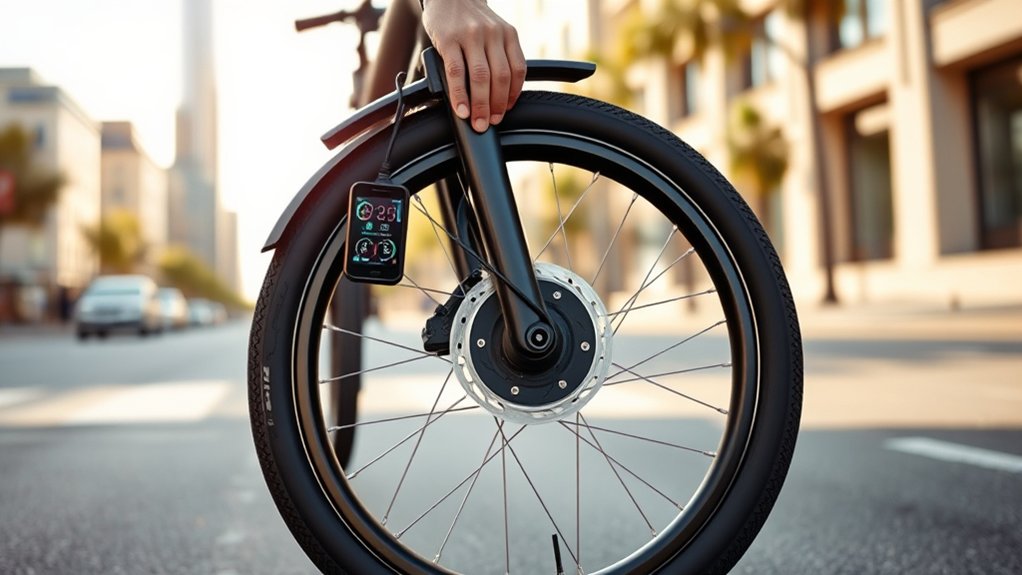
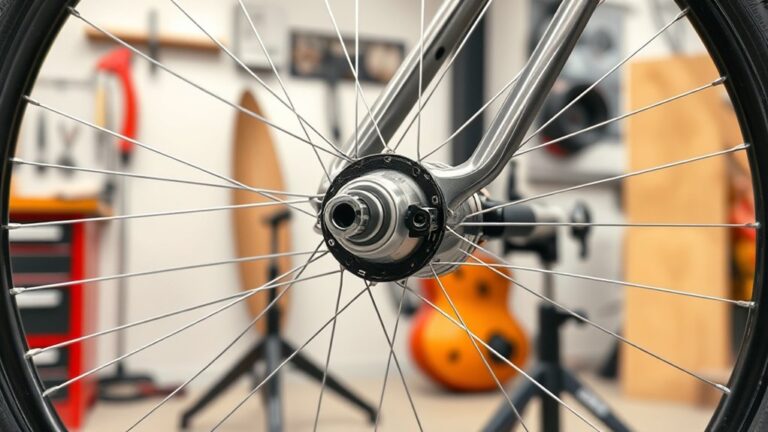
In-wheel electric bikes are a modern take on traditional bikes, with motors built directly into the wheels. The motor is housed in the hub of either the front or rear wheel, providing power right where it’s needed.
When you pedal, sensors pick up your effort and activate the motor to help make riding easier. You can control the motor’s assistance level using a display on the handlebar or a smartphone app.
Since the motor is inside the wheel, the bike stays sleek and lightweight, with fewer parts like chains or gears. This design offers smooth acceleration and deceleration, making your ride more responsive.
Key Factors to Consider When Choosing an In-Wheel E-Bike
When choosing an in-wheel e-bike, you need to think about motor power and range to make sure it meets your riding needs.
Battery capacity and life are also important for longer trips, so consider how often you’ll need to recharge.
Finally, look at the frame design and comfort to find a bike that feels right and supports your riding style.
Motor Power and Range
Choosing the right motor power and range is key to making sure your e-bike fits your riding needs. Motor power determines how much help you’ll get and how well the bike handles hills or heavy loads. Range shows how far you can go on a single charge.
Think about your usual riding terrain—are you on flat roads, hills, or rough trails? Also, consider your daily commute or planned trips to see how far you’ll need to go. Decide how much motor assistance you prefer, whether moderate or high.
A more powerful motor, like 500W or more, gives you extra power for tough terrains. A lower wattage, around 250W, is enough for casual riding. Matching motor power and range to your riding style will give you a smoother, more reliable experience.
Battery Capacity and Life
Have you thought about how battery capacity and lifespan affect your e-bike experience? The battery capacity determines how far you can ride on a single charge. Larger capacities mean longer rides but also add weight and cost.
Lifespan is important because batteries degrade over time, which reduces performance and range. Look for batteries with higher cycle counts—they last longer. Proper maintenance, like avoiding complete discharges and storing the bike in cool places, can also help extend battery life.
Keep in mind that replacing a battery can be expensive. Investing in a high-quality, reputable brand is a smart move. Balancing capacity and longevity ensures reliable performance without frequent replacements.
Understanding these factors helps you pick an e-bike that fits your riding habits and budget.
Frame Design and Comfort
The frame design and overall comfort of your in-wheel e-bike really affect how your ride feels. A well-designed frame provides stability, balanced weight distribution, and easy handling.
When choosing, keep these key factors in mind:
- Material: Lightweight options like aluminum or carbon fiber are durable and comfortable, helping to reduce fatigue on longer rides.
- Geometry: An ergonomic frame with a relaxed or upright posture makes riding more comfortable and gives you better control.
- Padding and Support: Look for well-padded seats and ergonomic grips to help cut down on strain during extended rides.
Comfort isn’t just about the seat; it’s about how the frame fits your body and riding style. Focusing on these factors will help ensure a smooth, enjoyable journey every time.
How to Choose the Right Motor Power for Your Riding Needs
Your riding terrain and how much assistance you want are key factors in choosing the right motor power.
If you mostly ride on flat roads, a lower power motor might be enough. But if you’re tackling hilly or rough terrains, you’ll probably need more muscle.
Think about how much help you need to find a motor that fits your riding style and environment perfectly.
Riding Terrain Considerations
Considering the terrain you’ll ride on is essential when selecting the right motor power for your in-wheel electric bike. Different terrains demand different motor strengths to ensure a smooth, efficient ride.
If you’ll mainly ride on flat city streets, a lower wattage motor—around 250W—should be enough. For hilly or rough terrain, you’ll want a more powerful motor—around 500W or higher—to handle inclines and uneven surfaces.
Keep these points in mind:
- Flat terrains: Opt for lower motor power for efficiency.
- Hilly or mountainous areas: Choose higher wattage to conquer inclines.
- Off-road or rough terrain: Prioritize powerful motors for better control and performance.
Matching your motor to your riding terrain helps optimize both performance and battery life.
Desired Assistance Level
How much assistance you want from your e-bike is key when choosing the right motor power. If you like a natural feel and mainly pedal yourself, a lower wattage (around 250-350W) gives subtle support without overpowering your ride.
For hilly terrain or longer commutes, a higher wattage (500W or more) provides more power and better climbing ability. Think about how much effort you want to save; more assistance means less physical effort but can drain the battery faster.
Consider your riding style and typical routes. If you often carry cargo or passengers, higher motor power can help keep performance smooth. Matching your desired assistance level to your riding needs helps you find the right balance of power, range, and control.
Battery Range and Charging Tips for Your E-Bike
Understanding your e-bike’s battery range is key for planning longer rides, especially since things like terrain, speed, and rider weight can really affect how far you can go on a single charge. To get the most out of your battery:
Keep your tires properly inflated to reduce rolling resistance.
Use assist levels wisely—choose lower settings on flat terrain and higher ones when going uphill.
Charge your battery regularly, ideally before it drops below 20%, to help extend its lifespan.
Avoid deep discharges and extreme temperatures, as both can speed up battery degradation. When charging, always use the manufacturer’s recommended charger and don’t leave the battery plugged in after it’s fully charged. Following these tips will help you maximize your e-bike’s battery life.
Picking the Ideal Wheel Size for Comfort and Performance
Choosing the right wheel size can significantly impact your riding experience, influencing both comfort and performance. Smaller wheels, like 20 inches, are more agile and easier to handle, making them great for tight spaces and quick turns. Larger wheels, such as 26 or 28 inches, roll over obstacles more smoothly and offer better stability at higher speeds.
If comfort on long rides is your priority, bigger wheels tend to absorb bumps better and reduce rider fatigue. On the other hand, smaller wheels can accelerate faster and feel more responsive, especially in urban environments. Think about your typical terrain and riding style—finding a good balance between size and maneuverability is key. Ultimately, choosing the right wheel size makes your ride smoother and more enjoyable.
What Compatibility and Extra Features Should You Look For?
When choosing an in-wheel electric bike, it’s important to think about compatibility with your current gear and accessories. This can really improve your riding experience.
Check if the bike’s parts match what you already have. For example, look at these key areas:
Ensure the bike’s parts align with your existing gear for a seamless riding experience.
- Battery compatibility. Make sure the battery can be swapped out or upgraded easily.
- Display and control systems. Find screens that work well with your smartphone or other cycling gadgets.
- Connectivity options. Confirm if the bike supports Bluetooth or Wi-Fi for app use and firmware updates.
Extra features like built-in lights, theft alarms, or customizable riding modes can add safety and convenience. Pick features that suit your riding style and needs to get the most out of your investment.
Comparing Top In-Wheel E-Bike Models to Find the Best Fit
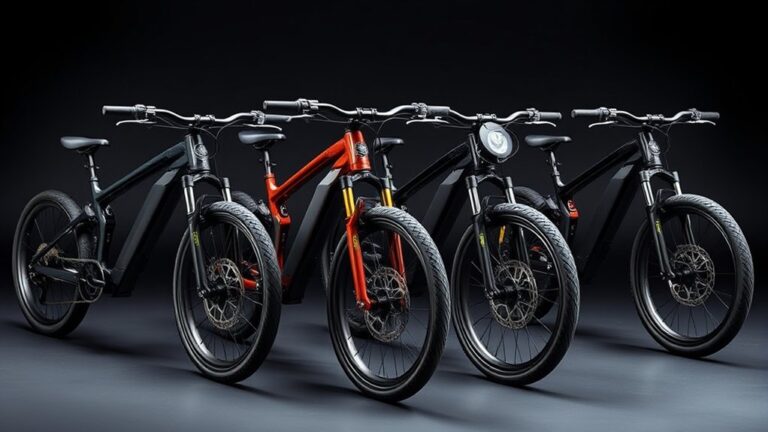
Are you wondering which in-wheel e-bike model offers the best combination of performance, features, and value? Comparing top models helps you find the right fit for your riding needs.
Think about key aspects like motor power, battery capacity, weight, and price. Some bikes shine with longer range, while others focus on agility and speed.
To help you decide, here’s a quick comparison:
| Model | Key Features |
|---|---|
| VoltBike X | 750W motor, 50-mile range |
| PowerWheel 300 | 500W motor, lightweight design |
| EcoRide Supreme | 1000W motor, robust build |
| SwiftWheel S | Compact, 40-mile range |
| TurboMobility | High speed, durable frame |
Check these specs to find the model that matches your riding style and budget.
Frequently Asked Questions
Are In-Wheel E-Bikes Suitable for All Terrains?
In-wheel e-bikes are versatile, but their suitability really depends on the terrain. They work great on smooth surfaces like city streets and paved paths, providing a smooth ride.
However, on rough or off-road terrains, they might have a tough time because of limited suspension and wheel design. If you mainly ride on challenging terrains, it’s better to choose an e-bike with a traditional frame and better shock absorption.
Relying solely on in-wheel motor technology might not give you the performance you need off-road. So, consider your typical riding conditions before making a choice.
How Much Do In-Wheel E-Bikes Typically Cost?
In-wheel e-bikes usually cost between $1,500 and $3,500. However, high-end models can go beyond $5,000.
Imagine saving money on gas while enjoying an eco-friendly ride. Keep in mind, quality and features can vary a lot.
You’ll find affordable options that are great for casual commutes. But if you want better battery life and durability, investing in a pricier model makes sense.
Think about what balance of price and performance works best for your riding needs.
What Maintenance Is Required for In-Wheel E-Bikes?
You need to regularly check the tire pressure and inspect the wheel for damage or debris. Keep the battery charged and clean the contacts to ensure peak performance.
Lubricate the chain and moving parts as needed, and periodically tighten bolts and screws. Also, keep an eye on the motor and electrical connections for corrosion or wear.
Doing these simple maintenance tasks helps your in-wheel e-bike run smoothly and last longer.
Can I Upgrade or Customize an In-Wheel E-Bike?
Absolutely, you can upgrade or customize your in-wheel e-bike, turning it into your personal masterpiece. Think of your bike as a canvas—adding a new motor, upgrading the battery, or swapping out components lets you tailor performance and style.
While some modifications are straightforward, others may require expert help. Welcome the adventure of personalization, and your e-bike will be as unique as your journey, fueling your passion for every ride.
Are In-Wheel E-Bikes Safe for Daily Commuting?
In-wheel e-bikes are generally safe for daily commuting if you follow safety tips and wear protective gear. They’re built with stability and control in mind, making them a good option for everyday travel.
Just make sure the bike is well-maintained and suitable for your commute conditions. Keep an eye on features like brakes and suspension to stay safe on the road.
Always ride responsibly and follow traffic rules. With the right precautions, an in-wheel e-bike can be a reliable, eco-friendly way to get around daily.
Conclusion
Choosing the right in-wheel e-bike is like finding a perfect fit for your adventure. Consider motor power, battery range, wheel size, and extra features to find your ideal match.
Take your time—think of it as selecting the right gear for a journey. The right choices will make your e-bike feel like an extension of yourself.
With the right in-wheel e-bike, you’ll be ready to go further and faster than you ever imagined.