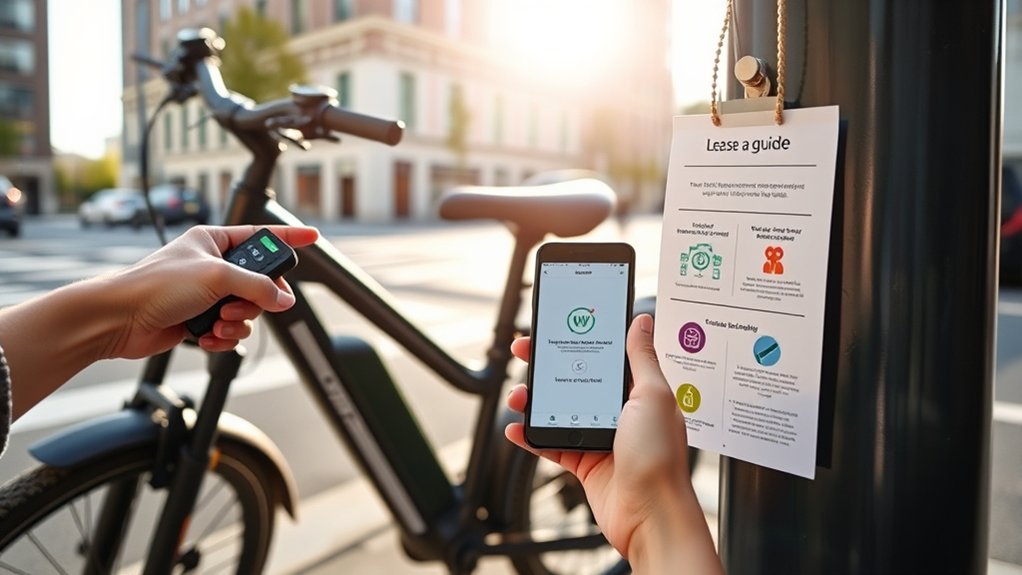
How You Can Lease an Electric Bike Step by Step
Many people want to enjoy the benefits of e-bikes but feel overwhelmed by the leasing process. If you’re new to leasing an electric bike, you’re not alone—navigating options and figuring out what fits your needs can be tricky.
To lease an electric bike, start by exploring different leasing options like short-term rentals, long-term plans, or subscription models.
Then, choose a bike that suits your needs by considering range, motor power, and comfort features.
Next, compare providers, review costs, and decide on a plan that fits your budget.
Gather your documents, complete the lease agreement, and arrange for delivery or pickup.
Keep learning to get comfortable and maintain your new e-bike effectively.
Key Takeaways
- Research and compare different leasing providers, plans, and costs to find the best option for your needs. Take some time to look at what’s available and see which one suits you best.
- Gather the required documents like your ID and proof of residency for the leasing application process. Having these ready will make the process smoother.
- Choose the leasing plan that fits your usage, budget, and preferred lease duration. Think about how often you’ll ride and what works for you financially.
- Carefully review the lease agreement. Make sure to check the terms, payment details, and who is responsible for maintenance.
- Once everything’s set, arrange for delivery or pickup of your electric bike. Before riding, adjust the settings and practice safe riding to get comfortable.
Exploring Leasing Options for Electric Bikes
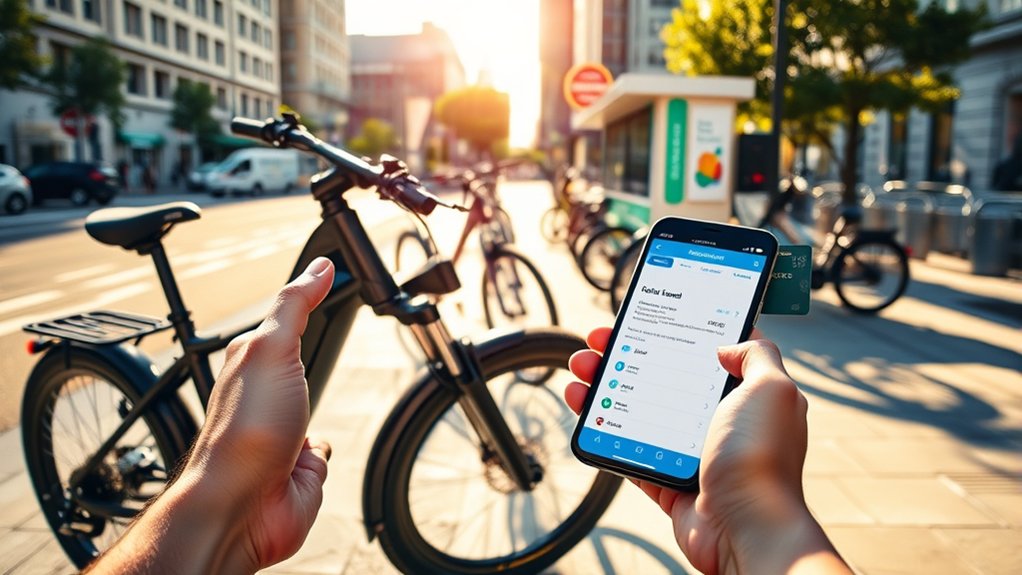
If you’re thinking about leasing an electric bike, it’s good to know the different options out there. You might find short-term rental services, which let you rent bikes by the hour or day—great for occasional rides.
On the other hand, long-term leasing plans let you pay monthly, often with maintenance included. Some providers also offer subscription models where you pay a flat fee and can swap bikes regularly.
Long-term leases with maintenance and subscription plans offer flexible, hassle-free electric bike options.
There are also lease-to-own programs if you eventually want to own the bike. Each option varies in upfront costs, flexibility, and maintenance coverage.
Take some time to compare the terms, fees, and conditions to find what matches your riding habits and budget. Knowing your options helps you make a smart choice that fits your lifestyle.
How to Choose the Best Electric Bike Model for Leasing
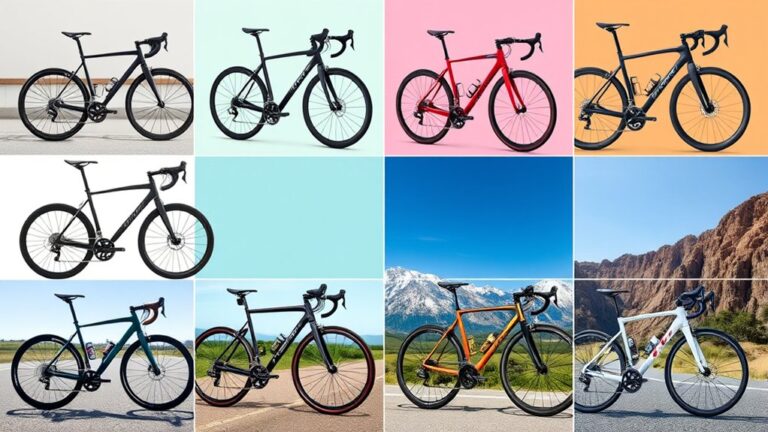
To choose the best electric bike model for leasing, start by thinking about how you’ll mainly use it—whether for commuting, leisure, or running errands.
Next, check the battery range to make sure it covers your usual distances without needing a recharge.
Then, look at the bike’s features like motor power, comfort level, and safety options to find what suits you best.
Making these choices will help you find a model that fits your lifestyle and makes your rides more enjoyable.
Consider Your Riding Needs
Choosing the right electric bike starts with understanding how you’ll mainly use it. If you plan to commute daily, look for a model with a comfortable seat, smooth ride, and easy handling.
For longer rides or mountain trails, prioritize bikes with powerful motors, sturdy frames, and good suspension. If you’ll be carrying loads or groceries, consider bikes with racks or larger cargo capacity.
Think about your typical terrain—urban streets, hilly areas, or rough paths—and choose a bike designed for those conditions. Also, consider your physical comfort and preferred riding position, whether upright or more aggressive.
Identifying your specific riding needs helps narrow down options. This way, you select a model that fits your lifestyle and makes your leasing experience more satisfying.
Evaluate Battery Range
Once you’ve identified your riding needs, evaluating the battery range is a key step in choosing the right electric bike. Think about how far you usually ride in one trip. Check the manufacturer’s estimated range, but remember that actual distances can vary based on terrain, rider weight, and assist level.
If you plan long commutes or ride often, go for a model with a higher range so you don’t run out of power. On the other hand, if your trips are short, a bike with a smaller battery might do the trick and save you some money. Keep in mind, a larger battery adds weight and can increase the bike’s overall cost.
Balancing your riding habits with battery capacity helps you pick a model that fits your lifestyle without any compromises.
Assess Bike Features
Evaluating bike features is key to finding an electric model that fits your needs and lifestyle. Think about things like motor power, weight, and frame design to ensure comfort and performance.
Look for features such as adjustable seats, suspension systems, and cargo racks that match your riding habits. The right bike should feel intuitive and suit your daily routines.
Use the table below to compare key features across models:
| Feature | Importance |
|---|---|
| Motor Power | Determines acceleration and hill-climbing ability |
| Battery Capacity | Affects range and recharge times |
| Frame Material | Impacts weight, durability, and comfort |
Prioritize features that enhance your riding experience and match your typical routes.
Comparing Electric Bike Leasing Providers and Plans
When comparing leasing providers, check out their plan options and features to find what really fits your needs.
Think about the costs involved and how flexible the plans are if your situation changes.
This way, you can pick a plan that balances affordability and convenience perfectly.
Plan Options and Features
To find the best electric bike leasing plan for your needs, compare the options and features offered by different providers. Focus on key aspects like the included bike models, maintenance services, and upgrade options.
- Bike models and customization: See if the provider offers a variety of bikes suited to your riding style and if upgrades or modifications are available.
- Maintenance and support: Find out whether routine maintenance, repairs, or roadside assistance are included in the plan.
- Upgrade and trade-in options: Check if you can easily swap your bike for a newer model or trade it in after a certain period.
Looking at these features helps you choose a plan that fits your riding habits and long-term preferences.
Cost and Flexibility
Comparing the costs and flexibility of different electric bike leasing plans helps you find an option that fits your budget and riding style. Some plans have lower monthly payments but might limit your mileage or require a longer commitment.
Other plans offer more flexibility, like short-term leases or options to upgrade. These might cost a bit more but give you more freedom to adjust as needed. To help you decide, here’s a quick comparison:
| Plan Type | Cost | Flexibility |
|---|---|---|
| Long-term Lease | Lower monthly | Fewer upgrade options and fixed term |
| Short-term Lease | Higher monthly | Easy to upgrade or cancel |
| Mileage Plans | Varies | Can be adjusted based on your riding distance |
Pick a plan that balances affordability with the freedom to ride how you want.
How Much Does Leasing an E-Bike Cost?
Leasing an e-bike can vary a lot in cost, depending on the brand, features, and how long you lease it.
Typically, you might pay monthly payments between $50 and $150, depending on the bike’s quality and terms.
Monthly payments for leasing an e-bike usually range from $50 to $150 based on quality and terms.
There could also be initial fees or down payments, usually ranging from $0 to $300.
Don’t forget about extra costs like maintenance or insurance, which might be included or come separately.
Higher-end models with more advanced features tend to have higher monthly rates, while simpler bikes are more affordable.
Choosing a longer lease might lower your monthly payments but could increase the total cost over time.
Always consider these factors to get a clear idea of your budget before signing any lease.
What Lease Terms Should You Know Before Signing?
Before signing a lease, it’s important to understand the specific terms that will shape your agreement. Check the lease duration, whether it’s month-to-month or a longer commitment, and think about how flexible it is if your plans change.
Review the mileage limits because exceeding them could lead to extra charges. Understand the payment schedule and total costs, including any upfront fees or deposits.
Look into maintenance responsibilities—who covers repairs or damages? Clarify the end-of-lease process, such as options for renewal or buying the bike.
Finally, read the fine print for penalties, restrictions, or conditions that may impact your use of the e-bike. Knowing these terms helps you avoid surprises and makes sure the lease fits your needs.
Gather Your Documents for the Leasing Application
Before you start your leasing application, make sure you have your identification ready, like your driver’s license or passport.
You’ll also need proof of residency, such as a utility bill or lease agreement, to verify your address.
Having these documents prepared will speed things up and help ensure your application goes smoothly.
Required Identification Documents
Gathering the right identification documents is an essential first step in the leasing process. You’ll need to present valid proof of your identity to qualify.
Typically, this includes a government-issued photo ID, like a driver’s license or passport, to verify who you are. You’ll also need your Social Security number or tax ID for credit checks and background verification.
Proof of age, such as a birth certificate or ID card, is usually required to show you meet the minimum age for leasing. Having these documents ready makes your application smoother and quicker.
Make sure all your IDs are current and easy to read. It’s also a good idea to double-check the leasing company’s specific requirements, as they might ask for extra forms or documents.
Proof of Residency
Once you have your identification documents ready, the next step is to verify your residency. You’ll need to provide proof that shows your current address, like a utility bill, lease agreement, or bank statement.
Make sure the document is recent, usually within the last three months, and clearly shows your name and address. Some leasing companies accept digital copies, but others prefer physical documents, so check their requirements first.
If your address has recently changed, gather extra proof such as a change-of-address confirmation.
Having these documents ready speeds up the application process and helps avoid delays. Keep all your residency proofs organized and ready to submit when asked, for a smoother leasing experience.
How to Complete Your Electric Bike Lease Agreement
To complete your electric bike lease agreement smoothly, carefully review all the terms and conditions outlined in the document. Make sure you understand each clause before signing.
Carefully review all lease terms to ensure understanding before signing your electric bike agreement.
Next, verify your personal information for accuracy, including your name, address, and contact details. Finally, focus on these key areas:
- Payment Terms: Confirm the monthly payment amount, due date, and any additional fees.
- Lease Duration: Check the start and end dates, along with renewal or termination policies.
- Responsibilities: Understand your obligations for maintenance, insurance, and returning the bike in good condition.
How Do You Get Your Leased E-Bike? Delivery or Pickup?
When it comes to getting your leased e-bike, you usually have the option to choose between delivery or pickup, depending on what the leasing company offers and what works best for you.
If you pick delivery, the e-bike will be shipped directly to your address, saving you a trip. This option is great if you prefer to have it brought right to your home or workplace.
On the other hand, choosing pickup means you’ll go to a designated location to collect your bike. Pickup can be faster and lets you inspect the bike in person before taking it home.
Think about your schedule, convenience, and how quickly you want to start riding when deciding between these options.
Both methods will get your e-bike into your hands, so just pick what fits your lifestyle best.
How to Get Comfortable With Your Leased E-Bike Before Riding
Getting comfortable with your leased e-bike before riding is important for safety and confidence. Take some time to get familiar with its features and controls.
First, adjust the seat height so you can reach the pedals comfortably and maintain good balance. Then, practice turning the handlebars to get a feel for how the steering responds.
Next, switch on the bike and test the brakes to make sure they respond smoothly and effectively. Spend a few minutes walking alongside the bike to understand its weight and how it handles.
If you can, try gentle stops and starts in a safe area. This will help build your confidence before hitting the road.
Tips to Maintain and Extend the Life of Your Electric Bike
Once you’re comfortable riding your e-bike, maintaining it properly can help ensure it stays in top shape for longer. Regularly check the tire pressure and keep it at the recommended level to prevent flats and keep your ride smooth.
Regular maintenance, like checking tire pressure, keeps your e-bike in top condition longer.
Clean your bike often, especially the chain and electrical parts, to stop dirt buildup that can cause wear. Make sure to charge the battery the right way—avoid letting it fully discharge or stay at 100% for too long.
Inspect brake pads and replace them if they’re worn out. Keep your chain lubricated and aligned to reduce strain on the motor. Store your e-bike in a dry, sheltered spot to prevent rust and corrosion.
Following these simple tips will extend your bike’s lifespan and help it perform at its best.
Frequently Asked Questions
Are There Any Age Restrictions for Leasing an Electric Bike?
Yes, there are usually age restrictions when leasing an electric bike. Most companies require you to be at least 18 years old, though some may allow teens aged 16 or 17 with a guardian’s approval.
These restrictions are in place to ensure safety and legal compliance. Always check with the specific leasing provider beforehand, as rules can vary by location and company policies.
Meeting the age requirements is essential if you want to proceed with the lease.
What Happens if I Damage the Leased E-Bike?
If you damage the leased e-bike, you’ll need to cover the repair costs, as the leasing agreement usually states you’re responsible for any damages. Think of it as a small fish in a big pond—you don’t want to be caught off guard.
Contact the leasing company promptly, report the issue, and follow their instructions. Sometimes, insurance options are available to help offset repair expenses, so check if you’re covered.
Can I Upgrade or Change My Electric Bike During the Lease?
Yes, you can usually upgrade or change your electric bike during the lease, but it depends on the lease provider’s policies.
You should check with them first, as some might require approval or have specific conditions.
If they allow upgrades, you might need to cover the cost difference.
Always communicate your intentions early to confirm a smooth process and avoid any penalties or issues.
Is Insurance Required for Leasing an Electric Bike?
Think of your electric bike as a trusty steed on a new adventure. Insurance acts as your shield in this journey.
Yes, insurance is usually required when leasing an electric bike. It protects you and the provider against accidents or theft.
Be sure to review the lease agreement carefully, as coverage options and requirements can vary. Having insurance gives you peace of mind so you can focus on enjoying your ride.
Are There Any Penalties for Early Lease Termination?
Yes, there can be penalties for early lease termination. These penalties often include paying a fee or losing your security deposit, depending on the lease agreement.
Some leases might require you to pay the remaining balance or a specific early termination fee. To avoid surprises, read the lease terms carefully and ask the leasing company about any penalties before signing.
Staying informed helps you make the best decision for your situation.
Conclusion
Leasing an electric bike opens the door to effortless adventures and eco-friendly commuting. As you explore your options and sign your agreement, remember that this isn’t just about riding — it’s about embracing a new way to discover without the long-term commitment.
With a bit of preparation and care, your e-bike will become a trusted companion. It can guide you toward exciting journeys and greener horizons, making every ride enjoyable and sustainable.
So, step forward confidently. The open road is waiting, and leasing an electric bike is your ticket to exploring it with ease and style.