How to Size a Hybrid Bike in 7 Easy Steps
Finding the perfect hybrid bike can feel overwhelming, especially with so many options out there. You’re not alone—many people struggle with sizing to get that comfortable, confident ride they want.
Luckily, sizing your hybrid bike doesn’t have to be complicated.
To size a hybrid bike in 7 easy steps, start by measuring your body, especially your inseam, to guarantee proper pedal reach and comfort.
Determine your ideal frame size based on your height and riding style, considering bike geometry for comfort and control.
Check and adjust the saddle height and handlebar reach to suit you best.
Always take a test ride to confirm the fit and make final tweaks.
Keep exploring these steps for a perfect, comfortable ride.
Key Takeaways
- Measure your height and inseam accurately to figure out the right bike frame size.
- Check size charts and think about your riding style and terrain for the best fit.
- Make sure the saddle height lets your knee bend slightly when pedaling.
- The handlebar reach should feel comfortable and not strain your arms or back.
- Take the bike for a test ride to see how it feels in terms of comfort and responsiveness.
- Pay attention to your body positioning and how natural it feels during the ride.
- Adjust the saddle and handlebars bit by bit until everything feels just right.
- Small tweaks can make a big difference in finding that perfect fit.
Measuring Your Body for the Perfect Hybrid Bike Fit
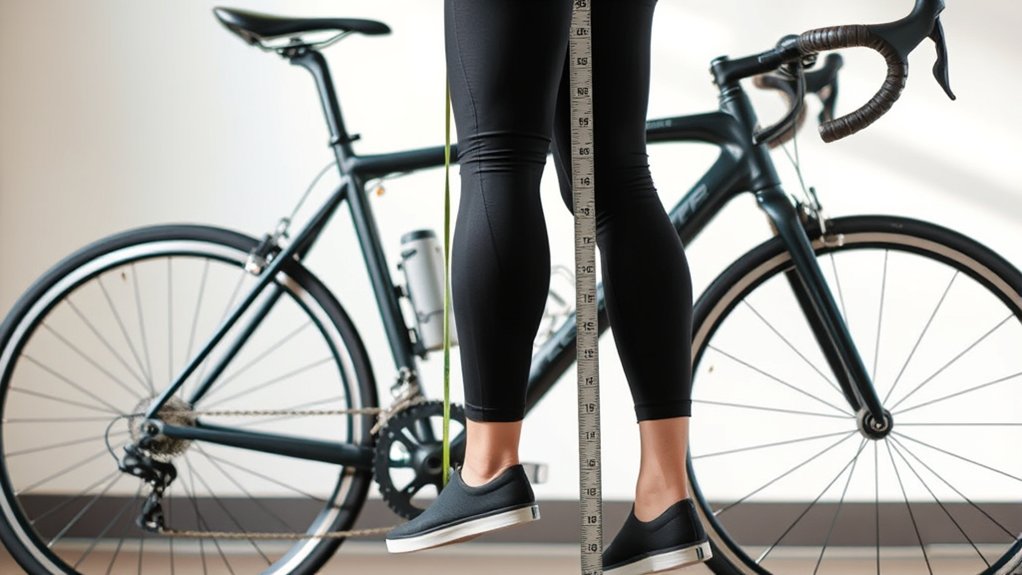
To find the right hybrid bike size, start by measuring your body accurately. First, use a flexible measuring tape to determine your overall height. Stand straight against a wall without shoes, and note the measurement at the top of your head.
Measure your height accurately against a wall for the perfect hybrid bike fit.
Next, measure your torso length by placing the tape at the top of your hip bones and extending it to your shoulder. Keep the tape snug but not tight. These measurements help you identify the proper frame size.
Avoid guessing or relying solely on clothing size, as bike fit depends on your unique body dimensions. Precise measurements guarantee a comfortable ride and better control.
Take your time with these measurements, and write them down for reference when shopping for your perfect hybrid bike.
Why Your Inseam Length Matters When Choosing a Hybrid Bike
Your inseam length is a key measurement because it directly impacts how comfortably you can reach the pedals and maintain good riding posture. When you factor in your inseam, you’ll avoid overstretching or feeling cramped, which can cause discomfort or even injuries.
A bike frame that matches your inseam helps you easily place your feet flat on the ground when stopped. This provides stability and confidence during your ride. It also affects the saddle height, letting you pedal efficiently without straining your knees.
Ignoring your inseam might lead to a bike that’s too big or small, making riding less enjoyable and potentially unsafe. Taking this measurement into account brings you closer to finding a hybrid bike that fits perfectly and makes your riding experience better.
How to Determine Your Ideal Frame Size Based on Height
To find your ideal frame size, start by measuring your height precisely. Then, check out frame size charts to see which ranges match your measurement.
Keep in mind your riding style and comfort preferences too. These factors will help you pick a bike that feels just right for you.
Measure Your Height Accurately
Ever wonder how to find the right bike size for your height? The first step is to measure yourself accurately.
Stand straight against a wall with your shoes off, and use a pencil to mark the top of your head on the wall.
Then, measure the distance from the floor to that mark using a tape measure. Keep your posture natural and relaxed during the measurement.
It’s best to do this in the evening when your height is at its fullest.
Record your measurement precisely, as even a small difference can affect your bike fit.
This accurate height will help you select a frame size that guarantees comfort, control, and efficiency when riding your hybrid bike.
Understand Frame Size Charts
Frame size charts are essential tools that help you translate your measured height into an appropriate bike frame size. These charts give general guidelines, matching your height range with recommended frame dimensions. Keep in mind, different brands might have slight variations, so always check the specific manufacturer charts.
When consulting a chart, consider your exact height measurement, the bike’s intended riding style, the frame size units (cm or inches), and any additional fit adjustments for comfort.
Using these charts, you can quickly narrow down your options and find the right frame size. Remember, while charts are helpful, trying out bikes in person ensures the best fit and comfort for your riding experience.
Consider Riding Style Preferences
Your riding style plays a big role in choosing the right frame size, beyond just your height.
If you enjoy casual rides on smooth paths, a slightly smaller frame can give you better maneuverability and comfort.
For longer, endurance rides, a slightly larger frame offers more stability and efficiency.
If you love spirited, fast-paced riding, go for a size that helps you adopt a more aggressive posture with a lower handlebar position.
Commuters might focus on comfort over speed, so pick a frame that lets you sit upright easily.
Think about how you ride daily—whether it’s for fitness, commuting, or leisure—and choose a frame size that matches those habits.
Matching your riding style makes your ride more comfortable and enjoyable, helping you find the perfect hybrid bike size for your needs.
Choosing a Bike Size That Fits Your Riding Style
Your riding style and terrain preferences really influence the bike size you should choose. If you enjoy fast, efficient rides on smooth surfaces, a smaller, more responsive frame might be the way to go.
For off-road adventures or rides focused on comfort, a larger frame can give you better control and stability.
Riding Terrain Preferences
Choosing the right bike size depends heavily on the type of terrain you’ll be riding. Your riding terrain influences the bike’s geometry and how comfortable you’ll feel.
If you mostly ride on paved roads, a slightly smaller frame with a relaxed geometry can boost your comfort. For off-road trails, a larger frame with more clearance gives you better stability and control.
When you’re commuting on mixed surfaces, look for a versatile size that balances agility and comfort. Keep these terrain factors in mind:
- Smooth, paved surfaces favor a smaller, more nimble bike
- Dirt trails benefit from a larger, more stable frame
- Hilly terrains demand a frame size that offers good control
- Mixed terrains need a versatile size for both comfort and maneuverability
Matching your bike size to the terrain helps improve handling, comfort, and safety during your rides.
Cycling Performance Goals
Ever wondered how your riding style influences the perfect bike size? Your cycling goals really shape the ideal fit. If you enjoy casual rides, comfort and an upright posture are key, so a slightly larger frame might work best.
For aggressive, fast-paced rides, a smaller, more responsive size helps with control. Commuters need a balanced position for both comfort and efficiency, while mountain bikers often focus on maneuverability.
Consider these common goals:
| Riding Style | Preferred Fit | Key Focus |
|---|---|---|
| Casual Riding | Relaxed, upright | Comfort, ease of handling |
| Racing | Slightly smaller, aggressive | Speed, responsiveness |
| Commuting | Moderate, balanced | Comfort, efficiency |
| Mountain Biking | Compact, agile | Maneuverability |
What Frame Geometry Is Best for Comfort and Control?
When choosing a frame geometry for your hybrid bike, comfort and control should be your main focus. An upright riding position helps reduce strain and makes it easier to see your surroundings, which is great for longer rides.
Look for a frame with a longer wheelbase. This adds stability and helps your bike handle smoothly. A shorter top tube can improve maneuverability, especially in tight spots.
A slightly taller head tube is also beneficial. It helps you stay more upright, reducing back and neck fatigue during your ride.
How to Check and Adjust Your Bike’s Fit Before Riding
Before heading out on your ride, it’s important to check that your bike fits well. Start by looking at your saddle height; when you’re sitting, your leg should be almost fully extended at the bottom of the pedal stroke, with a slight bend in your knee. Adjust the saddle up or down as needed.
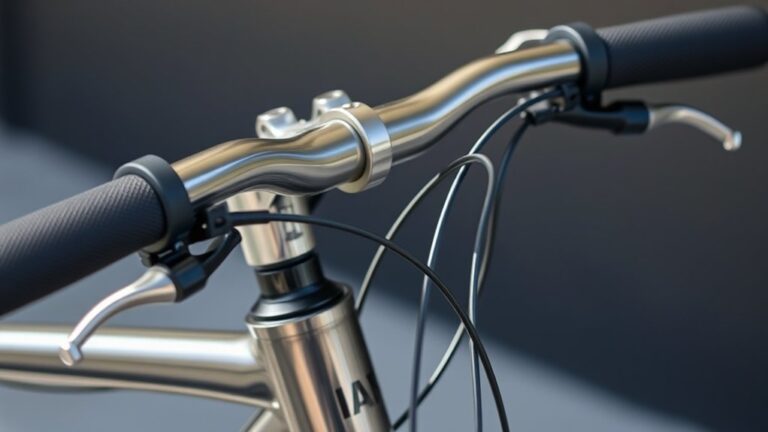
Next, make sure the saddle is level or just slightly tilted. This helps with comfort and efficient pedaling. Then, check your handlebar reach—when gripping the bars, you should feel relaxed with a slight bend in your elbows.
Also, ensure you can comfortably reach the brakes and shifters without overstretching. Make small tweaks to the saddle height, tilt, or handlebar position if necessary. Finally, test out your adjustments by gently riding and paying attention to any discomfort or awkwardness.
Tips for Confirming Your Hybrid Bike Size With a Test Ride
Taking a test ride is the best way to confirm that your hybrid bike fits comfortably and feels right for you. When riding, pay attention to how the bike responds and how you feel during the ride. Look for these key indicators:
Your knees should have a slight bend when the pedal is at its lowest point. You should be able to reach the handlebars without overextending your arms. Keep your back in a comfortable, neutral position. You should also be able to stop and start easily without feeling unstable.
Adjust your position if needed, and try different riding conditions to see what feels best. A proper fit guarantees efficiency and helps reduce fatigue. Don’t rush—use the test ride to fine-tune your sizing and riding posture for the perfect fit.
Frequently Asked Questions
How Do Different Bike Brands Affect Sizing Recommendations?
Different bike brands often have different sizing standards, so your usual size might not always fit perfectly across brands. Some brands tend to run smaller or larger, so it’s important to check their specific sizing charts.
You should also consider trying bikes from different brands or reading reviews to see how their sizing compares. Always test ride if you can because comfort and fit matter more than the brand itself.
Can Adjustable Features Compensate for a Less-Than-Perfect Frame Size?
Adjustable features act like a flexible sail, helping you steer through less-than-perfect frame sizes. You can tweak seats, handlebars, and stems to fine-tune your position, making your ride more comfortable and efficient.
While they can bridge some gaps, they don’t turn an ill-fitting frame into a perfect fit. Ultimately, choosing the right size from the start ensures your ride stays smooth and enjoyable, no matter how many adjustments you make.
What Are Common Signs My Bike Is the Wrong Size?
You’ll notice discomfort or pain when riding, like knee strain or sore wrists, which often mean the bike is too small or large for you.
If you find it hard to reach the handlebars comfortably or can’t fully extend your legs at the pedal’s bottom, it’s a sign the bike isn’t the right size.
Feeling unstable or unbalanced while riding, or constantly needing to adjust the saddle or handlebars, also suggests your bike might need resizing for a better fit and more comfort.
How Often Should I Recheck My Bike Fit?
You should recheck your bike fit regularly, preferably every few months. Do this especially if you notice discomfort, fatigue, or changes in how you feel during rides.
Regular checks help keep your comfort and control, and they can prevent problems before they get worse. Seasonal changes, riding intensity, or physical shifts also mean it’s time to reassess.
Does Riding Terrain Influence the Ideal Bike Size?
Yes, riding terrain influences the ideal bike size. If you mostly ride on smooth, flat surfaces, a slightly smaller or more agile hybrid bike can help with maneuverability.
For off-road or hilly terrains, a larger frame offers better stability and control. You should consider your riding style and terrain when choosing your bike size to stay comfortable and efficient during your rides.
Conclusion
Now that you know how to size a hybrid bike in just seven steps, you’re all set to find your perfect fit.
Remember, a well-sized bike makes every ride more comfortable and enjoyable. Don’t settle for a bike that doesn’t feel right—trust your measurements and take a test ride to confirm.
Are you excited to hit the road on a bike built just for you? Get out there and enjoy every pedal stroke with confidence!