What Is an Enduro Mountain Bike?
Feeling overwhelmed by the thought of tackling tough, technical mountain trails? You’re not alone. Many riders struggle to find a bike that can handle steep climbs, rocky descents, and sharp switchbacks without sacrificing control or comfort.
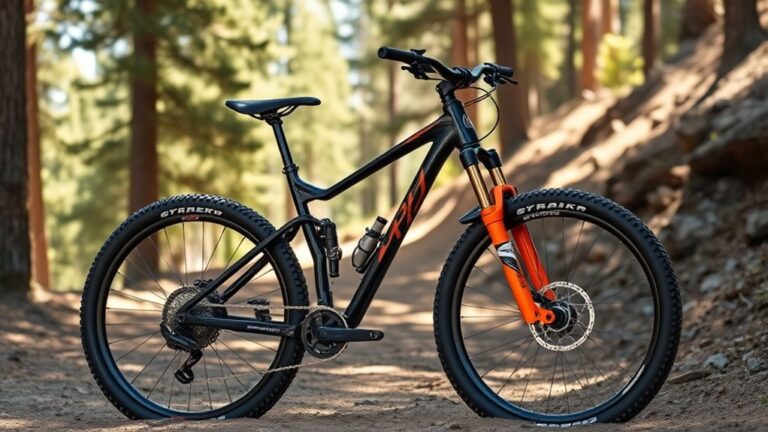
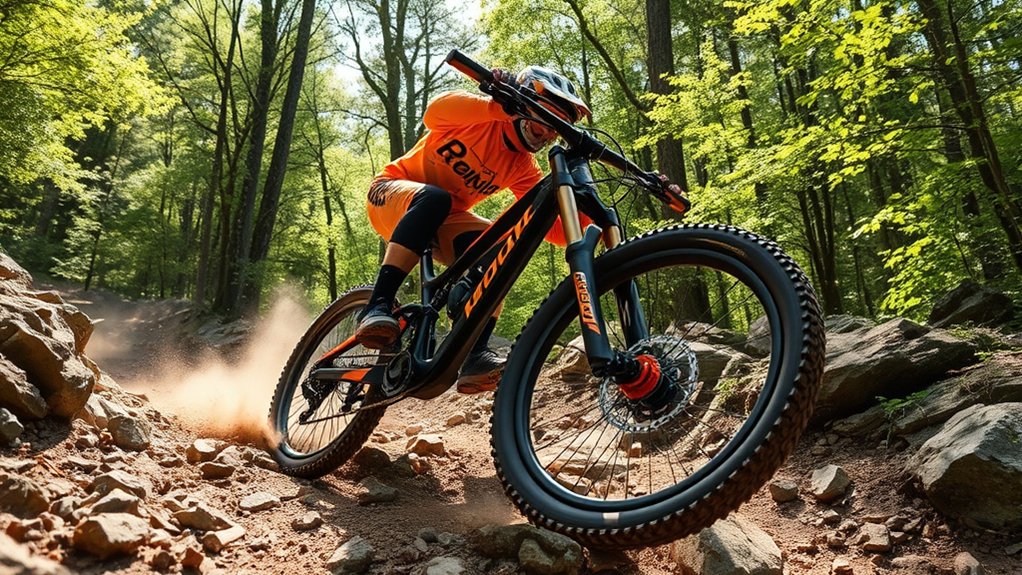
An enduro mountain bike is built for aggressive rides on tough, technical terrains. It features a durable frame, long travel suspension, and responsive handling to tackle steep climbs, rocky descents, jumps, and sharp switchbacks.
Designed for stability at high speeds and technical control, it’s perfect if you enjoy pushing limits and riding challenging trails. Want to uncover what makes these bikes stand out and if they suit your riding style? Keep exploring to find out more.
Key Takeaways
- An enduro mountain bike is built for both tough climbs and fast descents on rough terrains.
- It has long suspension travel, sturdy frames, and advanced geometry to handle technical trails with ease.
- These bikes are designed to tackle rocky, steep, and tricky features, with powerful brakes and wider tires for better control.
- They’re perfect for aggressive riding, technical challenges, and endurance rides on multi-day trails.
- Compared to cross-country bikes, enduro bikes are heavier and more durable, focusing on stability, strength, and high-speed performance.
What Is an Enduro Mountain Bike?
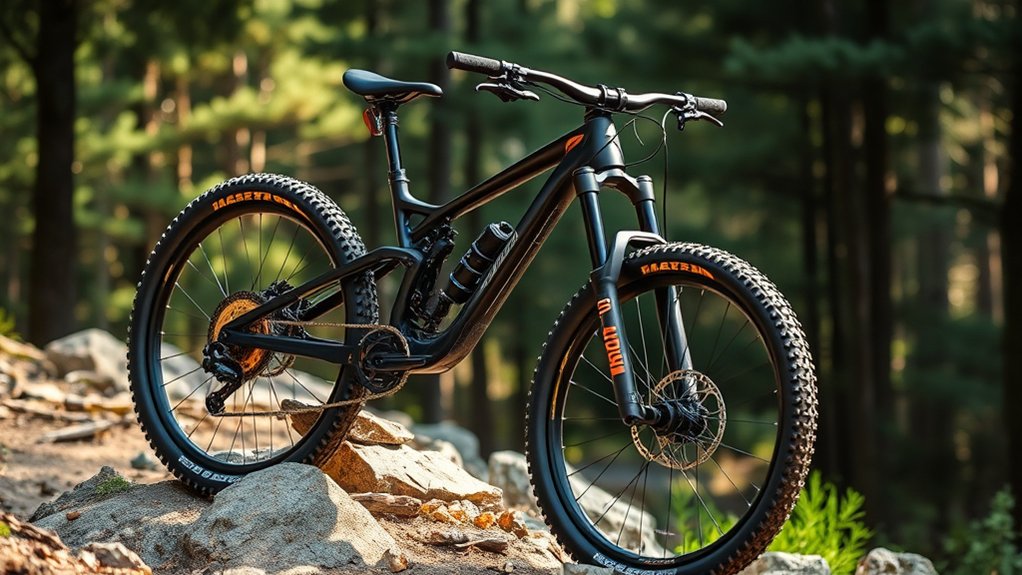
What exactly is an enduro mountain bike? It’s a versatile bike designed to handle both tough climbs and fast descents.
You’ll find it built with a sturdy frame that offers durability and stability on challenging terrains. The suspension system is typically more advanced than cross-country bikes, providing a smooth ride over rocks, roots, and drops.
Enduro bikes are equipped with powerful brakes to control speed on steep descents and wider tires for better grip. They’re optimized for endurance, so you can ride longer distances without sacrificing performance.
While they’re not as lightweight as cross-country bikes, they balance agility and strength perfectly for aggressive riding. If you enjoy tackling varied trails with confidence and control, an enduro mountain bike is your ideal companion.
How Are Enduro Bikes Different From Other Mountain Bikes?
Ever wonder how enduro bikes stand out from other mountain bikes? They’re built for versatility, handling steep descents and tough climbs with ease.
Unlike cross-country bikes, enduro bikes have longer suspension travel, giving you better control over rough terrain. They’re generally heavier and more rugged, designed to handle tough trails and impacts.
Enduro bikes feature longer suspension travel for superior control on rough terrain.
Compared to downhill bikes, enduro bikes are lighter and more pedal-efficient, so climbing uphill isn’t a chore. Their geometry strikes a balance, offering stability at high speeds while remaining maneuverable.
This makes them perfect for multi-day rides or trails that combine climbing and descending. Overall, enduro bikes are a hybrid, giving riders the best of both worlds to conquer diverse terrains confidently.
What Are the Essential Components of an Enduro Bike?
To handle tough trails, your enduro bike needs a reliable suspension system that absorbs shocks and keeps you in control. It’s what helps you stay smooth over rough terrain and maintain your confidence.
Powerful brake technologies are a must, so you can stop quickly and confidently—especially when you’re tackling steep descents. Good brakes make all the difference in tricky situations.
Together, these components are essential for riding efficiently and safely in demanding environments. They help you push your limits while staying in control.
Suspension Systems
A vital part of any enduro mountain bike is its suspension system, designed to absorb shocks and keep control over rough terrain. It helps your wheels stay in contact with the ground, giving you better traction and stability.
Most enduro bikes have front suspension, called a fork, which absorbs impacts from rocks and roots. Many also have rear suspension, called a shock, which compresses as you ride over uneven surfaces.
You can usually adjust the suspension components for different terrains and riding styles. This allows you to fine-tune performance and ride more comfortably.
A well-designed suspension smooths out bumps, reduces rider fatigue, and improves handling on tricky descents and climbs. Overall, it’s essential for confidently and safely managing tough trails.
Brake Technologies
What makes brake systems essential on an enduro mountain bike? They’re your main safety feature, helping you control your speed on steep descents and tricky terrain.
Modern enduro bikes usually have hydraulic disc brakes, which give you strong, reliable stopping power with less hand fatigue. High-quality rotors that resist warping under heat are a good idea, along with pads that perform well in wet or muddy conditions.
Many riders go for lightweight brake levers that respond instantly, so you get precise control. Some bikes even let you adjust brake settings to customize feel and power.
What Trails Are Best for Enduro Mountain Biking?
The best trails for enduro riding include those with technical challenges that push your skills and require precise control. Look for longer, variable routes that keep you engaged and test your endurance.
Mountainous terrain provides the perfect backdrop for a demanding and rewarding enduro experience.
Technical Trail Challenges
Ever wondered which trails push your skills to the limit? If you’re after technical challenges, look for trails with complex features that demand precision and control. These trails often include obstacles like:
- Rock Gardens – require careful line choice and bike handling to navigate through uneven terrain.
- Drop-offs and Jumps – test your ability to control speed and maintain balance during sudden drops.
- Tight Switchbacks – demand quick steering and momentum management around sharp corners.
Enduro bikes excel here because they’re built to handle aggressive terrain without sacrificing efficiency. Tackling these challenges sharpens your skills and boosts confidence, making your rides more exhilarating.
For the best experience, choose trails that combine these elements in different sequences. Push your limits safely and gradually to enjoy the thrill and improve your technique.
Longer, Variable Routes
Longer, variable routes are perfect for riders who want endurance and a mix of riding experiences. These trails push your stamina and keep things interesting with changing terrain and conditions.
They often include a mix of climbs, descents, and technical sections that test your skills and challenge your limits. You’ll want a route with variety—smooth flow, rocky patches, and tight corners—to stay engaged from start to finish.
Enduro bikes are great for these trails because they handle long rides and varied terrain easily. Look for trails that combine different terrain types and elevation changes to practice endurance and enjoy the thrill of unpredictable riding.
Longer, variable routes really capture the essence of enduro mountain biking.
Mountainous Terrain Settings
Looking for the best trails to challenge your skills? Mountainous terrain settings are perfect for enduro riding, offering the variety and technical demands you crave. These trails feature steep climbs, sharp descents, and rocky sections that push your limits.
To get the most out of your ride, seek out trails with diverse features, including:
- Steep, technical descents for adrenaline-pumping downhill sections.
- Climbable switchbacks that test your endurance and bike handling.
- Rocky and root-laden paths to improve technical skills and control.
Choose trails that combine these elements to maximize your enduro experience. Mountainous terrain challenges you to stay focused and adaptable, making every ride exciting and rewarding.
How to Choose the Right Enduro Mountain Bike for You
Choosing the right enduro mountain bike can make all the difference in your riding experience. Start by thinking about your skill level and what you want to achieve.
Selecting the right enduro bike enhances your ride—consider your skill level and riding goals for the best choice.
If you’re a beginner, look for a bike with softer suspension and a manageable weight. More advanced riders might prefer bikes with aggressive geometry and longer suspension travel for tough terrain.
Think about where you usually ride. If steep descents are common, pick a bike with a sturdy frame and strong brakes. Comfort also matters, so consider frame size, handlebar width, and saddle position.
Finally, set a budget and compare the bike’s components, like suspension quality and drivetrain. This helps you get the best value and a bike that boosts your confidence on the trails.
What Can You Expect When Riding an Enduro Bike?
When you hop onto an enduro mountain bike, you’ll immediately notice its design tailored for tackling varied and challenging terrain. You can expect a ride that’s both aggressive and smooth, capable of handling steep climbs and fast descents. Enduro bikes are built for versatility, so you’ll feel confident on technical sections, rocky paths, and flowy trails alike.
Here’s what you can expect:
- Responsive Handling: Precise steering helps you navigate tight corners and tricky spots.
- Enhanced Suspension: A longer travel suspension absorbs shocks, providing comfort and control on rough terrain.
- Powerful Braking: Strong brakes give you confidence when descending at high speeds.
What Technologies Make Enduro Bikes Stand Out?
Enduro bikes stand out because of their advanced technologies designed to handle demanding terrain with ease. You benefit from features like lightweight frames that boost agility and durable components that withstand rough conditions.
Modern suspension systems, such as full shocks with adjustable travel, absorb impacts and improve control on technical descents. Plus, modern geometry enhances stability and steering precision.
| Technology | Benefit |
|---|---|
| Full suspension | Smooths out rough terrain and improves grip |
| Dropper posts | Allows quick saddle height adjustments mid-ride |
| Boost spacing | Increases wheel strength and clearance |
| Modern geometry | Enhances stability and maneuverability |
These innovations make enduro bikes versatile, responsive, and ready for intense trails.
Tips for Maintaining and Upgrading Your Enduro Bike
Regular maintenance is key to keeping your enduro bike in top shape and avoiding costly repairs later on. Staying on top of routine care ensures your bike stays durable and rides smoothly.
Here are three tips to help you maintain and upgrade your bike:
- Regularly clean and inspect your drivetrain, suspension, and frame. Look for wear or damage early so you can address issues before they get worse.
- Upgrade components thoughtfully. Focus on tires, brakes, and suspension parts that match your riding style and terrain for the best performance.
- Lubricate moving parts regularly to reduce friction and prevent rust or corrosion. This keeps everything running smoothly and extends the life of your bike.
Is an Enduro Mountain Bike Right for Your Riding Style?
Are you someone who loves tackling challenging descents and long, demanding rides? If so, an enduro mountain bike might be your perfect match. These bikes are built for aggressive riding, blending elements of trail and downhill bikes to handle tough terrain at speed.
If you enjoy pushing your limits, maneuvering technical sections, and spending hours on rugged trails, an enduro bike will give you the stability, suspension, and durability you need. But if your rides focus more on cross-country, climbing, or leisurely trail riding, an enduro might feel overbuilt and heavy.
Think about your preferred terrain and riding style. If high-speed descents and technical challenges excite you, then an enduro bike is probably a great fit. Otherwise, consider a lighter, more versatile bike that better suits your style.
Frequently Asked Questions
How Much Does an Enduro Mountain Bike Typically Cost?
An enduro mountain bike usually costs between $2,500 and $7,000, depending on the brand, features, and components.
You might find entry-level models closer to the lower end of that range, while high-end bikes with advanced suspension and lightweight frames can reach the top.
Think about your riding style and budget to pick the right bike. Investing in quality can boost performance and durability on tough terrains.
What Safety Gear Is Recommended for Enduro Riding?
Safety gear is your best friend when you hit the trails. Think helmet, gloves, and knee pads to protect your essential areas.
A full-face helmet offers extra protection, especially on aggressive descents. Goggles shield your eyes from debris, while body armor can prevent serious injuries.
Can Beginners Ride Enduro Mountain Bikes?
Yes, beginners can ride enduro mountain bikes, but it’s best to start slow and build your skills gradually. These bikes are made for tough trails and tricky terrain, so having some riding experience first is helpful.
Focus on learning basic techniques and take your time with easier trails. As you gain confidence, you can try more challenging routes.
Make sure to wear proper safety gear and be patient with yourself. With time and practice, you’ll enjoy the ride and get better at handling your bike.
How Long Do Enduro Bike Components Usually Last?
Enduro mountain bike components usually last between 1,000 to 3,000 miles, but it really depends on how you ride, the terrain, and how well you take care of your bike.
Make sure to regularly check and service parts like the chain, cassette, and brake pads to help them last longer. High-quality components tend to be more durable, but aggressive riding or rough trails can wear them out faster.
Always keep an ear out for signs of wear and replace parts promptly. That way, your bike will keep performing well and stay reliable.
Are Enduro Bikes Suitable for Racing Competitions?
Yes, enduro bikes are suitable for racing competitions. They’re built to handle tough terrains with durable frames, advanced suspension, and powerful brakes.
You might think they’re just for casual rides, but their agility and speed make them great for enduro races. These races combine uphill climbs and downhill descents.
Conclusion
Think of an enduro mountain bike as your trusty steed, built for daring adventures and rugged terrains. Whether you’re tackling steep descents or powering up climbs, this bike is your go-to for adrenaline-fueled rides.
With the right choice and proper care, you’ll unlock new trails and elevate your riding experience. Welcome the journey and let your enduro mountain bike carry you over every bump and turn like a trusted companion on an epic quest.