How to Fix Why My Electric Bike Battery Is Draining So Fast
Many electric bike owners know the frustration of a battery that drains too quickly, leaving you stranded or constantly searching for a charger. You’re not alone—this is a common issue that can really put a damper on your rides.
Luckily, with a few simple checks and habits, you can boost your battery’s lifespan and enjoy longer, more reliable rides.
To fix your electric bike battery draining too fast, start by checking for loose or corroded connections and guarantee all wiring is secure and clean.
Monitor your riding habits, like avoiding excessive acceleration or heavy loads, and keep your tires properly inflated.
Also, store and charge your battery correctly, avoiding extreme temperatures.
If these steps don’t improve performance, learning about battery health and maintenance can help you extend its life and get better efficiency.
Key Takeaways
- Regularly inspect and clean your battery terminals and connections. This helps prevent corrosion and keeps power transfer efficient.
- Try to avoid riding in extreme conditions like high speeds, hilly terrains, or harsh weather. These situations put extra load on your battery.
- Always use the correct charger for your bike. Don’t overcharge the battery, and store it in a cool, dry place when you’re not riding.
- Keep an eye on your battery’s health by doing voltage tests and checking its capacity. This way, you can spot any early signs of degradation.
- Practice smooth riding habits, like avoiding sudden acceleration. Also, make sure your tires are properly inflated and limit unnecessary accessories to save battery life.
Why Is My Electric Bike Battery Draining So Fast?
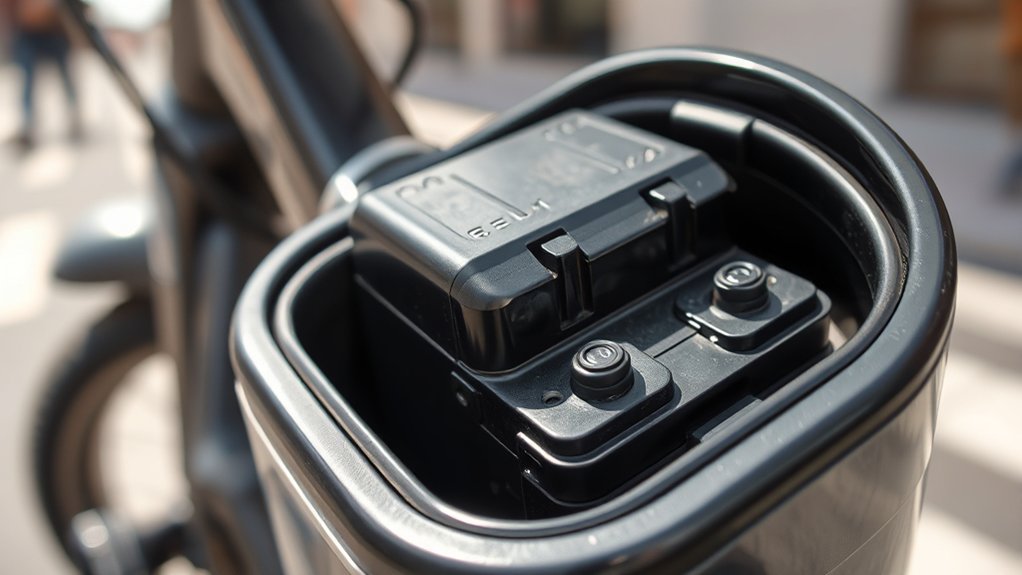
If your electric bike battery seems to be draining faster than it used to, there are several common reasons behind this issue.
One reason could be riding habits—if you often ride uphill or at high speeds, your battery works harder and drains quicker.
Riding uphill or at high speeds causes your battery to work harder and drain faster.
Extreme weather conditions, like very hot or cold temperatures, can also affect battery efficiency.
Another factor is battery age; over time, batteries lose capacity and don’t hold a charge as well.
Excessive use of accessories, such as lights or a horn, also drains power faster.
Finally, frequent stops and starts or carrying heavy loads can increase energy consumption.
Understanding these habits and conditions can help you figure out why your battery might be depleting faster than expected.
How to Check Your Battery’s Health and Capacity
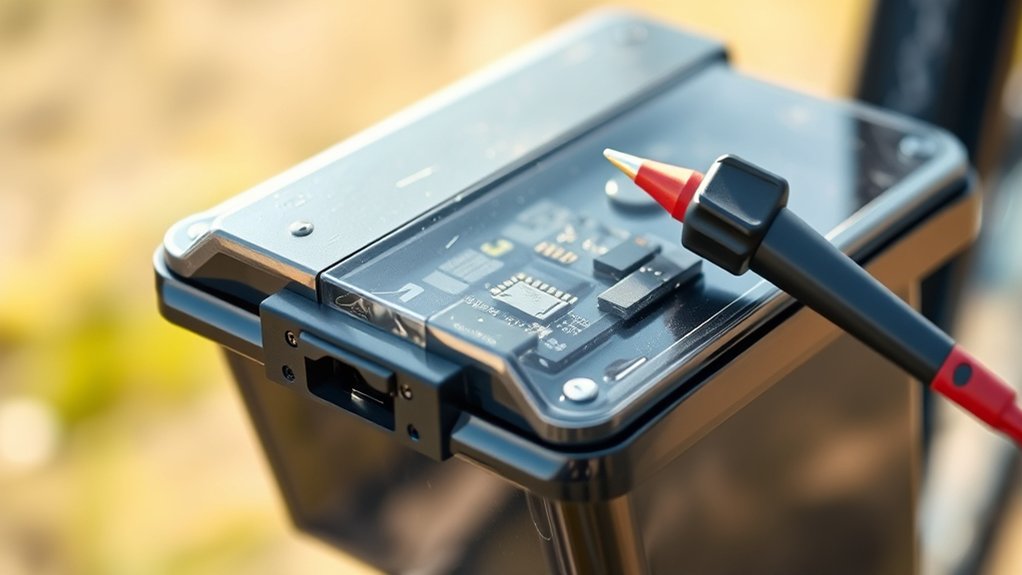
To see if your battery is still in good shape, start by testing its voltage with a multimeter.
Then, check its capacity by comparing its current range to the original specs.
These simple tests will help you figure out if your battery is losing efficiency and might need some attention.
Test Battery Voltage
Checking your electric bike battery’s voltage is a simple way to see how healthy and full it is.
To do this, turn off your bike and take out the battery. Then, set your multimeter to DC voltage and connect the red lead to the positive terminal and the black lead to the negative terminal.
Read the display; a fully charged 36V battery should show around 42V, while a 48V battery should be about 54V.
If the voltage is much lower than these numbers, your battery might be losing its ability to hold a charge. Keep in mind, a lower voltage usually means it needs servicing or replacing.
Regularly checking your battery’s voltage helps you keep tabs on its health and performance.
Assess Battery Capacity
Evaluating your battery’s capacity gives you a clear idea of how much energy it can store and deliver. You’ll need a battery capacity tester or a compatible diagnostic tool to get started.
First, fully charge your battery, then disconnect it and run the test following the device’s instructions. This measures the actual capacity, usually in watt-hours (Wh), and compares it to the original specs.
If your battery’s capacity is significantly lower than the rated value, it means it’s worn out and less efficient. You can also check how long the battery lasts during normal use; a shorter runtime indicates capacity loss.
Regularly assessing your battery helps you know when it’s time for a replacement. This way, you’ll keep your bike’s performance optimal and extend your battery’s life.
Common Causes of Battery Drain on Electric Bikes
Electric bike batteries can drain quickly for several common reasons, often linked to how the bike is used or maintained. First, riding at high speeds or on steep inclines demands more power, which drains the battery faster.
Second, keeping the bike in a high assist mode constantly uses more energy than necessary. Third, poor maintenance like dirty or loose connections can cause power loss.
Other factors include riding in extreme temperatures, which strains the battery, and neglecting regular charging or overcharging, which can reduce battery lifespan. Being aware of these issues helps you troubleshoot effectively.
Adjusting your riding style, maintaining connections, and storing the bike properly can really improve your battery life and prevent unnecessary drain.
How Riding Habits Affect Your Battery Life
Your riding habits directly impact how quickly your bike’s battery drains. Accelerating quickly and braking hard use more energy, which shortens battery life over time. Riding at high speeds also uses more power, especially on hills or rough terrain.
Riding smoothly and maintaining a steady pace helps conserve energy and extends your battery’s range. Overloading your bike with heavy gear or extra weight makes the motor work harder, draining the battery faster.
Riding steadily and avoiding extra weight preserves battery life and extends your ride.
Taking frequent stops or riding aggressively can also waste energy unnecessarily. To get the most out of your battery, try to accelerate gradually, keep a consistent speed, and avoid sudden stops.
Planning your routes to avoid hills or tough terrain can further help preserve your battery power. This way, you can enjoy longer rides without worrying about running out of juice.
Why Temperature Impacts Your Electric Bike Battery
When the temperature drops, your battery’s capacity decreases, making it drain faster.
Conversely, high heat accelerates battery wear, shortening its overall lifespan.
Understanding how temperature affects your battery helps you take better care of it in different conditions.
Cold Weather Reduces Capacity
Cold weather can really cut down your electric bike battery’s capacity because low temperatures slow down the chemical reactions inside.
This means your battery can’t deliver as much power, so your rides might be shorter and it drains faster.
To help out, try these tips:
- Keep your battery warm by storing it indoors or in an insulated bag when you’re not riding.
- Avoid leaving your bike in extreme cold for long periods.
- Pre-warm the battery by placing it in a warm spot for a few minutes before you ride.
Heat Accelerates Battery Wear
High temperatures can speed up the wear and tear on your electric bike battery, shortening its lifespan. When your battery gets hot, the chemical reactions inside it speed up, which causes the cells to degrade faster.
This means your battery won’t hold a charge as long and might fail sooner than expected. Excess heat can also cause the electrolyte to evaporate or break down, damaging the battery’s internal parts.
To keep your battery in good shape, avoid leaving your bike in direct sunlight or hot places for too long. If your battery gets hot while riding, stop and let it cool down.
Proper storage and avoiding high temperatures help extend your battery’s life and keep it working well for longer.
Proper Charging and Maintenance Tips for Your Battery
Proper charging and maintenance are key to extending your electric bike battery’s lifespan and avoiding quick draining. To keep your battery in good shape, follow these simple tips:
- Fully charge your battery, but don’t overdo it—unplug once it hits 100%.
- Always use the charger that comes with your bike to avoid compatibility issues.
- Store your battery in a cool, dry place when you’re not riding, ideally between 50-70°F.
Regularly check for any damage or corrosion on the terminals, and clean the contacts gently with a soft cloth. Avoid letting your battery completely discharge often; instead, recharge it before it gets too low. Proper care helps your battery perform well and last longer, saving you money and hassle over time.
How to Inspect and Fix Battery Connection Problems
Start by checking your battery terminals to make sure they’re clean and tightly connected.
Next, inspect all wiring connections for any signs of damage or looseness.
Finally, ensure contact points are secure to prevent power loss and improve battery performance.
Check Battery Terminals
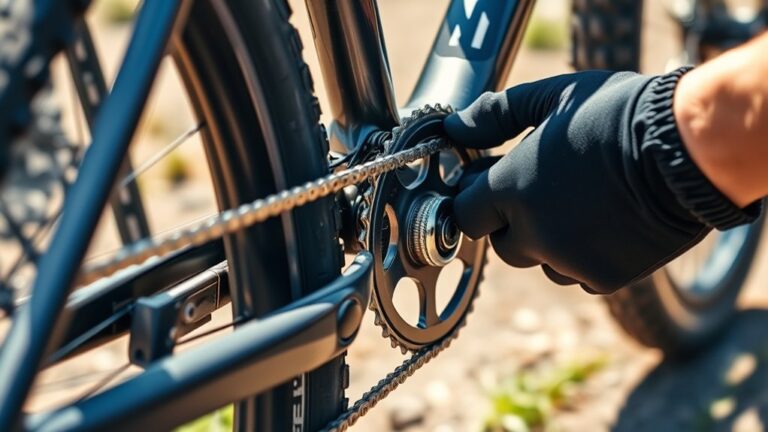
If your electric bike’s battery is draining quickly, the connection points might be the culprit. Start by inspecting the battery terminals for corrosion, dirt, or loose connections.
To do this, power off your bike and disconnect the battery. Clean the terminals with a soft brush or cloth dipped in a mixture of baking soda and water.
Check that the terminals are tight and secure. If they’re loose, gently tighten them with a screwdriver.
Make sure there’s no corrosion or debris blocking the connection, as this can cause poor contact and drain the battery faster. After cleaning and tightening, reconnect the battery and see if the issue improves.
Proper terminal maintenance can notably extend your battery’s lifespan.
Inspect Wiring Connections
Wiring connections can often be the hidden culprit behind rapid battery drain, especially if they’ve become loose, damaged, or corroded over time. Start by inspecting all visible wires leading to and from the battery, motor, and controller.
Look for frayed, cracked, or disconnected wires. Check for corrosion or rust around terminals and connectors, which can impede electrical flow. Gently disconnect and reconnect plugs, making sure they fit snugly.
Use a multimeter to test continuity if you suspect broken wires. Tighten any loose connections carefully, but avoid over-tightening, as it can damage components.
Maintaining clean, secure wiring ensures efficient power transfer and can prevent unnecessary battery drain caused by poor electrical contact. Regular inspection keeps your e-bike running smoothly and prolongs battery life.
Secure Contact Points
Ever wonder why your e-bike battery drains quickly despite a recent charge? The problem might be loose or corroded contact points. To fix this, start by inspecting the battery terminals and connectors. Make sure they’re clean, tight, and free of corrosion.
If you see any buildup, gently clean it with a wire brush or a cloth dipped in vinegar. Next, check the contact points for any signs of damage or wear. Replace any damaged connectors right away.
Finally, reattach everything securely, ensuring the contacts are snug. Here’s a quick checklist:
- Clean and tighten all battery terminals and connectors
- Replace any corroded or damaged contact points
- Secure all connections firmly before riding
Proper contact points help ensure efficient power flow and extend your battery’s life.
Ways to Optimize Your Electric Bike for Longer Battery Life
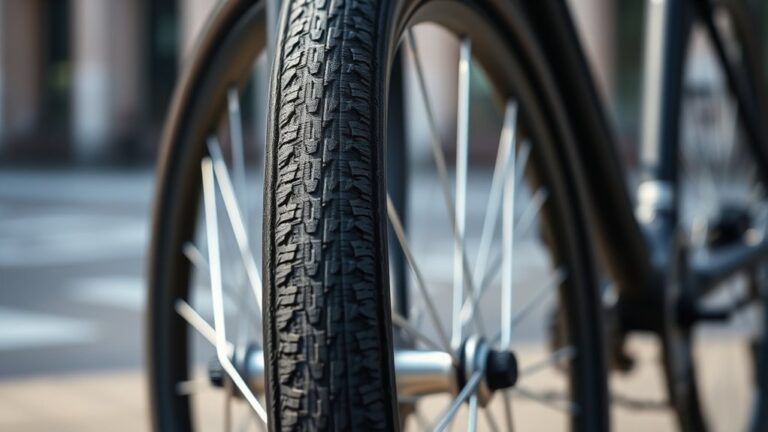
To extend your electric bike’s battery life, adopt some practical riding and maintenance habits. Keep your tires properly inflated to reduce rolling resistance, which helps conserve battery power.
Maintain proper tire inflation to reduce resistance and extend your e-bike’s battery life.
Use pedal assist wisely—avoid full throttle unless necessary—and shift gears smoothly to prevent putting extra strain on the motor. Regularly clean and inspect your bike, especially the battery contacts, to ensure efficient power transfer.
Limit unnecessary weight on your bike to reduce the motor’s workload. Ride at moderate speeds because high speeds drain batteries faster. If you’re not riding for a while, store your bike in a cool, dry place and keep the battery partially charged.
These habits help maximize your battery’s lifespan and improve overall efficiency.
When Should You Consider Replacing Your Battery?
Even with proper maintenance and riding habits, your electric bike battery will eventually reach the end of its effective lifespan. You should consider replacing it when:
- The battery’s capacity drops below 50%, which causes noticeably shorter rides.
- It takes much longer to charge or no longer holds a full charge.
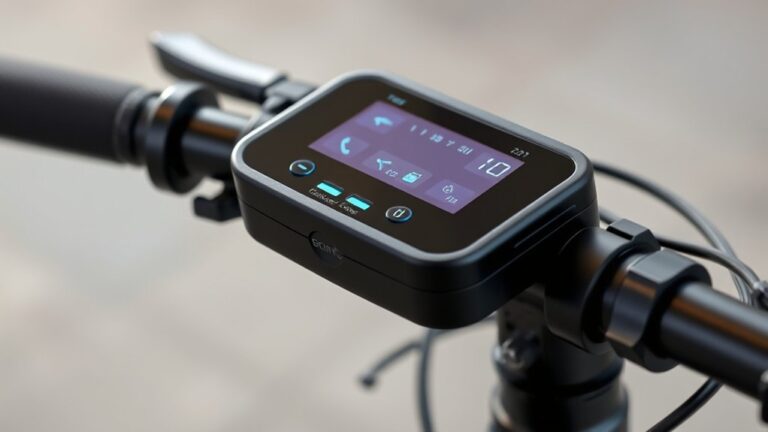
- You see frequent error messages or warning lights on the battery or bike’s display.
At this point, the battery’s performance can’t be reliably restored. Continuing to use it might damage other components or pose safety risks. Replacing the battery keeps your bike efficient and safe to ride.
When these signs show up, it’s time to act and get a new battery.
How to Update Firmware and Troubleshoot Software Issues
Keeping your electric bike’s firmware up to date is crucial for top performance and safety. Check the manufacturer’s app or website for the latest firmware version.
Connect your bike to your device using Bluetooth or Wi-Fi, then follow the instructions to download and install updates. Firmware updates often fix bugs that cause battery drain or software glitches.
If you run into issues like unresponsive controls or inconsistent power, try resetting the system or running a software diagnostic. Some bikes have built-in troubleshooting tools accessible through the display or app.
Make sure your battery is fully charged before updating and avoid interruptions during the process. Regular updates keep everything running smoothly and can help prevent battery drain caused by software problems.
Tips to Prevent Battery Drain and Extend Battery Life
While riding your e-bike, paying attention to your riding habits can significantly extend your battery life. You can improve efficiency by following a few simple tips.
- Maintain steady speeds: Avoid rapid accelerations and braking, as they use more power. Use the motor gradually and coast when you can.
- Use pedal assist wisely: Engage the motor only when you need to. Relying more on your pedal power helps conserve battery life.
- Keep tires properly inflated: Under-inflated tires increase rolling resistance, making the motor work harder and drain more energy.
How Professional Servicing Can Help Improve Battery Performance
Professional servicing plays a crucial role in maintaining and enhancing your e-bike battery’s performance. When experts check your bike, they can spot issues like faulty connections, corrosion, or degraded cells that might be causing rapid drain.
Servicing ensures the battery is properly calibrated and balanced, which boosts efficiency. Technicians can also clean contacts and inspect the charger and wiring to prevent future problems.
If your battery’s capacity has dropped, a professional can recommend options like reconditioning or replacement. Regular maintenance helps catch small issues early before they become costly repairs.
This proactive approach prolongs your battery’s lifespan. Ultimately, professional servicing keeps your e-bike running smoothly, extends battery life, and saves you money over time.
Frequently Asked Questions
Can Using the Bike on Higher Assist Levels Drain the Battery Faster?
Yes, using higher assist levels definitely drains your battery faster. When you pick a higher assist, your motor works harder and uses more energy to give you extra power.
This increased effort means your battery gets used up more quickly, which reduces your riding time. To make your battery last longer, try switching to lower assist levels when you can.
Especially on flat terrain or when you don’t need maximum support, managing your assist levels can help you ride longer between charges.
How Does Riding Terrain Affect My Electric Bike’s Battery Life?
Riding on steep hills or rough terrain drains your e-bike’s battery faster than smooth, flat paths. Uphill climbs demand more power, forcing your motor to work harder, which uses up more energy.
On the other hand, riding on even terrain lets your battery last longer since your motor doesn’t have to work as hard. So, choosing flatter routes helps save your battery life.
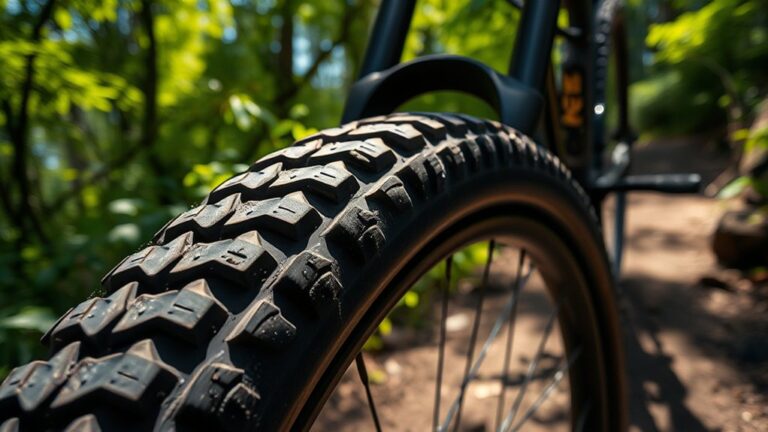
Challenging terrain, like hills or rough trails, requires extra charging or better battery management.
Are Aftermarket Batteries Compatible With My Electric Bike?
Yes, aftermarket batteries can be compatible with your electric bike, but you should check a few things first. Make sure the voltage, capacity, and connector types match your bike’s specs.
Not all batteries are made for every model, so it’s a good idea to check with your bike’s manufacturer or a professional before buying. Using the wrong battery can damage your bike’s electronics or affect performance.
Double-checking compatibility is key to keeping your bike running smoothly and avoiding any issues down the road.
Does Carrying Heavy Loads Impact Battery Consumption?
Carrying heavy loads definitely impacts your battery consumption. For example, if you regularly transport a large backpack or groceries, your motor has to work harder, which drains the battery faster.
This increased effort requires more energy, leading to quicker depletion. So, if you notice your battery draining rapidly when carrying extra weight, consider reducing the load or upgrading to a higher-capacity battery to maintain maximum range and performance.
Can Software Updates Improve Battery Efficiency on My E-Bike?
Yes, software updates can improve your e-bike’s battery efficiency. Updates often include bug fixes, performance improvements, and new features that help manage power better.
By keeping your e-bike’s firmware current, you ensure your system runs smoothly and uses energy more efficiently. Regularly check your manufacturer’s website or app for updates and install them promptly.
This simple step can make a noticeable difference in your ride time and overall performance. Staying up-to-date is a quick way to get the most out of your e-bike.
Conclusion
Tired of your e-bike’s battery draining too quickly? Understanding the causes and taking proactive steps can help. Things like checking your battery health, adjusting your riding habits, and maintaining proper temperature can really make a difference.
Regular firmware updates and professional servicing are also important. They can help keep your battery in good shape and prevent unnecessary drain.
Are you ready to optimize your e-bike’s performance and enjoy longer rides? Take control today and keep your battery going strong.