
7 Facts About How Fast a 2000W Electric Bike Does Go
Are you curious about how fast a 2000W electric bike can really go? You’re not alone—many riders want to push their bikes to the limit but worry about safety, legality, or simply how to get the most out of their ride. Understanding the speed capabilities of a 2000W electric bike can help you ride smarter and safer.
A 2000W electric bike can typically reach speeds of 28 to 35 mph under ideal conditions, but your actual speed depends on factors like rider weight, terrain, and weather.
Legal limits often restrict such bikes to 20-28 mph, and regional laws vary.
Upgrading components or adjusting settings can boost performance, but safety and compliance are key. Want to learn more about maximizing your bike’s speed safely? Continue exploring for essential tips and insights.
Key Takeaways
- A 2000W electric bike can typically reach speeds of around 28 to 35 mph (45 to 56 km/h) when conditions are just right.
- Of course, the actual top speed depends on things like your weight, the terrain you’re riding on, wind resistance, and the weather.
- Keep in mind that laws usually limit street-legal e-bike speeds to about 20-28 mph (32-45 km/h).
- If you want to go faster, upgrading parts like the motor or batteries can help boost the bike’s top speed and overall performance.
- But it’s also important to wear safety gear and follow speed regulations to stay legal and ride safely.
How Fast Can a 2000W E-Bike Actually Go?

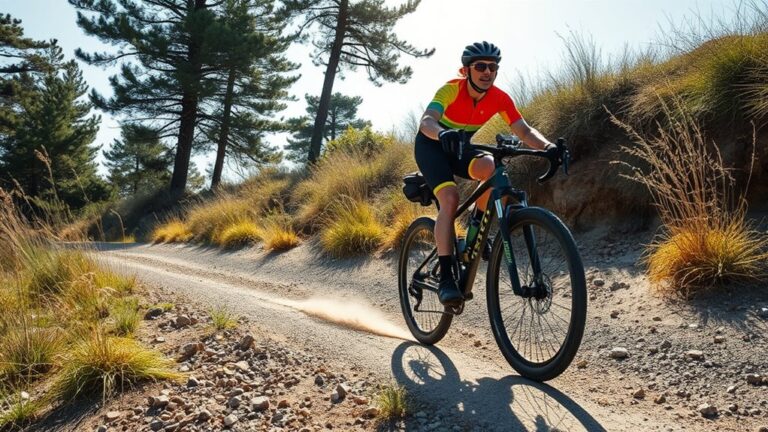
Have you ever wondered how fast a 2000W electric bike can really go? With the right conditions, it can reach impressive speeds, often between 28 to 35 mph (45 to 56 km/h).
Your bike’s top speed depends on factors like rider weight, terrain, and wind resistance. When you’re on flat ground and fully charged, you might push closer to the upper limit.
Keep in mind that some models are limited by software or hardware to ensure safety and comply with regulations. The actual speed you experience may vary.
But a 2000W e-bike is definitely built for quick, exhilarating rides. Just remember, your bike’s maximum speed isn’t only about power—it’s also about how well you handle and control it.
What Are the Legal Speed Limits for 2000W Electric Bikes?
Since laws vary by region, it’s important to know the legal speed limits for 2000W electric bikes before you hit the road. In many places, e-bikes are classified based on their top speed and power output.
Typically, a 2000W e-bike falls into a category that might be limited to 20-28 mph (32-45 km/h) for street legality. Some regions restrict electric bikes to 750W or less for on-road use, which means higher power bikes may need to be registered or licensed.
A 2000W e-bike is typically limited to 20-28 mph for street legality, but regulations vary by region.
Always check your local regulations to make sure you’re compliant. Exceeding the speed limit can result in fines, vehicle confiscation, or other legal issues.
Knowing these limits helps you enjoy your e-bike legally and safely.
What Factors Affect the Speed of a 2000W E-Bike?
Your bike’s speed depends on several key factors, including the motor’s power and quality, your weight, and the terrain you ride on.
A stronger motor and a lighter rider generally lead to faster speeds. Tough terrain can slow you down, making riding more challenging.
Understanding these elements helps you get the most out of your 2000W e-bike.
Motor Power and Quality
The power and quality of the motor are key factors in how fast a 2000W electric bike can go. A high-quality motor provides consistent power, efficiency, and smooth acceleration, which directly impacts your top speed.
Cheaper motors might struggle with heat dissipation, leading to drops in performance. In contrast, premium motors keep their power longer and handle high speeds better.
Motor design, materials, and manufacturing precision all influence overall speed. Good cooling systems prevent overheating during fast rides, helping you maintain top speed.
Efficient winding configurations also improve how well the motor delivers power. Using premium components reduces energy loss and boosts performance.
Motor placement, whether in the front or rear hub, affects handling and speed. Lastly, build quality affects how durable the motor is and how reliably it maintains steady speed over time.
Rider Weight Impact
Motor quality and power greatly influence a 2000W e-bike’s top speed, but rider weight also matters. Heavier riders put more strain on the motor, which can lower your maximum speed. Lighter riders usually reach higher speeds because the motor doesn’t have to work as hard.
The table below shows how rider weight affects top speed:
| Rider Weight | Approximate Speed | Effect on Performance |
|---|---|---|
| Light (<150 lbs) | Close to max speed | Less motor strain, faster ride |
| Moderate (150-200 lbs) | Slightly reduced | Balanced performance |
| Heavy (>200 lbs) | Noticeably lower | Increased motor effort, slower |
Your weight influences how efficiently the motor can propel you, impacting your overall speed.
Terrain and Conditions
Different terrains and environmental conditions can really impact how fast a 2000W e-bike can go. Riding on smooth pavement lets you reach higher speeds, while rough or uneven surfaces slow you down.
Inclines and hills take more power, which reduces your top speed. Weather also matters—strong headwinds make you go slower, while tailwinds can give you a boost.
Wet or muddy conditions decrease traction and control, affecting your overall performance. Keep in mind that uphill terrain increases resistance and slows you down.
Wind conditions can either hinder or improve your speed. Rough or uneven surfaces cause more drag and make you go slower. Wet or slippery conditions decrease traction and safety.
Flat, paved roads are ideal for reaching your maximum speed. Understanding these factors helps you better anticipate how your e-bike will perform in different situations.
How Do Battery and Motor Quality Impact Your Bike’s Speed?
Since the quality of your battery and motor directly affects how fast your bike can go, investing in high-grade components is essential for peak performance. A top-quality motor delivers consistent power, enabling faster acceleration and higher top speeds without overheating or losing efficiency.
Likewise, a high-quality battery provides reliable, sustained energy output, ensuring your bike maintains maximum speed over longer distances. Cheaper batteries may degrade quickly, reducing speed and range, while inferior motors can struggle with power delivery, causing sluggish performance.
When both components are premium, they work together seamlessly, maximizing your bike’s speed potential. Upgrading to high-quality motors and batteries not only boosts speed but also improves overall reliability, safety, and ride experience.
How Rider Weight and Terrain Influence Speed?
Your rider weight and the terrain you’re riding through play key roles in how fast your electric bike can go. Heavier riders cause more resistance, which can slow you down, especially uphill or on rough surfaces. Lighter riders usually enjoy better acceleration and higher top speeds.
Terrain makes a big difference too. Flat, paved roads let you reach maximum speeds easily, while hills, gravel, or uneven ground tend to slow you down and make your ride less efficient.
Heavier rider weight increases rolling resistance, making it harder to go faster. Uphill terrain also reduces your speed. On flat surfaces, you can hit your top speed more easily. Rough or uneven terrain creates more drag, and wind resistance becomes more noticeable at higher speeds.
Knowing these factors helps you understand how different conditions affect your ride. It allows you to plan better and get the most out of your electric bike.
Can Upgrades Help You Reach Higher Speeds?
Upgrading certain parts of your electric bike can really boost its top speed and overall performance. Swapping out the controller, motor, or battery for higher-quality options can make a noticeable difference.
For example, a more powerful controller can better manage power for higher speeds, while a motor upgrade can help increase both acceleration and top speed. Just remember, legal limits still apply.
Some upgrades may also impact safety or durability, so it’s good to keep that in mind. Here’s a quick look at the main upgrade types and their effects:
| Upgrade Type | Effect |
|---|---|
| Controller | Improves power management for higher speeds |
| Motor | Increases acceleration and top speed |
| Battery | Provides more power and longer rides |
| Gear Ratio | Enhances efficiency and speed potential |
Speed Safety Tips and Staying Within Legal Limits?
To stay safe and legal, you need to know your local speed limits and follow them.
Always wear proper safety gear, like a helmet and reflective clothing, to protect yourself.
Use your bike’s speed limit settings to avoid going too fast in restricted areas.
Understand Local Speed Laws
Ever wondered how fast you can legally ride your electric bike? Knowing local speed laws is key to staying safe and avoiding fines. Different areas have specific limits for electric bike speeds, especially for those with a 2000W motor. Check your city or state regulations before hitting the road.
Remember:
- Speed limits vary by jurisdiction.
- Some places restrict bikes to 20 mph or less.
- Commercial areas may have lower limits.
- Off-road or bike paths might have different rules.
- Always carry relevant permits or registration if required.
Staying informed about local laws helps you ride confidently and legally. Ignoring these rules can lead to penalties or safety risks. Be proactive in understanding the legal limits where you ride.
Wear Proper Safety Gear
Wearing proper safety gear is vital for staying protected, especially when riding at higher speeds on a 2000W electric bike. Always wear a well-fitted helmet to protect your head in case of a fall or collision.
Gloves improve your grip and protect your hands from abrasions. Reflective clothing or bright gear increases your visibility to others. Consider wearing knee and elbow pads to prevent injuries during falls.
Eye protection, like goggles or sunglasses, shields your eyes from dust, debris, and insects. Proper gear not only minimizes injury risk but also boosts your confidence when riding faster.
Use Speed Limit Settings
Adjusting your bike’s speed limit settings helps guarantee you stay within safe and legal boundaries. Many electric bikes let you set maximum speeds so you don’t accidentally ride faster than the law allows. Properly configuring these limits keeps you safe from fines and accidents.
Always check your local regulations before setting your speed cap. Use the bike’s app or onboard controls to set speed limits easily. Regularly review and adjust the settings as needed to stay within legal limits.
Respect local laws to avoid fines or penalties. Keep in mind that riding at slower speeds is often safer and more comfortable. Before hitting busy roads, test your settings in safe environments to ensure everything feels right.
Staying within legal speed limits not only keeps you safe but also lets you enjoy your ride without worries about legal issues.
Frequently Asked Questions
Are 2000W E-Bikes Suitable for Off-Road Riding?
Yes, a 2000W e-bike is suitable for off-road riding. Its powerful motor offers enough torque and speed to handle rough terrains like dirt trails, rocky paths, and steep inclines.
You’ll enjoy better control and responsiveness, making your off-road adventures more exciting. Just make sure your bike has proper suspension and tires designed for off-road conditions to maximize safety, comfort, and performance during your outdoor explorations.
How Does Weather Affect the Speed of a 2000W E-Bike?
Weather significantly affects the speed of your 2000W e-bike. Rain and wet conditions reduce traction, making it harder to stay at high speeds safely.
Wind can either push against you or help you along, depending on its direction, which impacts your overall speed.
Cold weather can lower your battery’s efficiency, resulting in less power output.
To get the best performance, ride carefully in bad weather and consider adjusting how you ride.
Can a 2000W E-Bike Be Used in Urban Areas Legally?
You can generally use a 2000W e-bike in urban areas, but it’s a good idea to check your local laws first. Many cities consider bikes like this as motor vehicles, which might mean needing to register or get a license.
Even if your bike’s power suggests you can go fast, it’s important to follow the legal limits. That way, you stay safe and avoid any hassles or fines.
Keeping up with local rules helps you enjoy your ride without unexpected problems. It’s always better to be informed and ride responsibly.
What Maintenance Is Needed to Keep the Bike’s Speed Optimal?
To keep your 2000W e-bike’s speed ideal, regularly check and maintain the chain, gears, and tires for proper inflation and wear.
Keep the battery charged and clean, and make sure the contacts are free of corrosion. Lubricate moving parts as needed and inspect the brakes for responsiveness.
Store the bike in a dry, cool place to prevent damage. Routine maintenance helps your bike perform at its best and keeps its speed efficient.
How Does Tire Type Influence the Speed of a 2000W E-Bike?
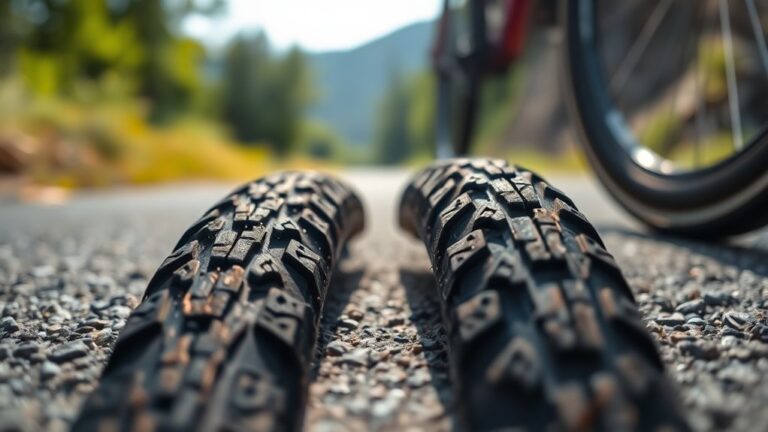
Tire type directly impacts the speed of your 2000W e-bike. Narrow, high-pressure tires reduce rolling resistance, helping you go faster. Wider tires offer more grip and comfort but can slow you down.
Smooth, slick tires are best for speed on paved surfaces. Knobby tires provide better traction off-road but might decrease your top speed.
Choosing the right tires based on your riding style will help optimize your bike’s speed.
Conclusion
Understanding how fast a 2000W electric bike can go helps you ride smarter and safer. Your bike’s speed depends on your motor, the terrain, and legal limits.
Pay attention to quality parts and consider thoughtful upgrades to fine-tune your ride. Staying within legal speed limits keeps things safe and enjoyable.
Remember, riding at the right speed with a 2000W e-bike is key to truly enjoying the journey ahead.