How to Buy a Road Bike in Steps
Thinking about buying a road bike? You’re not alone—many people find the process overwhelming with so many options out there.
Whether you’re aiming for racing, long rides, or daily commuting, choosing the right bike can feel confusing at first.
To buy a road bike, start by identifying your cycling goals—whether for racing, long rides, or commuting—then choose the bike type that suits those needs.
Set a realistic budget and consider frame materials like aluminum or carbon fiber based on weight, durability, and cost.
Find the right size by measuring your inseam and trying different models to guarantee comfort.
Inspect bikes carefully and test ride different options, whether at local shops or online.
For more tips on selecting accessories and maintaining your bike, keep exploring.
Key Takeaways
- Determine your cycling goals so you can pick the right bike type and features. Whether you’re looking for speed, comfort, or versatility, knowing this helps narrow down your options.
- Set a realistic budget and choose a suitable frame material. Think about durability and weight—some materials are lighter but may cost more.
- Find the right bike size and fit by taking measurements and doing test rides. Comfort and efficiency are key, so don’t rush this step.
- Inspect bikes carefully and compare options both in local shops and online. Looking at different brands and models helps you make a smarter choice.
- Budget for essential accessories and maintenance. This will keep you safe and ensure your bike stays in good shape for the long run.
What Are the Different Types of Road Bikes?
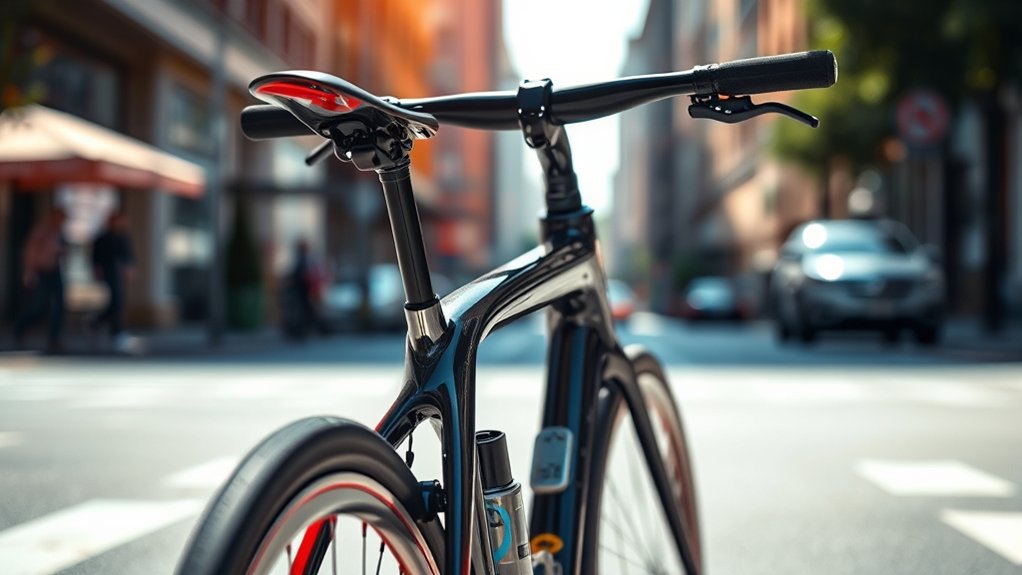
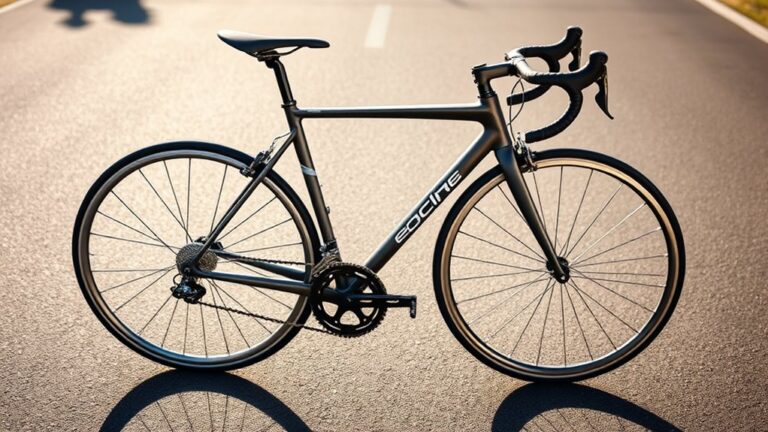
When choosing a road bike, it’s helpful to know the different types so you can pick one that matches your riding style. There are several main types: race bikes, built for speed and agility on smooth roads; endurance bikes, designed for comfort on long rides with relaxed geometry; and sportive or gran fondo bikes, which combine speed with comfort for longer distances.
You also have sportive bikes, which focus on comfort and stability for long-distance rides. Aero bikes prioritize aerodynamics to achieve maximum speed, making them ideal for racing. Each type features specific frame designs, components, and geometry tailored for different riding needs.
Knowing these options makes it easier to find a bike that feels natural and supports your cycling goals.
How Do Your Cycling Goals Shape Your Bike Choice?
Your cycling goals directly influence the type of bike that will serve you best. If you’re aiming for long-distance rides or endurance events, you’ll want a lightweight, efficient road bike designed for comfort over hours.
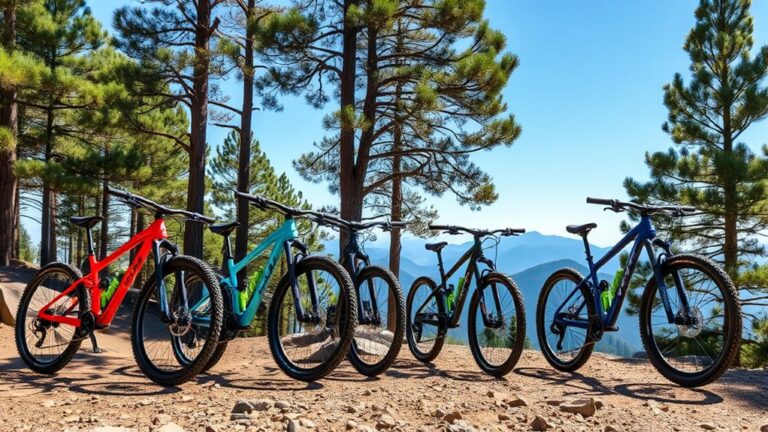
For sprinting or fast-paced group rides, a more aggressive, aerodynamic bike might suit you better. If your goal is mountain biking or exploring rough terrains, a gravel or adventure bike will provide the necessary durability and versatility.
Commuting daily calls for a practical, comfortable bike with fenders and racks. Clarifying your primary purpose helps you focus on features like frame geometry, tire width, and riding position.
Matching your goals with the right bike guarantees you enjoy your rides and stay motivated to keep pedaling.
How Much Should You Budget for a Road Bike?
Setting a budget helps you focus on the options that fit your needs and finances. You’ll find bikes across a range of prices, from entry-level to high-end models, plus additional costs like accessories and maintenance.
Knowing your budget upfront keeps your shopping realistic and stress-free. It makes the whole process smoother and helps you avoid overspending on features you don’t need.
Budget Range Options
Establishing a realistic budget is key to finding a road bike that fits your needs without overspending. Your budget will influence the quality, features, and brand options available to you.
Entry-level bikes usually cost between $500 and $1,000. They’re a great choice for beginners or casual riders who want reliable performance without breaking the bank.
If you’re looking for better components and lighter frames, plan to spend between $1,000 and $2,500. These bikes offer more advanced features for a smoother ride.
High-end bikes priced above $2,500 include top-tier materials and components. They’re ideal for serious cyclists or racers looking for maximum performance.
Keep in mind that spending more often means better durability, comfort, and efficiency. Think about what features matter most for your riding style and set a realistic budget.
This will help you narrow down your options and find a bike that balances quality with affordability.
Additional Costs to Consider
Beyond the initial cost of the bike itself, there are a few extra expenses you should keep in mind to be fully prepared for your rides. Essentials like a helmet, gloves, and cycling shoes can add up quickly.
Don’t forget about maintenance costs, including regular tune-ups, replacement parts, and occasional upgrades to keep your bike in top shape.
If you plan on riding long distances, investing in quality lights, a repair kit, and a pump is a good idea.
Storage options like a bike lock and a rack for transportation also add to your budget.
Finally, if you’re new to cycling, consider budgeting for cycling classes or a coach to improve your skills and confidence.
All these costs help ensure a safe and enjoyable riding experience.
What Are the Best Frame Materials for Road Bikes?
When choosing a frame material, you’ll want to think about the balance between weight and durability to match your riding style.
Cost and maintenance also matter, as some materials need more care or are pricier.
Getting a good sense of these factors helps you pick the best frame for your needs and budget.
Weight and Durability Balance
Choosing the right frame material is essential because it directly affects your bike’s weight and durability. If you want a lightweight bike for climbing and fast rides, carbon fiber is your best choice. It’s strong but light. However, it can be more fragile and expensive.
Aluminum frames offer a good balance. They’re lighter than steel and quite durable, making them suitable for most riders. Steel frames are heavier but excel in durability and comfort.
Steel is especially good if you need a tough, long-lasting bike that can handle rough conditions. Your choice depends on how much weight you’re willing to carry versus how much durability you need.
Balancing these factors guarantees your bike meets your riding style and terrain needs.
Cost and Maintenance Factors
While choosing the best frame material for your road bike, cost and maintenance are important to consider. Different materials come with different prices and upkeep needs, affecting your long-term investment.
Aluminum frames are affordable, lightweight, and require minimal maintenance, making them a popular choice. Carbon fiber offers high performance but is more expensive and needs careful handling.
Steel frames are durable and easier to repair, but they tend to be heavier and need more care over time.
How to Find the Right Bike Size and Fit for Comfort
Ever wondered how to guarantee your bike fits perfectly for maximum comfort? Finding the right size involves more than just picking a frame.
First, measure your inseam to determine your ideal frame size. Second, consider your riding style. Long-distance riders need a slightly different fit than sprint racers.
Third, check the bike’s standover height. You should have 1-2 inches of clearance. Fourth, test different top tube lengths to see which feels most natural and comfortable.
Remember, a proper fit reduces fatigue and injury risk. When shopping, ask for sizing charts specific to each brand, and don’t hesitate to take test rides.
Adjust saddle height and handlebar position as needed to fine-tune your comfort. Proper sizing guarantees enjoyable, pain-free rides.
Which Components and Gear Ratios Match Your Riding Style?
Are you wondering how to select the right components and gear ratios to match your riding style? Your choice depends on whether you prefer speed, endurance, or versatility.
Choosing the right components and gear ratios enhances performance and enjoyment tailored to your riding style.
If you’re into racing or fast group rides, go for lightweight components with narrow gear ranges, like compact cranksets and high-speed cassettes. For long-distance rides or endurance, look for wider gear ratios that help you maintain a steady cadence on varied terrain.
Casual riders might prefer simpler, durable components that require less maintenance. Your gear ratios should match your fitness level and riding goals, ensuring smooth, efficient shifting without overextending your muscles.
Matching your components to your style can improve performance, comfort, and enjoyment during every ride.
What Features Matter Most for Road Cycling Performance?
In regard to road cycling performance, certain features directly influence your speed, efficiency, and comfort on the bike. First, the frame material impacts weight and ride quality. Carbon fiber offers a lightweight, stiff ride, while aluminum balances durability and affordability.
Second, the gear system determines how smoothly you shift and handle different terrains. Look for precise, responsive shifters to make riding easier.
Third, tire width and tread influence rolling resistance and grip. Narrow tires reduce drag, while wider tires improve comfort.
Fourth, the cockpit ergonomics, including handlebar shape and stem length, affect your riding posture and fatigue. Prioritize these features based on your riding goals to ensure your bike is optimized for performance and comfort.
How to Test Ride and Compare Different Road Bikes
When you’re ready to test ride and compare different road bikes, it’s important to have a clear plan. First, find bikes that match your needs and preferences, focusing on fit, geometry, and features.
Before riding, adjust the saddle height and handlebars so they’re comfortable. During the test ride, pay attention to how the bike feels—responsiveness, stability, and comfort over different terrains.
Notice how easily you can control the bike and how smoothly the gears shift. Take your time riding different models back-to-back to compare their handling and fit.
Don’t rush the process; a thorough test ride helps you understand which bike suits your riding style and body best. This focused approach ensures you make a well-informed decision.
What Should You Check During Bike Inspection and Test Rides?
During a bike inspection and test ride, focus on key components and how the bike feels overall to make sure it fits your needs. Check the following:
- Frame and fork – Look for cracks, dents, or rust that might affect safety and durability.
- Brakes – Test both front and rear brakes to see how responsive they are and how well they stop. Listen for any squeaking.
- Gears and drivetrain – Shift through all the gears smoothly. Make sure the derailleur and shifters work seamlessly.
- Wheels and tires – Spin the wheels to check for wobbling or looseness. Also, inspect tires for wear, cuts, or low pressure.
Pay attention to how the bike handles, feels comfortable, and responds to your input. This helps confirm you’re making a smart, safe investment.
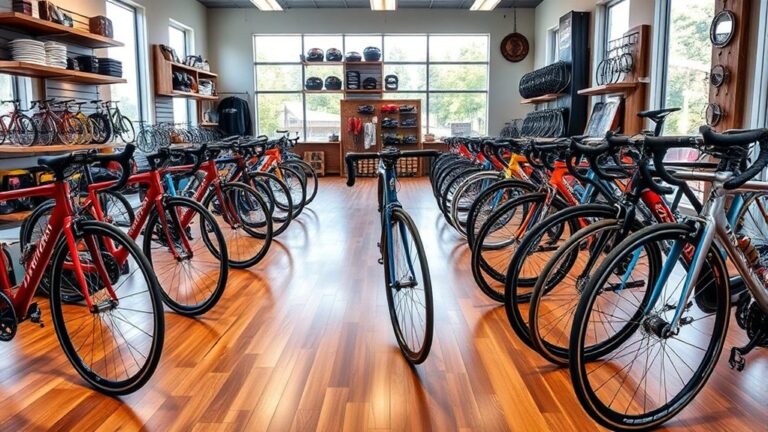
Should You Shop Local or Buy Online for Your Road Bike?
When choosing where to buy your road bike, think about whether you want personal help or a bigger selection.
Local shops often have experts who can guide you and help right away, which is great if you prefer in-person advice.
Online stores might give you better prices and a wider variety of bikes to choose from.
Consider what’s more important to you before making your decision.
Personal Assistance Availability
Deciding where to buy your road bike often depends on how much personal help you want. If you like hands-on guidance, shopping locally is a great choice. Local bike shops offer:
- Expert fitting to ensure comfort and efficiency
- Personalized advice on bike models and parts
- In-person demos of bike features
- Immediate support for adjustments and repairs
These services help you make a confident, informed decision. Online stores usually don’t have direct interaction but might provide detailed descriptions, reviews, and virtual chats.
If you want customized fitting and ongoing support, local shops are your best bet. But if you’re okay doing your own research and don’t mind self-assembly or remote help, buying online can work. Your comfort level with assistance shapes your shopping experience.
Price and Selection Range
Generally, your choice between shopping locally or online depends on the variety and prices you’re after. Local bike shops usually have a curated selection, focusing on popular models and brands, which can limit options but offer expert advice. Prices might be higher because of overhead costs, but you get personalized help and immediate access.
Online stores tend to have a wider range of bikes, from budget to high-end models, often at lower prices thanks to reduced overhead. You can compare many options quickly, but you’ll need to consider shipping costs and wait times. If you want variety and affordability, shopping online is a great choice.
On the other hand, if you prefer personalized service and instant access, local shops might be a better fit. Think about your priorities to pick the best option for your needs.
What Accessories and Maintenance Costs Should You Expect?
Expect to spend some money on essential accessories and ongoing maintenance to keep your road bike in top shape. First, invest in a quality helmet and cycling apparel for safety and comfort.
Invest in quality gear and regular maintenance to ensure safe, smooth, and enjoyable cycling experiences.
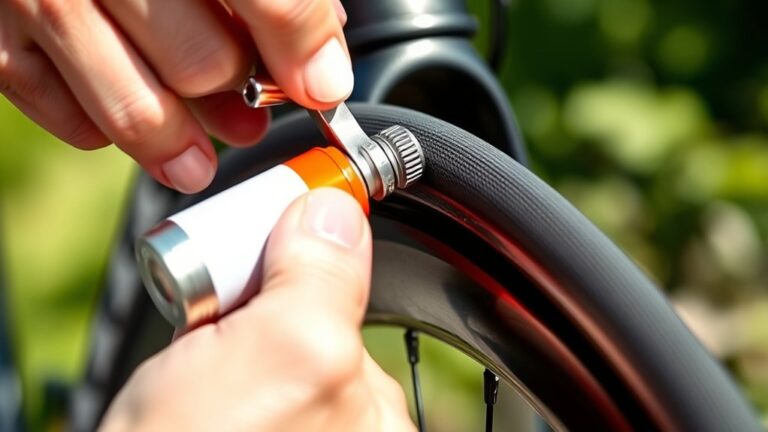
Second, purchase basic tools like a pump, tire levers, and a multi-tool for repairs. Third, budget for replacement parts such as brake pads, tires, and chains, which wear out over time.
Fourth, factor in regular maintenance costs, including chain lubrication, brake adjustments, and periodic professional tune-ups. These expenses help ensure your bike stays reliable and safe during your rides.
Being prepared for these costs allows you to maintain peak performance and avoid unexpected breakdowns. This makes your cycling experience smoother and more enjoyable.
Getting Ready for Your First Ride: Breaking in Your New Bike
Once you’ve equipped yourself with the right accessories and scheduled regular maintenance, it’s time to get your new bike ready for that first ride.
Start by checking the tire pressure; properly inflated tires improve comfort and help prevent flats. Then, inspect the brakes to make sure they respond smoothly and stop effectively.
Shift through all gears to confirm smooth changes and make any needed adjustments. Loosen any tight bolts and tighten those that might be loose from shipping.
Test the saddle height and handlebar position for comfort. Also, do a quick safety check on the chain and cables.
Take a short, slow ride around your neighborhood to get used to how your bike handles. This break-in helps you spot any issues before longer rides, making sure you have a safe and enjoyable experience.
Frequently Asked Questions
How Do I Choose the Right Helmet for Road Cycling?
To choose the right helmet for road cycling, focus on fit, safety, and comfort. Try on helmets that fit snugly without pressure points, and make sure they sit level on your head.
Look for certifications like CPSC or CE to ensure the helmet meets safety standards. Pick lightweight, well-ventilated designs to keep you cool during rides.
Consider adjustable straps and a secure fit system so the helmet stays in place without causing discomfort. Finding the right helmet makes a big difference in your riding experience.
What Safety Gear Should I Consider Besides the Bike?
Imagine your safety gear as your armor, ready to protect you on every ride. Besides your helmet, think about gloves to prevent blisters and improve grip, reflective clothing or lights for better visibility, and padded shorts for added comfort.
Eyewear is also a must— it shields your eyes from debris and UV rays. A bell or horn helps you alert others to your presence, making your ride safer.
Together, these essentials create a shield, keeping you confident and protected as you conquer the roads.
How Often Should I Perform Maintenance on My Road Bike?
You should perform maintenance on your road bike every 100 to 200 miles or at least once a month, whichever comes first.
Make sure to regularly check your tire pressure, brake function, and chain lubrication. These simple checks help keep your ride smooth and safe.
After long rides or riding in muddy conditions, take the time to clean and inspect your bike thoroughly. Look for any worn or loose parts and replace them promptly.
Staying on top of maintenance keeps your bike safe, efficient, and fun to ride. It’s all about keeping everything in good shape so you can enjoy your rides without worries.
What Are Common Signs My Bike Needs Repairs?
You’ll notice your bike needs repairs if the gears shift poorly, brakes feel less responsive, or you hear unusual noises like squeaking or grinding.
Also, look for worn tires, cracked chains, or wobbling wheels. If your bike isn’t riding smoothly or feels unstable, that’s a clear sign it needs attention.
Regularly inspecting these parts helps you catch problems early, making your rides safer and helping your bike last longer.
How Can I Improve My Cycling Efficiency and Speed?
To boost your cycling efficiency and speed, picture yourself gliding smoothly over the road like a leaf on water. Focus on maintaining a steady cadence, optimizing your bike fit, and improving your pedaling technique.
Regularly incorporate interval training and strength exercises into your routine. Keep your bike well-maintained, especially the gears and tires, to ensure minimal resistance.
With consistent effort, you’ll notice your speed and efficiency steadily climbing.
Conclusion
Getting your first road bike is like opening a new chapter in your cycling adventure. With the right choices, you’ll feel confident and excited to hit the road, exploring new trails and pushing your limits.
Remember, taking the time to select the perfect bike guarantees every ride will be smooth and enjoyable. So gear up, stay curious, and welcome the journey ahead.
Choosing the right road bike is key to making the most of your cycling experience. Your bike is the gateway to a world of endless possibilities.