7 Essential Tips to Buy a Hybrid Bike
Finding the perfect hybrid bike can feel overwhelming, especially with so many options out there. Many people struggle with choosing the right features that match their riding style and budget. You’re not alone—getting it right takes some research, but we’re here to help.
When buying a hybrid bike, first determine your riding needs and set a realistic budget to find the best value. Focus on key features like frame material, gears, and tires that suit your terrain and comfort.
Make sure to choose the right frame size by using your inseam measurement and test riding for proper fit. Regular maintenance and warranties protect your investment and prolong your bike’s lifespan.
Keep these tips in mind to find the perfect bike, with details below to guide you further.
Key Takeaways
- Determine your riding needs and budget to narrow down suitable hybrid bike options.
- Focus on key features like frame material, gearing, brake type, and tire width for optimal performance.
- Measure your inseam and test ride to ensure a proper, comfortable frame size and fit.
- Check warranty coverage and prioritize regular maintenance to ensure long-term bike performance.
- Assess comfort, handling, and storage needs during test rides to select a bike that matches your riding style.
What Do I Need to Know Before Buying a Hybrid Bike?
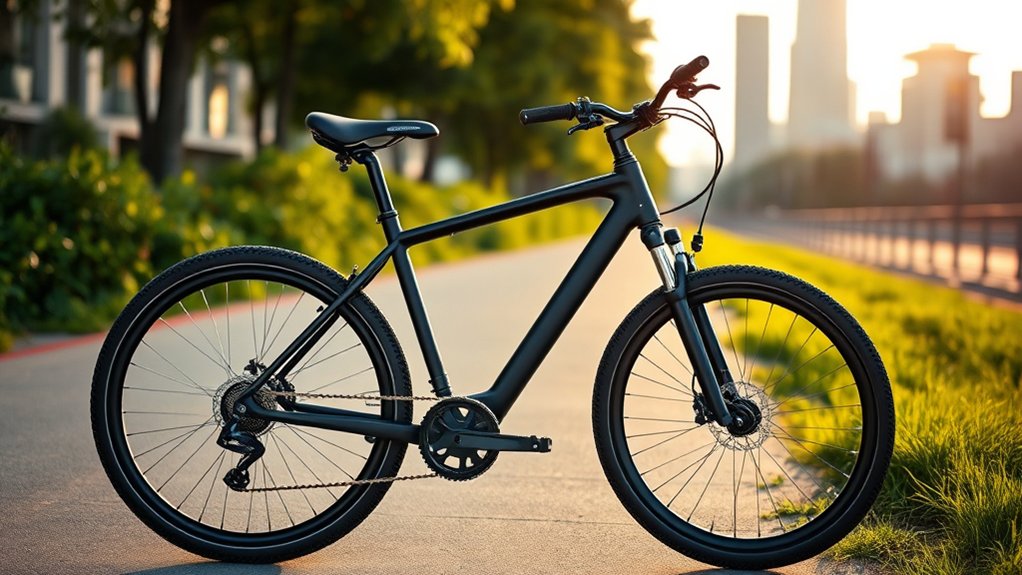
Are you unsure about what to think about before buying a hybrid bike? First, consider your riding needs. Do you mainly want it for commuting, leisure, or light off-road adventures? This will help you decide on the bike’s design and parts.
Think about your budget, but remember that spending a bit more can mean better quality and longer-lasting durability. Check how far you plan to ride and the type of terrain. These factors influence the bike’s size, gearing, and tires.
It’s also important to measure your height to make sure the bike fits well. Comfort is key to enjoying your rides. Do some research on brands and read reviews to find trustworthy options.
Finally, think about maintenance needs and how easy it will be to find parts in your area. Knowing these things will help you pick a hybrid bike that fits your lifestyle and makes your rides smooth and fun.
What Are the Key Features to Look for in a Hybrid Bike?
When choosing a hybrid bike, focusing on key features helps ensure you get a model that fits your riding needs and offers good value. First, look at the frame material—aluminum is lightweight and durable, making it great for daily commuting.
Next, check the gearing system. Bikes with multiple gears give you more versatility across different terrains and riding styles. Then, pay attention to the brakes; disc brakes provide better stopping power and control, especially in wet conditions.
Also, consider tire width. Wider tires can improve stability and comfort during your ride. Don’t forget about a comfortable saddle and adjustable handlebars, which can make a big difference in your riding experience.
How Can I Find the Right Frame Size and Fit?
Choosing the right frame size is key to making sure your ride is comfortable and efficient. To find your perfect fit, start by measuring your inseam length—stand against a wall and mark the top of your inner thigh.
Use this measurement to figure out the right frame size, usually given in inches or centimeters. Most bike brands have sizing charts, so compare your measurements to those guides.
Don’t forget to consider your riding style and comfort. Some riders prefer a slightly larger or smaller frame for better control or comfort.
When testing bikes, sit on the saddle and see if you can reach the handlebars comfortably with a slight bend in your elbows. Proper fit helps prevent discomfort and gives you better control.
Take your time to find a bike that feels just right for you.
Which Components Affect Performance and Comfort?
The components that influence your bike’s performance and comfort include the frame material and geometry, which affect ride feel and handling. Your gearing system’s efficiency determines how smoothly you switch gears and handle different terrains.
Furthermore, suspension and tire choices play a key role in absorbing shocks and providing a comfortable ride. These elements work together to make sure you’re comfortable and confident on your bike.
Frame Material and Geometry
Your bike’s frame material and geometry directly influence how it feels to ride and how it performs on different terrains. Picking the right combo ensures comfort, durability, and efficiency.
Frame Material: Aluminum is lightweight and budget-friendly, making it great for city commuting. Steel offers strength and a smooth ride but is heavier. Carbon fiber is light and absorbs vibrations, perfect for performance-focused rides.
Geometry: An upright stance boosts comfort for casual rides, while a more aggressive position increases speed and handling on varied terrains. Think about your main riding style to find the best fit.
Balance: Finding the right mix of material and geometry helps you stay comfortable on long rides and confident on different surfaces.
Gearing System Efficiency
A well-functioning gearing system can really boost your bike’s performance and comfort by making pedaling smoother and more efficient across different terrains. The main parts involved are the shifters, derailleurs, and cassette.
Shifters should feel responsive and easy to operate, so you can switch gears quickly without hassle. Derailleurs need to move the chain precisely between gears to avoid slips or drops.
The cassette’s range affects how easy it is to climb steep hills or pick up speed on flat roads. A good gear system matches your riding style and terrain, helping you ride longer and more comfortably.
Regular maintenance like cleaning and lubricating ensures smooth gear changes. Investing in high-quality components pays off with better durability, performance, and overall riding comfort.
Suspension and Tire Comfort
Smooth gear shifting improves riding efficiency, but to truly boost comfort and performance on different terrains, paying attention to suspension and tires is key. Your suspension helps absorb shocks from bumps and uneven surfaces, which reduces fatigue and gives you better control.
Tire choice also matters a lot. Wider tires with lower pressure can provide more cushioning, making your ride smoother. On the other hand, narrower tires reduce rolling resistance on smooth paths, helping you go faster and with less effort.
To get the best setup, consider these components:
- Suspension type – whether you need front fork suspension or full suspension depends on the terrain you ride.
- Tire width and pressure – choose wider tires with the right pressure for comfort.
- Tire tread pattern – knobby for off-road adventures, slick or semi-slick for city riding.
Picking the right setup makes your ride smoother and more comfortable across different surfaces.
How Do I Set a Budget and Get the Best Value?
Start by setting a clear overall budget range that fits your finances. Then, identify the essential features you need and compare prices to see which bikes offer the best value.
This way, you can make a smart choice without overspending. It’s all about finding the right balance between what you want and what you can afford.
Determine Overall Budget Range
Setting a clear budget is key to finding the right hybrid bike without overspending. Knowing your overall budget helps you narrow down options and avoid impulse buys.
To figure out your range, start by assessing your finances—see how much you can comfortably spend without stretching your budget.
Next, research market prices by checking out different brands and models to find what fits within your range.
Finally, define your needs by identifying which features are must-haves and which ones you can compromise on to stay within your budget.
Assess Essential Features
Evaluating essential features is crucial to ensure you get the best value for your budget. Focus on key aspects like frame material, gears, brakes, and suspension.
For example, a lightweight aluminum frame offers durability without extra weight, while steel frames tend to be heavier but more affordable. Consider your riding style—if you plan to commute long distances, multiple gears and reliable brakes are fundamental.
If you’ll mostly ride on smooth roads, fewer gears might suffice. Also, check for comfort features like adjustable seats and handlebar positions.
Prioritize features that match your riding needs and will improve your experience. Remember, investing in quality components can save money in the long run.
Compare Pricing and Value
How you compare pricing and value determines whether you get the best bike for your money. To do this effectively, consider these key steps:
- Set a realistic budget based on how often you’ll ride and your riding goals. Don’t forget to include accessories and maintenance costs.
- Research different brands and models to find which offer the best features within your price range. Look for reviews and expert opinions.
- Compare warranties and after-sales support. A slightly pricier bike might save you money long-term if it’s more durable and comes with better service.
How to Test and Pick the Perfect Hybrid Bike?
Are you ready to find a hybrid bike that fits perfectly? First, test ride different models to get a feel for comfort and handling.
Pay attention to how easily you can reach the handlebars, brake levers, and gears. These should feel natural and comfortable. Check the seat height; it should let you pedal with a slight bend in your knees.
Notice the bike’s weight and how easy it is to maneuver, especially if you’ll carry it upstairs or store it in tight spaces. Listen for any unusual noises during your ride.
Test the brakes to make sure they respond quickly. Finally, trust your instincts—pick a bike that feels stable, responsive, and matches your riding style. A proper fit makes all the difference in enjoying your ride.
How Should I Maintain My Hybrid Bike for Longevity?
To keep your hybrid bike running smoothly and last for years, regular maintenance is essential. Staying on top of basic upkeep prevents costly repairs and guarantees safety on every ride.
Here are three key tips:
- Clean and lubricate the chain regularly to prevent rust and ensure smooth shifting.
- Check tire pressure weekly to avoid flats and improve efficiency.
- Inspect brakes and gears periodically, adjusting and replacing parts as needed to keep everything working perfectly.
Frequently Asked Questions
How Do I Choose Between a Hybrid Bike and Other Types?
You should choose a hybrid bike if you want versatility for both city commuting and light off-road riding. Think about your riding style, the terrain you’ll be on, and what feels comfortable for you.
Hybrid bikes combine features of road and mountain bikes, making them great for different surfaces. If most of your rides are on paved roads, a road bike might be a better fit.
For rough trails and more challenging terrains, a mountain bike is usually a better choice. Consider what you’ll be doing most often to help make the best decision.
What Accessories Are Essential for Hybrid Bike Riding?
Think of your hybrid bike as a trusted companion. Essentials like a sturdy lock symbolize security, while a water bottle reflects hydration’s importance.
A comfortable saddle and reliable lights are your guiding stars, ensuring safety and comfort on every journey.
Consider a rear rack or panniers as your trusty satchels, ready to carry essentials.
These accessories turn your ride into a seamless adventure, keeping you prepared and confident every mile.
How Does Terrain Influence Hybrid Bike Selection?
Your terrain choice directly influences your hybrid bike selection. If you mostly ride on paved roads, go for a bike with thinner tires and a lightweight frame for speed and efficiency.
For mixed or rough terrains, choose a model with wider tires, better suspension, and sturdier components to handle bumps and uneven surfaces comfortably.
Think about your usual riding environment carefully to pick a hybrid that offers the best performance and comfort for your needs.
Are There Specific Brands Known for Quality Hybrid Bikes?
Yes, there are several brands known for quality hybrid bikes, so it’s worth checking them out. Trek, Specialized, and Giant are popular options because of their durability and smooth ride.
Cannondale and Fuji also offer reliable bikes with innovative features. When choosing a brand, think about your budget and riding style.
Reading reviews and visiting local bike shops can help you find a hybrid bike that fits your needs perfectly.
How Can I Improve My Hybrid Bike’s Aerodynamics?
To improve your hybrid bike’s aerodynamics, start by lowering your handlebars to reduce wind resistance and adopt a more streamlined riding position. Remove any bulky accessories or racks that can create drag.
Consider upgrading to aero handlebars or a more aerodynamic helmet. Keep your tires properly inflated for less rolling resistance, and maintain a smooth pedaling rhythm.
Small adjustments can greatly boost your speed and efficiency. Just a few tweaks can make a noticeable difference on your ride.
Conclusion
Now that you’re armed with these tips, you’re ready to find your perfect hybrid bike—no need to summon a wizard’s aid!
Remember to consider your riding needs, test different models, and keep your bike well-maintained.
With a little patience and these pointers, you’ll be cruising city streets or countryside paths in no time.
Happy riding! Just don’t forget, even the most valiant knight needs a trusty steed—your hybrid bike is waiting!