How Much Does a Road Bike Weigh?
Are you tired of feeling sluggish on your rides or struggling to carry your bike around? You’re not alone—many cycling enthusiasts grapple with finding the right balance between a lightweight bike and durability. Knowing how much a road bike weighs can make a big difference in your riding experience.
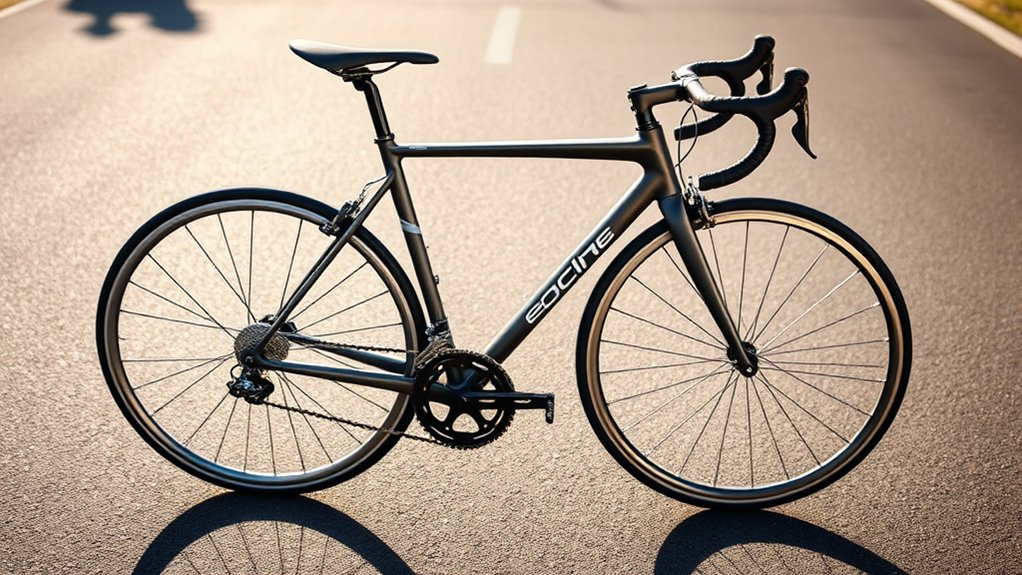
A road bike typically weighs between 15 and 22 pounds, depending on the frame material, components, and your riding style. Lighter bikes near 15 pounds use carbon fiber and high-end parts for speed, while heavier ones up to 22 pounds focus on durability and comfort with steel or aluminum frames.
Your bike size also affects its weight, with larger frames adding pounds.
Keep exploring to see how these factors influence your ride’s performance and feel.
Key Takeaways
- Road bikes usually weigh between 15 and 22 pounds, depending on the parts and what they’re built for.
- The material of the frame makes a big difference. Carbon fiber frames typically weigh between 0.7 and 1.2 kg, while aluminum frames are around 3 to 4 pounds.
- Using lightweight components like carbon cranksets and rims can really cut down the overall weight of the bike.
- Larger frame sizes tend to be heavier because they use more material. Small frames might be around 15.5 pounds, while XXL frames can go up to 18.5 pounds.
- Keep in mind, weight affects how the bike performs, but durability, comfort, and your riding style are also important when choosing the right bike.
What Is the Typical Weight Range for Road Bikes?
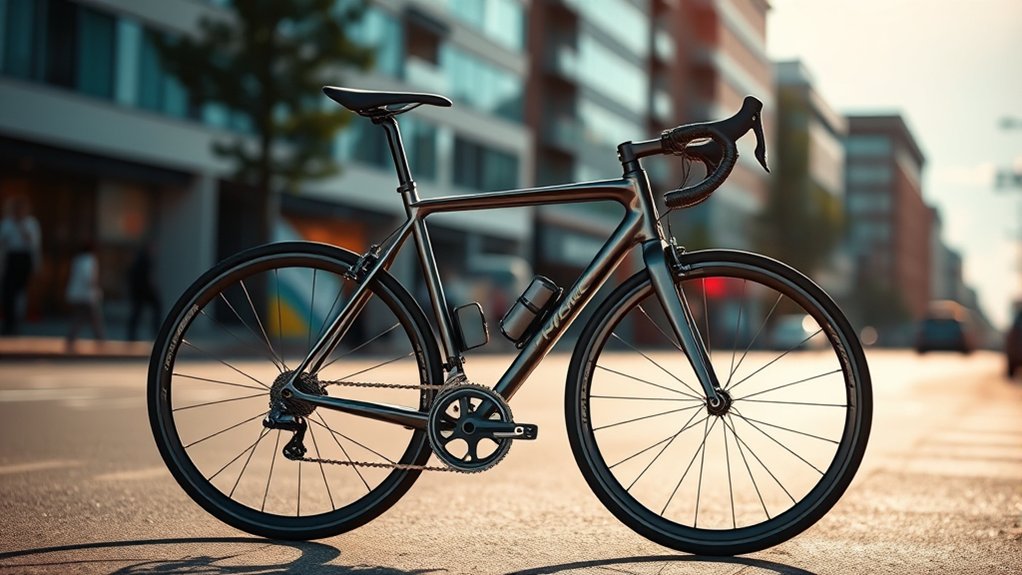
Typical road bikes weigh between 15 and 22 pounds, depending on the materials and components used. When you’re choosing a road bike, understanding this range helps set realistic expectations.
Lighter bikes, closer to 15 pounds, usually have high-end parts that boost speed and handling, making climbs easier. Heavier models, around 22 pounds, might include more durable components or extra features for comfort and stability.
Your riding style and priorities will influence where in this range your ideal bike falls. If you want something agile for racing, you’ll lean toward the lighter end. For daily commuting or longer rides, a slightly heavier bike might be better.
Knowing this weight range helps you find the right balance between weight and performance for your needs.
How Does Frame Material Change Your Road Bike’s Weight?
You’ll notice your bike’s weight changes a lot depending on the frame material. Aluminum frames keep things light, making your ride easier to handle.
Carbon fiber offers the best weight savings and stiffness, helping you go faster and feel more responsive.
Steel frames add durability but tend to weigh more, so your choice really shapes how your bike feels and performs.
Aluminum Frame Weight Impact
While the frame material plays an essential role in your road bike’s overall weight, aluminum frames stand out for their balance of lightness and durability. When you choose an aluminum frame, you’re getting a bike that’s generally lighter than steel but heavier than carbon fiber.
Aluminum frames typically weigh between 3 to 4 pounds (1.4 to 1.8 kg), which keeps your bike nimble without sacrificing strength. You’ll find aluminum frames resist rust and provide a stiff ride, making them great for power transfer but possibly a bit harsher on rough roads.
If you want a reliable, affordable option that trims some weight without breaking the bank, aluminum frames offer a smart middle ground in your road bike choices.
Carbon Fiber Weight Benefits
Because carbon fiber frames combine strength and ultralight weight, they’ve become a top choice for cyclists aiming to shed every possible ounce. When you choose a carbon fiber road bike, you’ll notice it’s noticeably lighter than aluminum or steel options, often cutting several pounds off your total bike weight.
This material allows manufacturers to mold complex shapes without adding bulk, optimizing both aerodynamics and stiffness without sacrificing weight. You’ll find carbon fiber frames typically weigh between 700 to 1,200 grams, depending on design and components.
This reduction improves your climbing performance and acceleration, making every pedal stroke more efficient. If you want a bike that feels nimble and fast, carbon fiber offers a clear advantage by keeping your ride light without compromising strength or ride quality.
Steel Frame Durability Effects
Although steel frames tend to weigh more than carbon fiber, their durability and ride quality make them a favorite for many cyclists. When you choose steel, you’re investing in a frame that stands up well to wear and tear.
Here’s how steel impacts your bike’s weight and longevity:
- Steel frames typically weigh 1 to 2 pounds more than carbon frames.
- Their strength allows them to absorb shocks, providing a smooth ride.
- Steel resists fatigue, meaning it won’t easily crack or fail over time.
- Repairs are easier and often less costly compared to carbon frames.
You’ll find that the added weight comes with a solid, reliable feel, making steel a durable choice for long-term use.
How Components Like Drivetrain and Brakes Affect Road Bike Weight
You’ll notice that the drivetrain can add or shave off significant weight depending on the components you choose. Different brake systems also vary in weight, with rim brakes generally being lighter than disc brakes.
Understanding these differences helps you make smart choices to keep your bike as light as possible.
Drivetrain Weight Differences
Several key components in a road bike’s drivetrain directly influence its overall weight, and understanding these differences can help you make smarter choices. The drivetrain includes parts like the crankset, cassette, chain, and derailleurs, each varying in material and design.
Here’s how they impact weight:
Crankset: Carbon cranksets are lighter than aluminum but cost more.
Cassette: Higher-end cassettes use lighter alloys or titanium for reduced weight.
Chain: Lightweight chains often feature hollow pins or titanium components.
Derailleurs: Carbon and titanium derailleurs trim grams compared to steel versions.
Brake System Impact
While the drivetrain plays a major role in your road bike’s weight, the brake system also adds its share of grams. Traditional rim brakes tend to be lighter than disc brakes, but disc brakes offer better stopping power and performance in different conditions.
If you choose hydraulic disc brakes, expect a slight weight increase compared to mechanical disc brakes because of the fluid and caliper complexity. The brake levers, calipers, and rotors all contribute to the total weight.
High-end components often use lightweight materials like carbon or aluminum to help offset this. When selecting your brake system, balance weight with braking efficiency and reliability.
This is especially important if you ride in wet or hilly terrain, where stronger brakes can improve safety without adding too much weight.
How Wheelsets and Tires Contribute to Road Bike Weight
Two key components that significantly impact your road bike’s weight are the wheelsets and tires. These parts not only change how much your bike weighs but also influence how it handles and performs. Here’s what you need to know:
- Rims are often made of carbon or aluminum. Carbon rims are lighter but tend to be more expensive.
- Spokes play a big role in weight. Lightweight spokes can help reduce weight but need to be strong enough to handle the ride.
- Hubs can be upgraded with better materials to save grams and improve efficiency.
- Tires that are narrower and lightweight help decrease rolling resistance and overall weight.
Choosing lighter wheelsets and tires can make a big difference, especially when climbing or sprinting. Focus on these parts when upgrading to find the right balance of durability and weight savings for a better ride.
How Bike Size Influences Road Bike Weight
Upgrading your wheelsets and tires can shed some weight from your road bike, but the bike’s overall size also plays a big role in how much it weighs. Larger frames use more material, which naturally adds weight.
When you pick a frame size that fits you well, you avoid unnecessary bulk. Smaller sizes usually weigh less but might sacrifice some comfort or ride quality.
Here’s a quick comparison of average frame weights by size:
| Frame Size | Average Weight (lbs) |
|---|---|
| Small | 15.5 |
| Medium | 16.2 |
| Large | 17.1 |
| X-Large | 18.0 |
| XX-Large | 18.5 |
Choosing the right size balances weight and comfort for your best ride.
Upgrading Parts for Road Bike Weight Savings
Many riders find that swapping out a few key components can greatly reduce their road bike’s weight without replacing the entire frame. You can target specific parts that add significant weight and upgrade them to lighter alternatives for noticeable savings.
Consider these upgrades:
- Wheels. Switching to lighter carbon or high-end alloy rims cuts rotating weight.
- Tires. Choose lightweight, narrow tires to shed grams without sacrificing performance.
- Saddle. A minimalist, carbon-fiber saddle often weighs less than bulkier models.
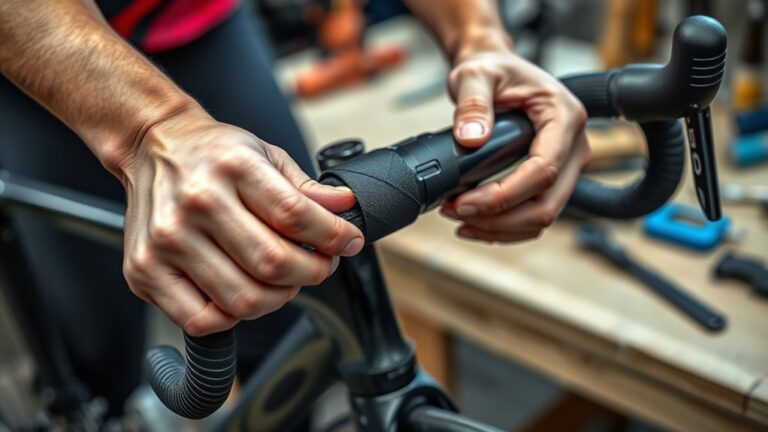
- Handlebars and stem. Carbon components reduce front-end weight and improve ride feel.
Comparing Weight Differences Between Carbon and Aluminum Road Bikes
Although both carbon and aluminum frames have their perks, you’ll notice a clear difference in weight that can affect your ride. Carbon frames are typically lighter, often saving you a pound or more compared to aluminum.
This weight difference makes climbing hills easier and accelerations quicker. Aluminum frames tend to be heavier because of the material’s density, but they’re known for durability and affordability.
If speed and performance are your priorities, a lighter carbon bike can give you an edge. But if you want a budget-friendly option that still performs well, aluminum is a solid choice.
Knowing these weight differences can help you choose the right frame to match your riding style and goals, without sacrificing comfort or functionality.
Are Ultralight Road Bikes Always Better?
You might think lighter road bikes always boost your performance, but durability plays a big role too. Ultralight frames can be more fragile, so you’ll need to weigh the trade-offs carefully.
Let’s look at how weight and other factors impact your ride. A bike’s weight isn’t the only thing that matters. Sometimes, a slightly heavier bike can be more reliable and long-lasting.
Weight Versus Durability
When choosing a road bike, you might think that lighter always means better performance. But don’t forget, durability is just as important and shouldn’t be overlooked.
Ultralight bikes often use delicate materials and minimal reinforcements. This can mean they don’t hold up well under rough conditions. Here’s what you should keep in mind:
- Frame Material: Carbon fiber is light but can crack more easily. Aluminum tends to be tougher and more durable.
- Ride Conditions: If you ride on rough roads often, a sturdier build is a smart choice.
- Maintenance Frequency: Lightweight parts might need more upkeep to stay reliable.
- Riding Style: Aggressive riding puts more stress on the bike, so durable components are a good idea.
Balancing weight and durability ensures your bike lasts longer and performs reliably. It’s not just about looking fast on paper.
Performance Impact Factors
Since ultralight road bikes promise faster speeds and easier climbs, you might think they always perform better. But weight isn’t the only thing that affects how you ride.
Frame stiffness, aerodynamics, and component quality are just as important. A bike that’s too light might be less durable or comfortable, which can slow you down over long distances.
If you’re tackling flat terrain or sprinting, aerodynamics often matter more than shedding a few grams. Your riding style and routes should guide your choice.
While ultralight bikes can help with climbing, they’re not always the best option for every rider or situation. Focus on a balanced bike that suits your needs rather than just the lowest weight.
How Weight Affects Climbing and Speed
Although a lighter road bike won’t make you a pro overnight, it can really boost your climbing efficiency and overall speed. When you’re tackling hills or accelerating, every gram makes a difference. Here’s how weight impacts your ride:
- Climbing: Less weight means less effort to overcome gravity, so you can go up faster and feel less tired.
- Acceleration: A lighter bike reacts quicker when you pedal hard, helping you surge ahead in sprints or traffic.
- Sustained Speed: On flat roads, reducing weight improves momentum, making it easier to keep your speed with less energy.
- Handling: Light bikes feel more nimble, making sharp turns or technical descents easier to navigate.
Balancing Road Bike Weight With Durability and Comfort
Finding the right balance between weight, durability, and comfort is essential for a road bike that performs well and lasts long. You don’t want a bike so light that it sacrifices strength or comfort, especially if you ride frequently or on varied terrain.
Lightweight materials like carbon fiber help reduce weight but can be less durable and harsher on rough roads. Meanwhile, aluminum or steel frames add weight but improve durability and absorb vibrations better.
Think about your riding style: if you’re into long rides, comfort matters more, so slightly heavier, cushioned setups might be better. If you’re racing, shaving grams is key, but don’t forget about durability.
Ultimately, choose components and frame materials that match your needs. This way, you get a reliable ride without making unnecessary compromises.
Frequently Asked Questions
How Does Rider Weight Impact Overall Bike Performance?
Your weight directly affects bike performance, especially in acceleration and climbing. The heavier you are, the more effort you’ll need to pedal uphill or to speed up. It also impacts how the bike handles, your braking distance, and tire wear.
While a lighter bike can help, your power-to-weight ratio is what really matters. Focusing on your fitness and strength can improve your performance more than just worrying about bike weight alone.
What Maintenance Practices Help Keep a Road Bike Lightweight?
You can keep your road bike lightweight by regularly cleaning it to prevent grime buildup, which adds unnecessary weight.
Tighten bolts and check for worn-out parts like tires and brake pads, replacing them with lighter components if possible.
Lubricate the chain to maintain smooth performance without extra drag.
Also, remove any non-essential accessories and store your bike indoors to avoid rust and corrosion that could add weight over time.
Are There Weight Limits for Road Bikes?
Yes, there are weight limits for road bikes, mainly set by manufacturers to guarantee safety and performance.
These limits usually refer to the combined weight of you, your gear, and the bike itself.
If you go over them, you risk damaging parts or messing with how the bike handles.
Always check your bike’s specs and stick to those guidelines.
Staying within the limits helps you ride safely and keeps your bike in good shape longer.
How Does Weather Affect the Weight of a Road Bike?
Rain, snow, or shine, weather can subtly tip the scales of your road bike. When wet, your bike soaks up water, adding extra weight through mud, waterlogged tires, and damp components.
Snow and ice can cling like stubborn shadows, increasing resistance and mass. You’ll notice this especially during long rides in harsh conditions, so keeping your bike clean and dry helps you avoid carrying unnecessary weight on every pedal stroke.
Can Accessories Significantly Increase a Road Bike’s Weight?
Yes, accessories can significantly increase your road bike’s weight. Adding items like racks, panniers, water bottle cages, lights, and a heavier saddle can add several pounds.
Even small things like a pump, multi-tool, or lock can add up quickly. If you’re trying to keep your bike lightweight, it’s best to choose minimalist, lightweight accessories carefully.
Otherwise, your bike’s total weight can go up noticeably, which can affect your speed and handling.
Conclusion
You might think lighter road bikes always mean better performance, but that’s only part of the story.
While shedding grams helps you climb faster and accelerate quicker, durability and comfort often add weight you’ll appreciate on long rides.
So, don’t just chase the lightest option—balance weight with strength and ride quality to find the perfect bike for you.
In the end, it’s not just about going fast but enjoying every mile.
And when it comes to how much a road bike weighs, it’s all about finding that sweet spot that works for your riding style and needs.