How to Choose a Road Bike Step by Step
Finding the perfect road bike can feel overwhelming, especially with so many options out there. You’re not alone—many riders struggle to choose a bike that fits their needs and budget.
To choose a road bike step by step, start by matching the bike type to your riding style, like endurance for long rides or gravel for mixed terrain.
Set a realistic budget, including gear and maintenance costs. Compare frame materials and geometry to find comfort and performance.
Pick the right frame size by measuring yourself and taking test rides.
Consider the groupset quality, wheels, and tires for durability and handling.
Remember, understanding these basics helps you find a bike that fits your needs perfectly.
Key Takeaways
- Identify your riding style and the terrain you’ll mostly be riding on. Whether it’s endurance, race, gravel, or a more relaxed setup, picking the right type of road bike makes a big difference.
- Set a realistic budget that includes not just the bike itself, but also essential accessories and ongoing maintenance costs. It helps you stay within your limits and avoid surprises later on.
- Choose a frame material and geometry that match your needs. Think about weight, durability, comfort, and how the bike handles to find what works best for you.
- Measure your inseam and height carefully. This will help you find the correct frame size, giving you proper clearance and a comfortable reach for efficient pedaling.
- When comparing groupset components, look at how smoothly they shift, their braking power, weight, and ergonomics. These factors all contribute to a better ride and improved performance.
Choosing the Best Road Bike Type for Your Riding Style
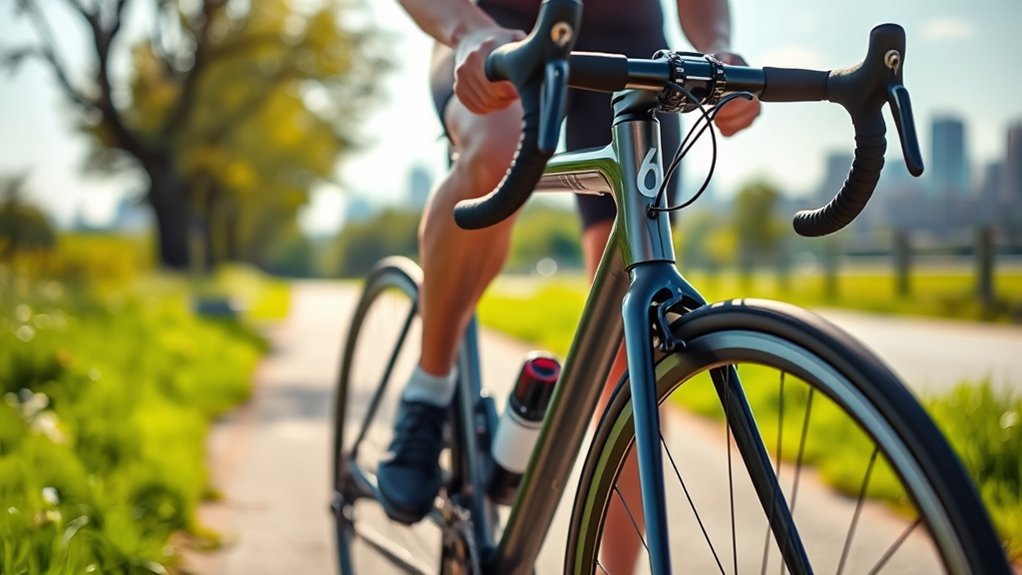
How do you pick the best road bike type for your riding style? Start by thinking about where and how you plan to ride.
Choosing the right road bike starts with understanding your preferred routes and riding habits.
If you enjoy long-distance rides on smooth pavement, a lightweight endurance bike with a comfortable geometry is a great choice. Prefer speed and racing? A race bike with an aggressive position can help you push your limits.
For mixed surfaces or rougher roads, a gravel bike offers versatility and durability. If you’re looking for something for casual weekend rides, a relaxed geometry bike will keep you comfortable.
Think about your typical ride length, terrain, and how much you value speed versus comfort. Picking the right bike means matching its design to your riding habits so you can enjoy every mile without unnecessary strain or discomfort.
Setting a Realistic Budget for Your Road Bike
Once you’ve identified the road bike that matches your riding style, it’s time to set a budget that works for you. Think about how often you’ll ride and which features matter most. Setting a realistic budget helps you narrow down options and avoid overspending on unnecessary upgrades.
Start by researching typical prices for entry-level, mid-range, and high-end bikes in your chosen category. Remember, you’ll also need to budget for essentials like a helmet, pedals, and maintenance tools. Don’t forget ongoing costs like tune-ups and repairs.
Comparing Frame Materials: Carbon, Aluminum, Steel, and Titanium
When choosing your road bike’s frame material, you’ll want to consider factors like weight, durability, and how comfortable the ride feels.
Each option—carbon, aluminum, steel, and titanium—offers a different mix of flexibility and maintenance needs.
Getting to know these differences will help you pick a frame that fits your budget and riding style.
Weight and Durability
Although choosing the right frame material might seem overwhelming, understanding the trade-offs between carbon, aluminum, steel, and titanium will help you pick a bike that balances weight and durability to match your riding style and budget.
Carbon frames are incredibly light and stiff but can be more fragile in crashes. Aluminum offers a good balance—lighter than steel, more affordable than carbon, and quite durable, though it may fatigue over time.
Steel is heavier but extremely tough and can withstand rough handling, making it ideal if durability tops your list. Titanium combines lightness and exceptional strength with corrosion resistance, but it comes at a premium price.
Knowing these differences lets you decide whether you prioritize a lightweight ride or a frame that lasts through years of use.
Ride Comfort and Flexibility
Understanding the weight and durability of different frame materials helps you see how they affect ride comfort and flexibility. Your choice influences how the bike absorbs road vibrations and responds to your pedaling style.
Carbon offers excellent vibration damping and a smooth ride, making it perfect for long-distance riding.
Aluminum is stiffer, giving more road feedback but less comfort on rough surfaces.
Steel provides natural flex and shock absorption, giving a comfortable, forgiving ride.
Titanium combines steel’s comfort with carbon’s lightness, offering flexibility and durability without feeling harsh.
Cost and Maintenance
Since your choice of frame material impacts not only ride quality but also your budget and upkeep, it’s important to consider the differences between carbon, aluminum, steel, and titanium.
Carbon frames tend to be pricey but offer lightweight performance. They require careful handling to avoid cracks and costly repairs, so keep that in mind.
Aluminum bikes are more affordable and resist rust, but they can be less forgiving on rough roads and may fatigue faster over time.
Steel frames are durable and easy to repair, making them budget-friendly in the long run. However, they’re heavier and need regular rust prevention.
Titanium combines strength, lightness, and corrosion resistance but comes with a high upfront cost.
What Road Bike Geometry Means for Your Ride
Understanding frame angles helps you see how your bike will handle on the road. Your bike’s geometry directly affects both comfort and performance, so choosing the right balance matters.
Let’s take a closer look at how these factors shape your riding experience. Knowing what to look for can make a big difference in how your bike feels and performs.
Frame Angles Explained
Frame angles are key to how your road bike handles and feels. Knowing about them helps you pick a bike that matches your riding style.
- Head Tube Angle: This determines how responsive the steering is. A steeper angle makes turns quicker and more agile.
- Seat Tube Angle: It influences your pedaling position and how efficiently you transfer power to the pedals.
- Top Tube Angle or Length: This affects your reach and overall comfort on the bike.
- Chainstay Angle: Though less talked about, it impacts the position of the rear wheel and the bike’s balance.
Impact on Handling
When you pick a road bike, the geometry really influences how it handles on different terrains and speeds. A steeper head tube angle makes the bike more responsive and quick in turns, which is great for aggressive riding and sharp cornering.
On the other hand, a slacker angle provides more stability, helping you when descending or riding over rough surfaces. The wheelbase length also matters—longer adds steadiness, while shorter makes the bike feel more nimble.
Additionally, the trail, which depends on fork rake and head angle, affects how easily the bike self-centers during your ride. Understanding these elements helps you choose a bike that matches your preferred handling style, whether you want agility or steadiness.
Comfort Versus Performance
The way a bike handles can shape how comfortable or high-performing your ride feels. When choosing road bike geometry, you’ll want to find a balance between comfort and speed.
Here’s what to think about:
- Frame Angle – Steeper angles make the bike more responsive but might be less comfortable on long rides.
- Reach Length – A longer reach puts you in an aggressive riding position, while a shorter reach keeps things more relaxed.
- Stack Height – Higher stack height lifts the handlebars, easing strain on your back and neck.
- Wheelbase – A shorter wheelbase makes handling sharper, while a longer one helps stabilize your ride for endurance.
Picking the Right Frame Size for Comfort and Efficiency
How do you know if a road bike frame fits you just right? Start by measuring your inseam and height to find a frame size that matches your body.
When you stand straddling the bike, there should be about an inch or two of clearance between the top tube and your crotch. This guarantees comfort and safety.
Next, check the reach—the distance from the saddle to the handlebars. You should be able to lean forward without stretching too far or feeling cramped.
Ensure the reach lets you lean forward comfortably without overextending or feeling cramped.
A proper fit helps you pedal efficiently and reduces fatigue on long rides. Don’t hesitate to test ride different sizes, as geometry varies by brand.
Comparing Road Bike Groupsets: What Components Matter Most
You’ll want to focus on key groupset components like shifters, derailleurs, and brakes when comparing options. Understanding how these parts affect performance, pricing, and durability helps you make the best choice.
Let’s break down what really matters for your ride.
Key Groupset Components
Choosing the right groupset can really impact your road bike’s performance and feel. Understanding the key components helps you find the best fit for your riding style.
- Shifters control gear changes. Smooth, reliable shifting is super important for a good ride.
- Derailleurs move the chain across gears. Both front and rear derailleurs need to be precise for smooth shifting.
- Brakes provide stopping power. You can choose between rim brakes or disc brakes, which offer different levels of modulation.
- Crankset transfers your pedaling power. The crank length and chainring size influence your efficiency on the bike.
Each part affects how your bike handles and responds. Knowing what these components do helps you compare groupsets without feeling overwhelmed by specs. This foundation prepares you to explore performance differences next.
Performance Differences Explained
Understanding the key groupset components helps you compare their performance differences. When choosing a road bike, you’ll see that shifting smoothness, braking power, and weight can vary across groupsets.
Higher-end groupsets offer quicker, more precise gear changes, making it easier to maintain momentum on different terrains. Their brakes provide stronger, more consistent stopping power, which boosts control and confidence.
Premium materials also reduce weight, helping with climbs and making acceleration feel snappier. You might notice subtle differences in ergonomics too—shifters could feel more comfortable on long rides.
While all groupsets work well, these performance nuances can really impact your riding experience. Focus on what’s most important to you—whether it’s responsiveness, comfort, or control—and pick the groupset that fits your style and goals.
Pricing and Durability
Price and durability often guide your groupset choice just as much as performance does. When comparing road bike groupsets, you want components that last and fit your budget without sacrificing quality. Here’s what to keep in mind:
- Material Quality: Higher-end groupsets use lighter, more durable materials like carbon or titanium.
- Component Wear: Chains and cassette sprockets tend to wear out faster, so pick groupsets with replaceable parts.
- Maintenance Frequency: Some groupsets need regular tuning, while others offer more reliability with less upkeep.
- Price Range: Entry-level groupsets are budget-friendly but heavier, while premium options cost more but improve performance and longevity.
Choosing the Best Road Bike Wheels and Tires
How do you pick the right wheels and tires to match your road bike’s performance and riding style? Start by thinking about the terrain you’ll ride most often.
If you mainly ride smooth pavement, go for narrower tires, around 23-25mm, with slick tread. They offer less rolling resistance and help you go faster.
For rougher roads or mixed surfaces, wider tires, like 28mm or more, give you extra comfort and better grip. When choosing wheels, make sure they fit your frame and brakes.
Clincher wheels are common, but tubeless options can help reduce flats and improve ride quality. Also, look for durable rims and strong spokes if you want reliability in tough conditions.
How Weight and Aerodynamics Boost Your Performance
Though it might seem subtle, reducing your bike’s weight and optimizing its aerodynamics can really boost your speed and efficiency on the road.
Lighter bikes need less effort to accelerate and climb, making your rides smoother and faster. Meanwhile, aerodynamic designs cut through the wind, helping you stay at higher speeds with less energy.
To improve your performance, focus on these key areas: choose a lightweight frame made of carbon fiber or high-quality aluminum, and go for aerodynamic frame shapes with integrated components to reduce drag.
Focus on lightweight carbon or aluminum frames and aerodynamic designs with integrated components to cut drag.
Pick narrow, high-pressure tires to minimize rolling resistance, and position yourself to reduce frontal exposure by adjusting your handlebars and posture to match your bike’s design.
How to Test Ride and Evaluate Fit, Components, and Performance
When should you take your potential road bike for a test ride? Right after you’ve narrowed down options that fit your size and budget.
During the ride, pay close attention to the bike’s fit. Make sure the saddle height feels right and you can reach the handlebars comfortably without strain.
Test the shifting and braking systems—they should respond smoothly and reliably. Notice how the bike handles turns and absorbs bumps, which reflects its frame and component quality.
Evaluate the gear range to see if it matches your typical terrain. Finally, consider your overall comfort and confidence while riding.
If something feels off, don’t hesitate to adjust components or try another model. This hands-on experience is essential before making your final decision.
Essential Road Bike Accessories You’ll Need
Since a great road bike alone doesn’t guarantee a smooth ride, you’ll want some essential accessories to boost safety, comfort, and performance. Here are four must-haves to get you started:
1. Helmet
Protect your head with a lightweight, well-ventilated helmet that fits snugly.
2. Cycling Gloves
These help reduce hand fatigue, improve grip, and protect your palms if you fall.
3. Bike Lights
Front and rear lights boost visibility during low-light conditions and help others see you.
4. Repair Kit
Carry a compact kit with tire levers, spare tubes, a mini pump, and a multi-tool for quick fixes on the road.
Adding these accessories ensures you ride safer and more comfortably, making every trip enjoyable and worry-free.
Where to Buy Your Road Bike: Online vs. Local Shops
Where should you buy your road bike—online or from a local shop? Buying online offers convenience and usually a bigger selection, making it easy to compare models and prices. You might find great deals, but you won’t be able to test-ride the bike before buying, and assembly can be tricky if you’re not experienced.
Local shops give you personalized service and expert advice, which is especially helpful if you’re new to road biking. You can test-ride different bikes and get a proper fit. Plus, local shops often handle maintenance and warranty support, making future care easier.
Think about your comfort level with bike mechanics and whether you value hands-on help. Both options have their benefits, so pick what best fits your needs and confidence.
Simple Tips to Maintain Your Road Bike After Purchase
After choosing the right place to buy your road bike, the next step is keeping it in top shape. Proper maintenance guarantees your bike performs well and lasts longer. Here are four simple tips to get started:
- Clean Regularly: Wipe down your bike after rides to prevent dirt buildup.
- Lubricate the Chain: Apply bike-specific lubricant to keep the chain running smoothly and avoid rust.
- Check Tire Pressure: Maintain the recommended pressure for better control and to prevent flats.
- Inspect Brakes and Gears: Regularly test brakes and shift gears to ensure safety and smooth operation.
Frequently Asked Questions
How Do I Clean My Road Bike Chain Properly?
You clean your road bike chain properly by first shifting to the smallest chainring and sprocket. Use a chain cleaning tool or a brush with degreaser to scrub the chain thoroughly.
Rinse it with water and dry it completely. Once dry, apply a suitable bike chain lubricant to each link while turning the pedals backward. Wipe off any excess lube to prevent dirt buildup.
Regular cleaning keeps your chain smooth and extends its life.
Can I Use a Road Bike for Commuting in the Rain?
Yes, you can use a road bike for commuting in the rain, but you’ll want to take some precautions. Make sure your tires have good tread for better grip and consider adding fenders to keep water off you.
Wet roads mean longer stopping distances, so brake earlier and more gently. Also, wear bright, waterproof clothing and use lights so you’re more visible.
With the right gear and care, your road bike will handle rainy commutes just fine.
What Clothing Is Best for Long Road Bike Rides?
Think of yourself as a modern-day knight. Your armor is the right clothing for the ride. For long road rides, wear moisture-wicking jerseys and padded shorts to stay comfortable and dry.
Layer up with a lightweight, breathable jacket for changing weather conditions. Don’t forget gloves for grip and protection, and cycling-specific socks to keep your feet happy.
Sunglasses are great for shielding your eyes from the sun and debris, while a cap or helmet liner helps keep sweat at bay. Dress smart, ride strong.
How Often Should I Replace My Road Bike Tires?
You should replace your road bike tires every 2,000 to 3,000 miles, but it really depends on your riding style and the terrain.
Check for worn tread, cracks, or frequent flats. If you notice a lot of wear or the rubber feels hard and brittle, it’s time to swap them out.
Regularly inspecting your tires helps prevent blowouts and keeps your rides smooth and safe.
Are Clipless Pedals Difficult for Beginners to Use?
Clipless pedals can feel tricky at first, but you’ll get the hang of them quickly with some practice. They offer better control and efficiency once you’re used to clipping in and out.
Start by practicing in a safe, flat area to build confidence. Don’t worry if you stall or wobble initially. It’s totally normal.
With time, you’ll find they improve your riding experience and make your pedaling smoother and more powerful.
Conclusion
So, you’ve navigated budgets, frame materials, and geometry. Who knew picking a bike could feel like rocket science? But don’t worry—once you’re cruising on the perfect frame size with all the right accessories, you’ll wonder why you ever stressed.
Remember, even the best bike won’t ride itself. Keep up with maintenance or prepare for some surprise roadside adventures. Choosing a road bike isn’t just a purchase; it’s the start of your next great ride.