7 Key Differences Between MTB and Hybrid Bikes
Looking to find the perfect bike but feeling overwhelmed by all the options? You’re not alone—many people struggle with choosing the right ride for their needs.
Whether you’re after a bike for daily commuting, weekend adventures, or tackling rough trails, understanding the key differences can make all the difference.
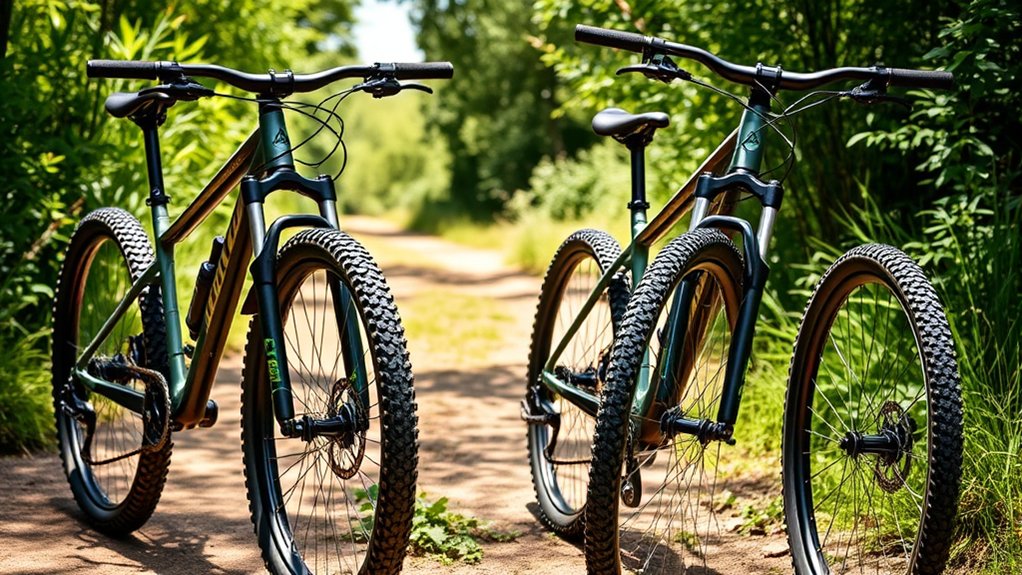
If you’re choosing between MTB and hybrid bikes, you’ll notice key differences. Mountain bikes are built for off-road trails with rugged frames, full suspension, and knobby tires, perfect for rough terrain.
Hybrids offer a more relaxed position, lightweight frames, and smoother tires suitable for paved roads and light paths. They’re generally cheaper and easier to maintain.
Understanding these distinctions helps you pick the best bike for your riding style—stick around to uncover more details.
Key Takeaways
- MTB frames tend to be heavier and stiffer because they’re built for durability. Hybrid frames, on the other hand, are lighter and have a more relaxed geometry, making them more comfortable for casual rides.
- Mountain bikes come with full suspension and knobby tires that are perfect for off-road trails. Hybrids usually have limited suspension and smoother tires, which are better suited for paved roads.
- When riding an MTB, you’ll adopt an aggressive posture to stay in control on rough terrain. Hybrids encourage an upright, more relaxed riding position, great for everyday commuting and leisure.
- Mountain bikes generally cost more and need more maintenance because of their rugged components. Hybrids are usually more affordable and easier to take care of, making them a popular choice for many riders.
- MTB excel on challenging, technical terrains where control and durability are key. Hybrids are ideal for city streets, light off-road trails, and everyday rides.
What Are the Main Uses and Design Goals of MTB and Hybrid Bikes?
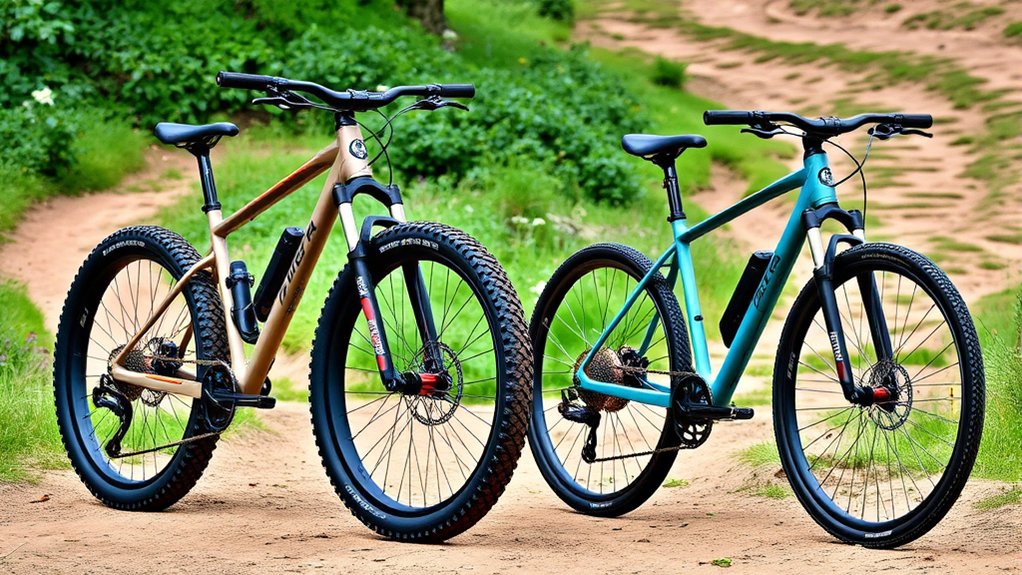
Mountain bikes (MTBs) are mainly built for off-road riding, tackling tough terrains like trails, dirt paths, and rocky landscapes with durability and stability. You’d pick an MTB if you’re into adventure, exploring rugged areas, or riding technical trails.
They focus on features like wide, knobby tires, strong frames, and powerful brakes to handle challenging conditions. These bikes are all about handling rough environments comfortably and safely.
Hybrid bikes are designed for versatility and comfort, suitable for both paved roads and light off-road paths. They’re great if you want a bike for commuting, casual rides, or staying active without sticking to dirt trails.
Hybrids combine aspects of road and mountain bikes, offering a balanced design that’s easy to use, comfortable, and adaptable for everyday riding needs.
How Do Frame and Suspension Differences Affect Performance?
Your bike’s frame and suspension directly influence how comfortable and responsive your ride feels.
A sturdy frame with full suspension offers better control on rough terrain but may feel less nimble on smooth surfaces.
Understanding these differences helps you choose a bike that matches your riding style and terrain.
Impact on Ride Comfort
The differences in frame design and suspension systems really affect how comfortable you feel on MTB and hybrid bikes. MTB frames are usually stiffer and heavier, focusing more on durability, especially on rough terrain. Hybrids, on the other hand, have a more relaxed geometry and often include suspension parts that make for smoother rides on paved or light off-road paths.
This means hybrids tend to cause less fatigue and offer a more comfortable experience over long distances. The table below shows how frame and suspension choices impact comfort:
| Aspect | MTB | Hybrid | Effect |
|---|---|---|---|
| Frame Material | Steel or aluminum | Aluminum or carbon fiber | Influences vibration absorption |
| Suspension System | Front or full suspension | Usually front suspension | Adds cushioning and reduces shocks |
| Geometry | Aggressive, upright posture | Relaxed, more upright | Enhances comfort during extended rides |
Handling and Control Dynamics
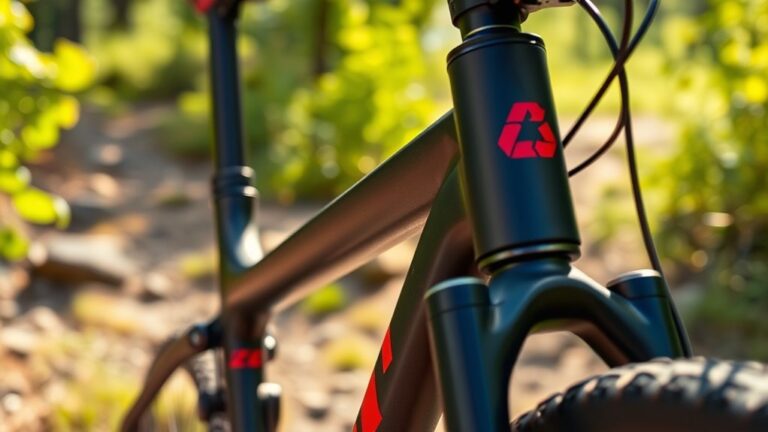
Frame design and suspension choices really shape how your bike reacts to your steering and the terrain. With a mountain bike, the sturdy frame and full suspension help you control rough trails better by absorbing shocks and staying stable.
You’ll find it easier to handle uneven ground, but it might feel heavier or less responsive on smooth surfaces. Hybrid bikes, on the other hand, tend to have lighter frames and minimal suspension, making them more agile and easier to maneuver on paved roads or light off-road paths.
Your control ultimately depends on how the frame geometry and suspension setup match the terrain. Generally, mountain bikes are great for technical, rough conditions, while hybrids shine on smooth, urban environments.
Which Terrain Is Best for Mountain Bikes and Hybrid Bikes?
Your choice of terrain depends on the bike you ride. Mountain bikes excel on off-road trails with rough, uneven surfaces.
Hybrid bikes are better suited for urban streets and paved paths. Knowing where each bike performs best helps you pick the right one for your adventures.
Off-Road Trail Suitability
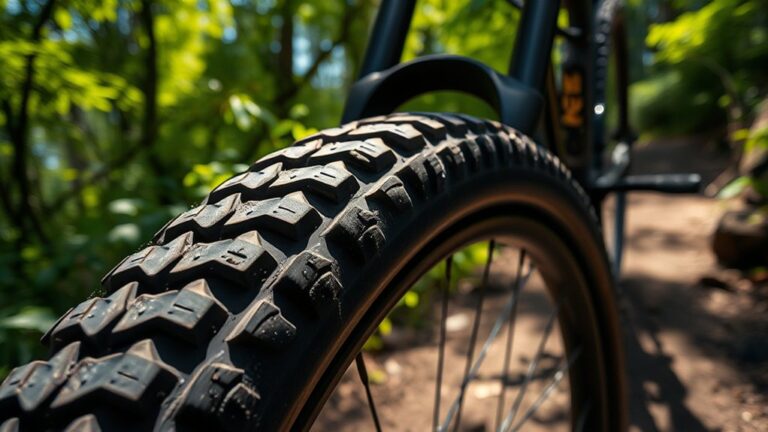
Regarding tackling off-road trails, mountain bikes are clearly better suited because of their rugged design and specialized features. With wide, knobby tires, they grip well on uneven, loose, and rocky terrain.
Their sturdy frames and suspension systems absorb shocks from bumps and roots, giving you better control and comfort. Mountain bikes are built for steep inclines and technical descents, making them ideal for forest trails, mountain paths, and rugged terrain.
Hybrid bikes, on the other hand, do well on smoother surfaces and light trails but lack the durability and suspension needed for serious off-road conditions. If you’re planning to explore challenging trails, a mountain bike will give you the stability and performance you need to handle rough terrain confidently.
Urban and Paved Roads
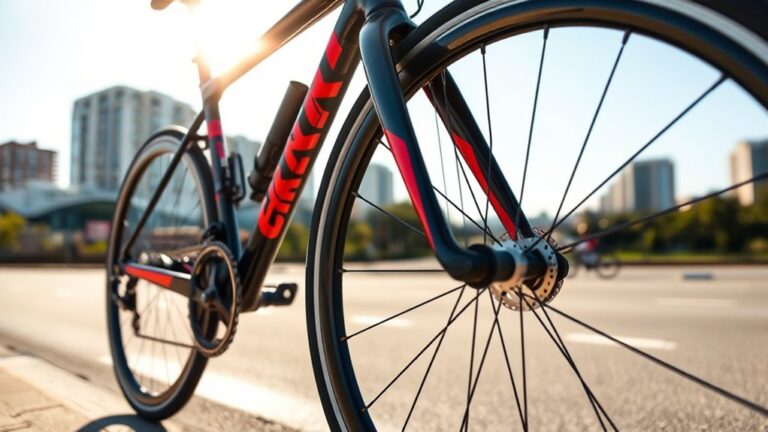
While mountain bikes excel on rugged off-road trails, hybrid bikes are better suited for urban and paved environments. If you mainly ride on city streets, bike lanes, or smooth highways, a hybrid bike offers a more comfortable and efficient experience.
Its lighter frame, narrower tires, and geared setup make pedaling easier on paved surfaces. This allows you to cover distances faster with less effort. Hybrid bikes also often come with features like fenders and racks, perfect for commuting or running errands around town.
Mountain bikes, with their wider tires and suspension, tend to be less efficient on smooth pavement and can feel bulky. So, if your focus is city riding, a hybrid bike is your best choice for comfort, speed, and practicality.
Tires and Wheel Sizes: What Sets Them Apart?
Tires and wheel sizes are key factors that set mountain bikes (MTBs) apart from hybrid bikes. MTBs usually have larger, knobby tires built for off-road terrain, giving you better grip and durability on rough surfaces.
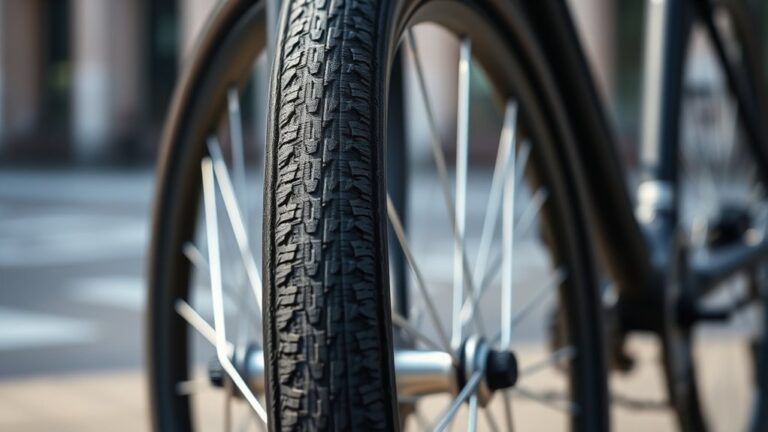
Hybrids tend to feature narrower, smoother tires that are optimized for paved roads and light trails. This makes for a smoother ride with less rolling resistance.
The wheel sizes differ too. MTBs usually come with 27.5 or 29-inch wheels for better stability and to help clear obstacles. Hybrids typically have 700c wheels, similar to road bikes, for efficiency and speed.
Here’s a quick comparison:
| Feature | Mountain Bikes | Hybrid Bikes |
|---|---|---|
| Tire Type | Knobby, wide | Smooth, narrow |
| Wheel Size | 27.5” or 29” | 700c |
| Terrain Focus | Off-road, rough terrain | Paved roads, light trails |
Riding Position and Comfort: What You Need to Know
Riding position and comfort are key factors that impact your overall biking experience, especially when choosing between an MTB and a hybrid bike.
With an MTB, you’ll usually sit in a more upright, aggressive stance. This helps with control on rough terrain. It might feel less relaxed but gives you better handling on technical trails.
On the other hand, hybrid bikes encourage a more relaxed, upright posture. This makes longer rides more comfortable and puts less strain on your back and neck.
If comfort and ease are your main priorities, a hybrid might be the better choice. But if you’re tackling rugged trails and need more control, the MTB’s riding position is a clear advantage.
In the end, your decision depends on your riding style and what feels most comfortable for you.
Gear Systems and Drivetrains: Comparing MTB and Hybrid Bikes
Both MTB and hybrid bikes have gear systems designed to help you perform well on different terrains, but they differ a lot in complexity and purpose. Mountain bikes usually have 18 to 30 gears, making it easier to handle steep climbs and tough trails.
Their drivetrains are built tough to deal with dirt, mud, and rugged conditions, often with sturdy, durable parts. Hybrid bikes generally have fewer gears, around 7 to 21, offering enough versatility for city riding and light trails.
Their gear systems are simpler, focusing on easy maintenance and smooth shifting. They’re designed for reliability and ease of use on paved roads, rather than extreme terrain. While MTB systems prioritize durability, hybrids aim for simplicity and efficiency for everyday riding.
Cost, Maintenance, and Value: Which Bike Fits Your Riding Style?
Are you trying to decide which bike offers the best value for your budget and riding needs? Generally, hybrid bikes cost less upfront and are easier to maintain. They’re a great choice if you want a versatile, low-maintenance bike.
Mountain bikes tend to be more expensive because of their rugged components and specialized parts. They often need more frequent upkeep, which can add to your costs over time.
Hybrid bikes usually have simpler drivetrains and fewer suspension parts, making repairs easier and cheaper. But if you plan to ride rough trails or steep terrains, investing in a mountain bike might save you money on repairs later.
Hybrid bikes are easier and cheaper to repair, but mountain bikes are better for rough, steep terrains.
Both bikes can offer good value if you pick one that matches your riding style. Hybrid bikes are perfect for casual, city, and light off-road rides, while mountain bikes are best for serious trail adventures.
Frequently Asked Questions
Are Hybrid Bikes Suitable for Off-Road Mountain Biking?
Hybrid bikes are generally not suitable for off-road mountain biking because they lack the rugged build, suspension, and tire traction needed for tough terrains. They’re designed for versatile city riding and light trails, so if you plan to tackle rough mountain trails, an MTB with proper suspension and knobby tires will serve you much better.
Stick to a mountain bike for off-road adventures to guarantee safety and enjoyment.
Can Mountain Bikes Be Used Effectively for Commuting?
Think of your mountain bike as a trusty steed ready to conquer rugged trails, but it can also serve you well in city commutes. Its sturdy frame and knobby tires handle rough pavement and potholes effectively.
While it might be a bit heavier than a hybrid, with proper maintenance, your mountain bike can become a reliable companion for daily commuting. It offers durability and control through city streets and beyond.
Which Bike Type Offers Better Speed on Paved Roads?
A hybrid bike generally offers better speed on paved roads compared to a mountain bike. Its lightweight frame, narrower tires, and more aerodynamic riding position help you ride faster and more efficiently on smooth surfaces.
Mountain bikes, designed for rough terrain, have wider tires and a sturdier build. This can slow you down when you’re riding on pavement.
If speed is your main goal for commuting or road riding, a hybrid bike is your best choice.
How Durable Are Hybrid Bikes Compared to Mountain Bikes?
Hybrid bikes are generally less durable than mountain bikes because they’re designed for lighter use on paved surfaces.
Mountain bikes have sturdier frames, thicker tires, and stronger components to handle rough terrains.
If you mainly ride on smooth roads, a hybrid bike will hold up well. But for off-road adventures, mountain bikes are more durable and reliable.
Your choice really depends on the terrain and how much durability you need.
Are There Hybrid Bikes Designed Specifically for Trail Riding?
Yes, there are hybrid bikes designed specifically for trail riding. These bikes combine features from mountain bikes and road bikes, giving you the best of both worlds.
You’ll find sturdy frames, wider tires, and front suspension to handle uneven terrain comfortably. While they might not match full-on mountain bikes in extreme conditions, they’re great for light to moderate trails.
They make your ride smooth and enjoyable without feeling like you’re taking on more than you can handle.
Conclusion
Choosing between a mountain bike and a hybrid bike depends on your riding adventures. Whether you’re after the rugged thrill of mountain trails or prefer smooth city streets, the right bike makes all the difference.
Think of it as picking your trusty steed for the ultimate adventure — each one is a hero in its own right. Pick wisely, and you’ll unlock a world of endless exploration and excitement with your mountain bike or hybrid bike.