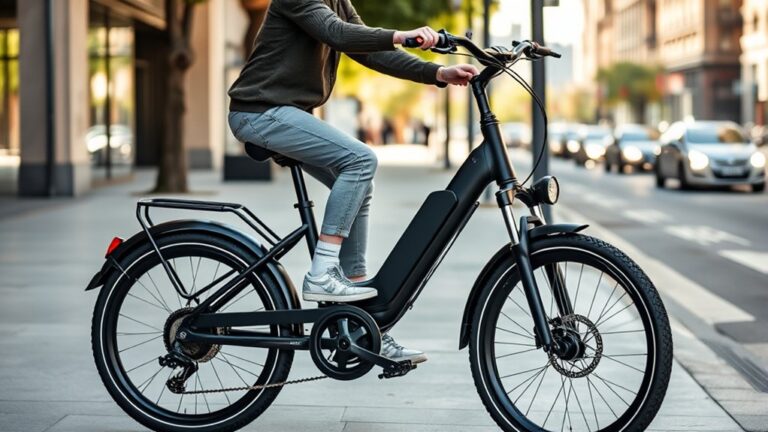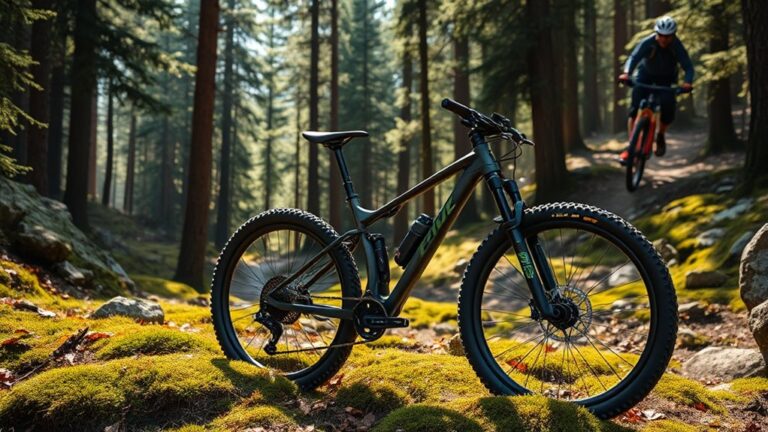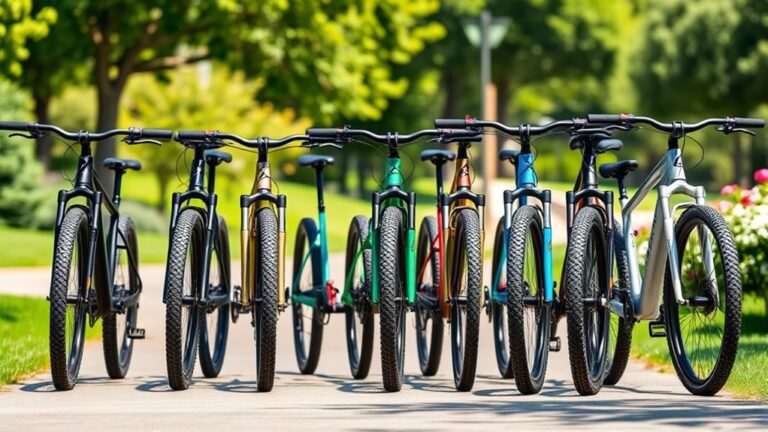
Is Front Suspension Necessary for Your Hybrid Bike?
Are you tired of feeling every bump and jolt when riding your hybrid bike? You’re not alone—many riders struggle with comfort and control on uneven surfaces.
Choosing the right front suspension can make a huge difference in your riding experience.
Whether you need front suspension on your hybrid bike depends on your usual riding surfaces. If you mostly ride on smooth pavement and city streets, it’s likely unnecessary, as it adds weight and maintenance.
However, if you often explore unpaved paths, gravel, or rough trails, front suspension offers better comfort, control, and safety by absorbing shocks.
To understand which option suits you best, look into the benefits and considerations—there’s more to examine here.
Key Takeaways
- Front suspension is great if you often ride on rough or uneven terrains. It helps absorb shocks and gives you better control.
- But if you’re mostly on smooth pavement or city streets, it might not be worth it. It can add extra weight and require more maintenance.
- Think about where you usually ride—off-road, mixed surfaces, or just city roads. That will help you decide if front suspension is right for you.
- Rigid forks are lighter and need less care. They’re perfect for urban riding or flat terrain.
- If you do go with front suspension, upgrading or maintaining the components can make your ride more comfortable.
Do You Need Front Suspension on Your Hybrid Bike?
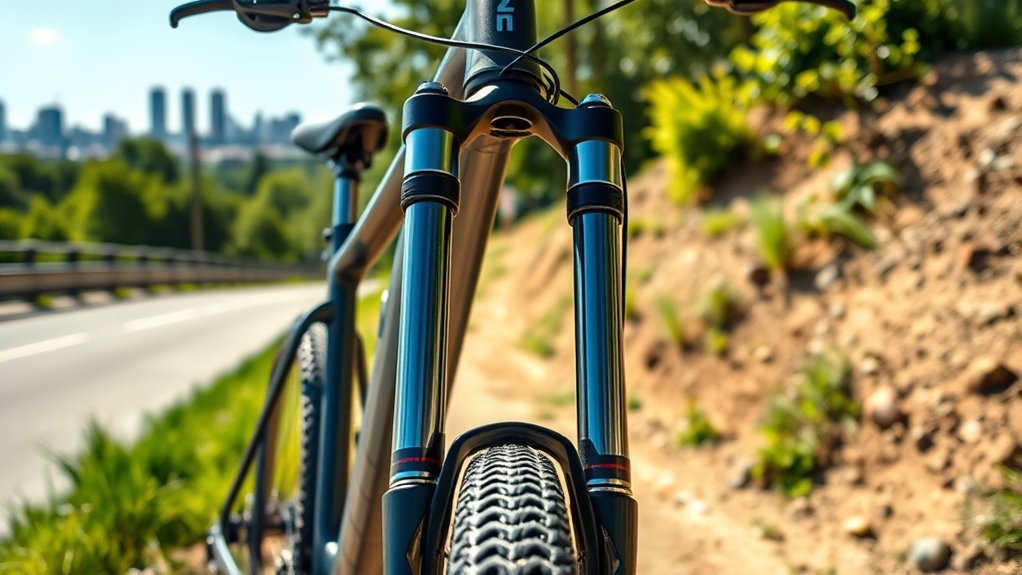
Do you really need front suspension on your hybrid bike? If you mostly ride smooth pavement and city streets, probably not. Front suspension adds weight, cost, and maintenance without much benefit on easy terrain.
However, if your rides include unpaved paths, gravel, or rougher trails, front suspension can make a noticeable difference. It absorbs shocks from uneven surfaces, making your ride smoother and more comfortable.
Think about where you’ll be riding most often. If comfort and control on rough terrain matter, front suspension might be a smart choice. But if you stay on flat, paved roads, you can save money and weight with a rigid fork.
Ultimately, your riding style and terrain will decide if front suspension is necessary.
What Are the Benefits of Front Suspension?
Front suspension provides several key benefits that can improve your riding experience, especially on uneven terrain. It absorbs shocks from bumps and rough surfaces, helping you maintain better control and stability.
This means you won’t have to worry as much about jolts or vibrations, which can tire you out faster on long rides. Front suspension also boosts comfort by reducing the impact on your arms and shoulders, making rides more enjoyable.
If you frequently ride on mixed surfaces or gravel paths, it can give you better confidence and safety. Furthermore, it helps prevent fatigue, allowing you to ride longer without discomfort.
When Should You Consider Front Suspension?
When you ride often on uneven or rough terrain, considering front suspension is a smart move. If your rides include dirt trails, gravel paths, or rocky routes, front suspension helps absorb shocks, making your ride smoother and reducing fatigue.
It’s especially helpful if you encounter roots, potholes, or other obstacles that can jolt you off balance. If you notice more vibrations and impacts, front suspension can give you better control and stability.
On the other hand, if most of your rides are on paved roads and flat surfaces, suspension might not be necessary. It can add weight or complexity that you don’t need.
In the end, think about front suspension if your riding environment is often rough, and if comfort or control matters most to you.
How Does Front Suspension Impact Comfort and Control?
Having front suspension can really boost both comfort and control during your rides. It absorbs shocks from rough terrain, which helps reduce fatigue and makes your ride smoother.
This means you can ride longer without feeling the jarring impacts that can cause discomfort. Plus, front suspension keeps the front wheel more stable on uneven surfaces, making steering easier.
Riding longer and more comfortably with stable steering on uneven surfaces.
You’ll find it simpler to maintain balance when going over bumps or obstacles. The added stability can also boost your confidence, especially on mixed terrains.
Additionally, suspension helps prevent your hands and arms from absorbing all the impacts, reducing fatigue and improving your grip.
Pros and Cons: Is Front Suspension Worth It?
Is front suspension actually worth the extra cost and weight it adds to your hybrid bike? If you mostly ride on smooth pavements, it might not be necessary, and you’ll save money and reduce bike weight.
But if your routes include rougher terrain or gravel paths, front suspension can absorb shocks, making rides more comfortable and less tiring.
On the downside, suspension requires more maintenance and can slightly decrease pedaling efficiency because of the added weight and movement.
It can also make your bike feel less responsive on smooth surfaces.
Ultimately, whether front suspension is worth it depends on your riding style and terrain.
If comfort and control on varied surfaces matter to you, the benefits might outweigh the drawbacks.
Hybrid Bike Suspension Options: Rigid, Front, or Full Suspension
You have three main suspension options: rigid, front, or full suspension, each offering different benefits for your ride.
Think about your typical terrain. Smoother surfaces work well with rigid setups, while rough trails are better suited for front or full suspension.
Also, consider weight and maintenance, since more complex systems tend to add weight and need more upkeep.
Types of Suspension Systems
When choosing a suspension system for your hybrid bike, understanding the main options can help you find the best fit for your riding style and terrain. You typically have three choices: rigid, front suspension, or full suspension.
Rigid setups have no suspension and are lightweight, making them ideal for paved roads and commuting. Front suspension, also called a hardtail, absorbs shocks at the front wheel and offers comfort on rougher surfaces without adding much weight.
Full suspension includes both front and rear shocks, providing maximum comfort and control on uneven trails. Consider your riding needs, as each system balances comfort, weight, and efficiency differently.
- Rigid: lightweight, low maintenance, best for smooth surfaces
- Front suspension: absorbs shocks at the front, comfortable on uneven terrain
- Full suspension: maximum shock absorption, best for rough trails
Riding Terrain Compatibility
Choosing the right suspension for your hybrid bike really depends on the terrain you’ll ride most often. If you mainly stick to smooth roads or paved paths, a rigid setup or front suspension might be just right.
For rougher trails, a full suspension offers better comfort and control. The table below shows how different suspensions suit various terrains:
| Terrain Type | Suspension Needed | Ride Feel |
|---|---|---|
| City streets | Rigid or front suspension | Efficient and lightweight |
| Gravel paths | Front or full suspension | Smooth, less jarring |
| Mountain trails | Full suspension | Comfortable, secure |
Matching your suspension to your terrain helps you ride confidently and enjoy every trip, whether you’re commuting or exploring rugged trails.
Weight and Maintenance Considerations
Selecting the right suspension type for your hybrid bike also involves considering how much weight it adds and how much maintenance it requires. Rigid forks are lightweight and need minimal upkeep, making them ideal for riders seeking simplicity and speed.
Front suspension adds some weight but provides comfort on rough terrain. It requires regular cleaning and occasional servicing to stay in good shape. Full suspension systems are the heaviest and need more maintenance, including suspension fluid changes and component checks.
Consider these points:
- Rigid setups are lightweight and low maintenance
- Front suspension offers comfort but needs periodic care
- Full suspension gives maximum comfort but adds weight and requires more upkeep
How to Choose the Right Suspension for Your Riding Style
To pick the right suspension, think about the terrain you’ll be riding most often. Different setups work better on specific surfaces, so knowing where you’ll ride helps a lot.
Understanding the types of suspension can help you match your bike to what feels best for you—whether it’s comfort or handling.
Finding the right balance means you’ll enjoy smoother rides without losing control. It’s all about making your riding experience more enjoyable.
Riding Terrain Considerations
Your riding terrain really influences whether you need front suspension on your hybrid bike. If you’re mostly on smooth paved roads, you probably don’t need suspension, and it might even add unnecessary weight.
But if you often ride over rough, uneven, or gravel paths, front suspension can make a big difference. It helps absorb shocks from bumps, which makes riding more comfortable and easier to control.
Think about your usual routes:
- Paved city streets need little to no suspension.
- Gravel or dirt trails benefit from some suspension.
- Technical off-road terrain makes front suspension essential.
Take a moment to assess your typical riding environment. Choose a setup that balances comfort and efficiency for the surfaces you encounter most often.
Suspension Types Explained
Understanding the different types of suspension available can help you choose the best option for your riding style. There are mainly two types: front suspension (fork suspension) and full suspension (both front and rear).
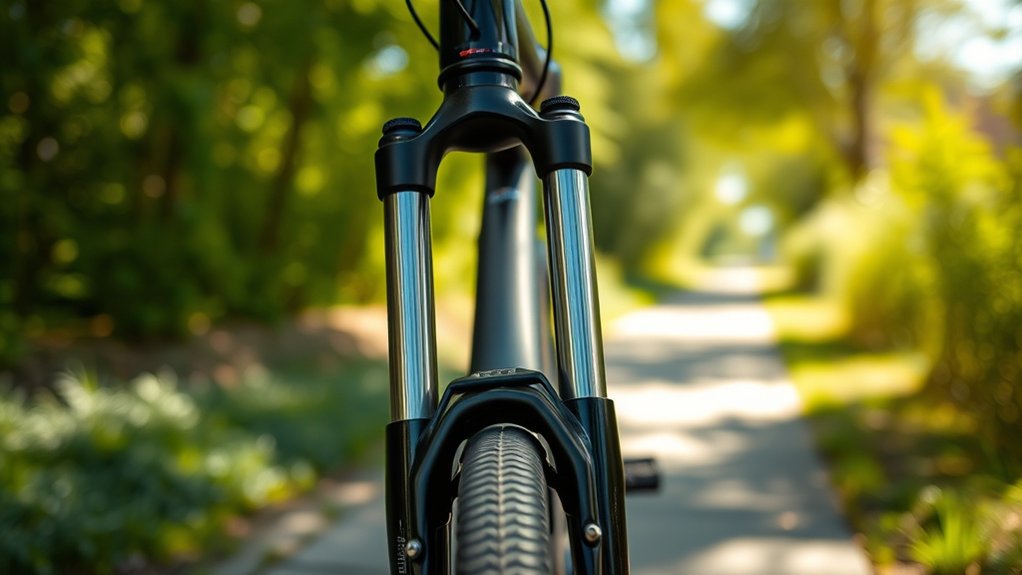
Front suspension absorbs shocks from the front wheel, making control easier on rough terrain. It’s a good choice if you ride on mixed surfaces or want lighter, less expensive options.
Full suspension adds shock absorption to the rear wheel, offering more comfort and better traction on technical or rugged trails. But it’s heavier and often more costly.
Think about your typical riding environment and what comfort level you need. If you mostly ride on paved paths or smooth surfaces, a rigid bike might be enough.
For more challenging terrain, suspension can really improve stability and control.
Comfort and Handling Balance
Choosing the right suspension setup really depends on finding a good balance between comfort and handling that matches your riding style. If you enjoy smooth, relaxed rides on paved roads, a softer suspension gives you comfort without losing control.
For more aggressive or off-road riding, a stiffer setup offers better handling and responsiveness. Think about how much shock absorption you need versus how nimble you want your bike to feel.
Opt for front suspension if you ride on rough terrains but want a smoother experience. If you mostly ride on city streets, minimal or no suspension can improve efficiency.
Finally, adjust your suspension stiffness based on your weight and typical riding conditions to get the perfect balance.
Maintaining and Upgrading Your Bike’s Suspension
Maintaining and upgrading your bike’s suspension regularly keeps it performing at its best and makes it last longer. Check for leaks, dirt, and corrosion often to avoid breakdowns. Upgrading parts like worn-out shocks or forks can boost performance and improve ride comfort.
Think about the terrain you ride on when choosing upgrades. Picking the right components makes a big difference in how your bike handles different surfaces.
| Maintenance Tip | Benefit |
|---|---|
| Regularly clean and lubricate | Keeps everything moving smoothly and lasts longer |
| Replace worn parts promptly | Ensures your shock absorption stays sharp |
| Upgrade to higher-quality components | Improves ride quality and durability |
Staying proactive with maintenance saves you money and makes your rides more enjoyable. Make sure upgrades match your riding style and terrain for the best results. Keep your suspension in top shape so you can enjoy a smooth, controlled ride every time.
Frequently Asked Questions
How Much Does Front Suspension Add to the Bike’s Weight?
Front suspension usually adds about 1 to 3 pounds (0.5 to 1.5 kg) to your hybrid bike’s weight. The exact amount depends on the type and quality of the suspension.
While it might seem like a small difference, it can affect handling and how easy it is to pedal, especially on longer rides or rough terrain. If you mainly ride on smooth pavement, the extra weight might not be worth it.
Can Front Suspension Be Added to a Non-Suspension Hybrid Bike?
You can add front suspension to a non-suspension hybrid bike, but it’s not a simple plug-and-play task. You’ll need to change your fork, which might involve adjusting the headset and possibly your bike’s geometry.
It’s like putting a square peg in a round hole—more complicated than it seems. Consider whether the upgrade is worth the effort and expense, especially if you mostly ride on smooth surfaces.
What Maintenance Is Required for Front Suspension Systems?
You need to regularly clean and lubricate your front suspension to keep it functioning smoothly. Check for any leaks or damage, and keep the stanchions free of dirt and debris.
Periodically, you should also perform a suspension service, which involves inspecting and possibly replacing internal components or oil. This maintenance ensures peak shock absorption, prolongs the lifespan of your suspension, and guarantees a comfortable, safe ride.
Does Front Suspension Affect Bike Speed on Paved Roads?
Yes, front suspension can slightly affect your bike’s speed on paved roads. It adds weight and rolling resistance, which might slow you down compared to a rigid fork.
But if you prefer more comfort and control over rough terrain, the trade-off can be worthwhile. For smooth pavement, a rigid fork usually offers better efficiency.
Think about your typical riding conditions to decide if front suspension impacts your speed enough to matter.
Are There Specific Brands Known for Durable Front Suspension?
Some brands stand out for their durable front suspensions, like RockShox, Fox, and Suntour. Think of these brands as reliable guardians that smoothly absorb shocks, keeping your ride comfortable and controlled over uneven terrains.
Their reputation is built on crafting components that withstand daily adventures, so your bike stays responsive and dependable. Choosing these brands means you’re investing in quality, ensuring your hybrid bike’s front suspension remains resilient for many rides to come.
Conclusion
Ultimately, choosing front suspension is like picking the right shoes for a hike—you want comfort, support, and the right fit for your journey.
If you ride on rough terrain or want a smoother experience, it’s worth considering front suspension.
But if you mostly stick to paved paths, you might prefer a simpler setup.
Think about your riding style and needs, then make a choice that feels just right—like finding the perfect pair of shoes for every adventure.
And when it comes to your hybrid bike, deciding whether front suspension is necessary depends on how you ride.