How Do You Fit a Road Bike in 7 Easy Steps?
Struggling to fit your road bike into your car? You’re not alone—many bike enthusiasts find it tricky to pack their bikes safely and efficiently.
Whether you’re heading to a weekend ride or a long trip, knowing the right steps can make all the difference.
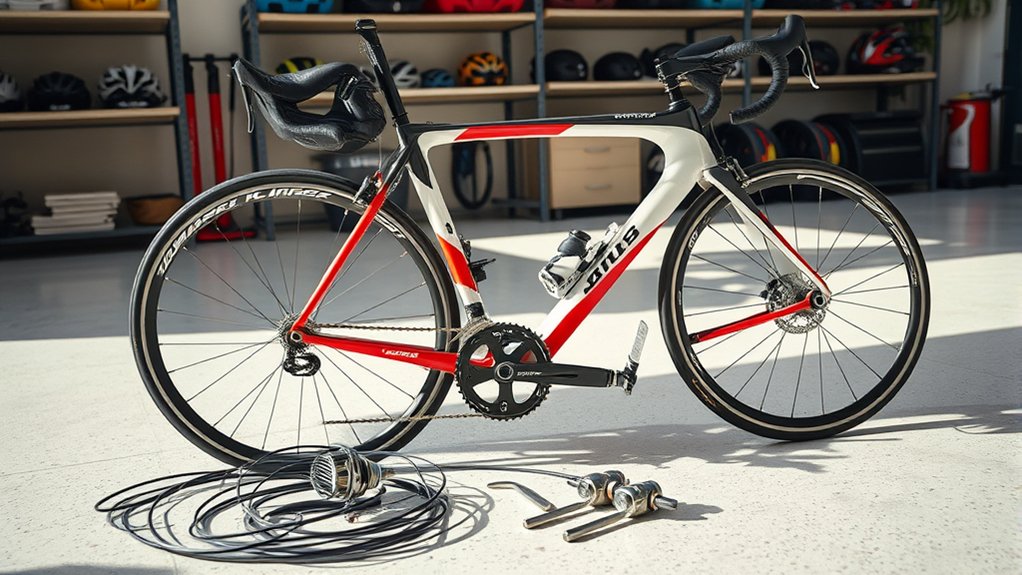
To fit your road bike in your vehicle in 7 simple steps, first check that you have enough space and that your bike is the right size for your height.
Prepare the bike by removing loose parts and wrapping it for protection.
Choose the best transport method based on your trip length and vehicle capacity.
Secure the bike firmly using straps or padding, making sure it won’t shift during transit.
Double-check everything is tight and safe before you start.
Keep going to uncover detailed tips for easy loading and unloading.
Key Takeaways
- Measure your bike and vehicle to make sure it fits and there’s enough space before you start packing.
- Take off any loose accessories and deflate the tires a bit. This helps prevent damage during the trip.
- Wrap the bike frame with foam or bubble wrap to keep it safe from scratches and impacts.
- Use straps or bungee cords to secure the bike tightly inside or on your vehicle.
- Carefully position the bike so it stays stable and doesn’t rub against other items.
Check Your Space and Bike Size
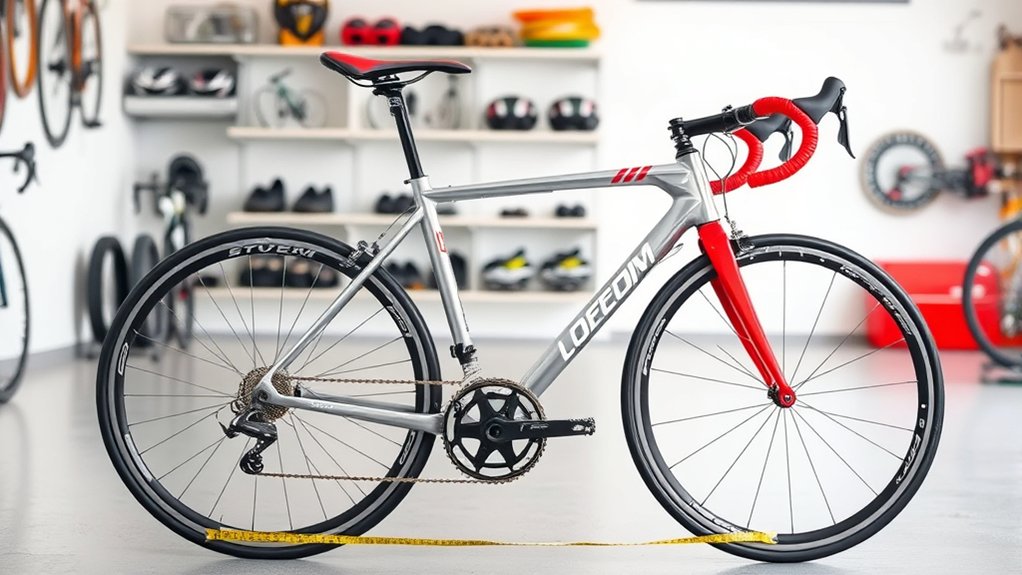
Before fitting a bike, make sure you have enough space to work comfortably and that your bike is the right size for your body. Clear a flat area where you can move freely around the bike.
You should be able to stand over the top tube comfortably with at least 1-2 inches of clearance. When selecting a bike, check the frame size—your height and inseam length will guide you.
A properly sized bike feels natural when you sit on it, with your feet touching the ground easily. Avoid bikes that are too small or too large, as they can cause discomfort and affect your riding efficiency.
Ensuring your space and bike size are correct sets a solid foundation for a proper fit.
Prepare Your Bike for Safe Transport
To guarantee your bike arrives safely at your destination, it’s essential to prepare it properly for transport. Start by removing any loose accessories, like water bottles, pumps, or GPS units, to prevent damage or loss.
Next, shift the gears to the smallest chainring and sprocket to reduce tension on the drivetrain. Protect the frame by wrapping it with foam or bubble wrap, especially around delicate areas like the top tube and handlebars.
If you’re using a bike bag or box, secure the wheels separately or in designated compartments to avoid movement. Deflate the tires slightly to prevent over-inflation during transit.
Finally, double-check all parts are tight and secure. Proper preparation minimizes damage and keeps your bike safe throughout the journey.
Choose the Right Transport Method for Your Car
Choosing the right transport method for your car depends on a few key factors like distance, budget, and how much protection you need.
If you’re traveling a short distance, using a roof rack or trunk-mounted carrier is quick and affordable.
For longer trips, think about a trailer or a professional bike transport service to ensure safety and avoid damage.
If your car has a spacious interior, you might want to load the bike inside, especially if you’re worried about weather or road debris.
Always check your vehicle’s capacity and consider your budget before making a decision.
Always evaluate your vehicle’s capacity and budget to choose the safest, most practical transport method.
The main goal is to transport your bike securely without risking damage or inconvenience.
Choose the method that strikes the best balance between ease, cost, and protection for your specific trip.
Secure Your Bike Properly in Your Vehicle
Securing your bike properly in your vehicle is key to preventing damage during transit. First, remove any loose parts like water bottles or pumps to stop them from shifting and causing damage.
Use soft straps or bungee cords to fasten the bike to anchors or tie-down points in your car. Wrap the frame with a towel or foam padding to protect it from scratches.
Position the bike upright or on its side—whichever gives the most stability. Make sure it’s snug but not overly tight, and avoid places where it can slide or bounce around.
If you’re transporting multiple bikes, secure each one separately to prevent them from touching. Double-check all straps and padding before hitting the road to keep your bike safe throughout your trip.
Protect Your Bike During Transit to Avoid Damage
To protect your bike during transit, use materials like foam or bubble wrap to cushion the fragile parts.
Make sure to secure loose components, such as the handlebars and derailleurs, so they don’t move around and get damaged.
Pick a sturdy transport case that fits your bike snugly for extra protection during travel.
Use Proper Packing Materials
Using the right packing materials is essential to protect your bike during transit. Quality packing supplies help ensure your bike stays secure and reduces the risk of damage.
Invest in sturdy bubble wrap to cushion delicate parts, foam tubes for the frame, and high-quality packing tape to keep everything in place. A padded bike bag or hard case adds an extra layer of protection.
Proper packing materials prevent scratches, dents, and bending during handling. The goal is to create a buffer between your bike and any rough treatment it might face.
Using appropriate materials also makes reassembling easier and faster after transit. Ultimately, protecting your bike with the right supplies saves you time, money, and frustration upon arrival.
Secure Fragile Parts
Protecting your bike’s most fragile parts is key to avoiding damage during transport. Focus on securing pieces like the derailleur, brake levers, and shifters. Use foam padding, bubble wrap, or soft cloths to cushion these areas.
Gently wrap each part and secure the padding with tape to stop it from shifting around. For the derailleur, consider using a plastic protector or gently tying it to the frame to prevent swinging. Remove or loosen any loose accessories like water bottles or lights to avoid breakage.
Make sure all parts are snugly secured but not squeezed too tight, which could cause damage. Properly protecting fragile components helps ensure your bike arrives in perfect condition, ready for your next ride.
Choose Suitable Transport Case
Choosing the right transport case is essential to keep your bike safe during transit. A well-chosen case protects your bike from impacts, scratches, and environmental elements.
Look for a case that’s sturdy, padded, and appropriately sized for your bike’s dimensions. Consider whether you need hard-shell protection for maximum durability or a soft case for easier handling and storage.
Make sure it has secure straps and compartments for loose parts. Check if the case has good ventilation and handles for comfortable carrying.
Confirm the case offers enough padding to absorb shocks. Verify it fits your bike’s size and frame dimensions.
Look for secure closures to prevent accidental opening. Choose a lightweight option for easier transport.
Double-Check That Your Bike Is Secure
Before hitting the road, take a moment to double-check that your bike is secure. Verify the bike is firmly strapped or fastened in place, with no loose components that could shift or fall during transit.
Check that the wheels are properly aligned and held tight, preventing any wobbling. Confirm that the frame is snug within the case and that no parts are sticking out or vulnerable to damage.
If your case has tie-down straps or locks, tighten them securely. Shake the bike gently to detect any movement; if you feel any, tighten the straps again.
This quick check helps prevent damage during transport and keeps you safe on the road. A secure bike means peace of mind and a smooth journey.
Easy Loading and Unloading Tips
Loading and unloading your bike can be straightforward if you follow a few simple tips. First, carefully position the bike, making sure the wheels are aligned with the vehicle’s loading area. Use your legs to lift instead of your back to avoid injury.
Secure the bike with straps or tie-downs right after loading to keep it stable during transit. When unloading, always check that the area is clear, and lift with your legs, not your back.
Keep the bike upright to prevent damage. Use protective padding if needed. Double-check that straps are tight before you start driving. Take your time to verify everything is secure and in place.
Frequently Asked Questions
Can I Disassemble My Bike Without Tools?
You can’t fully disassemble your bike without tools, but you can handle some basic tasks like removing the water bottle cages or the saddle.
To take apart more components, you’ll need specific bike tools like Allen wrenches or screwdrivers. Attempting to disassemble without tools might damage your bike or cause injury.
It’s best to gather the right tools or seek professional help for more complex disassembly.
What Is the Best Way to Prevent Scratches During Transport?
To prevent scratches during transport, you need to be strategic. First, cover your bike’s frame and components with soft padding or bubble wrap, especially on vulnerable areas. Secure delicate parts with tape or straps to avoid movement.
Use a dedicated bike bag or box for extra protection. Keep the bike upright and stable during transit, and double-check all protections before hitting the road. Your bike’s pristine condition depends on your careful planning.
How Do I Transport a Bike With a Rear Derailleur?
To transport a bike with a rear derailleur, shift the gears to the smallest cog to reduce tension.
Gently protect the derailleur with padding or bubble wrap to prevent damage during transit.
Use a bike stand or secure straps to keep the bike steady and prevent movement.
Avoid hanging the bike by the derailleur or pressing on it, as this can cause misalignment or damage.
Are There Specific Straps or Ties Recommended for Securing Bikes?
Think of straps as the sturdy ropes anchoring your bike’s voyage. You’ll want high-quality ratchet straps or tie-downs with soft, padded hooks to avoid scratches.
Secure the frame and wheels tightly, avoiding slack that could cause shifting. Reinforce with additional straps if needed.
Look for straps made of durable nylon or polyester, ensuring they’re strong enough to hold your bike steady without damaging it. This makes your transport smooth and safe.
How Do I Transport Electric Bikes Safely?
To transport electric bikes safely, start by turning off the bike and disconnecting the battery if you can. This helps prevent any electrical issues during transit.
Use sturdy straps or bungee cords to secure the bike to your vehicle’s rack. Make sure it’s stable and won’t shift while you’re driving.
Keep the bike upright and avoid putting heavy objects on it. Cover it with a blanket if you think it might get scratched or dirty.
Drive carefully, avoiding sudden stops or sharp turns. This way, you can prevent any damage to your e-bike during the trip.
Conclusion
Now that you’ve got the steps down, fitting your road bike in your car is like guiding a delicate sculpture into a cozy case. With a little preparation and care, you’ll glide smoothly through the process, avoiding scratches and mishaps.
Think of it as a dance—each move precise and confident. Before you hit the road, double-check everything so your bike arrives safe and sound.
Getting your road bike into your car should be easy and stress-free. Follow these simple tips, and you’ll be ready to roll into your next adventure with confidence.