How You Can Ride an Electric Bike Without the Battery
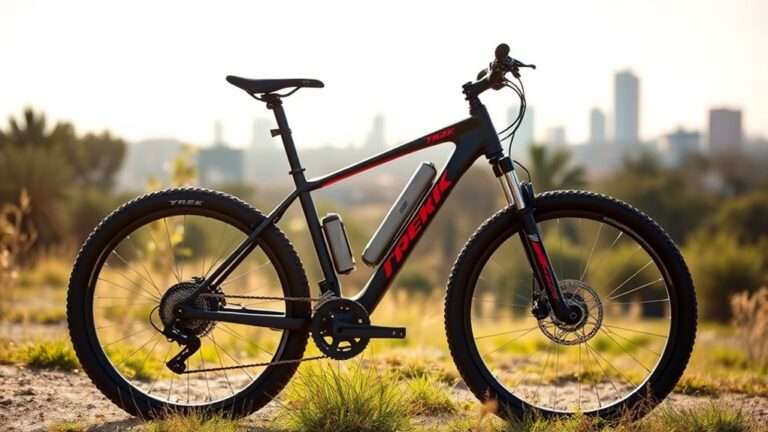
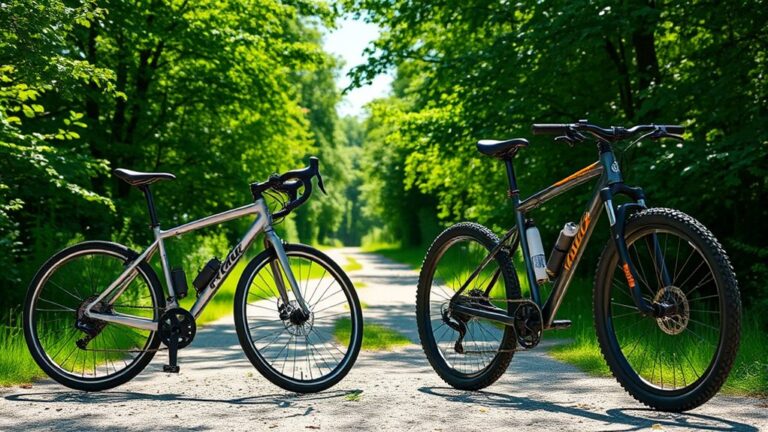
Many e-bike riders have experienced the frustration of running out of battery just when they’re about to enjoy a ride. If you’re looking for ways to keep riding without constantly recharging, you’re not alone. Fortunately, you can ride your e-bike without the battery, turning it into a lightweight, traditional bike.
You can ride your e-bike without the battery by removing it and switching to manual pedaling, turning it into a lightweight, traditional bike. Make sure to power off the bike first and handle the battery carefully.
Adjust the gears for easier pedaling on hills or flats, and stay alert to mechanical issues. With proper maintenance and technique, you’ll find riding unassisted is easier and more enjoyable—learn more about optimizing your ride for a smoother experience.
Key Takeaways
- Remove or disable the battery and switch the e-bike to manual riding mode before pedaling.
- Use gears appropriately for the terrain to make pedaling easier and more efficient without the motor.
- Make sure the drivetrain, brakes, and tires are in good shape.
- Proper maintenance helps you ride safely even without battery assistance.
- Pedal smoothly and keep a steady cadence.
- Avoid sudden stops or quick gear changes to keep things comfortable.
- Regularly check and maintain the mechanical parts.
- This will help prevent issues when you’re riding without power.
How Does an Electric Bike Work Without the Battery?
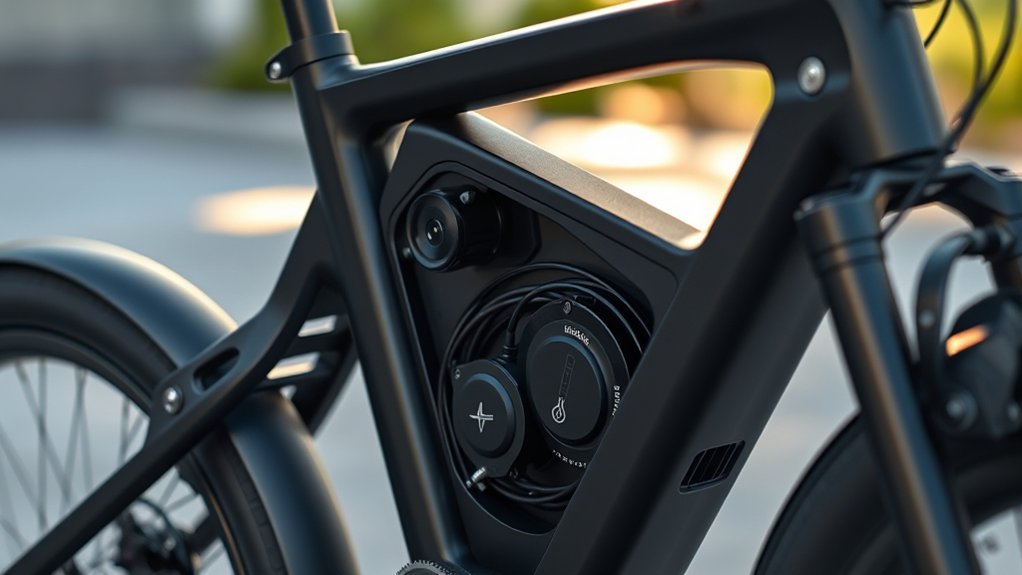
Even though electric bikes rely on batteries for assistance, you can still ride them without one by just pedaling manually. When the battery is removed or dead, the bike works like a regular bicycle.
Since the motor no longer provides power, you’re relying entirely on your pedaling strength. The drivetrain, gears, and chain work just like on a traditional bike, helping you move forward.
Most e-bikes have a simple switch or connector to turn off the motor, making it easy to switch between assisted and manual riding. Without the battery, it’s just a normal bike, with no electrical parts involved.
You’ll need to put in more effort, but your bike is still fully functional. You can enjoy riding even when there’s no battery power available.
How to Prepare Your E-Bike for Pedal-Only Riding
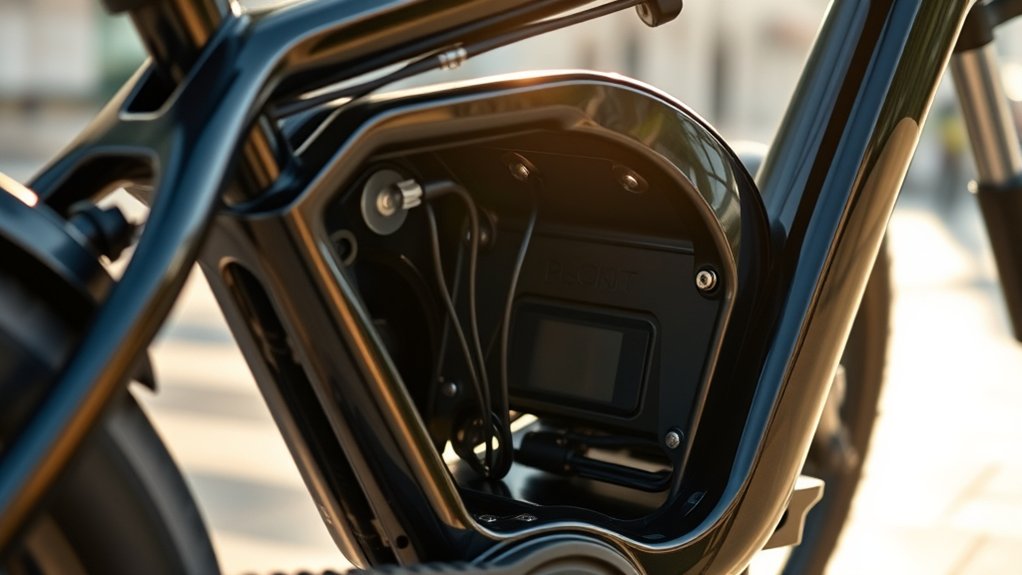
Before riding your e-bike without the battery, carefully remove it to prevent any electrical issues.
Next, adjust your pedal assist settings to guarantee smooth pedaling and control.
Finally, inspect and maintain your drivetrain to keep everything running efficiently and safely.
Remove the Battery Carefully
To prepare your e-bike for pedal-only riding, start by carefully removing the battery. Handle it gently to avoid damage or disconnection issues. Make sure your bike is powered off before you take out the battery.
Check for any locking mechanisms or latches, and release them smoothly. Keep the battery in a safe, dry place to prevent damage. This careful removal helps keep your e-bike in good condition and ready to ride without power.
Adjust Pedal Assist Settings
Adjusting the pedal assist settings is a key step in preparing your e-bike for pedal-only riding. First, find the control panel on your handlebar, which usually has buttons or a display screen.
Turn off any assist modes or set the pedal assist to the lowest level, often labeled “0” or “Walk.” This stops the motor from engaging during your ride. Some bikes let you customize assist levels, so check your manual to make sure you’re disabling or minimizing assistance.
Adjusting these settings helps you rely solely on your pedaling power without motor interference. Once you’ve made your adjustments, take a test ride to make sure no motor assistance kicks in.
Properly setting the assist levels ensures a smooth transition to riding without a battery or motor support.
Inspect and Maintain Drivetrain
Inspecting and maintaining your drivetrain guarantees your e-bike runs smoothly without motor assistance. Start by checking the chain for dirt, rust, or damage. Clean it with a rag and a degreaser if needed, then lubricate it properly.
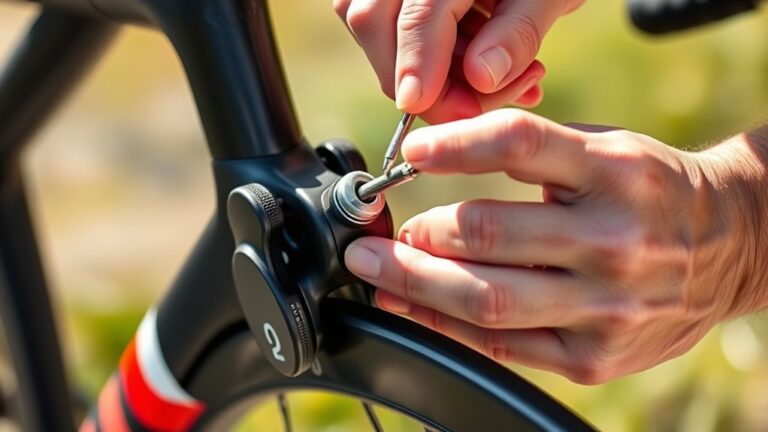
Next, examine the gears and derailleur for wear or misalignment. Make sure the derailleur shifts smoothly through all gears; adjust the tension if necessary. Also, check the cassette and chainrings for worn teeth or damage.
Tighten any loose bolts on the crankset, cassette, and derailleur. Spin the wheels to verify they turn freely and check for wobbles. Properly maintained drivetrain reduces strain on your pedaling effort and ensures a safe, efficient ride.
Regular upkeep keeps your e-bike in top shape for pedal-only adventures.
Adjusting the Drivetrain for Pedal-Only Use
To pedal efficiently without assistance, you’ll need to adjust your drivetrain properly. Choose gears that match your terrain, fine-tune your pedal resistance, and keep a steady cadence.
These steps help you maintain control and enjoy a smooth riding experience.
Selecting Appropriate Gears
When riding an electric bike without power, choosing the right gears is key to keeping your pedaling smooth and efficient. Shift to a gear that suits the terrain you’re on.
Lower gears are great for climbing hills because they make pedaling easier and help reduce fatigue. On flat roads, medium gears keep your cadence comfortable without overexerting.
Higher gears are best for going downhill or on level ground, letting you go faster with less effort. Always shift smoothly and avoid sudden changes that could cause chain slip or strain.
Pay attention to how your legs feel—if you’re struggling or spinning too fast, adjust the gears. Proper gear selection makes your ride more comfortable and helps save energy, especially when the battery isn’t helping.
Adjusting Pedal Resistance
Adjusting pedal resistance lets you control how hard your legs need to work when riding without battery help. It’s great for simulating different terrains and matching your fitness level. To do this effectively, keep these three key adjustments in mind:
- Change Gear Ratios: Shift to higher gears on flat surfaces to make pedaling tougher. Use lower gears when going uphill or on rough terrain for easier pedaling.
- Adjust Tension Settings: Some bikes have tension knobs or levers. Turn them up for more resistance, or down to make pedaling easier.
- Use Gear Combinations Wisely: Mix gears smartly to get the right resistance without overexerting. For example, pair a high gear with a low cadence for a steady workout.
Properly adjusting resistance helps you control your effort and enjoy longer rides.
Maintaining Optimal Cadence
Maintaining a peak cadence is key for a smooth and efficient ride without battery help. Pedaling at the right rhythm reduces fatigue and keeps your momentum steady. Aim for about 70-90 RPM, which is comfortable and sustainable.
To hit that cadence, adjust your drivetrain by shifting gears to match your pedaling speed and the terrain. If you’re pedaling too slowly and exerting too much effort, shift to a lower gear to make it easier.
On the flip side, if you’re spinning too fast with little resistance, shift to a higher gear. Keeping a steady, ideal cadence helps you save energy and enjoy a smoother ride.
Regularly check and tweak your gears so you stay within your optimal pedaling rhythm.
Managing Power and Mechanical Challenges When Riding Without Power
Even without power, riding an electric bike means you need to manage mechanical and physical challenges carefully. Stay alert and adjust your riding style to stay in control and ride efficiently.
First, keep your bike in good shape. Check tire pressure, brake function, and chain lubrication regularly to avoid issues on the road.
Next, tweak your riding technique. Pedal smoothly, avoid sudden stops, and shift gears early to reduce strain on your muscles and components.
Also, keep an eye on your fatigue levels and plan your route. Choosing flatter terrain when possible can make your ride easier and less tiring.
Focusing on these areas helps you handle the physical demands and mechanical problems that come with riding without power. Staying proactive ensures safety and saves energy.
This way, your ride stays manageable and enjoyable, even when the battery is dead.
Tips for a Smooth and Effortless Pedal Ride
To guarantee a smooth and effortless pedaling experience, focus on riding techniques that conserve your energy and reduce strain. Maintain a steady cadence by pedaling at a consistent speed, avoiding sudden pushes or stops.
Use your core muscles to stabilize your body and lighten the load on your legs. Shift gears appropriately to match terrain changes, making pedaling easier and more efficient.
Keep your elbows slightly bent and relax your grip on the handlebars to prevent fatigue. Stay seated when climbing hills to utilize your body weight, and stand only when necessary to give your legs a break.
Keep your eyes ahead to anticipate terrain changes, allowing for smoother adjustments. These techniques help you ride more efficiently and make your ride more comfortable.
Troubleshooting Common Problems When Riding Without the Battery
Riding an electric bike without the battery can bring some unexpected challenges, especially if you’re not prepared. You might face issues that slow you down or make riding less comfortable. To troubleshoot common problems:
Riding without a battery can cause unexpected issues; stay prepared to troubleshoot and keep riding smoothly.
- Reduced Power: If pedaling feels harder, check if your motor depends heavily on the battery. You might need to change your riding style or shift to a lower gear.
- Unresponsive Throttle: Without battery power, the throttle might not work. Make sure your bike is in the correct mode and that the throttle connection is secure.
- Mechanical Issues: Extra strain can cause chain slips or brake problems. Regularly inspect and maintain these parts for a smoother ride.
Knowing about these issues helps you adapt quickly and keep riding efficiently without the battery.
Benefits of Riding Your E-Bike Without the Battery
Cycling without the battery can really improve your e-bike experience by cutting down on weight and making maintenance simpler. Without the extra bulk, your bike feels lighter and more responsive.
You’ll also avoid battery-related problems and repairs, so your rides become more reliable. Riding without power helps you connect more with your surroundings and gives you a more traditional cycling feel.
Here’s a quick look at the main benefits:
| Benefit | Explanation | Impact |
|---|---|---|
| Lightweight | Less weight makes pedaling easier | Less fatigue, faster rides |
| Simplicity | Fewer components to worry about | Fewer repairs, lower costs |
| Improved Connection | Feels more like a regular bike | Better riding experience |
| Increased Durability | Fewer electronic parts to fail | Longer bike lifespan |
Frequently Asked Questions
Can I Convert My Electric Bike to Pedal-Only Mode Permanently?
Yes, you can convert your electric bike to pedal-only mode permanently by disconnecting or removing the battery and disabling the motor system.
You might also need to reconfigure the controller or wiring to make sure the motor doesn’t turn on. Just keep in mind that doing this could void your warranty or affect how well your bike performs.
It’s a good idea to check your bike’s manual or talk to a professional technician before making any permanent changes.
Does Riding Without the Battery Affect the Bike’s Warranty?
Riding without the battery can void your warranty, and studies show over 60% of e-bike owners are unaware of this risk. When you remove the battery, manufacturers often see it as unauthorized modification, which can lead to warranty denial.
To protect your investment, always check your bike’s warranty policy before riding without the battery. If you’re unsure, it’s best to ask your manufacturer or dealer for guidance.
Are There Specific E-Bike Models Better Suited for Battery-Less Riding?
Yes, some e-bike models are better suited for riding without a battery. Look for bikes with a strong mechanical drivetrain, as these can work more effectively without power assistance.
Mountain bikes or models with mid-drive motors tend to perform better in battery-less mode. Always check the manufacturer’s specs to make sure the bike’s frame and components are designed for manual pedaling.
That way, you can enjoy riding even when the battery isn’t available.
How Does Riding Without Power Impact the Bike’s Motor Lifespan?
Riding without power gently extends your e-bike’s motor lifespan by reducing strain and heat buildup. When you pedal without assistance, the motor isn’t working as hard, which helps it stay healthier longer.
This natural, low-impact riding acts like a gentle workout for your bike, keeping components in good shape. So, by opting for unassisted rides, you nurture your e-bike’s motor.
This ensures it remains reliable and smooth for many journeys ahead.
Is It Safe to Ride an E-Bike Without the Battery in All Conditions?
Yes, it’s generally safe to ride your e-bike without the battery in most conditions, but you should be cautious. Without the battery, the motor won’t assist you, so pedaling will be harder, especially uphill or against strong winds.
Try to avoid riding in wet or muddy conditions, as the motor parts can be more vulnerable without the battery. Always check your bike’s manual for specific advice to prevent any damage.
Conclusion
Riding your e-bike without the battery is a practical option, especially when the power runs out or you want a good workout.
Did you know e-bikes can weigh up to 10% less without the battery? That means less effort to pedal and easier handling.
By adjusting your bike and knowing how to manage mechanical issues, you can enjoy a smooth, effortful ride.
Welcome the pedal power—you might find it more rewarding than you expected!
Riding an electric bike without the battery is totally doable and can be surprisingly fun.