How Do You Ride a Hybrid Bike on Gravel Roads?
Many hybrid bike riders want to explore gravel roads but feel unsure about handling uneven surfaces. You’re not alone—navigating gravel can be tricky, especially if you’re used to smoother trails.
Luckily, with a few tips, you can ride confidently and comfortably on gravel roads.
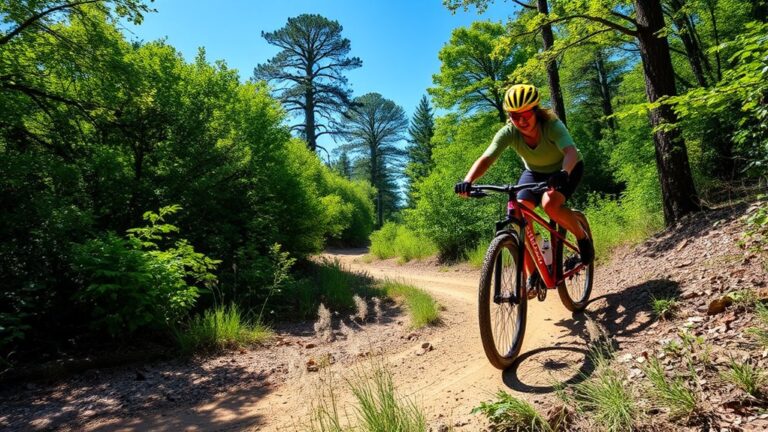
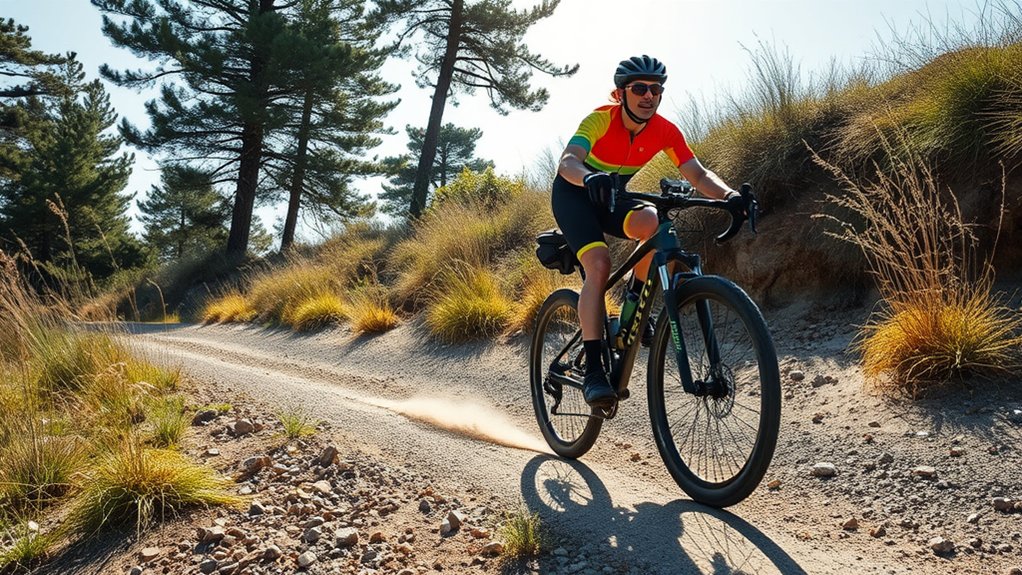
To ride a hybrid bike on gravel roads, stay relaxed, keep a steady cadence, and shift your weight accordingly—forward on compacted surfaces and back on loose gravel.
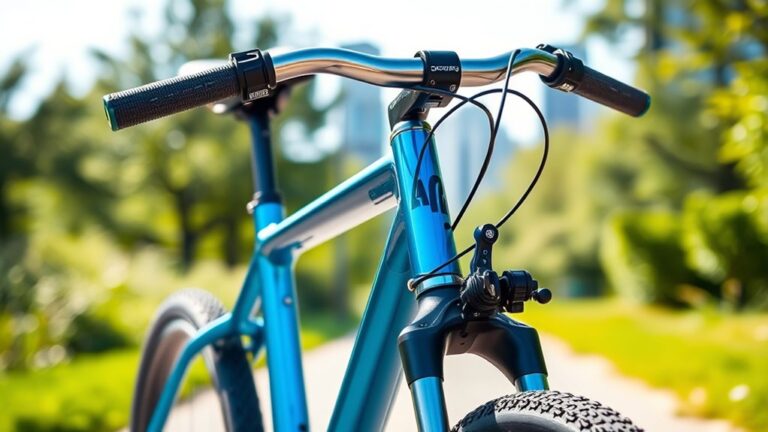
Choose wider tires with appropriate pressure for better grip, and adjust your bike for stability by widening or lowering handlebars if needed.
Use smooth, gradual braking and stay focused on the terrain.
For more tips on tackling gravel’s unpredictable surface, keep exploring how to optimize your ride.
Key Takeaways
- Keep a relaxed grip on the handlebars and maintain a steady cadence. This helps you stay in control on loose gravel.
- Slightly lower your tire pressure. This gives you better traction and helps absorb shocks from uneven surfaces.
- Shift your weight back when riding on loose gravel. On compacted sections, move forward for more stability.
- Use wider tires with knobby treads. They provide better grip and make your ride more stable.
- Don’t forget safety gear like a helmet and gloves. It’s also smart to carry repair tools for quick fixes if needed.
Handling Different Gravel Textures With Your Hybrid Bike
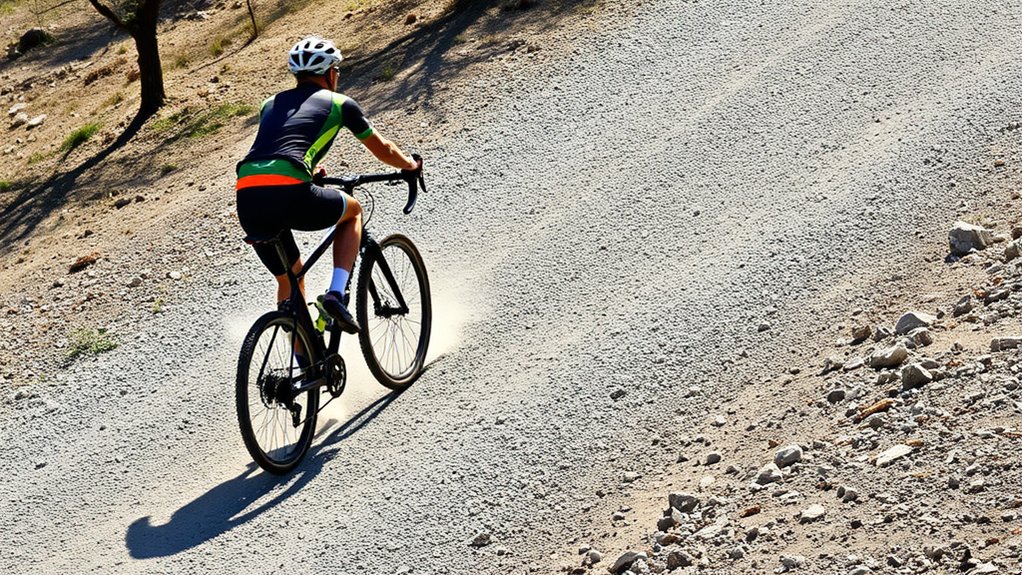
When riding on gravel roads, you’ll come across different textures—from loose, sandy surfaces to more packed, rocky patches. To handle these well, stay relaxed and keep a steady pace.
On loose gravel, keep your weight centered and slightly back. This helps improve traction and prevents skidding. When the surface gets more compacted, shift your weight forward for better control.
Adjust your grip on the handlebars depending on the terrain—looser for rough patches and firmer when you need precision. Keep an eye on the road ahead, scanning for loose stones or uneven spots.
If your bike has suspension, it can help absorb shocks on rougher terrain. By adapting your riding style to different textures, you stay balanced, in control, and enjoy a smoother gravel ride.
Choosing the Best Tires for Gravel Riding
Choosing the right tires can make a big difference in your gravel ride, so pay attention to both width and tread pattern. Wider tires with knobby treads offer better grip and comfort on rough surfaces, while narrower options roll faster on smoother sections.
Don’t forget to adjust your tire pressure to match the terrain for ideal control and efficiency.
Tire Width and Tread
Selecting the right tire width and tread pattern is key to a smooth and confident ride on gravel roads. Wider tires, around 32-40mm, give you better stability and shock absorption, making it easier to handle uneven terrain.
Narrower tires might be faster on smooth sections, but they don’t grip or cushion as well on loose gravel. Look for tires with knobby or textured treads made for off-road traction. These help dig into loose gravel and prevent slips.
Smooth or slick treads aren’t ideal for gravel because they don’t offer enough grip. Pick a tread pattern that balances traction and rolling efficiency based on your usual riding conditions.
Having the right tire width and tread improves control, cuts down fatigue, and makes your gravel rides safer and more fun.
Tire Pressure Optimization
Adjusting tire pressure is key to getting the best performance and comfort on gravel roads. When riding on rough terrain, lower pressures improve grip and help absorb shocks, giving you better control and a smoother ride.
But be careful not to go too low, as it can lead to pinch flats or rim damage. Usually, inflating tires to about 20-30 psi works well for gravel riding, but you should tweak this based on your weight, tire width, and the conditions.
Heavier riders or softer gravel benefit from slightly lower pressures, while firmer surfaces need a bit more. Use a reliable pump with a pressure gauge to set your ideal PSI. Regularly check your tire pressure before rides, especially if temperatures change, to keep your bike performing its best and to reduce flat risks.
Bike Adjustments to Improve Stability on Gravel
To improve stability on gravel roads, start by adjusting your bike’s setup for rough terrain. Begin with your handlebar position—lowering or widening them can help with control and balance.
Check your stem and headset adjustments to make sure there’s no play, which can affect steering accuracy. Consider installing wider or more aggressive tires if your bike allows it; they boost grip and stability.
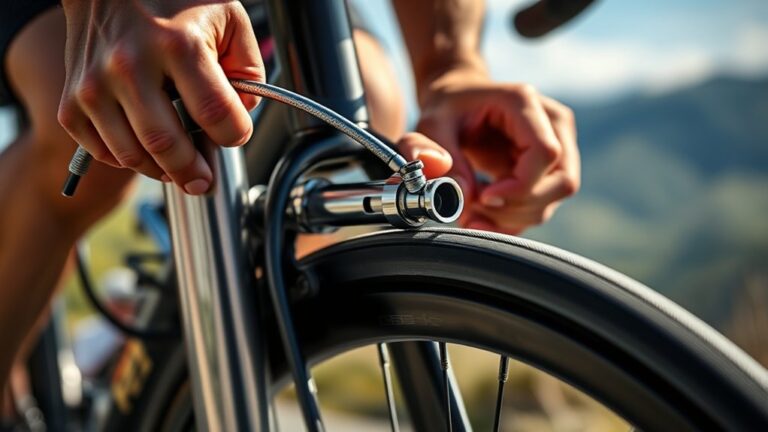
Adjust your saddle height to keep a comfortable, efficient riding position that centers your weight. Also, fine-tune your brake and gear systems so they respond smoothly, preventing sudden shifts that might throw you off balance.
These modifications help your bike respond predictably, giving you more confidence and control on uneven gravel surfaces.
How to Set Up Your Hybrid Bike for Gravel Roads
Setting up your hybrid bike properly for gravel roads involves adjusting key components to handle rough terrain confidently. First, choose wider tires with lower pressure to increase traction and cushioning. Lowering tire pressure helps your bike absorb shocks better and prevents pinch flats.
Next, consider switching to a more versatile gear setup, like a wider cassette, to make it easier to handle steep inclines and uneven surfaces. Adjust your saddle height for comfort and control, so you can pedal efficiently without strain.
If your bike has suspension, set it to a softer setting to improve shock absorption on rougher sections. Finally, check that your brake system is responsive because reliable stopping power is essential on loose gravel. Proper setup guarantees a smoother, safer ride on gravel roads.
Riding Techniques for Gravel: Stay in Control
Maintaining control on gravel roads takes focus and proper technique. Keep your hands firmly on the handlebars, but stay relaxed and ready to respond quickly.
Stay seated as much as possible to keep your bike stable, but stand and shift your weight when riding over rough patches or loose gravel. Keep your cadence steady and avoid sudden braking or sharp turns, which can cause slipping.
Instead, brake early and gradually to slow down safely. Look ahead to spot obstacles and choose your line carefully, avoiding loose gravel or large rocks. Maintain a balanced posture, leaning slightly back on descents and forward on climbs.
How to Choose the Right Gear and Speed for Gravel
Choosing the right gear and speed is key to riding confidently and safely on gravel roads. Start with a lower gear to stay in control and put less strain on your legs. This helps you pedal smoothly over uneven surfaces and react quickly to changes in terrain.
Keep your speed moderate. Going too fast can make you lose traction or control, especially on loose gravel. Shift to easier gears when you hit steep or loose sections, and switch to harder gears on flatter stretches.
Maintain a steady cadence and avoid sudden acceleration or braking. Picking the right gears and keeping your speed in check will improve your stability, prevent slips, and make your gravel ride more enjoyable.
Tips for Navigating Hills and Turns on Gravel
When riding on gravel hills and turns, you need to control your speed to stay safe and steady. Keep your balance centered over the bike as you navigate turns to prevent slipping or losing control.
Manage Speed on Hills
As you approach a hill or turn on gravel, it’s important to control your speed to stay safe and keep your bike stable. Slow down gradually before you reach the incline or curve to avoid losing control.
Use your brakes gently—avoid sudden squeezes—as they can cause skidding on loose surfaces. Shift to a lower gear early; this makes pedaling easier and helps you stay in control.
Keep your weight centered and slightly back. This helps maintain traction and balance as you ride over rough or loose terrain.
- Use your brakes early and smoothly, not suddenly
- Shift down before hitting the hill for easier pedaling
- Keep your body relaxed and centered for better control
- Adjust your speed based on the terrain’s loose gravel and incline degree
Maintain Balance in Turns
To keep your balance while turning on gravel, focus on shifting your weight properly and maintaining a steady, controlled speed. As you approach a turn, lean slightly into it, moving your weight toward the inside pedal and the low side of the bike. This helps keep your center of gravity stable and gives you better traction.
Keep your elbows bent and stay relaxed on the handlebars to make your movements smoother. Look through the turn instead of at your front wheel—this helps guide your bike smoothly. Maintain a consistent speed; slowing down too much can make you lose control, while going too fast increases the risk of slipping.
Practice gentle steering and deliberate weight shifts to navigate turns confidently on gravel roads.
Safety Gear and Tips for Gravel Riding
Safety gear is essential for gravel riding to protect you from potential falls and debris. Wearing the right equipment keeps you confident and reduces injury risk. Always wear a well-fitting helmet to protect your head.
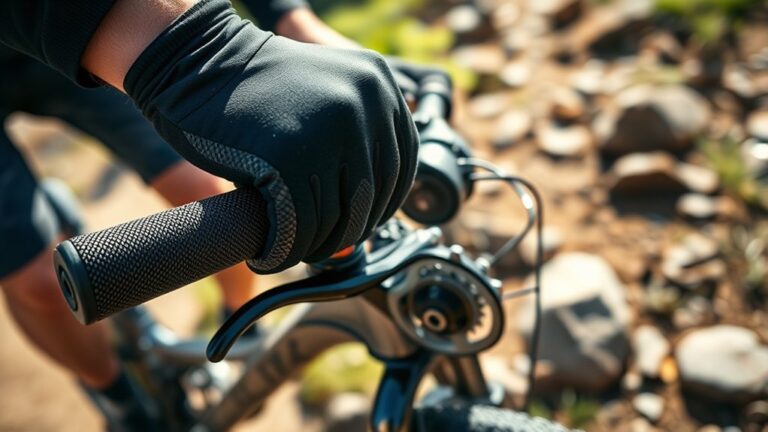
Use gloves to improve grip and shield your hands from scrapes. Eye protection, like sunglasses or goggles, keeps dust, stones, and branches out of your eyes. Sturdy shoes with good tread provide stability on uneven terrain.
Consider padded shorts for extra comfort on long rides. Wear reflective clothing or gear to increase visibility in low light. Carry a small first aid kit and tools for quick repairs.
How to Maintain Your Hybrid Bike for Gravel Conditions
To keep your hybrid bike performing well on gravel, regularly check and adjust your tire pressure to match the terrain. This helps ensure a smooth ride and better control.
It’s also important to clean and lubricate your chain and inspect your brakes. This guarantees reliable stopping power when you need it most.
Staying on top of these maintenance tasks helps prevent issues and makes your ride smoother overall.
Tire Pressure Optimization
Adjusting your tire pressure correctly is key for top performance on gravel roads. Too high, and you’ll skip over loose gravel; too low, and you’ll feel sluggish and risk flats.
To find the right balance, consider these tips:
- Slightly lower your pressure below road bike levels for better grip and comfort.
- Check your tire sidewall for the recommended pressure ranges.
- Make small adjustments to see what feels best on different gravel surfaces.
- Keep an eye on tire wear and tweak your pressure as needed for better traction.
Chain and Brake Care
Keeping your chain and brakes in good shape guarantees smooth rides and reliable stopping power on gravel surfaces. Regularly clean your chain to remove dirt and debris that can cause wear and slipping. Lubricate it with a suitable bike chain oil after cleaning, but avoid over-lubricating to prevent dirt buildup.
Check your brake pads frequently for wear; replace them if they’re worn down or uneven. Adjust brake cables to ensure responsive braking without excessive pull. For rim brakes, make sure rims are clean and free of mud or grit. For disc brakes, inspect rotors for warping or debris.
Proper maintenance keeps your bike performing well on rough terrain, reduces the risk of breakdowns, and makes your gravel rides safer and more enjoyable.
What to Do When Gravel Gets Loose or Unpredictable
When gravel suddenly becomes loose or unpredictable, your main focus should be on staying relaxed and keeping control. Hold the handlebars firmly but gently, avoiding any jerky movements.
Shift your weight slightly back to keep the front wheel from washing out. Look ahead instead of down — this helps you anticipate changes in the terrain better. Keep your pedal cadence smooth and steady to stay balanced.
Here are some quick tips:
- Relax your grip to avoid oversteering
- Use gentle, controlled braking if needed
- Slightly reduce your speed
- Stay alert and keep your eyes on the trail
Remaining calm and responsive helps you navigate tricky patches smoothly and safely.
Frequently Asked Questions
Can Hybrid Bikes Handle Very Rough or Rocky Gravel?
Hybrid bikes can handle rough or rocky gravel, but how well they perform depends on the tires and suspension.
If you put wider, knobbier tires on your hybrid, you’ll get better grip and shock absorption.
Just keep in mind, hybrid bikes aren’t made for extreme off-road conditions.
Ride slowly and carefully, and consider lowering your tire pressure for better traction.
With the right setup, you can confidently ride on rough gravel roads on your hybrid.
How Do I Prevent My Hybrid Bike From Slipping on Loose Gravel?
To prevent slipping on loose gravel, try lowering your tire pressure slightly for better traction and stability. This can give your tires a better grip on uneven surfaces.
Keep your weight centered and stay relaxed on the handlebars. Let the bike move naturally with the terrain instead of fighting against it.
Use smooth, steady pedaling and avoid sudden turns or quick acceleration. Staying controlled helps you stay balanced and reduces the risk of slipping.
Focus on maintaining control and anticipate changes in terrain. Being prepared makes it easier to stay safe on loose gravel.
Is It Necessary to Carry Repair Tools for Gravel Riding?
Yes, carrying repair tools is essential for gravel riding. Studies show that 70% of riders encounter mechanical issues during off-road trips.
You’ll want a multi-tool, spare tube, pump, and tire levers to handle flats or minor repairs. Carrying these guarantees you’re prepared for unexpected problems, especially in remote areas.
It keeps you safe, saves time, and allows you to enjoy your adventure without worry.
What Clothing Is Best for Gravel Road Cycling?
For gravel road cycling, wear comfortable, moisture-wicking clothing that offers protection and flexibility. Opt for padded shorts to help reduce saddle soreness and a breathable jersey to keep you cool.
Consider layered clothing for changing weather, and wear gloves to improve your grip and protect your hands. Sturdy shoes with good grip help you stay in control.
Bright colors or reflective elements increase visibility, making sure you stay safe during your ride.
How Do Weather Conditions Affect Gravel Riding Safety?
Weather conditions greatly impact your gravel riding safety. Rain makes the surface slippery and muddy, increasing the risk of falls.
Wind can push you off course or cause fatigue, while extreme heat leads to dehydration. Cold weather can cause numbness and decrease your control.
Always check the forecast before heading out, dress appropriately, and adjust your riding style to match conditions. This helps you stay safe and in control on the gravel.
Conclusion
So, next time you hit those gravel roads, remember that with the right setup and techniques, you’re more than ready to conquer the terrain. A simple tweak in tire pressure or a slight adjustment in your riding style can really change your experience.
Gravel riding isn’t just about reaching your destination; it’s about enjoying the journey—even when loose stones catch you off guard. Embrace the challenge, and you might discover a new favorite adventure right off the beaten path.
Riding a hybrid bike on gravel roads is all about adapting your approach. With some practice, you’ll find yourself more confident and comfortable on rougher surfaces. So gear up, stay relaxed, and enjoy the ride.