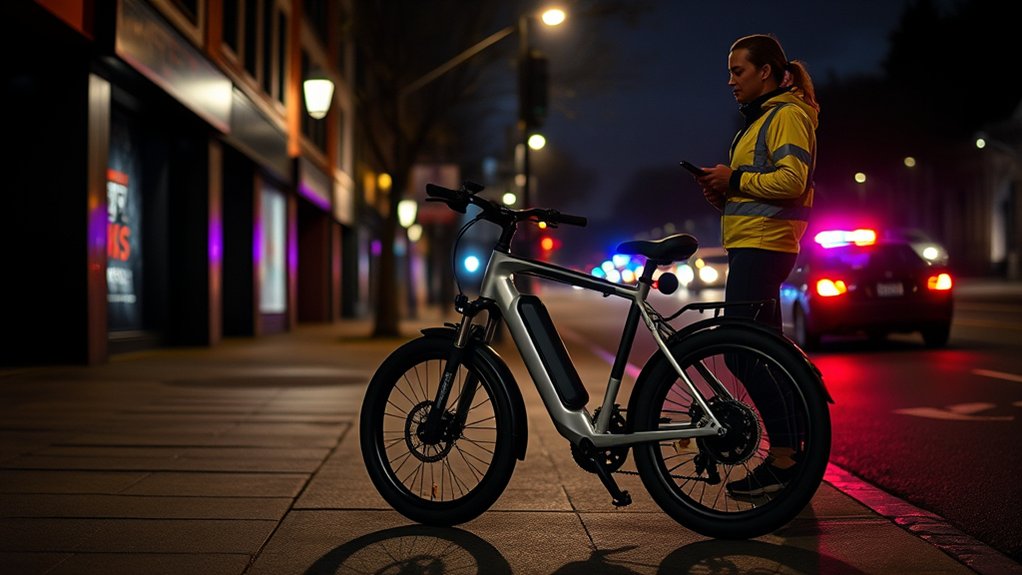
Can You Get a DUI on an Electric Bike?
Many people enjoy riding electric bikes, but there’s often confusion about the rules, especially around impaired riding. You’re not alone if you’re wondering whether you can get a DUI on an electric bike—it’s a common concern.
Yes, you can get a DUI on an electric bike if you’re riding while impaired by alcohol or drugs. Laws vary by state; in some places, e-bikes are treated like motor vehicles, making DUI charges possible.
In other areas, e-bikes are seen as regular bikes and are less likely to have DUI laws applied. It’s important to know your local rules and stay safe.
Keep going to find out more about how law enforcement handles impairment checks and potential penalties.
Key Takeaways
You can get a DUI on an electric bike if you’re riding while intoxicated, but it depends on the laws in your state.
Many states consider impaired riding on an e-bike as grounds for DUI charges.
Laws vary a lot. Some places see e-bikes as just bicycles, so DUI laws don’t really apply.
Other places treat them more like motor vehicles, which means DUI laws do apply.
If the police suspect you’re impaired, they might ask you to do sobriety tests.
BAC limits also come into play if relevant.
Getting caught can lead to fines, license suspension, or even jail time—similar to a car DUI.
Can You Get a DUI on an Electric Bike?
Yes, you can get a DUI on an electric bike, depending on your state’s laws and whether you’re considered a rider or driver.
If you’re operating an electric bike while drunk, law enforcement might see you as impaired while riding, especially if your state treats e-bikes like motor vehicles.
Some states have specific laws that define electric bikes as vehicles, meaning you could face DUI charges if your blood alcohol content (BAC) exceeds the legal limit.
In other states, electric bikes might not be classified as vehicles, which could lead to different legal consequences.
Regardless, riding an electric bike while intoxicated can be dangerous, and legal penalties vary a lot.
Always check your local laws before heading out after drinking.
Are Electric Bikes Considered Motor Vehicles Legally?
The legal status of electric bikes varies depending on where you are, so it’s a good idea to check your state’s specific rules.
Some states classify them as motor vehicles, while others treat them more like bicycles or scooters.
Knowing your local regulations can help you avoid any legal issues while you’re out riding.
Legal Definitions Vary
Laws about whether electric bikes are considered motor vehicles can really vary depending on where you are. This makes a big difference in how you’re treated under the law, especially if it comes to DUIs.
Some places see electric bikes as just bicycles, so you don’t need a license or insurance. Others classify them as motor vehicles, which means stricter rules apply.
To figure out your situation, keep in mind these three factors:
- Local laws decide if an electric bike is a vehicle or a bicycle.
- Your bike’s speed and power might influence the rules.
- How law enforcement enforces these laws can affect whether you can be charged with a DUI.
Knowing how your area classifies electric bikes is key to understanding your rights and responsibilities when riding.
State-Specific Regulations
Since regulations about electric bikes vary widely from state to state, it’s important to check your local laws. That way, you’ll know if your bike is classified as a motor vehicle or just a bicycle.
Some states treat e-bikes like traditional bikes, so you don’t need a license or worry about DUI laws. Others see them as motor vehicles, which means licensing, registration, and DUI rules could apply.
Here’s a quick comparison to help clarify:
| State Type | Regulation |
|---|---|
| E-bike classified as bicycle | No license or DUI laws apply; riding rules follow bicycle laws. |
| E-bike classified as motor vehicle | DUI laws, licensing, and registration may be necessary. |
| Mixed classifications | Varies within the state, depending on e-bike specs. |
Knowing your state’s classification helps you understand your legal responsibilities and risks.
How Do State Laws Treat Electric Bike DUI Offenses?
State approaches to electric bike DUI offenses vary widely. Some jurisdictions treat e-bikes like traditional bicycles, while others see them as motor vehicles.
In states where e-bikes are classified as bicycles, you usually won’t face DUI charges unless specific laws apply. But if your state considers e-bikes motor vehicles, you could be prosecuted similarly to a car DUI.
To understand your risk, consider these factors:
- Legal classification: Check if e-bikes are legally counted as bikes or motor vehicles.
- Blood alcohol limits: Know the state’s BAC threshold for e-bike operators.
- Enforcement practices: Be aware that some states enforce DUI laws based on impairment, similar to how they treat vehicle operators.
Knowing your state’s stance helps you stay informed and avoid legal trouble while riding your e-bike.
How Do Police Check for Impairment on an Electric Bike?
When police suspect you’re impaired while riding an electric bike, they usually perform field sobriety tests to check your coordination and balance. These tests help them determine if your ability to ride safely is affected.
They might also use breathalyzer devices if they think alcohol is involved, following specific rules and procedures. So, if you’ve been drinking, be aware that they could ask you to blow into a breathalyzer.
Additionally, officers watch for signs of impairment, like erratic riding or slurred speech. These behavioral cues can give them more reason to investigate further.
Field Sobriety Tests Conducted
Police officers typically perform field sobriety tests to assess impairment on an electric bike just as they do with traditional vehicles. These tests help determine if you’re under the influence of alcohol or drugs.
Common assessments include:
- Horizontal Gaze Nystagmus (HGN): They’ll ask you to follow a moving object with your eyes to check for involuntary eye movements.
- Walk-and-Turn Test: You’ll be instructed to walk in a straight line, heel-to-toe, and turn around without losing balance.
- One-Leg Stand: You’ll be asked to stand on one leg for about 30 seconds while counting aloud.
These tests are designed to evaluate your coordination, balance, and focus, giving officers objective signs of impairment.
Breathalyzer Usage Regulations
Breathalyzer tests are a common tool used by officers to determine if someone is under the influence, but their application on electric bikes can be complex due to legal and procedural nuances.
Typically, law enforcement needs probable cause to administer a breathalyzer, and this standard applies to electric bike riders just as it does with drivers. However, some jurisdictions may have specific rules about testing non-motor vehicle operators.
Officers might require your consent before administering the test, and refusal can lead to penalties similar to those for refusing a DUI test in a car.
It’s important to know that breathalyzer results can be challenged in court if proper procedures weren’t followed. Understanding your rights and local laws can be pivotal during an impairment investigation involving an electric bike.
Observational Behavior Signs
Observational behavior signs are often the first clues officers rely on to see if an electric bike rider is impaired. They look for specific behaviors that might indicate intoxication or impairment.
You might notice poor balance or wobbling as you try to stay upright. Officers also watch for delayed or inconsistent responses to signals or traffic.
Unusual movements like swerving or having trouble steering can be signs too. These cues are often checked alongside other signs, such as slurred speech or the smell of alcohol.
They may also observe your coordination, judgment, and overall control of the bike. If multiple signs are present, officers might perform further tests or ask questions about how you’re feeling.
Being aware of these behavioral cues can help you understand how impairment is assessed during a traffic stop.
Is Drinking Alcohol or Using Drugs on an Electric Bike a DUI?
Even if you’re riding an electric bike, consuming alcohol or drugs can still lead to a DUI charge. Many people think only driving a car results in DUIs, but law enforcement can charge you if your blood alcohol content (BAC) exceeds legal limits while operating an electric bike.
The key factor is whether you’re considered “under the influence” while riding. If your judgment, coordination, or reaction time is impaired, you can be pulled over and tested.
Using drugs or alcohol doesn’t have to happen behind the wheel of a car to have legal consequences. On an electric bike, you’re still operating a vehicle on public roads or bike paths, making impairment a serious offense that can lead to a DUI charge.
What Are the Penalties for DUI on an Electric Bike?
Getting caught riding an electric bike while impaired can lead to serious legal consequences, similar to those for driving a car under the influence. Penalties vary by state but often include fines that can be quite hefty, sometimes reaching thousands of dollars.
Your license could be suspended or revoked temporarily, and in some cases, permanently. A DUI conviction on an electric bike might also mean jail time, especially if it’s a repeat offense or if someone gets hurt.
A DUI on an electric bike can lead to license suspension, jail time, or permanent revocation, especially if repeat offenses or injuries occur.
These penalties are meant to discourage impaired riding and keep everyone safe. Law enforcement takes DUI offenses seriously, even on electric bikes, with consequences that can disrupt your life significantly.
Always remember, riding while impaired can have severe legal impacts, so stay safe and make smart choices.
Tips to Stay Safe and Legal While Riding Your Electric Bike
To stay safe and legal while riding your electric bike, it’s important to follow local traffic laws and regulations. Always wear a helmet, even if it’s not legally required, to protect yourself in case of an accident.
Keep your electric bike well-maintained, making sure brakes, lights, and tires are in good working condition. Ride at a safe speed, especially on busy streets or crowded bike paths, and use hand signals to let others know your intentions.
Stay alert and avoid distractions like using your phone while riding. Stick to designated bike lanes and paths whenever possible, and be respectful of pedestrians and other vehicles.
What Should You Do If You’re Pulled Over for DUI on an Electric Bike?
If a police officer pulls you over while riding your electric bike and suspects you’re under the influence, stay calm and cooperative. Respect the officer’s instructions and avoid arguing.
When asked for your information, provide it calmly and honestly. You should also consider the following steps:
- Be polite and respectful. This can help de-escalate the situation.
- Avoid admitting guilt. Stick to giving your details without volunteering information about your alcohol or drug use.
- Follow the officer’s directions. If asked to perform field sobriety tests, understand you’re entitled to refuse, but it may have consequences.
Remaining composed and respectful can influence how the situation unfolds and protect your rights.
Are There Exceptions or Special Cases in Electric Bike DUI Laws?
While electric bike DUI laws can vary by state or jurisdiction, there are often specific exceptions or distinctions that can affect how the laws apply to you. Some areas might not consider electric bikes as motor vehicles, meaning DUI laws don’t apply to them.
Others may have special rules for certain types of e-bikes, like pedal-assist models versus throttle-only bikes. Certain jurisdictions might exempt low-powered bikes or categorize them differently, so you’re not subject to standard DUI penalties.
Furthermore, some regions focus on whether you’re operating the bike in a reckless or dangerous manner rather than strictly on blood alcohol content. It’s essential to understand local laws, as these exceptions can significantly impact whether a DUI charge applies to your electric bike ride.
Frequently Asked Questions
Can Electric Bike DUI Laws Vary Between Different States or Cities?
Yes, electric bike DUI laws can vary between states and cities. In some places, e-bikes are treated like traditional bicycles, so no DUI charges are possible.
In others, if your e-bike exceeds certain power or speed limits, authorities might classify it as a motor vehicle. That means DUI laws could apply to you.
It’s really important to check your local regulations to see how they specifically address electric bikes and DUI offenses.
Are There Specific Breathalyzer Tests Used for Electric Bike Riders?
Yes, breathalyzer tests are used for electric bike riders just like with drivers. Law enforcement officers usually use standard breathalyzers to check your blood alcohol content if they suspect you’re under the influence.
These devices measure your breath’s alcohol level quickly and accurately, no matter what vehicle you’re riding. So, if you’re on an electric bike, be aware that you could be subjected to the same sobriety tests as traditional drivers.
How Do Electric Bike DUI Penalties Compare to Those for Traditional Bicycles?
Electric bike DUI penalties are often similar to those for traditional bicycles, but it varies depending on where you are. You could face fines, license suspension, or even jail time if you’re caught riding under the influence.
Some areas consider electric bikes motorized vehicles, which can lead to harsher penalties. Always keep in mind that riding impaired on any bike, electric or not, is dangerous for you and everyone around you.
To stay safe and legal, it’s best to avoid riding if you’ve been drinking.
Do Electric Bike DUI Laws Apply to Off-Road or Trail Riding?
Yes, electric bike DUI laws often apply to off-road or trail riding, turning your peaceful ride into a potential legal headache. When you’re cruising through the woods, law enforcement can still see your electric bike as a motorized vehicle under the law.
If you’re intoxicated, the penalties can be just as serious as on the road, including fines, license suspension, or even jail time. So, stay sober and stay safe, no matter where you’re riding.
Can a Rider Avoid DUI Charges by Using Non-Alcoholic Substances?
No, using non-alcoholic substances won’t help you avoid DUI charges. Law enforcement mainly look at your blood alcohol concentration (BAC) or whether you’re impaired by any substances.
Even if you haven’t had any alcohol, you can still face DUI charges if you’re impaired by drugs or other substances.
Always ride responsibly and remember that impairment from any substance, legal or not, can have serious legal consequences.
Conclusion
Knowing the laws around electric bike DUIs can save you trouble and keep you safe. Did you know that over 30% of electric bike riders admit to drinking alcohol while riding? Staying sober or avoiding substances guarantees you’re within legal limits and reduces your risk of accidents.
Always ride responsibly, follow local laws, and enjoy your electric bike adventure safely—and legally. Your safety and freedom depend on it. And remember, you can get a DUI on an electric bike, so it’s best to stay clear-headed when riding.