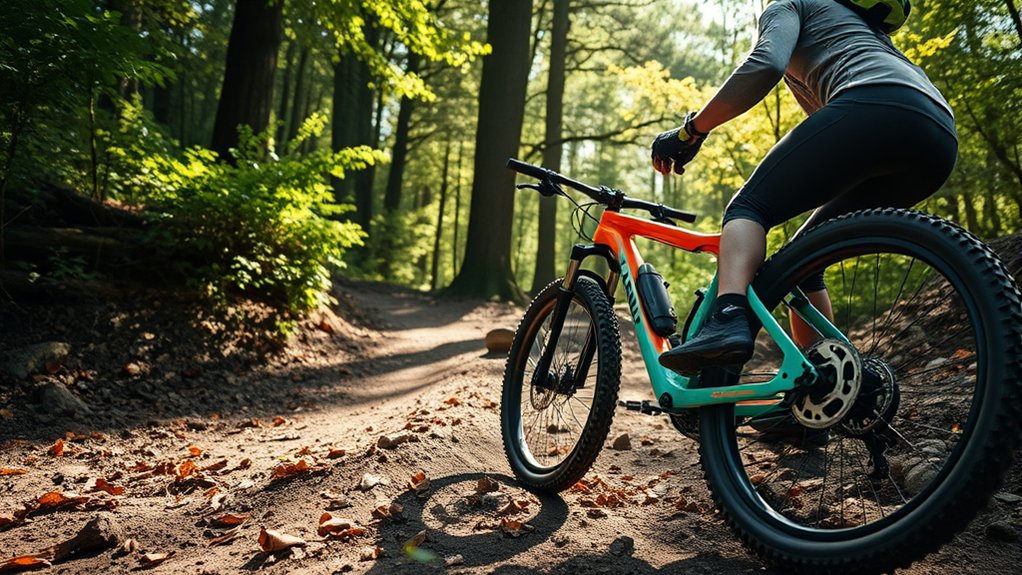
How to Take Your Hybrid Bike Off Road Safely
Many hybrid bike owners dream of taking their rides off-road but feel unsure about how to do it safely. You’re not alone—navigating rough trails can seem intimidating at first. The good news is, with a few simple tips, you can enjoy off-road adventures confidently and safely.
To take your hybrid bike off-road safely, start by checking that your tires have enough grip with wider, knobby treads, and verify your brakes and suspension are in good shape.
Wear proper safety gear like a helmet and gloves, and pick trails suited to your skill level.
Maintain balance, stay relaxed, and use controlled pedal strokes. Adjust gears early and avoid rushing.
Keep your bike clean after rides. If you stay cautious and prepared, you’ll gain confidence—more tips come with continued practice.
Key Takeaways
- Use tires that have knobby treads and lower pressure. This helps you get better grip and absorbs shocks better when riding off-road.
- Always wear safety gear like a helmet, gloves, and pads. It’s important to protect yourself in case you fall or slip.
- Pick trails that match your skill level. Starting with easier terrain will help you build confidence and improve your skills.
- Practice smooth and controlled riding. Focus on proper braking and keeping good body positioning to stay safe.
- After your ride, give your bike a thorough cleaning and do some maintenance. This keeps your bike in top shape for your next adventure.
How Off-Road Terrain Differs From Paved Trails
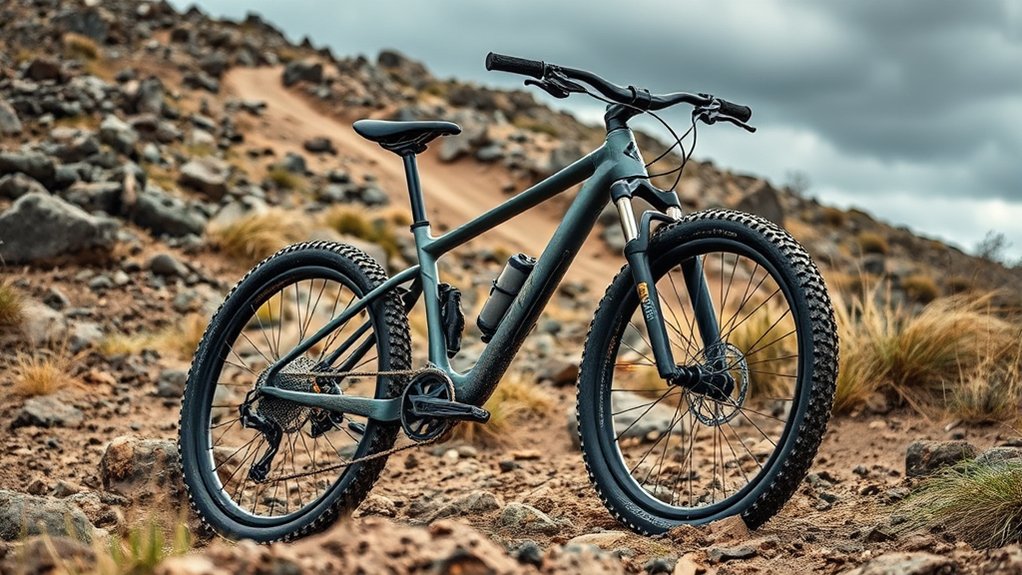
Off-road terrain is quite different from paved trails, so you’ll need to adjust your riding style and gear. On rough surfaces, your bike needs better traction and stability, and you’ll encounter uneven ground, loose gravel, mud, and rocks.
Unlike smooth paved paths, off-road trails require more control and careful navigation to avoid slipping or falling. It’s a good idea to lower your tire pressure a bit for better grip and cushioning.
Be prepared for unexpected obstacles like roots or deep ruts that can pop up suddenly. Your riding posture should be more flexible, with knees and elbows slightly bent to absorb shocks.
Is Your Hybrid Bike Ready for Off-Road Trails?
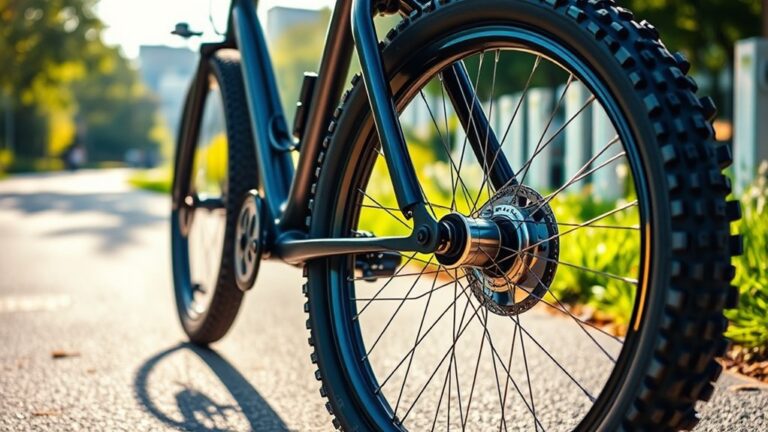
Before hitting rugged trails, it’s essential to check if your hybrid bike is ready for off-road riding. Look for wider tires with knobby treads, which help you grip uneven surfaces better.
Make sure your tires are properly inflated. Over- or under-inflated tires can make controlling the bike more difficult. Also, inspect the suspension—if your bike has front suspension, ensure it’s working smoothly to absorb shocks.
Ensure tires are properly inflated and suspension functions smoothly for a safer, more controlled off-road ride.
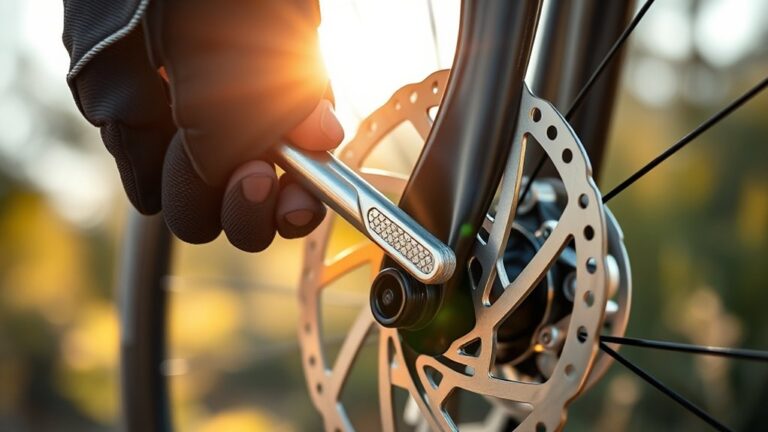
Next, check your brakes. Disc brakes are a great choice for off-road terrain since they perform better in muddy or wet conditions. Finally, verify that your gears shift smoothly and that the drivetrain is clean and well-lubricated.
If any of these components aren’t up to par, consider making upgrades or adjustments before heading out on those challenging trails. Proper prep makes your ride safer and way more enjoyable.
What Safety Gear Should You Wear Before Off-Roading?
Equipping yourself with the right safety gear is essential to protect against potential falls, debris, and unexpected accidents when riding on rugged terrain. Wearing proper gear minimizes injuries and boosts confidence on rough trails.
A well-fitted helmet should be your top priority, shielding your head from impacts. Gloves improve grip and protect your hands from scrapes. Knee and elbow pads offer extra cushioning during falls.
Reflective clothing increases visibility, especially in low-light conditions. This way, you stay safe and seen by others while off-roading.
How to Choose the Right Trail for Your Skill Level
Choosing the right trail starts with honestly assessing your riding skills and experience. Be realistic about your comfort level and technical ability to avoid unnecessary risks.
Begin with easier trails to build confidence and improve your skills before moving on to more challenging terrain.
Think about the trail’s difficulty rating, length, and surface type to find one that matches your experience.
Look for trails that suit your fitness level and riding style, whether you prefer smooth paths or rugged singletrack.
Here are some tips to help you choose the right trail:
- Check trail ratings and descriptions online
- Pick trails with manageable elevation gain
- Choose paths with clear signage and maps
- Avoid overly technical or unfamiliar terrain until you’re more experienced
How to Prep Your Bike for Off-Road Riding
Before hitting the trails, make sure your tires are inflated to the right pressure for better grip and control. This small step can make a big difference in how your bike handles off-road.
Next, check your suspension system for any signs of wear or damage. Ensuring it’s in good shape will help you ride smoothly and handle rough terrain with confidence.
Getting your bike ready before you go out helps you stay safe and enjoy your ride more. A little prep goes a long way on tough off-road trails.
Check Tire Pressure
Ensuring your tires are properly inflated is key for safe and efficient off-road riding. Proper tire pressure helps you stay in control, improves traction, and prevents flats.
Before hitting those rough trails, check your tire pressure with a reliable gauge. Adjust the pressure depending on the terrain: lower for softer surfaces like dirt or sand, and higher for firmer ground.
Keeping your tires at the right pressure can really improve your ride. Use a pressure gauge for accuracy and reduce pressure for better grip on loose terrain.
Avoid over-inflating, which can cause flats or damage. It’s a good idea to check your tire pressure regularly during your ride, especially if temperatures change.
A simple step like keeping your tires properly inflated boosts both safety and performance on your adventures.
Inspect Suspension System
A well-maintained suspension system is key for a smooth and safe off-road ride. It absorbs shocks and helps you stay in control over rough terrain.
Before heading out, check your suspension forks and shocks for leaks or damage. Pump the suspension to make sure it responds smoothly and rebounds properly.
Look for any stuck or loose parts, and tighten or replace them if needed. Check the sag by sitting on your bike with gear to see if the suspension compresses correctly without bottoming out.
If your bike has adjustable suspension, set it to the recommended settings for off-road riding. Regular inspections keep your suspension performing its best.
This improves your control and comfort on tough trails. Properly maintained suspension also helps prevent accidents and makes your ride more enjoyable.
Handling Off-Road Gravel and Uneven Surfaces
Maneuvering off-road gravel and uneven surfaces means you need to stay alert and adapt your riding style. Focus on maintaining control and distributing your weight properly.
Keep your hands firmly on the handlebars, but stay relaxed to absorb bumps. When you approach loose gravel, slow down to avoid slipping.
Use a gentle, steady pedal stroke to prevent skidding. Be ready to shift your weight back a little when climbing or descending uneven terrain.
Here are some tips to help you out:
- Keep your tires properly inflated for better grip
- Look ahead to spot obstacles early
- Use smooth, controlled movements
- Maintain a steady cadence to stay balanced
Body Positioning and Speed Control on Loose Gravel
Balance and momentum are your best tools when riding on loose gravel. Keep your body centered over the bike and lean back slightly to help maintain traction on the rear wheel.
Keep your elbows relaxed and out to improve control and absorb shocks more easily. When going downhill or approaching loose patches, slow down gradually to avoid sudden slides or losing control.
Ride at a steady, moderate pace instead of rushing through tricky spots—quick movements can make your tires slip. When climbing or riding over loose gravel, shift your weight back to keep the front wheel light and prevent it from washing out.
Navigating Roots and Rocks Safely
When approaching roots and rocks on the trail, keep a steady speed and stay relaxed to stay in control. Focus your eyes ahead and scan for tricky spots so you can prepare in advance.
Use a light grip on your handlebars to absorb shocks and avoid overreacting to bumps. Shift into a lower gear if needed to maintain momentum without exerting too much effort.
Keep your weight centered over the bike to stay balanced. Use your legs as shock absorbers for a smoother ride.
Pick a line that avoids the biggest obstacles whenever possible. Maintain a steady cadence and avoid sudden inputs.
Staying calm and deliberate helps you navigate challenging terrain safely and confidently.
Body Balance Tips to Prevent Falls Off-Road
Maintaining proper body balance is key to preventing falls when riding off-road. Keep your body centered over the bike, with your elbows slightly bent to absorb shocks.
Shift your weight back a bit when climbing or descending slopes to help stabilize your bike. When riding over uneven terrain, stay relaxed and let your arms and legs act as shock absorbers.
Look ahead, not down, to anticipate obstacles and adjust your balance accordingly. Keep your knees and elbows flexible so you can adapt quickly to changes in terrain.
Use your core muscles to stay stable, especially when navigating tricky sections. Proper body positioning allows you to respond faster and stay secure, reducing the risk of falls.
Practicing balancing exercises off the bike can help you build overall stability and confidence on rough trails.
Riding Uphills and Downhills on Off-Road Trails
When riding on hills, you want to shift your gears to make climbing easier and keep a steady cadence. It’s all about finding that smooth pedaling rhythm to avoid tiring out too quickly.
On descents, shift into lower gears to help control your speed and stay balanced. This makes it easier to handle the slope without losing control or feeling overwhelmed.
Staying centered and flexible on slopes is key. It helps you stay safe and confident as you navigate different terrain and keep your ride enjoyable.
Adjusting Gear for Hills
Adjusting your gear correctly is key to tackling hills confidently on off-road trails. When riding uphill, shift to a lower gear to make pedaling easier and keep a steady cadence without straining your legs.
As you descend, shift to a higher gear to improve control and efficiency. Here are some tips to help you optimize your gear adjustments:
- Shift early before the hill gets really steep
- Use your gears to keep a comfortable pedaling pace
- Avoid cross-chaining by staying within your gear range
- Change gears gradually to prevent chain slipping
Maintaining Balance on Slopes
Maneuvering slopes effectively requires staying alert and keeping your bike balanced throughout the ride. When riding uphill, shift to a lower gear to maintain a steady cadence and stay seated to keep your center of gravity stable.
Keep your weight slightly back to prevent the front wheel from lifting. On downhill sections, loosen your grip on the handlebars, lean back slightly, and relax your arms.
Use your body to absorb shocks and maintain control. Avoid sudden braking that could cause skidding. Keep your eyes focused ahead to anticipate terrain changes and adjust your position accordingly.
Staying balanced on slopes is about smooth movements and staying relaxed. This helps you stay in control and ride safely on all off-road terrains.
How to Care for Your Bike After Off-Road Rides
After an off-road ride, it’s important to give your bike a good clean and check-up to avoid dirt and debris causing damage. Start by rinsing off mud and dirt with water, but steer clear of high-pressure streams since they can push grime into the bearings.
Next, use a soft brush or sponge to scrub the frame, chain, and gears gently. Once everything is clean, dry your bike thoroughly to prevent rust, especially focusing on the chain and moving parts.
Make sure to check for any loose bolts, damaged tires, or worn brake pads. Lubricate the chain and pivot points to keep everything running smoothly.
Keep your bike in top shape by following these simple steps: clean with gentle water and brushes, dry completely, inspect for damage or loose parts, and lubricate the moving components.
Building Confidence and Improving Your Off-Road Skills
To build your confidence off-road, start by practicing basic maneuvers like turning, braking, and balancing on familiar terrain.
As you improve, try more challenging trails gradually to boost your skills without feeling overwhelmed.
Consistent practice helps you become more comfortable and safer on tougher off-road paths.
Practice Basic Maneuvers
Getting comfortable with basic off-road maneuvers is key to building confidence and improving your skills on a hybrid bike. Start by practicing simple techniques in a flat, open area.
Focus on mastering these key skills:
- Slow riding and balance to control your speed and stay steady.
- Turning and cornering to navigate curves smoothly.
- Climbing gentle slopes to build confidence on inclines.
- Braking properly to stop safely without skidding.
Gradually Increase Difficulty
Once you’ve become comfortable with basic maneuvers, gradually increasing the difficulty of your rides helps build confidence and sharpens your off-road skills. Start with simple trails before tackling more technical terrain. Slowly add obstacles like rocks or roots, and try steeper inclines as you improve.
This progression guarantees you develop control and decision-making skills safely. To help you plan, consider this table:
| Skill Level | Next Challenge |
|---|---|
| Flat, smooth trails | Slightly rocky paths |
| Basic turns | Sharp corners and switchbacks |
| Gentle slopes | Steeper inclines |
| Calm, wide trails | Narrow, technical sections |
Progressing step-by-step prevents overwhelm and keeps you motivated as you build your off-road confidence.
Frequently Asked Questions
What Are Common Mistakes to Avoid When Riding Off-Road on a Hybrid Bike?
You should avoid common mistakes like not checking your tire pressure, which can lead to flats or poor traction. It’s really important to keep your tires properly inflated before hitting the trails.
Don’t ride too aggressively on unfamiliar terrain. Instead, stay relaxed and focus on maintaining control. Sudden turns or braking, especially on loose surfaces, can cause you to lose balance.
Also, don’t ignore your bike’s condition. Regularly check your brakes, gears, and suspension to make sure everything is working smoothly.
Finally, remember to carry essentials like water, a repair kit, and a mobile phone for emergencies. Being prepared can make all the difference when you’re out off-road.
How Can I Improve My Off-Road Riding Endurance?
To boost your off-road riding endurance, try incorporating consistent interval training. This could mean alternating between high-intensity sprints and steady pedaling.
Imagine Sarah, a casual rider, who added these sessions twice a week. Within months, she noticed she could handle longer, tougher trails without feeling exhausted.
Stay committed, gradually increase your ride duration, and keep a balanced diet. Over time, you’ll build stamina and enjoy off-road adventures more, with less fatigue.
What Are the Best Times of Day for Off-Road Biking?
The best times of day for off-road biking are early mornings and late afternoons. During these times, temperatures are cooler, making riding more comfortable and reducing the risk of heat exhaustion.
These periods also tend to be less crowded, giving you more space and better trail conditions. It’s a win-win for both safety and enjoyment.
Try to avoid midday hours when the sun’s at its peak. Trails can get hot, slippery, and challenging, which increases your risk of fatigue and accidents.
How Do Weather Conditions Affect Off-Road Biking Safety?
Weather acts like an unpredictable dance partner, guiding your ride with storms or sunshine. Rain can turn dirt into slick, muddy trails, making your grip slippery and control tricky.
Wind pushes against you, threatening your balance and momentum. Hot sun can drain your energy fast, while cold snaps stiffen muscles. Always check the forecast, dress appropriately, and adjust your pace.
With weather as your guide, you can ride safely through nature’s moods and keep your adventure smooth.
Should I Carry Spare Parts or Tools During Off-Road Rides?
Yes, you should carry spare parts and tools during off-road rides. Having a pump, spare tube, multi-tool, chain link, and tire levers can help you handle common issues like flats or minor repairs.
Carrying these essentials means you’re prepared for unexpected problems, helping you stay safe and keep riding longer. It also gives you confidence, so you can enjoy your ride without stressing about mechanical failures.
Conclusion
Now that you’re armed with tips and tricks, hitting off-road trails becomes your new adventure map. Think of your bike as a trusty steed, ready to conquer rugged terrains and uncharted paths.
With safety gear and a confident stance, you’ll glide over obstacles like a bird soaring through the sky. Welcome each muddy turn and rocky climb. These moments are your stories in the making, transforming every ride into a thrilling chapter of your off-road journey on your hybrid bike.