
What Do You Do When You Pedal an Electric Bike?
Many people struggle with making the most of their electric bike rides, especially when it comes to balancing effort and battery life. You’re not alone—understanding how to pedal effectively can make a huge difference.
When you pedal an electric bike, you actively engage the motor’s assistance, controlling how much support you get based on your effort and the selected mode. You can adjust these modes on the handlebar to make pedaling easier or more challenging, especially on hills or long rides.
Proper body positioning, gear shifting, and managing your effort help conserve battery life and improve comfort. Keep exploring how to optimize your ride for the best performance and experience.
Key Takeaways
- Begin pedaling gently to activate the motor’s assistance and keep your ride smooth.
- Adjust the assistance levels depending on the terrain and your riding needs. This way, you get the support you want without overdoing it.
- Shift gears appropriately before tackling climbs or riding on uneven terrain. It makes pedaling easier and more comfortable.
- Keep a good riding posture with relaxed shoulders and proper body positioning. It helps reduce fatigue and improves control.
- Use your core stability and body balance to stay comfortable and efficient. Plus, it gives you better control while pedaling.
What Is an Electric Bike and How Does Pedaling Work?
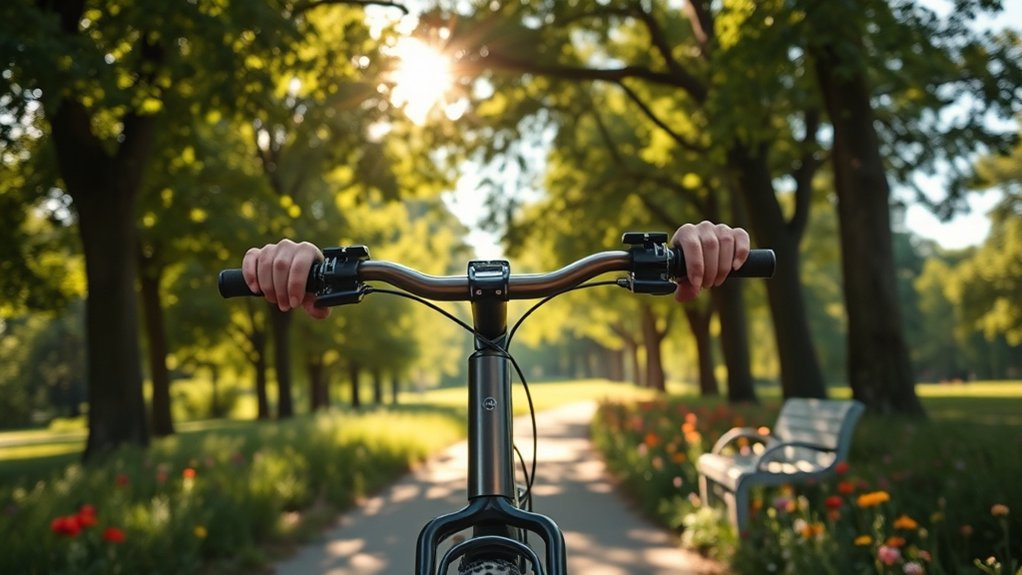
Electric bikes, or e-bikes, are bicycles with an electric motor that helps with pedaling, making rides easier and faster.
E-bikes have an electric motor that assists pedaling, making riding easier and faster.
When you start pedaling, the motor senses your effort and gives you support, so you don’t have to work as hard to move forward.
You can usually choose how much assistance you want, depending on your bike’s settings.
Most e-bikes have a rechargeable battery that powers the motor, giving you extra help without needing full effort.
Unlike regular bikes, they let you handle hills and long rides with less fatigue.
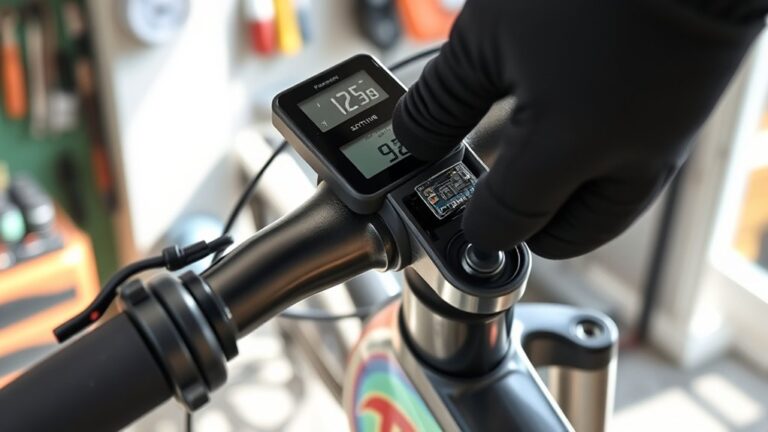
You control the level of help through a handlebar display or controls, making your ride smoother and more fun without replacing your pedaling.
How Do Pedal Assist Modes Work on Your E-Bike?
Most e-bikes come with multiple pedal assist modes that let you control how much help the motor gives you while riding. These modes are usually labeled from low to high, like Eco, Tour, or Turbo.
When you start pedaling, the motor kicks in based on the assist level you’ve chosen, giving you more or less power. Lower modes offer subtle help, helping you save battery and stay active.
Higher modes provide maximum support, making hills and long rides much easier. You can switch between these modes with a simple button or handlebar control.
This allows you to adjust the motor’s help on the fly, so you can find the perfect balance of effort and assistance.
When and How Should You Use the Throttle on Your E-Bike?
Using the throttle on your e-bike can be a handy way to get moving without pedaling, especially when you need a quick boost or are starting from a stop.
Using the throttle helps you start quickly without pedaling, perfect for a quick boost or from a stop.
Use it when you want to conserve energy, ride uphill, or handle tricky terrain without exerting yourself.
Engage the throttle gently to avoid sudden jerks, and be mindful of local laws—some areas restrict throttle use on certain roads or trails.
Avoid relying solely on the throttle for long distances; combining it with pedaling gives you better control and helps extend battery life.
Use the throttle for short bursts to gain momentum or when your legs need a break.
Always stay aware of your surroundings and be ready to switch to pedaling when needed.
How to Pedal Comfortably and Efficiently on an E-Bike
To pedal comfortably and efficiently, focus on maintaining good posture. Keep your back straight and shoulders relaxed for a more comfortable ride.
Use your leg muscles to generate steady power instead of relying only on your knees or ankles. This helps you pedal more smoothly.
Proper technique will help you conserve energy and make your ride more enjoyable.
Maintain Proper Posture
Maintaining proper posture while pedaling an e-bike is essential for comfort and efficiency on your ride. Keep your back straight but relaxed to avoid strain. Your elbows should be slightly bent, not locked, allowing for better shock absorption and control.
Position your hands comfortably on the handlebars, avoiding excessive gripping that can cause fatigue. Keep your knees aligned with your pedals to prevent unnecessary wear and injury.
Adjust your seat height so your legs are almost fully extended at the bottom of each pedal stroke. This ensures maximum power without overextending. Maintain a natural head position, looking ahead rather than down at the handlebars.
Good posture reduces fatigue, improves balance, and helps you ride longer and more comfortably.
Optimize Pedal Power
Pedaling efficiently on an e-bike is all about how you apply power with each stroke. To stay comfortable and save energy, keep a steady cadence and avoid stomping on the pedals. Use smooth, circular motions that engage your hamstrings and glutes, rather than just your quads.
Adjust your gear to match the terrain to prevent excessive resistance or spinning too fast. Proper pedal technique helps reduce fatigue and conserves your battery life.
Here’s a quick guide:
| Aspect | Tip | Benefit |
|---|---|---|
| Cadence | Pedal at 70-90 RPM | Prevents fatigue |
| Gear Selection | Shift to the right gear | Keeps power smooth and steady |
| Pedal Pressure | Apply consistent, moderate force | Boosts efficiency |
| Foot Position | Keep the ball of your foot over the pedal center | Ensures comfort and control |
| Body Movement | Use your core to stay stable | Less strain and less fatigue |
Adjusting Pedal Resistance for Better Exercise and Range
Adjusting the pedal resistance on your e-bike lets you customize your workout and save battery. Turning up the resistance makes pedaling tougher, giving you a better workout and helping you build strength.
Adjust pedal resistance to customize workouts, build strength, and extend your e-bike’s battery life.
Lowering resistance makes pedaling easier, which conserves energy and helps you ride longer. Many e-bikes let you change resistance through a control panel or app, so you can switch based on terrain or your fitness goals.
If you’re climbing hills or want more exercise, increase resistance to engage more muscles. For longer rides or battery savings, reduce resistance to pedal more effortlessly.
Finding the right balance helps you improve your fitness while making sure your battery lasts longer. Adjust resistance thoughtfully to get the most out of your ride and extend your range.
Common Mistakes to Avoid When Pedaling an E-Bike
Even experienced riders can make mistakes that reduce efficiency or damage their e-bike, so it’s important to be mindful while pedaling. Common errors include overexerting yourself, which drains the battery faster and wears out components.
Riding at inconsistent speeds can cause unnecessary strain on the motor and battery. Not maintaining proper tire pressure decreases efficiency and increases wear. Ultimately, neglecting smooth pedaling techniques can lead to uneven motor load and reduce your bike’s lifespan.
To avoid these pitfalls, pedal smoothly and steadily without sudden pushes. Keep your tires properly inflated and use assist modes appropriately, avoiding over-reliance. Don’t ignore regular maintenance checks.
Being aware of these mistakes helps you ride more efficiently and prolongs your e-bike’s life.
How Pedaling Affects Your E-Bike’s Battery Life and Range
How you pedal directly impacts your e-bike’s battery life and overall range. When you pedal smoothly and consistently, you help the motor work less, conserving energy.
Applying excessive force or rapid, jerky pedaling can increase the motor’s workload, draining the battery faster. Using pedal assist wisely—on lower settings or only when needed—can extend your ride.
Relying heavily on the motor without pedaling reduces overall efficiency and shortens your range. Actively engaging in pedaling helps distribute effort, reducing motor strain and battery use.
Proper pedaling technique, combined with smart assist level choices, maximizes your e-bike’s battery life. This allows you to travel further on a single charge while enjoying a smoother ride.
Tips for Uphill Climbing and Long-Distance Rides
When tackling uphill climbs or long rides, managing your pedal assist levels can help conserve battery life and keep you in control.
Using the right gear shifting techniques makes your effort more efficient and smooth, especially on tough terrain.
Also, maintaining proper body position can cut down on fatigue and give you better handling of the bike.
Manage Pedal Assist Levels
Managing your pedal assist levels effectively can make uphill climbs and long rides much easier. Adjusting your assist helps save battery and prevents fatigue.
When tackling steep inclines, bump up the level to get more power without overexerting yourself. For longer rides, use a moderate assist to balance effort and battery life.
Here are some tips: Start with a lower assist on gentle slopes, then increase as needed. Use higher levels for steep or tough sections. Dial back on flat terrain to conserve battery. Switch to lower levels during long stretches to save energy.
Optimize Gear Shifting Techniques
Optimizing your gear shifting techniques can really boost your riding efficiency, especially during uphill climbs and long rides. Shift to a lower gear before you start climbing to keep a steady cadence and reduce strain. Don’t wait until you’re struggling—anticipate the hill and shift early.
When climbing, aim for smooth, steady pedal strokes and shift gradually to avoid jerky movements. On long rides, shift often enough to stay within your ideal cadence, helping you avoid overexertion or fatigue.
Use your gears to match the terrain and your speed. This helps the motor assist effectively without overloading. Remember, smooth gear changes save energy and help your bike last longer.
Practicing these techniques makes your ride more comfortable and efficient. It minimizes fatigue and helps you get the most out of your electric bike’s performance.
Maintain Proper Body Position
Maintaining proper body position is key to riding efficiently and comfortably on your electric bike, especially during uphill climbs and long-distance rides. Keep your body relaxed and centered over the bike, avoiding stiff or hunched postures.
Shift your weight forward slightly when climbing hills to prevent the front wheel from lifting. When riding long distances, sit upright to reduce fatigue and improve airflow.
Use these tips to stay balanced and conserve energy: Keep your elbows slightly bent and relaxed. Maintain a neutral spine, avoiding slouching. Distribute your weight evenly between the saddle and handlebars. Shift your position periodically to prevent stiffness.
Safety Tips for Pedaling and Riding Your E-Bike
Riding your e-bike safely starts with paying close attention to your surroundings and following basic rules of the road. Always stay alert for vehicles, pedestrians, and obstacles, and use your mirrors and signals to communicate your intentions.
Wear a helmet and protective gear to minimize injury if you fall. Keep both hands on the handlebars and your eyes on the road, avoiding distractions like phone use.
Obey traffic laws, including stopping at lights and stop signs. Maintain a safe speed, especially in crowded or unfamiliar areas.
Regularly check your brakes, tires, and lights to guarantee everything’s functioning properly. Being cautious and prepared helps prevent accidents and keeps you safe while enjoying your ride.
Choosing the Right Assist Mode and Pedaling Settings for Your Needs
Choosing the right assist mode and pedaling settings can really improve how much you enjoy and get out of your e-bike ride. It’s all about matching the assistance level to your terrain, fitness, and riding goals.
If you’re climbing hills or carrying a heavy load, higher assist modes give you more power. For flat roads or casual rides, lower modes help save battery and keep you active.
Don’t be afraid to experiment with different settings to see what feels best for you. Use higher assist on steep inclines for easier pedaling.
Switch to lower assist on flat roads to extend your battery life. Adjust the pedal assist levels based on your fitness goals.
And if you want a more traditional biking experience, you can turn off assistance altogether. Finding that perfect balance will make your ride more comfortable and efficient.
Frequently Asked Questions
How Does Pedaling Influence the Overall Maintenance of an E-Bike?
Pedaling your e-bike helps reduce strain on the motor and battery, which can extend their lifespan and lower maintenance needs. When you pedal actively, you also promote even wear on the drivetrain and tires, preventing premature damage.
Regular pedaling keeps the chain lubricated and functioning smoothly, reducing the chance of mechanical issues. Overall, pedaling helps maintain your e-bike’s performance and durability, saving you time and money on repairs.
Can I Pedal an E-Bike Without Using the Motor Assistance?
Yes, you can pedal an e-bike without motor assistance. Most e-bikes have a mode that lets you ride just by pedaling, like a regular bike.
You simply turn off the motor or switch it to ‘off’ or ‘assist’ mode, then pedal normally. Keep in mind, riding without help might take more effort, especially uphill or against the wind.
But it’s a great way to get some exercise and save your battery too.
How Does Pedaling Technique Vary Between Different E-Bike Models?
Your pedaling technique varies depending on the e-bike model. For pedal-assist bikes, try to keep your pedal strokes steady and smooth to help the motor work efficiently.
On throttle-only models, focus on applying steady pressure without overexerting yourself. Some bikes have cadence sensors, so maintaining a consistent pedaling rhythm can help optimize power.
Adjust your effort based on the assistance level you’re using. This helps you stay balanced and comfortable without relying too much on the motor.
What Are the Best Practices for Pedaling on Slippery or Wet Surfaces?
Research suggests that maintaining a steady, moderate pedaling cadence helps you stay balanced on slippery surfaces. Keep your weight centered and lean slightly into turns, avoiding sudden movements.
Use lower gears to reduce pedal force, which helps prevent slipping. Make sure your tire pressure is appropriate for wet conditions, and brake gently.
These practices give you better control, helping you stay safe and confident when riding on wet or icy terrain.
How Can I Improve My Pedaling Efficiency on an Electric Bike?
To improve your pedaling efficiency on an electric bike, focus on maintaining a steady cadence and smooth pedal strokes. Keep your knees slightly bent and engage your core muscles for better power transfer.
Use a gear appropriate for your terrain to reduce strain and prevent fatigue. Regularly check your bike’s components and keep your chain lubricated.
Practice consistent pedaling and avoid unnecessary resistance. This helps conserve battery life and boosts overall efficiency.
Conclusion
So, when you pedal your e-bike, you’re not just riding—you’re unlocking a turbocharged adventure that could make the wind jealous! Every pedal stroke powers up your journey, turning simple rides into epic trips across mountains, city streets, or endless horizons.
With the right settings and a little effort, you’ll feel like a superhero gliding effortlessly through the air. You’ll leave boring commutes and tired legs in your sparkling dust.
Ready to pedal your way to legend? Let’s go!
Main keyword integrated into the conclusion: pedal your way to legend.