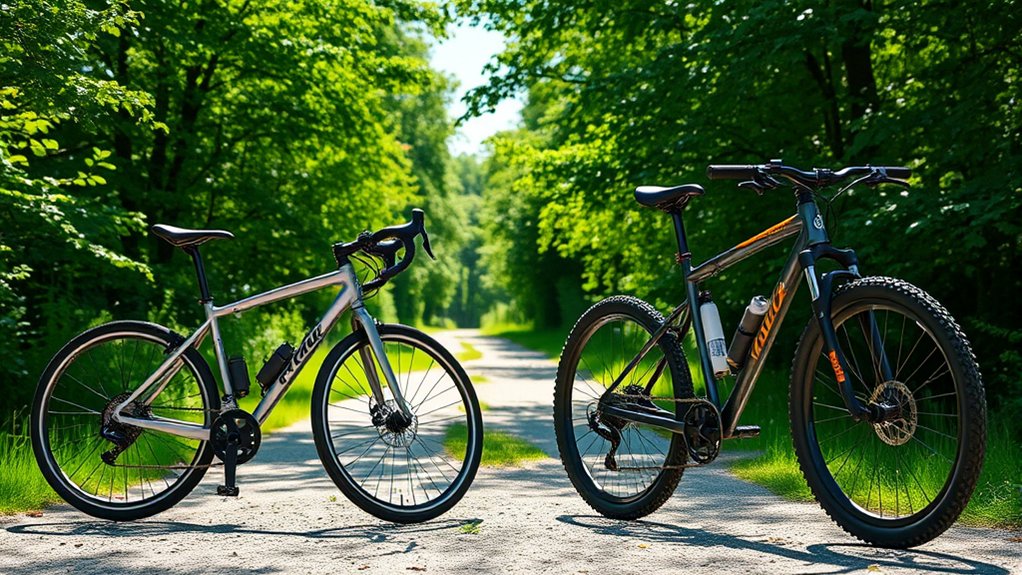
Choosing Hybrid Bike vs Mountain Bike Explained
Are you feeling overwhelmed trying to choose the perfect bike? You’re not alone—many people struggle with deciding between a hybrid bike and a mountain bike. It’s a common dilemma, especially with so many options out there.
Choosing between a hybrid bike and a mountain bike depends on where and how you plan to ride. Hybrid bikes are great for smooth city roads and casual rides, offering comfort and versatility.
Mountain bikes excel on rough trails, with rugged features and better control.
Consider your terrain, comfort preferences, and budget. If you’re curious about which option fits your riding style best, keep exploring more details that can help you decide confidently.
Key Takeaways
- Hybrid bikes are super versatile, making them great for city commuting and casual rides. Mountain bikes, on the other hand, are designed for off-road trails and rough terrain.
- Hybrids usually have lightweight frames and a relaxed riding position, which keeps things comfortable. Mountain bikes tend to have sturdy frames and a more aggressive geometry to handle tough trails.
- When it comes to suspension and tires, mountain bikes often come with full suspension and knobby tires for better grip. Hybrids typically have minimal suspension and versatile tires that work well on different surfaces.
- Hybrids are generally more affordable and need less maintenance. Mountain bikes can be pricier and might require more upkeep because of the rugged terrain they’re built for.
- Beginners tend to prefer hybrids because they’re easier to handle. More experienced riders often go for mountain bikes to enjoy technical trails and have better control on challenging terrain.
Which Bike Is Right for Your Riding Style? A Quick Guide
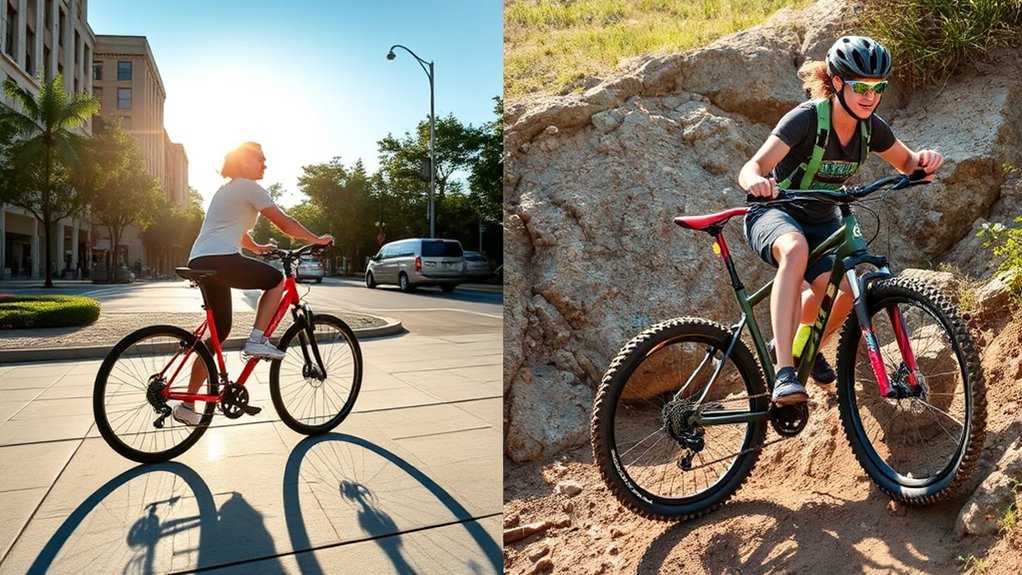
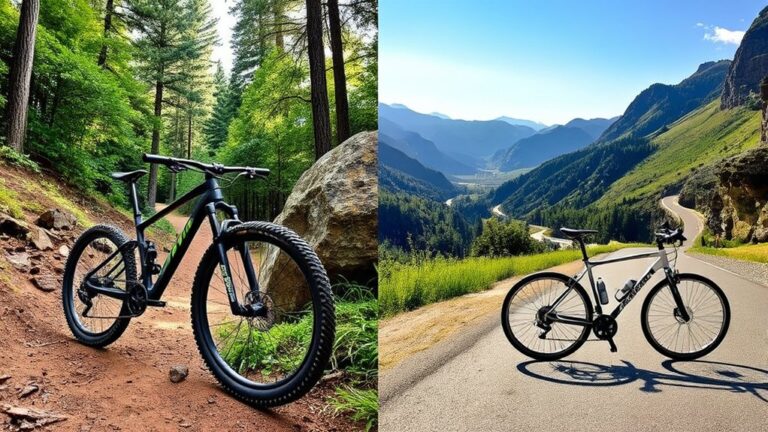
Are you unsure which bike suits your riding style best? If you love smooth, paved roads and casual riding, a hybrid bike might be your best choice. They combine features of road and mountain bikes, offering comfort and efficiency on city streets.
On the other hand, if you crave adventure and plan to tackle rough trails, a mountain bike is ideal. Mountain bikes are built for durability, with wide tires and strong frame designs for off-road terrain.
Consider how you ride most often—commuting, leisurely rides, or trail adventures. Your riding style will determine the right fit.
Think about your typical routes and what feels comfortable. Choosing the right bike improves your experience and keeps you motivated to ride more regularly.
What Are Hybrid and Mountain Bikes? An Overview
Hybrid and mountain bikes are two popular types designed for different riding needs and terrains.
A hybrid bike combines features of road bikes and mountain bikes, offering a comfortable riding position, versatile tires, and a lightweight frame. It’s perfect for casual rides, commuting, and light fitness on paved or smooth paths.
Mountain bikes, on the other hand, are built for off-road adventures. They have sturdy frames, wide knobby tires, and suspension systems to handle rough, uneven trails.
Mountain bikes feature durable frames, wide knobby tires, and suspension for tough off-road trails.
Mountain bikes often have lower gears to help with steep climbs and durable components to withstand tough terrains. Both types serve specific purposes: hybrids focus on comfort and versatility, while mountain bikes prioritize durability and performance in challenging environments.
Knowing these basics will help you pick the right bike for your riding style.
How Do Hybrid and Mountain Bikes Differ in Design?
Hybrid and mountain bikes differ mainly in their frame material and geometry, which affect comfort and handling on different terrains.
You’ll notice that mountain bikes often have wider tires with more aggressive tread and specialized suspension systems for rough trails. Hybrids, on the other hand, use narrower tires for smoother rides.
These design choices make each bike better suited for specific riding styles and environments.
Frame Material and Geometry
The design of a bike’s frame, including its material and geometry, really influences how it performs and feels during rides. Hybrid bikes usually have lightweight aluminum or steel frames with a more relaxed geometry for comfort and versatility.
Mountain bikes, on the other hand, often use durable aluminum, carbon fiber, or steel frames built for strength and shock absorption. Their geometry favors stability on rough terrain.
These differences in geometry affect handling: hybrids offer a more upright position, while mountain bikes promote a forward-leaning stance for better control. Here’s a quick comparison:
| Feature | Hybrid Bike | Mountain Bike |
|---|---|---|
| Frame Material | Aluminum, steel | Aluminum, carbon fiber, steel |
| Frame Geometry | Relaxed, upright | Aggressive, angled |
| Shock Absorption | Minimal | Optimized for rough terrain |
| Weight | Lighter | Slightly heavier |
Tire Tread and Width
Tire design is a key factor that influences how each bike handles different terrains. Hybrid bikes usually have narrower tires with smoother treads, made for efficiency on roads and paved paths. These tires help you ride faster and more comfortably on hard surfaces.
Mountain bikes, on the other hand, come with wider tires and knobby, aggressive treads. This design gives you better grip and stability on loose, uneven, or rugged trails. The increased width also offers more cushioning and shock absorption, which is important off-road.
Choosing the right tire width and tread pattern helps you get the best performance for your riding style. Whether you want to go fast on pavement or need traction on rough trails, the right tires make a big difference.
Suspension System Design
While both hybrid and mountain bikes are designed for different riding environments, their suspension systems highlight these differences. Mountain bikes usually have full suspension with both front and rear shocks to absorb impacts from rough terrain. This gives you better control and comfort on uneven trails.
Hybrid bikes typically have no suspension or just a front suspension fork. This makes them lighter and more efficient on paved roads and light dirt paths. The table below summarizes their suspension differences:
| Feature | Hybrid Bike | Mountain Bike |
|---|---|---|
| Suspension Type | No or front suspension only | Full suspension (front & rear) |
| Purpose | City, commuting, light trails | Off-road, technical trails |
| Weight | Lighter | Heavier |
| Comfort & Control | Moderate | Superior on rough terrain |
When Should You Choose a Hybrid Bike?
If you’re looking for a versatile bike that handles different terrains comfortably, a hybrid bike might be your best choice.
Consider a hybrid if you commute daily through city streets, bike paths, or light off-road trails.
They’re great at offering a smooth ride on paved surfaces while still handling occasional rougher terrains with stability and comfort.
Hybrid bikes are ideal if your riding involves a mix of urban commuting and weekend leisure rides.
Perfect for combining daily commuting with relaxed weekend rides.
Plus, if you want a bike that’s easy to handle, low-maintenance, and suitable for various riding styles, a hybrid is a good fit.
Choose a hybrid when you need a practical, all-around bike that can adapt to different environments without sacrificing comfort or efficiency.
Why Are Mountain Bikes Better for Off-Road Trails?
Mountain bikes are built to handle the rough and uneven terrain of off-road trails. Their sturdy frames give you stability and durability, so you can confidently ride over tricky surfaces.
Wide, knobby tires provide better grip on loose dirt, rocks, and mud, which helps prevent slipping and keeps you in control. The suspension systems—front, rear, or both—absorb shocks from bumps and jumps, making rough trails feel smoother and less jarring.
Lower gearing options give you more torque for steep climbs and technical sections. Plus, the aggressive geometry of mountain bikes improves maneuverability and stability on uneven ground.
All these features work together to give you better traction, control, and comfort. That’s why mountain bikes are the best choice when exploring challenging off-road environments.
What Features Matter Most in a Hybrid Bike?
When choosing a hybrid bike, it’s important to focus on features that balance versatility and comfort for both on-road and light off-road riding. You want a bike that handles city streets and gravel paths smoothly without sacrificing comfort.
Key features include a lightweight frame for ease of riding, reliable brakes for safety, and a comfortable saddle for longer rides. Gear shifting should be smooth and simple to operate, especially if you commute daily.
Furthermore, consider tires that are wider than those on road bikes but not as aggressive as mountain bike tires. Here are some essential features to prioritize:
- Lightweight frame material
- Responsive, easy-to-use gears
- Comfortable saddle
- Versatile tire tread
- Reliable braking system
What Should You Look for in a Mountain Bike for Trail Riding?
Choosing a mountain bike for trail riding means paying attention to features that can handle rough terrain and technical sections with confidence. Focus on suspension, frame durability, and tire grip.
A full-suspension bike absorbs shocks better on uneven trails, giving you more control and comfort. The frame should be lightweight but sturdy, made from materials like aluminum or carbon fiber. Tires with aggressive tread patterns improve traction on loose or muddy surfaces.
| Feature | Why It Matters | What to Look For |
|---|---|---|
| Suspension | Absorbs bumps and impacts | Full or front suspension |
| Frame Material | Balances weight and strength | Aluminum or carbon fiber |
| Tires | Ensures grip and stability | Wide, knobby tires |
How Does Terrain Influence Your Bike Choice?
The type of terrain you ride on directly affects the bike you should pick. Different surfaces need specific features for the best performance and safety.
Choosing the right bike based on terrain ensures safer, smoother rides tailored to your environment.
For rocky trails and steep hills, a mountain bike with strong suspension and wide tires gives you better control. If you’re mostly on paved roads or smooth paths, a hybrid bike is more efficient and comfy.
For mixed terrains, go for a versatile bike with adjustable features that can handle different conditions. Keep in mind:
- Mountain bikes are great on rugged, uneven trails
- Hybrids work well on city streets and light off-road
- Wide tires help grip loose surfaces
- Suspension soaks up shocks on rough terrain
- Lightweight frames boost speed on smooth surfaces
Choosing a bike that matches your terrain makes your ride smoother and less tiring.
Which Bike Offers More Comfort and Better Riding Positions?
Ever wondered which bike feels more comfortable during long rides or daily commutes? Typically, hybrid bikes offer a more relaxed riding position with a slightly upright stance, reducing strain on your back and neck. This makes them ideal for extended rides and daily errands, as you can see the road ahead comfortably.
Mountain bikes, on the other hand, have a more aggressive, forward-leaning position suited for control on rough terrain. While this may be less comfortable for long stretches, it provides better handling on uneven surfaces.
If comfort and ease of riding are your priorities, a hybrid bike generally offers a more comfortable, ergonomic position. However, your preference ultimately depends on whether you value relaxed posture or dynamic control.
What’s the Cost Difference Between Hybrid and Mountain Bikes?
You’ll notice that hybrid bikes generally cost less upfront, making them a popular choice for beginners. Their price ranges are usually more affordable compared to other types.
Mountain bikes tend to be pricier, especially for higher-end models built for tough terrains. Keep in mind, long-term maintenance costs can also vary depending on which bike you choose.
Price Range Variations
Price differences between hybrid and mountain bikes can vary quite a bit depending on features and quality, so it’s important to find something that fits your budget. Hybrid bikes tend to be more affordable overall, especially at the entry level, but higher-end models can cost as much as mountain bikes.
Mountain bikes often come with specialized components and suspension systems that drive up their price. Keep in mind that entry-level hybrids can start around $300, while mid-range hybrids usually range from $500 to $1,000. High-end hybrids can go beyond $1,200.
On the other hand, mountain bikes typically start around $400, with high-performance models easily exceeding $2,500. Knowing these price ranges can help you choose a bike that balances features and your budget.
Long-Term Maintenance Costs
In terms of long-term costs, maintaining a hybrid bike is usually cheaper than caring for a mountain bike. Hybrids have simpler, more durable parts designed for everyday riding, which means fewer repairs and replacements over time.
The tires on hybrids tend to last longer and are easier to swap out, saving you money. Mountain bikes, on the other hand, often have specialized suspension, disc brakes, and knobby tires that need more upkeep and cost more to replace.
Plus, mountain bikes are built for rugged terrain, which can cause more wear and tear and lead to more frequent repairs. Overall, if you want to keep maintenance costs low, a hybrid bike is generally the more budget-friendly choice in the long run.
How Do Maintenance and Durability Compare?
When comparing hybrid bikes and mountain bikes, their maintenance needs and durability often come down to the environments in which they’re used. Mountain bikes are built for rugged terrain, so they tend to have more durable frames, suspension systems, and tires that can handle rough trails.
However, this durability usually means they require more frequent maintenance, like cleaning mud off and checking suspension parts. Hybrid bikes, designed for city riding and light trails, generally need less upkeep and have simpler components that wear down more slowly.
Mountain bikes require more frequent maintenance like mud cleaning and suspension checks, while hybrids need less upkeep with simpler parts.
In summary:
- Mountain bikes have sturdier frames but need more maintenance.
- Hybrids feature lighter, less complex parts.
- Suspension systems in mountain bikes need regular checks.
- Mountain bike tires are more prone to damage.
- Hybrids usually last longer with less care.
Which Bike Matches Your Skill Level and Experience?
To find the right bike, think about your skill level and how comfortable you are with different riding conditions. If you’re just starting out, a hybrid bike can be easier to handle on paved roads.
If you have more experience, mountain bikes are better for rough terrain. Matching your skill and the terrain ensures a safer, more enjoyable ride.
Skill Level Suitability
Are you unsure which bike suits your skill level best? Choosing the right bike depends on your experience and confidence.
If you’re a beginner, a hybrid bike offers easier handling and a comfortable ride on various terrains. For more advanced riders, a mountain bike provides better control and stability on rough trails.
Consider your riding style and comfort level. Beginners should start with a hybrid bike for versatility and ease. Intermediate riders might prefer mountain bikes for rugged terrain.
Advanced cyclists often choose mountain bikes for technical trails. If you’re unsure, test ride both to see which feels more natural. Always match your bike to your current skill to avoid frustration or accidents.
Matching your skill level guarantees a safer, more enjoyable ride and helps you progress comfortably.
Experience and Comfort
Your comfort and experience level are key when choosing the right bike. If you’re new to cycling, a hybrid bike offers a more relaxed riding position, making it easier to stay comfortable over longer distances. Its design focuses on ease of use, which helps you build confidence.
If you have more riding experience and enjoy technical terrain, a mountain bike might be a better fit. It provides better control and suspension to handle rough trails. Think about how comfortable you feel on different bikes, especially during longer rides.
An uncomfortable fit or position can turn cycling into a chore rather than something you enjoy. Pick a bike that matches your skill level and allows you to ride comfortably without strain. This way, you’ll stay motivated to ride more often.
Riding Terrain Compatibility
Choosing the right bike depends heavily on the type of terrain you’ll be riding. If you’re tackling smooth city streets or paved paths, a hybrid bike offers a comfortable, versatile ride.
For rugged trails and uneven surfaces, a mountain bike provides better control and durability. Consider your skill level and experience when choosing your bike.
Beginners may prefer hybrids for stability and ease of handling. Experienced riders might opt for mountain bikes to navigate challenging terrain.
Steep, technical trails demand the durability of mountain bikes. Light, flat rides suit hybrid bikes perfectly.
Your comfort and confidence on different surfaces should guide your choice. Matching your riding terrain with your skill level guarantees safer, more enjoyable rides.
Picking the right bike improves your experience and helps you grow as a cyclist.
Frequently Asked Questions
Can Hybrid Bikes Handle Light Off-Road Trails Effectively?
Yes, hybrid bikes can handle light off-road trails effectively. They’re designed with features from both road and mountain bikes, like wider tires and a comfortable geometry. This makes them pretty versatile for riding on pavement and dirt.
While they might not perform as well on rough, technical trails as dedicated mountain bikes, hybrid bikes are great for smooth, light trails, gravel paths, and moderate dirt. Just make sure you pick one with suitable tires and suspension if needed.
Are Mountain Bikes Suitable for Commuting and City Riding?
Mountain bikes are quite capable of handling city commutes and urban riding, though they’re not always the most comfortable or practical choice.
They’re built for rough terrains, so their rugged features might make your daily ride feel a bit overbuilt.
If you enjoy a sturdy, adventurous feel and don’t mind a slightly rougher ride, mountain bikes can serve well.
Otherwise, a hybrid bike might offer a smoother, more efficient city commute.
What Accessories Are Recommended for Hybrid Versus Mountain Bikes?
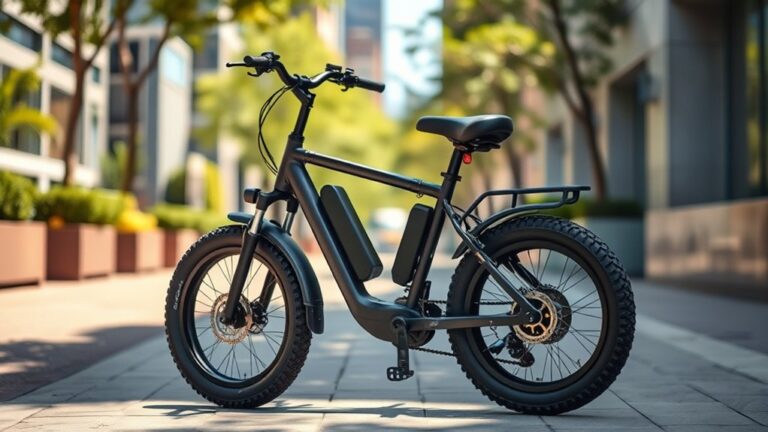
For hybrid bikes, you should consider accessories like fenders, a comfortable saddle, and a rear rack for carrying essentials. These make commuting and casual rides more comfortable and practical.
For mountain bikes, prioritize a sturdy water bottle cage, a trail-ready helmet, and protective gloves. These help keep you safe and prepared for rougher terrains.
Both types benefit from good lights, a bell, and a lock. These are essential for safety, visibility, and security during your rides.
Think about adding a smartphone mount or a bike computer to improve your ride, ensuring safety and convenience no matter your bike type.
How Does Bike Weight Affect Performance on Different Terrains?
Think of your bike as a racehorse. Its weight can make it swift or sluggish.
On smooth roads, a lighter bike helps you glide effortlessly, boosting speed and agility.
On rugged terrains, a heavier bike offers stability and durability, helping you handle rough patches with confidence.
Which Bike Type Is More Versatile for Various Riding Conditions?
A hybrid bike is more versatile for different riding conditions because it combines features of road and mountain bikes. You can comfortably ride on paved roads, gravel paths, and light trails.
Its design provides a smooth ride on various terrains, making it great for commuting, casual rides, and light off-road adventures. If you want a bike that adapts to different environments, a hybrid gives you the flexibility you need.
Conclusion
Choosing between a hybrid and mountain bike depends on your riding style and needs. Did you know that nearly 60% of bike owners use their bikes for a mix of city commuting and light trail riding?
Whether you prioritize comfort, off-road adventures, or budget, understanding these differences helps you pick the right bike. So, consider where you’ll ride most often—your perfect ride is just a decision away!
When it comes to choosing a hybrid bike vs mountain bike, think about your typical terrain and what feels best for you. Knowing these key points makes finding the perfect bike much easier.