What Is a Light Road Bike and How to Choose One
Are you tired of feeling sluggish on your rides or struggling to keep up on hilly terrain? You’re not alone—many cyclists want a bike that’s lightweight, fast, and easy to handle but find it hard to choose the right one.
A light road bike is built to be extremely lightweight, helping you accelerate faster, climb hills easier, and respond quickly on tight turns.
To choose the right one, consider your riding terrain, goals, and comfort.
Look for features like a slim frame, aerodynamic design, and quality wheels.
Avoid common mistakes like ignoring fit and compatibility.
To uncover how to find your perfect match, keep exploring what makes these bikes stand out.
Key Takeaways
- Light road bikes are built with lightweight frames, usually made from carbon fiber or aluminum. This helps boost speed and makes handling easier.
- When choosing one, think about the terrain you’ll ride on, your goals, comfort preferences, and experience level. These factors help you find the bike that’s right for you.
- Look for features like aerodynamic tubing, good-quality wheels, and responsive brakes. These details can really improve your riding experience and performance.
- It’s also important to check out different brands, component quality, and the fit of the bike. Don’t forget to consider warranty options to ensure your bike will last.
- Be careful to avoid common mistakes like ignoring frame compatibility, choosing the wrong size, or prioritizing price over quality. Picking the right bike takes some research, but it’s worth it.
What Is a Light Road Bike and Why Should You Get One?
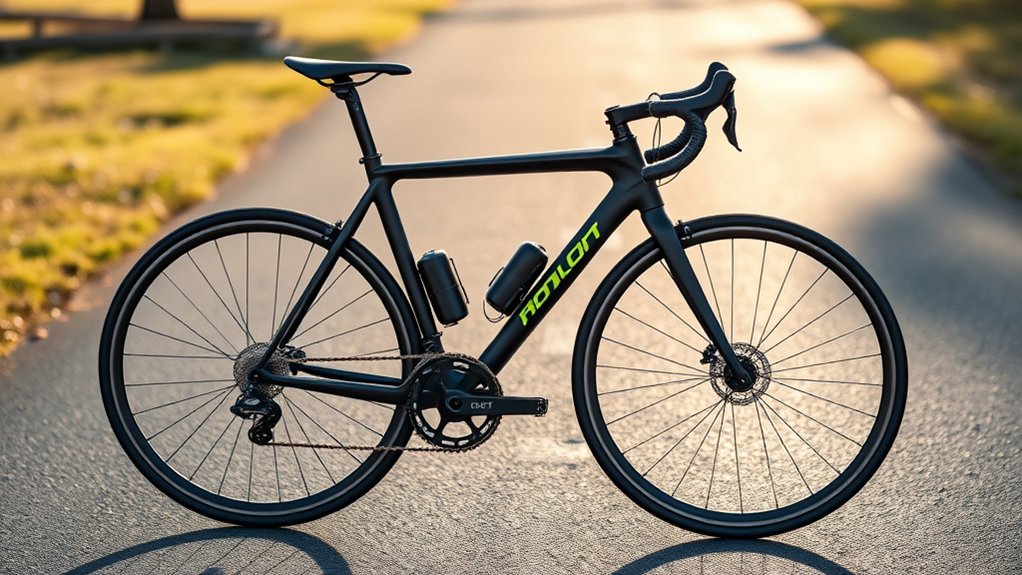
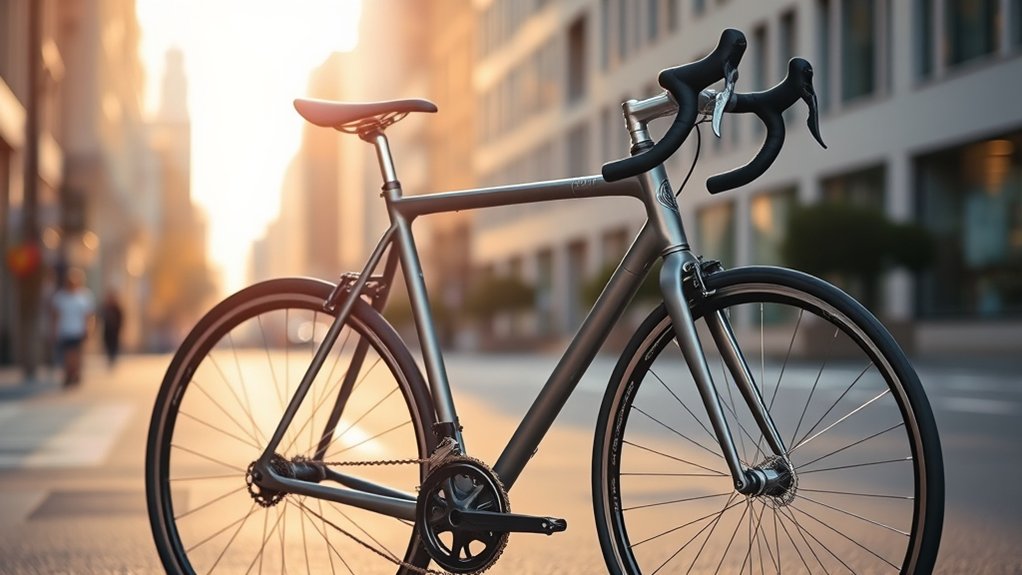
A light road bike is built to be lightweight, making it easier to accelerate, climb hills, and go faster. When you ride a lighter bike, you’ll use less effort to reach and maintain your speed. This makes your rides more efficient and enjoyable.
A lighter frame, often made from carbon fiber or aluminum, helps reduce fatigue on long rides. It also makes the bike more agile, so you can respond quickly in tight turns or tricky terrain. If you’re serious about performance, a light bike can give you an edge.
Plus, it’s easier to carry and transport. Whether you’re loading it into a car or lifting it onto a rack, a lighter bike makes life simpler. Overall, riding a lighter bike means going faster and farther with less effort.
How to Pick the Right Light Road Bike for Your Riding Style
Choosing a light road bike that matches your riding style can really boost your comfort and performance on every ride. To find the perfect fit, keep these key factors in mind:
Selecting a lightweight road bike tailored to your riding style enhances comfort and performance on every ride.
- Riding terrain. Are you mostly on smooth pavement or mixed surfaces? Pick a bike suited for your typical terrain.
- Riding goals. Do you prioritize speed, endurance, or casual commuting? Your goals will influence the bike’s geometry and components.
- Comfort preferences. Do you prefer an aggressive, aerodynamic position or a more upright, relaxed stance? This will affect handlebar and frame choices.
- Experience level. Beginners might go for lightweight but forgiving bikes, while seasoned riders may want advanced, performance-oriented models.
Matching these aspects will ensure your bike suits your riding style, making every ride more enjoyable.
What Features Make a Light Road Bike Stand Out?
What makes a light road bike stand out often comes down to a combination of thoughtful design and high-quality components that prioritize weight savings without sacrificing performance. Lightweight frames made from materials like carbon fiber or specialized aluminum really make a difference by reducing overall weight.
Features such as aerodynamic tubing and streamlined components help improve speed and efficiency. High-quality wheels and tires also play a key role, offering durability while keeping weight minimal. Brake systems, whether rim or disc, should be responsive yet lightweight.
Plus, clean, minimalist designs not only cut down on weight but also boost aerodynamics. When you’re looking at what sets a light road bike apart, focus on these key features that enhance performance while keeping the weight as low as possible.
How to Evaluate Light Road Bike Models and Brands
When evaluating light road bike models and brands, it’s important to consider not just the specs but also how their design and components match your riding needs. Focus on quality, durability, and performance to ensure you get the best value.
Here are four key factors to look at:
- Brand reputation. Check reviews and customer feedback to get a sense of reliability.
- Component quality. Look at the groupset, wheels, and brakes for durability and weight.
- Fit and sizing. Make sure the bike’s geometry fits your body type and riding style.
- Price versus features. Balance your budget with the bike’s features to find the best fit.
Keep these points in mind to make a confident and informed choice.
Common Mistakes to Avoid When Buying a Light Road Bike
When buying a light road bike, don’t overlook frame compatibility or ignore how well it fits your body.
Prioritizing price over quality can lead to issues down the road, so choose durability and performance instead.
Avoid these common mistakes to make sure you get a bike that truly meets your needs.
Overlooking Frame Compatibility
One common mistake to avoid when buying a light road bike is overlooking frame compatibility. If the frame isn’t compatible with your components, you might face issues like poor shifting, reduced efficiency, or even safety hazards. To prevent this, check these key points:
1. Frame size
Make sure the frame fits your height and riding style.
2. Brake compatibility
Confirm whether the frame supports rim brakes or disc brakes.
3. Headset type
Match the headset to your fork and stem setup.
4. Bottom bracket standards
Verify compatibility with your crankset and bottom bracket.
Ignoring these details can lead to costly modifications or an uncomfortable ride. Always double-check the specifications and compatibility before you buy. Proper frame compatibility guarantees a smooth, safe, and enjoyable ride.
Ignoring Proper Fit
Even if your bike’s frame fits your components, an improper fit can still cause discomfort and make riding less efficient.
When your bike doesn’t match your body, you might feel pain, numbness, or fatigue more quickly.
Poor fit can also affect your pedaling efficiency and control, making rides less enjoyable and more tiring.
To avoid this, get properly measured or talk to an expert. Pay attention to saddle height, reach, and handlebar position.
Even small adjustments can make a big difference in comfort and performance. Don’t ignore how your bike fits your body.
The right fit helps you ride longer, faster, and without pain.
Prioritize fit over looks or price to really enjoy your ride.
Prioritizing Price Over Quality
Choosing a light road bike based solely on its price can lead to big problems later on. When you only look at the lowest cost, you might miss out on important features like durability, proper fit, and performance.
Cheap bikes often use lower-quality materials that wear out fast or break unexpectedly. To avoid this, watch out for these common pitfalls:
- Ignoring frame quality can impact how long your bike lasts and how comfortable it is to ride.
- Overlooking component reliability means you might end up repairing things more often than you’d like.
- Disregarding weight differences can affect your speed and how easy it is to handle the bike.
- Neglecting warranty and after-sales support leaves you stuck if problems come up.
Focusing only on price over quality can end up costing you more in the long run. It’s better to invest wisely so your bike performs well and lasts for years.
Questions to Ask When Comparing Light Road Bikes
When comparing light road bikes, it’s important to ask the right questions to find the best fit for your riding style and needs. Start by thinking about the bike’s weight. Lighter bikes are easier to handle, but make sure that reducing weight doesn’t sacrifice durability or comfort.
Ask about the frame material. Carbon fiber offers lightweight strength, while aluminum is more affordable and resilient. Check the gear setup—are the components suitable for your typical terrain and riding pace?
Evaluate the brake type. Do you prefer rim brakes for simplicity or disc brakes for better stopping power? Also, consider if the bike is compatible with accessories like racks or fenders.
Finally, if possible, take the bike for a test ride. It’s the best way to feel how comfortable it is, how it handles, and how responsive it is. These factors can really influence your overall riding experience.
Frequently Asked Questions
What Is the Typical Weight Range for a Light Road Bike?
A light road bike typically weighs between 15 to 18 pounds (6.8 to 8.2 kilograms).
You’ll find that high-end models often fall below 15 pounds, giving you better performance and easier handling, especially when climbing.
Lighter bikes are usually made with advanced materials like carbon fiber or lightweight aluminum.
Keep in mind that the weight can vary depending on components and frame design, so pick one that balances weight with durability and comfort.
Are There Specific Brands Known for Producing the Lightest Road Bikes?
Yes, brands like Trek, Specialized, and Cervélo are known for making some of the lightest road bikes out there. They focus on using advanced materials like carbon fiber to keep the weight down without losing strength or performance.
Their models often feature innovative frame designs and lightweight components, making them perfect if you’re after speed and agility. If you’re looking for the absolute lightest options, check out their high-end lines.
How Does Bike Size Affect Riding Comfort and Performance?
Bike size is like finding the perfect pair of shoes; it directly impacts your comfort and performance. When your bike fits well, you’ll feel more stable, efficient, and less prone to fatigue.
If your bike is too small, you might strain your muscles, which makes riding uncomfortable. On the other hand, if it’s too large, steering can feel awkward and challenging.
Getting the right size ensures smooth handling and helps reduce the risk of injury. That way, your rides are not only enjoyable but also more effective.
Can a Light Road Bike Be Suitable for Long-Distance Rides?
Yes, a light road bike can be suitable for long-distance rides if it’s well-designed and fits you properly. Its lightweight frame makes climbing hills easier and reduces fatigue over extended miles.
Just make sure it has comfortable handlebars, appropriate gearing, and a good saddle for your needs. Keep in mind, your comfort and bike fit are essential, so choose a model that supports your riding style and provides the necessary endurance.
What Maintenance Is Required to Keep a Light Road Bike in Top Condition?
To keep your light road bike in top shape, regularly clean and lubricate the chain, gears, and brake parts. It’s also a good idea to check your tire pressure before each ride and look for any signs of wear or damage.
Keep an eye on your brake pads and replace them when necessary. Periodically tighten bolts and quick-release skewers to ensure everything stays secure.
And don’t forget to schedule a professional tune-up at least once a year. Staying consistent with maintenance helps your bike perform smoothly and keeps you safe on the road.
Conclusion
Choosing the right light road bike is like finding a trusted steed for your journey. Every detail matters, so take your time.
By understanding your riding style and the features that stand out, you’ll be able to navigate options with confidence.
Remember, a well-chosen bike isn’t just gear; it’s your partner on the road. Think of it like a knight’s sword or a sailor’s compass guiding your way.
Trust your instincts, ask the right questions, and soon you’ll be riding lighter, faster, and more freely with your perfect light road bike.