How to Start an Electric Bike Without a Key Step-by-Step Guide
Starting an electric bike without a key can be pretty daunting, especially if you’re in a rush or your key is lost. Many people struggle with this common issue, but don’t worry—you’re not alone.
Knowing how to bypass the ignition system safely can save you time and hassle.
To start your electric bike without a key, you need to carefully bypass the ignition system by manually connecting the appropriate wires.
First, turn off the bike and disconnect the battery for safety.
Then, locate the ignition wires and use insulated tools to create a bridge between the power and starter wires.
Be cautious, as hot-wiring can damage your bike or cause safety hazards.
If you want detailed steps and safety tips, keep exploring this guide.
Key Takeaways
- Check if your electric bike has a manual override or keyless entry system. These can provide alternative starting options if you’re having trouble.
- Next, safely disconnect the battery. Identify the ignition wires so you can bypass them if needed.
- Use insulated tools to connect the power supply directly to the motor or controller. Just be careful to avoid any shorts or sparks.
- If the battery is drained, you can jump-start it with a compatible power source or charger. This can help get your bike moving again.
- Always refer to the user manual or talk to a professional for specific bypass procedures. This helps prevent any damage or safety risks.
Can You Start Your Electric Bike Without the Key? What You Need to Know
Ever wondered if you can start your electric bike without the key? Usually, it’s not straightforward. Most electric bikes have a built-in security system that prevents the motor from turning on without the key or a proper authentication method.
Some bikes rely solely on a physical key, while others incorporate electronic locks or hidden switches. If your bike uses a key, bypassing it isn’t simple and often involves tampering. This can damage the system or void warranties.
For bikes with electronic security, you might need a code, app, or remote to activate the system. Before trying anything, check your bike’s manual or manufacturer guidelines.
How Do Electric Bike Security Systems Work? A Quick Overview
Electric bike security systems include various features like locking mechanisms, alarms, and tracking devices to protect your ride. These tools help keep your bike safe and give you peace of mind.
They work by either restricting access or alerting you when someone tries to tamper with your bike. Understanding how each feature functions can help you choose the best protection for your ride.
Types of Security Features
Security features on electric bikes come in different forms to prevent theft and unauthorized use. Some bikes have electronic systems like immobilizers that disable the motor unless a specific code or signal is detected.
Others include GPS tracking, which helps locate your bike if it gets stolen. Remote locking systems let you control the bike’s security through a smartphone app, giving you extra control and peace of mind.
Keyless systems use smart keys or fobs that communicate wirelessly with the bike, making it harder for thieves to start or move it without permission. Some bikes also have alarm systems that activate if tampering is detected.
All these security features work together to make stealing your bike much more difficult and increase your chances of recovering it if stolen.
How Locking Mechanisms Work
Locking mechanisms are the first line of defense in protecting your e-bike from theft. They physically secure your bike, making unauthorized removal difficult. Most locks use either a key or a combination to secure or disengage the frame or wheel. Some modern locks include electronic components like remote control or keypad entry for added convenience. When engaged, these mechanisms prevent your bike from being moved or ridden away. Understanding how they work helps you pick the right lock for your needs. Here’s a quick overview:
| Lock Type | How It Works |
|---|---|
| U-Lock / D-Lock | Clamps around a solid object or bike frame to prevent theft. |
| Cable Lock | Flexible cable that loops through wheels or the frame for security. |
| Chain Lock | Heavy-duty chain that secures the bike to immovable objects. |
| Electronic Lock | Uses electronic signals or codes for disengagement. |
| Wheel Lock / Locking Hub | Locks the wheel or hub to prevent rotation or removal. |
Alarm and Tracking Systems
Ever wonder how alarm and tracking systems keep your e-bike safe even when you’re not around? These systems use sensors to detect movement, vibrations, or tampering, triggering an alarm to scare off thieves.
The alarm sounds loudly, alerting nearby people and drawing attention to your bike. Tracking systems, on the other hand, connect your e-bike to GPS or GSM networks, letting you monitor its location through a smartphone app.
If someone moves or tries to steal your bike, you get real-time updates, making recovery easier. Many systems also include immobilizers that prevent the bike from starting without proper authorization.
Together, alarm and tracking systems act as a strong deterrent, giving you peace of mind and helping protect your investment even when you’re away.
Is Bypassing Your Bike’s Ignition Legal and Safe? Things to Consider
While bypassing your bike’s ignition might seem like a quick fix, it’s important to know that it can come with legal and safety risks.
Bypassing your bike’s ignition may seem quick, but it poses legal and safety risks you should consider carefully.
Circumventing the ignition could violate local laws, insurance policies, or warranty agreements, which might lead to fines or your coverage being voided.
From a safety standpoint, tampering with your bike’s electrical system might cause damage or even create fire hazards if you don’t do it correctly.
You could accidentally disable security features or compromise the bike’s overall integrity, making it unsafe to ride.
Before trying any bypass, consider whether it’s worth risking legal trouble or safety issues.
Always check local laws and manufacturer guidelines first. If you’re unsure, consulting a professional is the safest way to avoid unintended consequences and keep your riding experience safe and legal.
Assessing If Your Bike Can Be Started Without a Key
Before trying to start your bike without a key, check if you can easily access the battery and power source.
Think about whether your bike has extra security features that might prevent bypass methods.
Also, make sure to verify if your specific model supports any alternative starting options.
Battery Access and Power
Is your bike’s battery accessible and sufficiently charged to power on without a key? First, see if you can reach the battery compartment easily. If you can, carefully open it to check the battery’s condition.
Look for any signs of corrosion, loose connections, or damage. Make sure the battery is securely connected and seated properly. Next, check the charge level—most batteries have a display or LED indicator.
If the charge is low, recharge the battery before trying to start your bike. A fully charged battery provides the power needed for the electric motor to run. Without enough charge or proper access, starting your bike without a key can be tough or impossible.
Making sure you have access and a good charge are key steps before trying other methods.
Existing Security Measures
Many electric bikes come with security features designed to prevent unauthorized use, which can make starting the bike without a key tricky.
First, check if your bike has an alarm system, immobilizer, or electronic lock.
These features might disable the motor or stop the bike from powering up without proper authorization.
Some bikes have a keypad or Bluetooth connection that needs a code or app to start.
If you’re unsure, look at the user manual or check the dashboard for security indicators.
Knowing your bike’s security measures helps you figure out if bypassing the key is possible or if you need extra steps.
Always remember that trying to bypass security features on a bike you don’t own is illegal and can have serious consequences.
Bike Model Compatibility
Evaluating whether your electric bike can be started without a key depends a lot on its model and security features. Some bikes have keyless start systems or hidden bypass options, making it easier to start without a traditional key.
Others rely heavily on physical keys or electronic immobilizers, which can make bypassing more complicated. Check your bike’s manual or manufacturer’s website to see if your model supports keyless operation or has a dedicated app for remote start.
If your bike uses a physical key, bypassing it might require more technical steps and could void warranties or damage the bike. Knowing your bike’s specific model and security setup helps you figure out if starting without a key is possible or if you’ll need other methods.
Preparing Your Tools and Environment for Bypassing
Before you start bypassing your electric bike’s ignition, gather the right tools and set up a safe workspace. This helps you work efficiently and avoid accidents.
First, get basic tools like a screwdriver, wire strippers, and pliers. Next, have a multimeter ready to test electrical connections.
Find a well-lit, clutter-free area so you can stay focused. Wear insulated gloves to protect yourself from electrical shocks.
Make sure your bike is turned off and, if possible, disconnect the battery. This reduces risks and makes the process smoother.
Clear your workspace of any unnecessary items. Proper planning and the right tools are key to a safe and effective bypass.
How to Bypass Your Electric Bike’s Ignition Safely
To bypass your electric bike’s ignition safely, start by disconnecting the battery to eliminate the risk of electrical shock. This step is crucial before you do any wiring or bypass work.
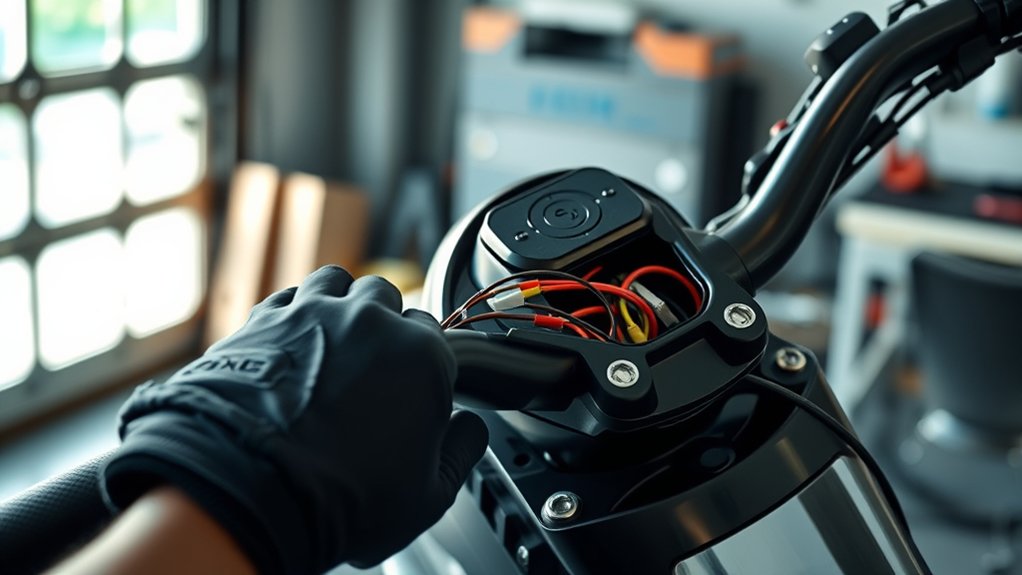
Once disconnected, find the ignition wires—these are usually near the handlebar or control panel. If you’re unsure, check your bike’s manual for guidance.
Use insulated tools to avoid shorts and protect yourself. Here’s a quick reference:
| Step | Action | Safety Tip |
|---|---|---|
| 1 | Disconnect battery | Prevent shocks |
| 2 | Locate ignition wires | Check manual if needed |
| 3 | Use insulated tools | Avoid shorts |
| 4 | Connect wires directly | Bypass ignition |
| 5 | Reconnect battery | Test start |
Before turning your bike back on, double-check all your connections. Stay safe and take your time with each step.
Jump-Starting Your Bike’s Battery Correctly
Before jump-starting your bike’s battery, make sure the replacement power source is compatible to avoid any damage.
Connect the chargers carefully, following proper safety procedures to prevent sparks or shorts.
Keep an eye on the charging process to ensure the battery gets properly replenished without overcharging.
Check Battery Compatibility
Ever wondered how to make sure your bike’s battery can handle a jump-start? First, check your bike’s manual or label to confirm the battery’s voltage and capacity match the power source.
Next, verify the battery type—whether it’s lithium-ion, lead-acid, or something else—since incompatible types can cause damage.
Then, inspect the battery for any physical damage or corrosion, which could prevent a proper jump.
Finally, make sure the battery isn’t already drained beyond recovery, as very depleted batteries might not accept a jump-start effectively.
Connect Power Safely
Connecting power safely is crucial to prevent damage to your bike’s electrical system or personal injury. First, make sure the bike is turned off before connecting any power sources.
Use insulated jumper cables and connect the positive (red) clamp to the positive terminal of the dead battery, then to the live battery or power source. Next, attach the negative (black) clamp to the negative terminal or a solid ground point away from fuel lines or moving parts.
Keep the clamps secure and avoid contact between them. Double-check your connections before powering on the source. Never rush this process; proper connection minimizes the risk of sparks, short circuits, or damage.
Once everything is secure, you can proceed with safely jump-starting your bike’s battery.
Monitor Charging Process
How can you make sure the battery charges correctly during the jump-start process? First, keep an eye on the charger’s indicator lights or display to monitor progress. Second, avoid overcharging by disconnecting once the battery reaches full capacity, which is usually shown by a steady or green light.
Third, check the battery’s temperature; if it gets excessively hot, disconnect immediately to prevent damage. Fourth, periodically test the battery voltage with a multimeter to make sure it stays within the recommended range.
Using Key Emulators or Override Devices to Start Your Bike
When traditional keys aren’t available, using key emulators or override devices can be a good way to start your electric bike. These tools simulate the signals a key normally sends, helping you bypass the ignition lock.
You’ll need to connect the emulator to the ignition system, usually by accessing the wiring harness or ignition switch. Some override devices are made specifically for certain bike models, so double-check compatibility before you begin.
Once connected, the emulator transmits the right signals, allowing you to start your bike just like you would with a key. Be careful with these devices because improper use can damage your bike’s electrical system.
Always follow the manufacturer’s instructions carefully. If you’re unsure, it’s a good idea to consult a professional to avoid any issues.
Manually Connecting Wires: Step-by-Step Guide
If you’re comfortable working with electrical systems, manually connecting wires can be a reliable way to start your electric bike without a key. First, identify the main ignition wires—usually a red (power) and a black (ground).
Next, locate the starter wires, often connected to the kill switch. Then, follow these steps:
- Connect the red ignition wire to the positive terminal of your power source.
- Connect the black ground wire to a solid ground point on the bike frame.
- Locate the starter wire and connect it to the positive terminal briefly.
Ensure all connections are secure before attempting to start the bike. Always double-check your wiring to avoid shorts or damage.
Risks and Dangers of Hot-Wiring Your Electric Bike
Hot-wiring your electric bike might seem like a quick fix, but it comes with serious risks that can jeopardize your safety and the bike’s performance. You could accidentally cause electrical shorts, which might lead to fires or damage the bike’s parts.
There’s also a chance of damaging delicate wiring or circuits, making the bike unreliable or even unusable. Plus, hot-wiring can void your warranty, leaving you to cover costly repairs yourself.
Tampering with the electrical system might also trigger theft alarms or immobilizers, making it even harder to start or use your bike legally. And beyond the technical issues, you could hurt yourself if you mishandle wires or tools.
Troubleshooting Common Starting Issues
Even though electric bikes are generally reliable, sometimes they just won’t start because of common issues. To troubleshoot, start by checking these key areas:
First, look at the battery connection. Make sure it’s fully charged and properly connected. Loose or corroded terminals can stop power from flowing.
Next, inspect the fuses and circuit breakers. A blown fuse or a tripped breaker could be cutting off power to the bike.
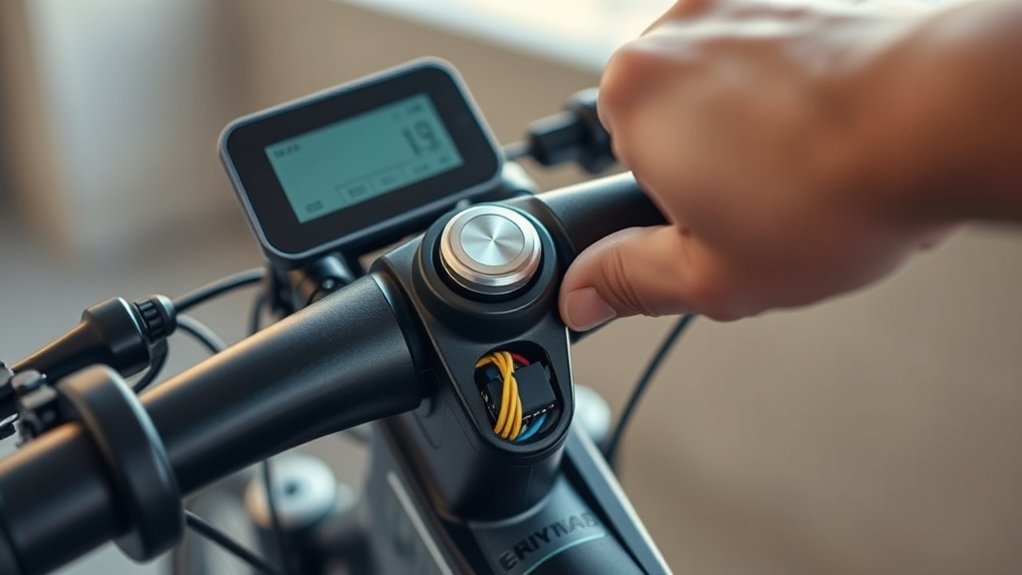
Then, verify that the display panel is on and that you’ve pressed the power button correctly. Sometimes, it’s just a simple step missed.
Finally, check the motor and wiring. Look for any damaged wires or connectors near the motor that might be disrupting the circuit.
Addressing these areas can often fix starting problems quickly. If the issue continues, it’s best to get further inspection or seek professional help.
When to Seek Professional Help and Final Tips
While many electric bike issues can be fixed with basic troubleshooting, sometimes you need professional help to ensure safety and proper repair.
If you notice ongoing electrical problems, strange noises, or if your bike doesn’t respond after trying DIY fixes, it’s best to see a qualified technician.
Avoid attempting complex repairs if you’re unsure—improper handling can cause more damage or safety risks.
Also, seek professional help if your bike’s battery or wiring looks damaged or corroded.
Remember, safety always comes first. Don’t ignore warning signs.
When in doubt, take your e-bike to a certified repair shop. This way, it’s diagnosed and fixed correctly, helping it last longer and keeping you safe on the road.
Frequently Asked Questions
Can I Start My Electric Bike Without Any Tools?
You generally can’t start your electric bike without tools, especially if it has a security system or lock.
But if the bike is just switched off or has a removable battery, you might be able to turn it on by reconnecting the battery or bypassing the switch.
Keep in mind, trying to start it without the proper tools or knowledge could damage the bike or void your warranty.
What Are the Signs My Electric Bike’s Security System Is Active?
Your electric bike’s security system is like a vigilant guard, ready to alert you when activated. Signs include a flashing or solid security light on the dashboard, unusual beeping sounds, or the bike refusing to start even when you press the power button.
You might also notice a delay in ignition or the display showing a security lock icon. If these signs appear, your bike’s security system is in full swing, keeping it safe from theft.
Are There Legal Risks in Bypassing the Ignition?
Bypassing the ignition on your electric bike can have legal risks, especially if it’s not your property or if you don’t have permission.
It might be considered tampering or theft, which could lead to fines or criminal charges.
Always check local laws before trying any bypass and make sure you have the proper authorization.
If you’re unsure, it’s best to consult a professional or an authorized service center to avoid potential legal issues.
How Long Does a Typical Electric Bike Battery Last?
You might find it surprising, but a typical electric bike battery lasts about 20 to 50 miles on a single charge. This depends on things like rider weight, terrain, and assist level.
If you’re riding on flat terrain with moderate assist, expect closer to 50 miles. But in hilly areas with high assist, the battery drains faster, sometimes reducing the range to around 20 miles.
Proper care can help extend your battery’s lifespan, making sure you get more out of each ride.
What Should I Do if My Bike Doesn’T Start After Bypassing?
If your bike doesn’t start after bypassing, double-check all your connections to make sure everything’s wired correctly.
Turn the key or bypass switch on again and see if the display lights up or the motor engages.
If it still doesn’t work, check the battery to see if it’s charged or if any cables are loose.
You might also want to test the fuse or reset the bike’s circuit.
If the problem keeps going, consult the bike’s manual or get advice from a professional technician.
Conclusion
Remember, bypassing your electric bike’s security isn’t just about flipping switches—think of it as navigating a maze from the days of chivalry. Proceed carefully, knowing the risks involved, and always prioritize safety.
If you get stuck in the maze, don’t hesitate to call a professional. It’s better to rely on modern locksmiths than to risk a dangerous mistake.
In a world that’s always changing, trusting experts is the smartest move. When starting an electric bike without a key, safety and proper guidance should come first.