7 Steps to Switch Gears on a Mountain Bike
Many mountain bikers struggle with shifting gears smoothly, especially when navigating tricky terrains. You’re not alone—getting that perfect gear change can be a challenge, but with a little practice, it becomes second nature.
To switch gears smoothly on your mountain bike, start by shifting to a smaller sprocket and chainring. Use the shifters to move the derailleur, adjusting cable tension with the barrel adjuster if needed.
Anticipate terrain changes and shift progressively, avoiding mid-pedal shifts. Make sure your cable and derailleur are clean and properly aligned. Regular maintenance prevents issues and guarantees reliable shifting.
Keep going to uncover more tips for mastering your gear shifts and riding with confidence.
Key Takeaways
- Shift to the smallest chainring and sprocket to get ready for gear changes.
- Use the shifter to gradually increase or decrease the cable tension.
- Watch the derailleur move and make sure it lines up with the gear you’ve chosen.
- Take a test ride through all the gears. This helps you check if everything shifts smoothly.
- Make small adjustments using the barrel adjuster. This way, your gear changes stay precise and responsive.
How Do Mountain Gears Work and Why Are They Important
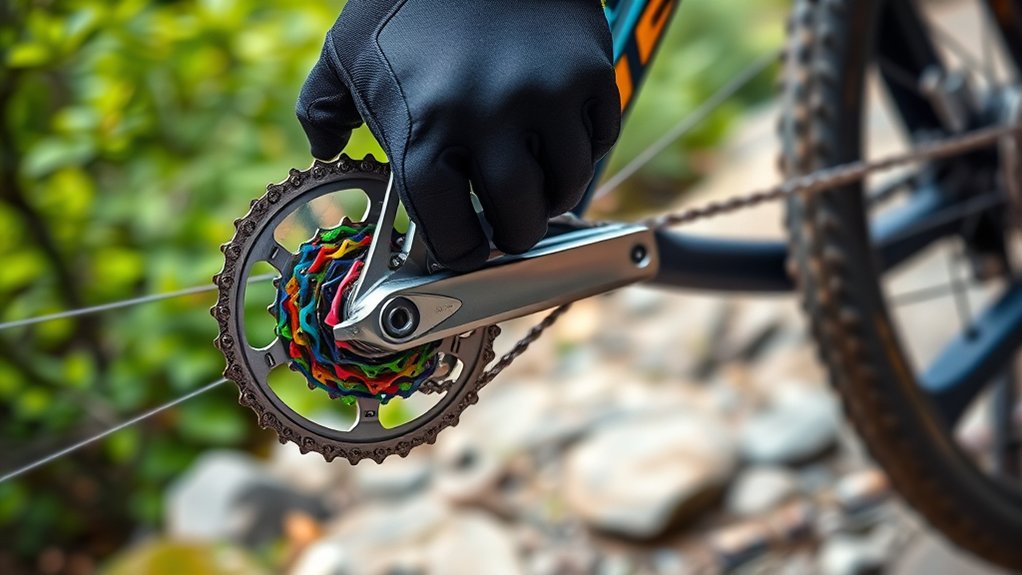
Understanding how mountain gears work is key to mastering your ride, especially on different types of terrain. Gears change the resistance you feel when pedaling, making it easier or harder to go uphill, downhill, or on flat ground.
When you shift to a lower gear, the chain moves to a smaller sprocket, reducing resistance so you can spin faster with less effort. Shifting to a higher gear moves the chain to a larger sprocket, increasing resistance but helping you generate more power for climbing or speeding up.
Shifting to a smaller sprocket makes pedaling easier; larger sprockets boost power for climbs or speed.
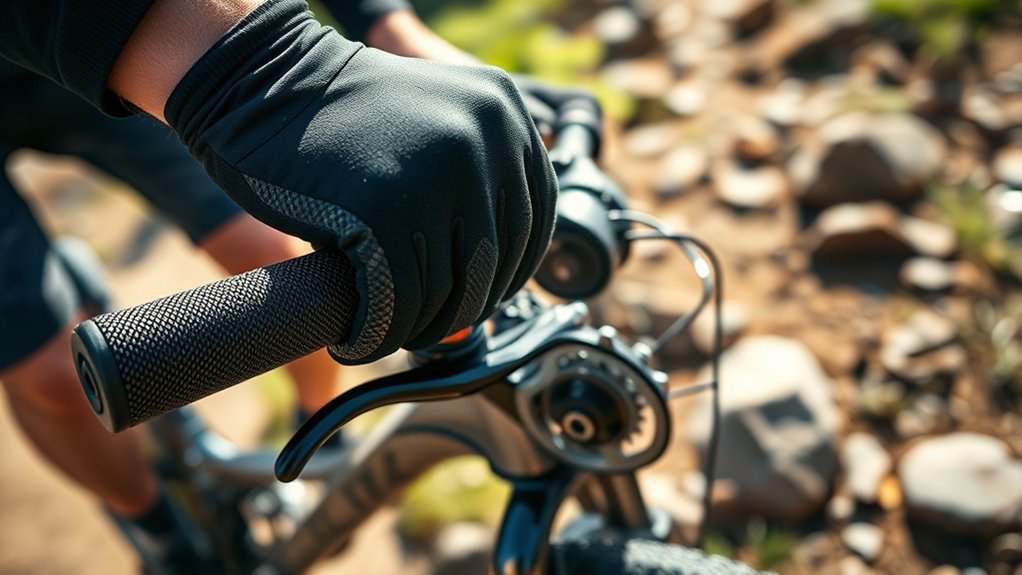
Gears are controlled by shifters on your handlebars, which move derailleurs to guide the chain onto different sprockets. This system helps you keep a steady cadence, save energy, and respond quickly to changing terrain.
Using your gears properly keeps your ride smooth and efficient, making your cycling experience better and less tiring.
Preparing Your Mountain Bike for Smooth Gear Shifting
Before hitting the trails, take a quick look at your gear components for any wear or damage.
Make sure your cables are properly tensioned so shifting feels smooth and responsive.
A simple check and adjustment now can save you from frustrating gear issues during your ride.
Inspect Gear Components
Start by giving your gear components a thorough visual inspection. Check the derailleur, shifters, and sprockets for dirt, rust, or damage. Look for bent or broken parts that could hinder smooth shifting.
Make sure the derailleur hanger is straight and securely attached. Examine the chain for excessive wear or rust, as a worn chain can cause slipping. Lubricate moving parts lightly to prevent stiffness.
Use the table below to understand key components:
| Component | What to Check | Why It Matters |
|---|---|---|
| Derailleur | Alignment, dirt, damage | Confirms accurate shifting |
| Chain | Wear, rust, lubrication | Prevents slipping and skipping |
| Sprockets | Wear, debris, damage | Maintains smooth gear change |
Adjust Cable Tension
After inspecting your gear components and making sure everything looks good, the next step is to adjust the cable tension. Start by shifting to the smallest chainring and the smallest sprocket.
Locate the barrel adjuster on your derailleur or shifter. Turn it clockwise to tighten the cable or counterclockwise to loosen it. You want the derailleur to move smoothly without hesitation or overshooting.
Shift through all gears to check the response. If the chain hesitates or doesn’t quite reach the gears, tweak the tension slightly. Proper tension guarantees clean, precise shifts and reduces cable wear.
Make small adjustments and test each time until shifting feels smooth and accurate. This step is vital for maintaining efficient gear changes during your ride.
Choosing the Right Gear for Different Trails
When choosing gear for different trails, think about the terrain you’ll be riding on—rocky, steep, or flat surfaces all need different settings.
Adjust your pedal resistance to match how tough the trail is, so pedaling feels smoother and more efficient.
Picking the right gear helps you stay in control and cuts down on fatigue during your ride.
Terrain Compatibility
Choosing the right gear for different trails is key to staying in control and riding efficiently. When you hit steep, technical terrain, shift to lower gears. This makes pedaling easier and helps you keep a steady cadence.
Lower gears give you better control over your speed and make it easier to handle rocky or root-filled paths without overworking your muscles. On flatter, smoother trails, switch to higher gears to go faster with less effort.
Always try to anticipate terrain changes and shift proactively rather than reactively. Matching your gear to what’s ahead keeps your bike responsive and reduces chain strain.
Understanding terrain compatibility helps you ride more confidently and saves energy for the whole ride.
Pedal Resistance
Selecting the right gear directly influences how much pedal resistance you encounter, which affects your riding efficiency and comfort on different trails.
When climbing steep hills, shift to a lower gear to make pedaling easier and conserve energy. On flat terrain, choose a higher gear to go faster without overexerting yourself.
When descending or riding on rough, technical trails, adjust gears to stay in control and avoid straining your legs. Pay attention to your cadence—aim for a steady, comfortable pedaling rhythm—and change gears accordingly.
Quick gear shifts help you respond smoothly to changing trail conditions. The goal is to find a balance that minimizes fatigue and maximizes control, so you can enjoy your ride and handle different terrains effectively.
How to Shift Gears Smoothly and Confidently
Shifting gears smoothly and confidently takes some practice, but once you get the hang of it, you’ll notice a big difference in your ride. To shift effectively, try to anticipate changes in terrain so you’re prepared for the gear you need.
Use your fingers gently and steadily press the shifter, avoiding abrupt movements. Shift one gear at a time, especially when climbing or descending, to prevent chain slipping or dropping.
When shifting, ease off pedaling slightly to reduce strain on the drivetrain. Keep your cadence steady and avoid forcing the gears into position.
Over time, you’ll start to recognize the right moments to shift, making your ride more efficient and enjoyable. Confidence comes with practice, so stay patient and focus on smooth, controlled movements.
Troubleshooting Common Mountain Bike Gear Problems
Even with proper shifting techniques, gear problems can still happen, especially when riding over rough terrain or after dirt and debris build up. Common issues include chain slipping, skipped gears, or difficulty shifting.
To troubleshoot, start by checking for dirt or debris on the derailleur or cassette, as this can cause misalignment. Make sure your derailleur hanger is straight because a bent hanger throws off the gears.
Adjust the cable tension if shifting feels sluggish or skips. Sometimes, the chain may be worn or stretched, and in that case, you’ll need to replace it. Use this table to identify and fix typical gear problems:
| Problem | Solution |
|---|---|
| Chain slips or skips | Tighten or replace derailleur cable |
| Gears won’t shift smoothly | Clean derailleur and cassette, adjust derailleur hanger |
| Difficulty shifting to small gears | Check for cable stretch, readjust tension |
| Chain is noisy or skipping | Replace worn chain or cassette |
Tips for Maintaining Your Gears for Consistent Performance
Regular maintenance is key to keeping your mountain bike gears performing smoothly on every ride. Start by regularly cleaning your derailleur and cassette to remove dirt and debris, which can cause slipping or poor shifting.
Check your cables for fraying or rust, and lubricate them to guarantee smooth operation. Adjust your derailleur alignment if shifting feels off, making sure it moves precisely across gears.
Inspect cables for damage and rust, lubricate for smooth shifting, and fine-tune derailleur alignment for perfect gear performance.
Keep your chain clean and well-lubricated to prevent unnecessary wear and maintain smooth shifting. Periodically inspect your gear components for signs of wear or damage, replacing parts as needed.
Proper tension in your shifters and cables is essential for consistent performance. With regular upkeep, your gears will shift reliably, giving you a smoother, more enjoyable ride every time.
When to Seek Professional Help for Gear Issues
While many gear issues can be fixed through proper maintenance, there are times when you need to call in a professional. If you’re constantly struggling to shift despite your efforts, it’s a sign something deeper might be wrong. Ignoring these issues can lead to more damage or even accidents on the trail.
Seek help when your gears skip or slip unexpectedly, making riding uncertain. If the derailleur is bent or misaligned beyond simple adjustments, it’s time to get it checked out. You should also be concerned if you notice persistent grinding or strange noises during shifting.
And if the shifter feels stuck or doesn’t respond at all, don’t ignore it. Addressing these warning signs early can save you time, money, and frustration. Plus, it helps keep your ride safe and smooth.
Frequently Asked Questions
How Often Should I Replace My Bike’s Gear Cables?
You should replace your bike’s gear cables every 1 to 2 years, or sooner if you notice sluggish shifting, rust, or frayed cables.
Regular maintenance and cleaning can help extend their lifespan, but cables will wear out and lose efficiency over time.
Keep an eye on the cable housing and shifters, and replace the cables promptly to ensure smooth gear changes and avoid potential damage to your drivetrain.
Can I Upgrade My Mountain Bike’s Gear System?
Yes, you can upgrade your mountain bike’s gear system. Start by researching compatible components like shifters, derailleurs, and cassettes.
Think about your riding style and budget to pick the right upgrades. Then, gather the tools you’ll need and follow the installation instructions carefully.
If you’re unsure about doing it yourself, a professional mechanic can help ensure everything’s installed correctly. Upgrading your gear system can make shifting smoother and improve your overall ride.
What Is the Ideal Gear Ratio for Steep Climbs?
For steep climbs, you want a gear ratio that makes pedaling easier, usually around 1:1 or lower. Using a smaller front chainring with a larger rear sprocket creates a low gear ratio, which helps reduce resistance.
This setup lets you keep a steady cadence without putting in too much effort. Try different ratios to see what feels most comfortable based on your strength and how steep the terrain is.
How Do I Prevent Chain Slipping During Shifts?
Imagine the chain as a tightrope walker, needing perfect balance. To prevent chain slipping during shifts, ease off pedaling slightly as you change gears. This helps the derailleur line up smoothly.
Make sure your gears are properly indexed and the derailleur is adjusted correctly. Shift smoothly and gradually, avoiding forceful movements.
This way, your chain stays firmly in place, giving you a seamless ride even on rough terrains.
Are There Specific Gear Maintenance Tips for Wet Conditions?
In wet conditions, keep your gears clean and well-lubricated to prevent slipping. Regularly wipe down your chain and derailleur to remove mud and grime.
Use a waterproof lubricant specifically designed for wet weather, applying it to the chain and moving parts. Shift gears smoothly and avoid forcing them, as sudden shifts can cause slipping.
After riding, clean and re-lubricate your drivetrain to maintain peak performance in wet environments.
Conclusion
Mastering your mountain bike’s gears is like conducting a symphony—you need to know each move to create harmony. With patience and care, you’ll ride trails with the skill of a seasoned pro.
Remember, even the best riders ask for help when something’s tricky. Don’t hesitate to get advice from professionals for complex gear issues.
By staying attentive and proactive, you’ll keep your gear shifts smooth and your adventures endless. Mastery comes through continuous tuning, so keep practicing and tuning your gears as you go.