How to Buy an Electric Bike in 7 Simple Steps
Thinking about buying an electric bike? You’re not alone—many people struggle with choosing the right one among so many options. Whether you’re aiming to commute more easily or explore trails, finding the perfect e-bike can feel overwhelming.
To buy an electric bike in 7 simple steps, start by evaluating your riding needs and goals, like commuting or trail riding.
Next, set a budget based on features you want, from entry-level to high-end models.
Choose the right bike type for your terrain, then assess key features such as battery life and motor power.
Test different models for comfort, review brands and support options, and finally, prepare for your first ride.
Keep going to uncover each step in detail.
Key Takeaways
- Assess your riding needs, environment, and goals to figure out the best bike type and features for you.
- Set a budget based on what you want in performance, durability, and any extra accessories.
- Research and compare different bike models, paying attention to key features like battery capacity and motor power.
- Take the bikes for a test ride to see how comfortable they are, how they handle, and if they suit your terrain.
- Plan your route, safety gear, and charging options to make sure your riding experience is smooth and enjoyable.
What Are Your Riding Needs and Goals?
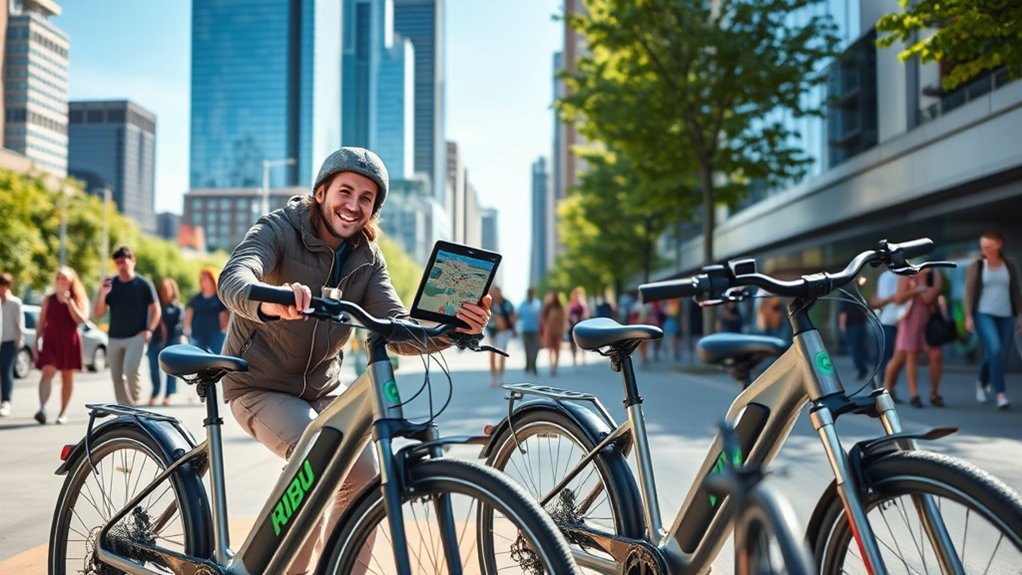
Before choosing an electric bike, it’s important to think about your riding needs and goals. Consider where you’ll be riding most often—commuting, trail riding, or just relaxing.
Assess your riding goals and typical routes to choose the perfect electric bike for your lifestyle.
If you plan to commute daily, look for an e-bike with a comfortable seat, a good battery range, and easy handling. For trail adventures, find a model with strong suspension and off-road features.
If you want to run errands or enjoy casual rides, a smaller, lightweight bike might be perfect. Decide if you need help for long distances or if you want to get some exercise.
Knowing your main use helps you pick features that match your riding style. This way, your e-bike fits your lifestyle and keeps you motivated to ride more often.
How Much Should You Budget for an E-Bike?
Setting a realistic budget is essential when shopping for an e-bike, as prices can vary widely based on features, brand, and quality. Entry-level models usually cost between $1,000 and $2,000, offering basic features for casual riders.
If you want better performance, longer battery life, and more advanced components, expect to spend between $2,000 and $4,000. High-end e-bikes with premium materials, top-tier motors, and extensive accessories can range from $4,000 to $8,000 or more.
Think about which features matter most to you and how often you’ll ride. While it might be tempting to go for a cheaper model, investing in a quality e-bike ensures durability, safety, and a more enjoyable experience.
Set your budget wisely to find a bike that fits your needs and your finances.
Which Type of Electric Bike Is Right for You?
Choosing the right type of electric bike really depends on how and where you plan to ride.
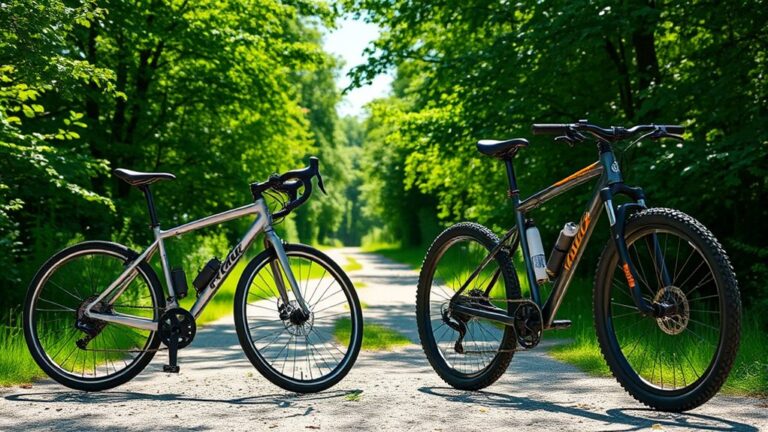
If you’re commuting on city streets, a lightweight folding or urban e-bike offers agility and easy storage. For longer rides or trail adventures, a mountain or hybrid e-bike provides stability and power over rough terrain.
If you want to combine exercise with commuting, a pedal-assist bike that feels natural is a good choice. If you often carry cargo or need extra storage, consider a cargo or step-through model.
Think about your typical terrain and riding style to match your needs. The right e-bike should feel comfortable, fit into your daily routine, and match where you ride most often.
Having a clear idea of your riding habits makes choosing the right bike much easier.
What Key Features Should You Consider (Battery, Motor, Performance)?
When evaluating key features in an electric bike, focusing on the battery, motor, and overall performance can really help you find a bike that fits your needs.
Start with the battery’s capacity—bigger batteries give you longer ranges, which is great for longer rides or daily commutes. Also, check how long it takes to charge; faster charging can save you time.
The motor’s power affects how quickly the bike accelerates and how well it handles hills. Higher wattage motors are better for tougher terrains. Pay attention to where the motor is placed—hub motors are simple, while mid-drive motors often offer better balance and efficiency.
Finally, think about the overall performance, including weight, responsiveness, and how easy the bike is to handle. Having the right combination of these features ensures your bike performs well, matches your riding style, and gives you good value for your investment.
How Do You Test and Find the Most Comfortable E-Bike?
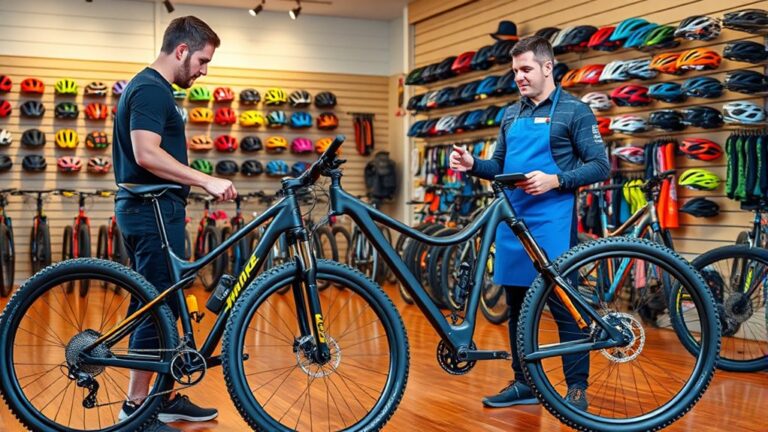
To find the most comfortable e-bike, take the time to test different models in real riding conditions. Focus on how each bike feels during your typical rides.
Pay attention to seat comfort—try sitting and pedaling to see if it supports your posture. Check the handlebar position and reach; it should feel natural without straining your back or shoulders.
Ensure the seat supports your posture and handlebar reach feels natural without causing strain.
Test the suspension if available, especially on rougher terrain, to see how well it absorbs shocks. Adjust the saddle height and handlebar positions to find your ideal fit.
Ride at different speeds and inclines to assess stability and comfort. Remember, what feels good for someone else might not suit you, so always test thoroughly before making your decision.
Which Brands, Reviews, and Support Options Are Best?
When choosing an electric bike, it’s important to look at top brands known for their quality and reliability. These brands have a proven track record and are often trusted by riders everywhere.
Reading reviews can really help you understand what other customers have experienced. It’s a great way to get insights into how the bike performs in real-world conditions.
Support and warranty options are also key. They give you peace of mind that if something goes wrong, you’ll be taken care of. Prioritizing these factors will help you find a bike that suits your needs and lasts a long time.
Top Brands Overview
Choosing the right electric bike starts with knowing which brands stand out for quality, reliability, and customer support. Top brands like Trek, Specialized, and Bosch are known for durability and innovative features.
Trek offers versatile models suited for city commuting and off-road adventures, backed by solid reviews. Specialized emphasizes performance and comfort, often praised for sleek designs and smooth rides.
Bosch provides reliable motors and batteries, earning trust among many riders. Other notable names include Rad Power Bikes for affordability and versatility, and Gazelle for European craftsmanship.
When evaluating brands, look for those with a strong reputation, positive reviews, and accessible customer service. These brands have established themselves as leaders, making it easier to find a dependable electric bike that fits your needs.
Support and Warranty Options
After considering top brands for quality and innovation, it’s just as important to look at their support and warranty options. Good customer support means you can get help quickly if something goes wrong, saving you time and hassle.
Look for brands that offer extensive warranties, especially on major parts like motors and batteries. Ideally, these warranties should last at least one to two years. Reading reviews can give you a good idea of how responsive and helpful their support teams are.
Brands like Rad Power Bikes and Trek usually provide solid warranties and responsive customer service, making them trustworthy choices. Also, check if they have local service centers or online support options.
Strong support and warranty policies give you peace of mind, knowing your investment is protected in the long run.
Ready to Buy? How to Prepare for Your First Ride
Before you head out, double-check your bike’s equipment to make sure everything’s secure and working properly.
Plan your route to match your comfort level and steer clear of busy roads or tricky terrain.
Being prepared will help make your first ride smoother and way more fun.
Check Your Equipment
Ensuring your equipment is ready is a crucial step before hitting the road on your new electric bike. First, make sure your helmet fits snugly and comfortably, offering proper protection.
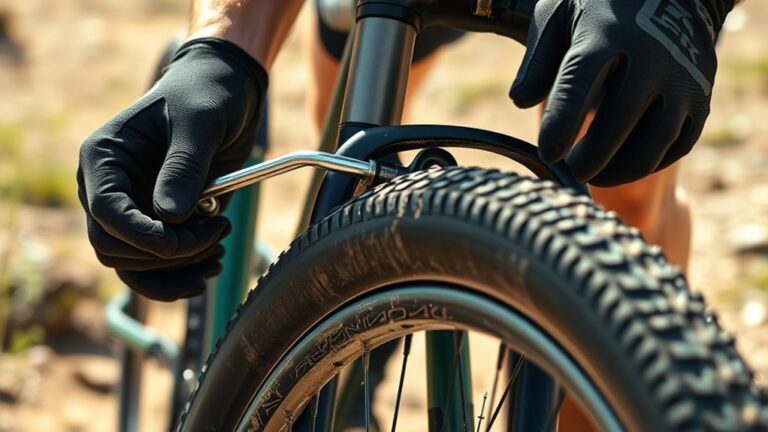
Next, inspect your bike’s tires for correct pressure and look for any signs of wear or damage. Test the brakes to ensure they respond effectively and aren’t too loose or tight.
Also, confirm that the lights and reflectors are working, especially if you plan to ride in low light. Make sure your battery is fully charged and securely attached.
If you’re carrying a lock or other accessories, verify they’re in good condition and ready to use.
Taking these steps helps you ride safely, confidently, and prepared for your first electric bike adventure.
Plan Your Route
Planning your route is key to a smooth and enjoyable first ride on your electric bike. Pick a route that matches your skill level and steer clear of busy streets or tough terrain. Paved bike paths or quiet residential streets are great for building confidence.
Think about the distance and elevation—start with a shorter ride and gradually go further as you get more comfortable. Check for charging stations along the way if your bike isn’t fully charged, or bring a portable charger just in case.
Plan your stops for rest or snacks so you’re not caught off guard. Also, consider the weather—choose a day with mild conditions to stay comfortable. Preparing your route ahead of time helps you stay focused on riding and ensures a safe, fun experience from the start.
Frequently Asked Questions
Are Electric Bikes Legal to Ride on All Roads and Bike Paths?
Electric bikes’ legality varies depending on your location. Generally, you can ride them on most bike paths and roads, but some places have restrictions for higher-speed models or require helmets and registration.
Always check local laws before riding. You might find that certain trails or bike lanes are off-limits for electric bikes.
Staying informed guarantees you ride legally and safely, avoiding fines or conflicts with authorities.
How Long Does an E-Bike Battery Typically Last Before Replacement?
An e-bike battery usually lasts around 300 to 500 full charge cycles, which is roughly 2 to 5 years with regular riding.
As the battery gets older, its capacity drops, meaning your ride distance will decrease.
Eventually, you’ll need to replace the battery to keep your bike performing at its best.
Keep an eye on its health and follow good charging habits to make it last longer.
This saves you money and helps ensure reliable rides over the years.
What Maintenance Is Required to Keep an E-Bike in Good Condition?
To keep your e-bike in excellent shape, regularly review and ride responsibly. Routinely check tires for pressure and punctures, guarantee brakes function flawlessly, and keep the chain clean and lubricated.
Periodically inspect the battery for proper connection and clean the contacts. Store your bike in a dry, sheltered space, and follow the manufacturer’s maintenance schedule.
This simple, steady stewardship ensures your e-bike stays powerful and dependable for many miles.
Can I Upgrade or Customize Parts on My Electric Bike?
Yes, you can upgrade or customize parts on your electric bike. You might swap out the handlebars, saddle, or pedals to make it more comfortable for you.
Upgrading the battery or motor can boost your bike’s performance, but make sure they’re compatible with your bike’s frame and electronics.
If you’re into aesthetics, you could change the paint or add decals to give your bike a new look.
Always check with the manufacturer or a professional mechanic before making major modifications to ensure everything stays safe and functions properly.
Are There Any Safety Gear Recommendations for E-Bike Riders?
You should always wear a helmet to protect your head in case of falls or accidents.
Consider gloves to improve grip and protect your hands. Wearing reflective clothing or accessories can help you stay visible, especially at night.
Knee and elbow pads provide extra safety, especially if you’re riding in challenging terrain.
Don’t forget to use front and rear lights on your bike so you’re seen and can see clearly while riding.
Conclusion
Now that you’re armed with these seven steps, you’re ready to navigate the e-bike jungle confidently. Think of your journey like riding a wave—you’ll catch the perfect one by knowing what you need, choosing wisely, and testing thoroughly.
Once you find your ideal ride, you’ll glide smoothly toward your new adventure. Welcome the process, stay curious, and soon enough, you’ll be cruising with the wind in your hair, enjoying every pedal stroke.
When it comes to buying an electric bike, confidence is key. Keep these tips in mind, and you’ll be riding your dream e-bike in no time.