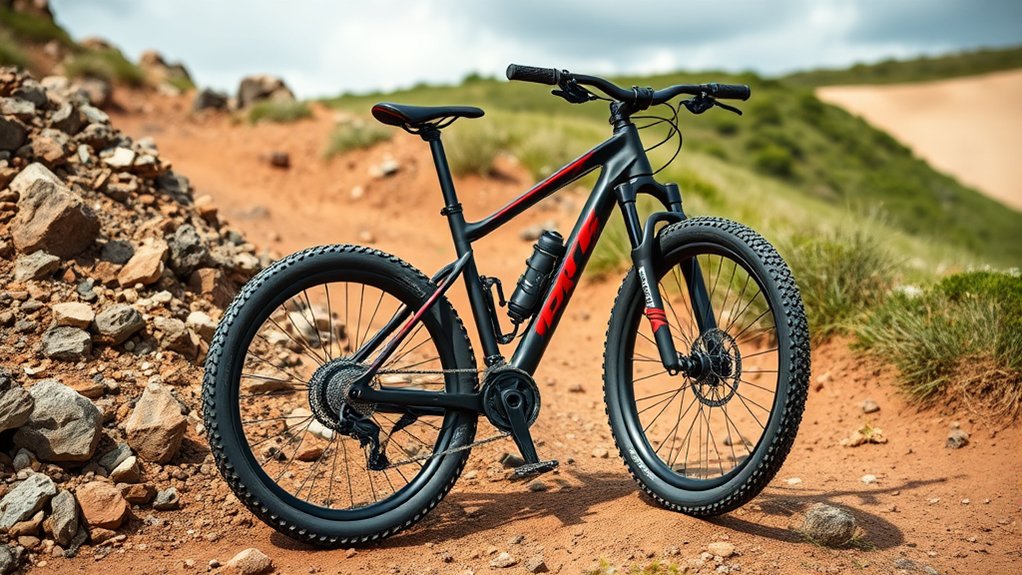
Can a Hybrid Bike Be Used for Mountain Biking on 8 Terrain Types?
Many cycling enthusiasts dream of hitting all kinds of mountain terrain, but figuring out if a hybrid bike can handle it can be tricky.
You’re not alone in wondering whether your versatile bike can tackle different trail types without sacrificing comfort or safety.
You can use a hybrid bike on some mountain terrain like smoother dirt paths or casual trails, but it’s not ideal for tougher conditions.
Its limited suspension, narrow tires, and basic gearing make it struggle on rocky, muddy, or steep trails.
For full control and safety, especially on challenging terrain, upgrading or switching to a dedicated mountain bike is better.
Keep going to uncover more about when and how your hybrid might handle different trail types.
Key Takeaways
- Hybrid bikes are great for light, smooth trails. They’re not really built for technical or rugged mountain terrain.
- You can upgrade them with knobby tires and some suspension. But even then, they still don’t quite match the performance of dedicated mountain bikes.
- These bikes don’t do well on steep, rocky, or loose surfaces. The limited grip, control, and suspension make it tough to handle these challenging terrains.
- Muddy or waterlogged conditions can be tricky too. Without specialized tires or enough frame clearance, hybrid bikes struggle in these environments.
- When it comes to tackling all 8 terrain types, a dedicated mountain bike is usually the better choice. It offers better safety, control, and durability for tough mountain adventures.
Is a Hybrid Bike Suitable for Mountain Trails?
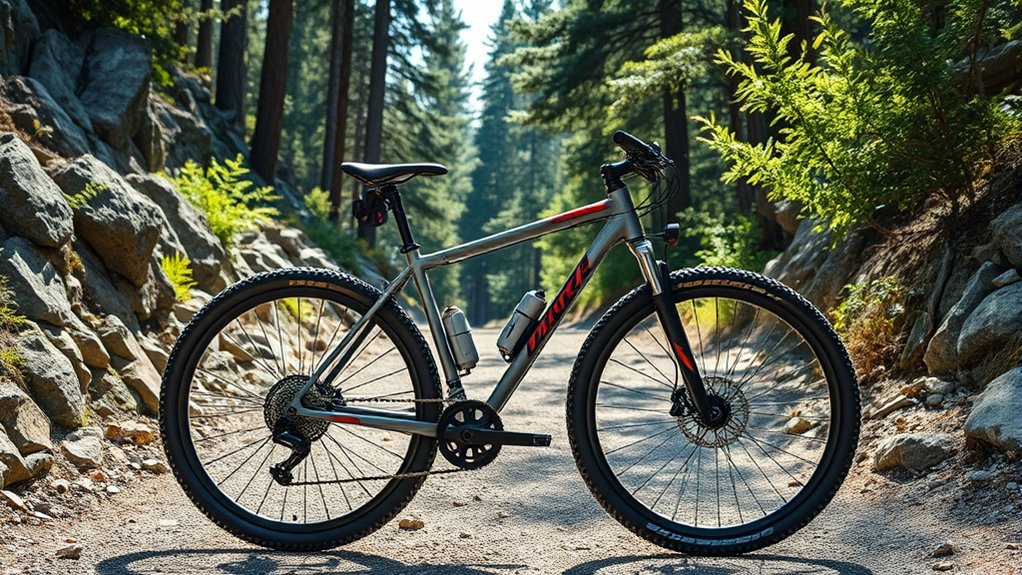
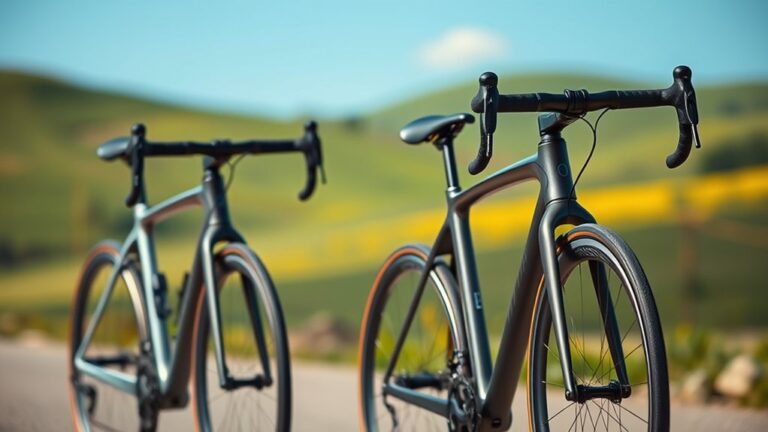
Is a hybrid bike a good choice for mountain trails? While hybrid bikes are versatile and great for urban commuting and light off-road rides, they’re not ideal for serious mountain trails. These bikes usually combine features from road and mountain bikes, but they often lack the specialized suspension, sturdy frame, and knobby tires needed for rough, uneven terrain.
If you’re planning to tackle steep, rocky, or technical trails, a dedicated mountain bike offers better control and durability. However, if your mountain adventures are more casual or involve smoother dirt paths, a hybrid bike can handle those without issue. Just keep in mind that for intense mountain biking, a hybrid might not provide the performance or safety you need.
How Do Hybrid Bikes Handle Rocky and Gravel Paths?
When riding rocky or gravel paths, your hybrid bike’s tire tread is really important for grip and durability.
Good tread helps you stay stable and confident on uneven surfaces. Suspension also plays a big role in absorbing shocks and keeping control.
Handling stability is key to navigating rough sections smoothly. Knowing how these features work together can make your ride much more enjoyable on tough terrain.
Tire Tread Durability
Hybrid bikes with durable tire treads can usually handle rocky and gravel paths, but how well they perform depends on the tread design. Tread durability is essential for resisting cuts, punctures, and wear on rough terrain.
If your hybrid bike has thicker, reinforced treads, you’ll notice better longevity and grip on uneven surfaces. Look for features like deep grooves or knobby patterns that boost traction.
Thicker treads are better at resisting cuts and punctures, while knobby patterns give increased grip on loose surfaces. Reinforced sidewalls also help prevent damage from sharp rocks.
Choosing tires with the right tread durability helps keep your ride smooth and safe, even on tough terrain. Proper maintenance can extend tire life and improve performance too.
Suspension Effectiveness
A well-designed suspension system really boosts a hybrid bike’s ability to handle rocky and gravel paths. It absorbs shocks from uneven surfaces, helping reduce rider fatigue and keeping control easier.
Front suspension forks help smooth out rough terrain, making it easier to navigate rocks and gravel with confidence. Some hybrids have minimal or no suspension, which isn’t as effective on tougher surfaces.
If you’re planning to ride on rough trails often, consider a hybrid with front suspension or a lightweight suspension fork. Proper suspension makes your ride more comfortable, prevents jarring bumps, and improves traction by keeping tires in contact with the ground.
While hybrid bikes aren’t as specialized as mountain bikes, a model with decent suspension can handle rocky and gravel paths better than rigid ones.
Handling Stability
Handling Stability
Traversing rocky and gravel paths requires a bike that stays steady and responsive under challenging conditions. Hybrid bikes can handle these surfaces, but their stability depends on a few key factors.
A wider, knobby tire gives you better grip and control, helping prevent slips on loose terrain. A low center of gravity keeps the bike balanced, making it easier to maneuver over uneven ground.
Good frame geometry also plays a big role in stability. It reduces rider fatigue and boosts your confidence on tricky surfaces.
- Wider tires with knobby tread for traction
- Low-slung frame for better balance
- Responsive handling for quick adjustments
Can a Hybrid Bike Manage Muddy and Wet Conditions?
Can hybrid bikes handle muddy and wet conditions effectively? The answer depends on the bike’s features and your riding style.
Hybrid bikes often have wider tires with some tread, giving better grip on slippery surfaces. However, they may lack the specialized components needed for deep mud or waterlogged trails.
To improve performance, consider tires with more aggressive tread or adding fenders to keep water and mud off your bike and gear.
| Feature | Benefit |
|---|---|
| Wider tires | Better traction on muddy terrain |
| Fenders | Keeps mud and water away from rider |
| Moderate tread | Suitable for mixed conditions |
| Frame clearance | Prevents mud buildup |
Are Hybrid Bikes Good for Steep, Technical Climbs?
When tackling steep, technical climbs, your bike’s climbing gear compatibility and overall weight are really important. A lighter hybrid can help you stay agile, but your technique and skill matter just as much for keeping traction and control.
Think about how your riding style matches the bike’s maneuverability and gearing. That can help you decide if a hybrid bike is a good fit for tough ascents.
Climbing Gear Compatibility
Hybrid bikes are generally not optimized for steep, technical climbs because their gear setups and frame design often prioritize comfort and versatility over aggressive terrain handling. Their gearing may not offer the low ratios needed for challenging ascents, making it harder to maintain traction and control on tough climbs. You might find yourself shifting constantly or struggling to find the right gear.
The gear compatibility often isn’t ideal for mountain terrain, especially with limited options for very steep inclines. Gearing ratios might be too high for aggressive climbs, and there’s usually a limited choice of wide-range cassettes. Chainrings may not support ultra-low gearing needed for technical sections.
Bike Weight and Maneuverability
Because hybrid bikes are designed for comfort and versatility rather than aggressive terrain, their weight and handling greatly affect how they perform on steep, technical climbs. Heavier bikes take more effort to pedal up, which can tire you out faster on tough climbs.
Hybrids tend to be bulkier than lightweight mountain bikes, making precise handling trickier on tricky terrain. Good handling is key when navigating sharp switchbacks or loose surfaces, and hybrids often lack the agility needed for those sections.
If the bike is too heavy or clunky, you’ll have a hard time maintaining traction and control. That wastes energy and increases the risk of slips or falls. For steep, technical climbs, a lighter, more responsive bike usually performs better and gives you more confidence.
Rider Technique and Skill
Mastering steep, technical climbs on a hybrid bike really comes down to your technique and skill. You want to stay balanced and keep your weight forward so the front wheel doesn’t lift off the ground.
Momentum is key, so aim to keep a steady pace without going too fast and losing control. Picking the right gear helps you spin smoothly through tough sections.
Practice body positioning—shift your weight back on descents and forward on climbs to get better traction. Keep your body relaxed and avoid stiffening up.
Use your core to stabilize yourself and stay in control. And always look ahead, not down, so you can spot obstacles early and plan your line.
How Do Hybrid Bikes Perform on Loose or Sandy Surfaces?
Traversing loose or sandy surfaces can be challenging for many bikes, and hybrid bikes are no exception. Their thinner tires and less aggressive tread make it harder to grip loose sand or gravel.
You might notice slipping or difficulty maintaining momentum, especially on softer surfaces. To improve performance, try reducing your tire pressure slightly to increase surface contact, which helps with traction.
Keep your speed steady and avoid sudden turns or braking, as these can cause you to lose control. A hybrid’s upright riding position can also make balancing on loose terrain more difficult, but staying relaxed helps.
While hybrid bikes aren’t designed specifically for sandy or loose surfaces, adjusting tire pressure and riding carefully can help you navigate these terrains more effectively.
What Are the Main Limitations of Hybrid Bikes on Tough Trails?
While hybrid bikes are versatile, they face some real limitations on tough trails. Their design usually focuses more on comfort and efficiency than on specialized mountain biking features.
You might find them struggle with steep climbs, technical descents, or rocky terrains. Their narrower tires and less aggressive suspension can cause you to lose control or feel unstable.
Plus, their frame and components aren’t as durable as those on dedicated mountain bikes, so they risk damage on rough surfaces. Overall, they’re just not built for the demands of tough trails.
How Can You Improve Your Hybrid Bike for Mountain Rides?
Wondering how to make your hybrid bike better suited for mountain rides? Start by upgrading your tires to tubeless, knobby ones made for off-road grip and durability. This boosts traction and helps prevent flats.
Think about installing a suspension fork or upgrading your current one. It’ll absorb shocks better on rough trails, making your ride smoother. Adjust your gears for smoother shifting and a wider range to make climbing easier.
Swap out your saddle for a more comfortable, supportive one that’s better for long rides. Check your brake system—hydraulic disc brakes provide better stopping power in muddy or steep conditions.
Finally, if possible, lighten your bike with carbon components. Reducing weight helps you climb more easily and reduces fatigue. These upgrades give you more control, comfort, and safety so you can handle tougher terrains with confidence.
When Is It Time to Switch to a Full-On Mountain Bike?
If your hybrid bike no longer feels confident on rugged trails despite upgrades, it might be time to contemplate switching to a full-on mountain bike. You’ll know it’s time when you start avoiding certain trails or feel limited by your current setup.
When climbs become too tough, descents too rough, or if you’re constantly worrying about flats and control, a full mountain bike could be the better choice.
When trails get tougher and control feels limited, upgrading to a full mountain bike is the smart move.
Consider switching if you’re tackling more technical, uneven terrain regularly. If your hybrid struggles with stability and traction, it’s a sign you might need something more capable.
You might also want to switch if you’re looking for a bike designed specifically for rugged mountain trails.
Switching will give you better handling, durability, and confidence on challenging terrain.
Frequently Asked Questions
What Specific Features Differentiate Hybrid Bikes From Mountain Bikes?
Hybrid bikes are different from mountain bikes mainly because of their design features. You’ll notice hybrid bikes have a lighter frame, a more comfortable riding position, and thinner tires that are better for riding on paved roads.
Mountain bikes, on the other hand, have sturdier frames, wider, knobbier tires for better grip, and suspension systems to handle rough terrain.
These features make hybrid bikes perfect for casual riding, while mountain bikes are best suited for challenging trails.
Are There Hybrid Bike Models Designed Specifically for Off-Road Use?
Yes, some hybrid bike models are made specifically for off-road riding. These bikes often have wider tires with knobby treads and stronger frames to handle tough terrains.
They also usually come with suspension systems to smooth out rough trails. These bikes combine the comfort of hybrid bikes with the durability and traction needed for off-road adventures.
If you plan to ride on rugged terrain often, look for hybrids labeled as “fitness” or “adventure” bikes with off-road features.
How Does Tire Width Influence Hybrid Bike Performance on Rough Terrain?
Tire width is your ticket to better performance on rough terrain. Wider tires, typically 2.1 inches or more, offer more stability, grip, and cushioning, helping you handle uneven surfaces with confidence.
Narrower tires might be faster on smooth paths but can struggle on bumpy trails. Think of it as having the right shoes for the dance — wider tires keep you balanced and comfortable when the ground gets tough.
Can Hybrid Bikes Be Customized for Better Off-Road Handling?
Yes, you can customize a hybrid bike for better off-road handling. You might upgrade the tires to wider, knobbier ones for better grip and install a suspension fork to absorb shocks.
Adjusting the gears can make climbing on rough terrain easier. You can also add wider handlebars for more control and replace the saddle for extra comfort.
These modifications help your hybrid bike perform more effectively on challenging trails.
What Maintenance Challenges Do Hybrid Bikes Face on Rugged Trails?
Like a knight facing a dragon, you’ll encounter challenges with a hybrid bike on rugged trails. Mud can clog gears, and rocky terrain may strain tires and suspension.
You’ll need to regularly clean and lubricate the chain, check tire pressure, and inspect brake pads for wear. Upgrading components like tires and suspension can help, but stay vigilant to keep your ride smooth and avoid costly repairs.
Conclusion
While a hybrid bike can handle many terrains, it’s like trying to fit a square peg in a round hole on the toughest trails. Think of it as a versatile jack-of-all-trades, but for serious mountain adventures, you’ll want a dedicated mountain bike—your trusty steed for rugged, wild terrains.
Know its limits, gear up wisely, and when the trail gets too wild, it’s time to saddle up with a full-on mountain bike for the ride of your life. A hybrid bike can be used on 8 terrain types, but for the best experience on rugged mountain terrains, a mountain bike is the way to go.