
How to Change Gears on a Road Bike in 7 Easy Steps
Many road cyclists struggle with shifting gears smoothly, especially when navigating tricky climbs or trying to sprint. You’re not alone—getting the hang of gear changes can feel confusing at first.
To change gears on your road bike, first understand your front chainrings. Adjust big pedaling shifts while the rear cassette fine-tunes effort. Use your shifters—often integrated with brakes—to move the derailleurs smoothly, easing pedal pressure as you shift for seamless changes.
Choose easier gears for climbs and harder ones for flats or sprints. Avoid shifting under heavy load and try to maintain a steady cadence.
Keep your drivetrain clean and cables adjusted for the best performance. Getting these right sets you up for smoother rides ahead.
Key Takeaways
- Understand how the front chainrings and rear cassette work together. This helps you manage how easy or hard pedaling feels and allows you to fine-tune your effort.
- Use the right shifters—whether STI, trigger, or bar-end—to change gears smoothly. It’s best to ease off the pedals slightly when shifting to avoid putting too much stress on the chain.
- Shift the front derailleur for big gear changes, like going from a low to a high gear. For smaller tweaks, use the rear derailleur to keep your cadence steady.
- Think ahead about the terrain. Shifting early helps you avoid heavy pedal pressure and keeps your ride smooth. It also helps prevent chain issues.
- Regularly clean and lubricate your drivetrain components. Check the cable tension and adjust the derailleur limits to keep your shifting running perfectly.
Get to Know Your Road Bike’s Gears and Components
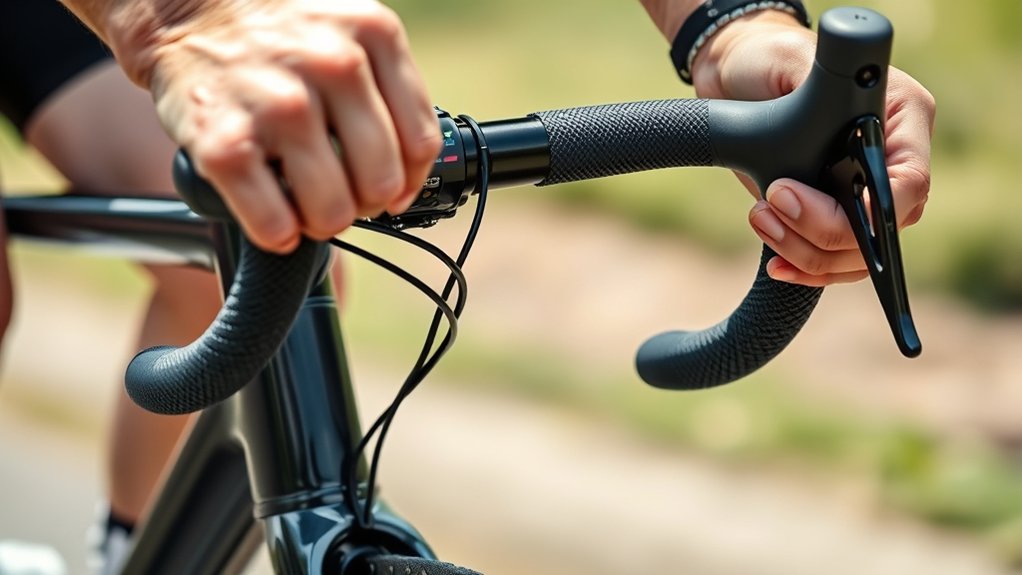
Before you start shifting, it’s important to understand your road bike’s gears and components. Your bike has two sets of gears: the front chainrings attached to the crankset and the rear cassette on the back wheel.
The front chainrings usually come in two or three sizes, which affect how hard or easy pedaling feels. The rear cassette has multiple sprockets, allowing you to fine-tune your effort based on the terrain.
Your chain moves between these gears to change resistance. Key parts include derailleurs, which guide the chain between gears, and the chain itself, connecting the front and rear. Knowing these parts helps you anticipate how shifting will impact your ride.
This knowledge lets you maintain smooth pedaling and avoid damaging your bike’s drivetrain.
Learn How Your Shifters Control Front and Rear Gears
Your shifters are the key to smoothly changing gears, and knowing how they work makes a big difference.
You’ll find different types of shifters that control either the front or rear gears, each with a specific function.
Let’s investigate how these controls operate so you can shift confidently on your road bike.
Shifter Types Explained
Although shifters might look similar at first glance, they control your bike’s gears in different ways depending on their type. Knowing these differences helps you shift smoothly and efficiently.
Here are the four main shifter types you’ll come across:
1. Trigger Shifters
These use thumb and index fingers to push levers, giving you quick, precise gear changes.
2. Twist Grip Shifters
You rotate the handlebar grip to shift. They’re common on hybrid bikes but tend to be less precise on road bikes.
3. Integrated Brake Shifters (STI)
These combine brake levers and shifters into one unit. You can shift gears without moving your hands from the handlebars.
4. Bar-End Shifters
Located at the end of drop bars, they require you to reach forward to shift. Many touring cyclists prefer this style.
Front vs Rear Gears
Two sets of gears on a road bike work together to give you a wide range of speeds and pedaling options. The front gears, or chainrings, have fewer but larger rings, while the rear gears, or cassette, have many smaller sprockets. You control these through separate shifters.
The front gears affect how hard you pedal, and the rear gears fine-tune your cadence. The front is located on the crankset and makes a big change in your pedaling effort. The rear gears are on the rear wheel hub and allow small, precise adjustments.
Both gear sets are controlled through shifters, which work together to ensure smooth riding. Understanding this setup helps you shift efficiently and keep your momentum on different terrains.
How Shifters Operate
Since shifting gears smoothly can make or break your ride, understanding how shifters control the front and rear gears is essential. Your bike’s shifters are the interface between you and the drivetrain, allowing quick and precise gear changes. Here’s how they work:
- Front Shifter: Controls the front derailleur, moving the chain between larger chainrings for big jumps in resistance.
- Rear Shifter: Moves the chain across the cassette’s sprockets for finer adjustments.
- Mechanism: Most road bikes use either integrated brake-shift levers or separate shifters that pull or release cable tension.
- Operation: When you push or click the shifter, it changes cable tension, which moves the derailleur and shifts the chain.
Understand When to Shift Gears While Riding
When you start feeling resistance on the pedals or notice your cadence slowing down, it’s time to shift gears. Shifting helps you stay smooth and efficient, whether you’re climbing hills or cruising on flats.
Pay attention to changes in terrain and your effort level to decide when to shift. It’s all about keeping your ride comfortable and maintaining a good pace.
| Situation | When to Shift |
|---|---|
| Uphill Climbing | Shift to an easier gear to make climbing less hard |
| Flat Terrain | Use moderate gears for a steady cadence |
| Downhill or Sprint | Shift to a harder gear for more speed |
Practice Shifting Road Bike Gears Smoothly Without Pedal Resistance
To shift gears smoothly, ease off pedal resistance just before changing. This little break helps your bike’s gears engage cleanly and keeps them from wearing out too quickly.
Focus on controlled gear changes. It makes your ride more efficient and comfortable, and you’ll avoid unnecessary strain on your bike.
Pedal Resistance Importance
Although shifting gears might seem simple, getting smooth adjustments takes easing pedal resistance as you shift. Applying too much force on the pedals can cause the chain to slip or drop, messing up your ride and possibly damaging your drivetrain.
By reducing pedal pressure, you help the gears mesh properly, making shifts cleaner and more efficient.
Here’s why easing pedal resistance matters:
- It prevents the chain from skipping or dropping.
- It reduces wear and tear on the gears and chain.
- It makes shifting quieter and smoother.
- It improves your overall bike control and safety.
Focus on lightening your pedal stroke just enough so the drivetrain can do its thing without interruption. This simple habit keeps your ride smooth and your bike in great shape.
Ideal Shifting Technique
Easing pedal resistance sets you up for smooth gear changes, but mastering the ideal shifting technique helps you put it into practice seamlessly. To shift gears efficiently, lighten your pedal pressure just before you click the shifter. This slight easing prevents the chain from binding or slipping.
Keep pedaling steadily—not too fast or slow—while you shift. Let the derailleur guide the chain onto the new gear cleanly. Avoid sudden, forceful pedal strokes during shifts. Instead, maintain a smooth, consistent motion.
Practice anticipating terrain changes so you can shift early. This helps you avoid last-minute efforts. Over time, you’ll develop a rhythm that makes shifting feel natural and effortless, improving your ride’s fluidity and control.
Controlled Gear Transitions
Smooth gear changes come from practicing shifts without applying pedal resistance. When you ease off the pedals slightly, you reduce the strain on the chain and derailleur, allowing the gears to mesh cleanly. This technique prevents wear and keeps your ride smooth.
To master controlled gear shifts, follow these steps:
- Lighten your pedal pressure just before shifting.
- Shift one gear at a time for better control.
- Maintain a steady cadence through the shift.
- Practice shifting on flat terrain before tackling hills.
Choose the Right Gears for Hills and Flat Roads
When you approach a hill, shift into lower gears to make pedaling easier. This helps conserve your energy as you climb.
Lower gears reduce resistance, so you can keep a steady cadence without burning out. On flat roads, switch to higher gears to go faster and be more efficient.
Lower gears ease pedaling uphill, while higher gears boost speed and efficiency on flat terrain.
Higher gears let you cover more distance with each pedal stroke. Pay attention to your cadence and adjust gears so you stay comfortable.
Too hard or too easy can slow you down or tire you out. Practice shifting smoothly before hitting hills or flats to avoid abrupt changes.
Avoid Common Mistakes When Changing Road Bike Gears
Although shifting gears might seem simple, many riders make avoidable mistakes that can hurt their bike’s performance and cause wear.
To get the most out of your road bike, steer clear of these common errors:
- Shifting under heavy load: Don’t change gears while pedaling hard. Ease up a bit to avoid chain slipping or damage.
- Cross-chaining: Avoid using the smallest front and smallest rear sprockets together. It puts unnecessary strain on the chain.
- Ignoring cadence: Keep a steady pedaling rhythm instead of forcing shifts that mess with your flow.
- Delayed shifting: Change gears before hitting a hill or terrain change. Shifting during the climb can disrupt your momentum.
Keep Your Road Bike Gears Running Smoothly With Regular Maintenance
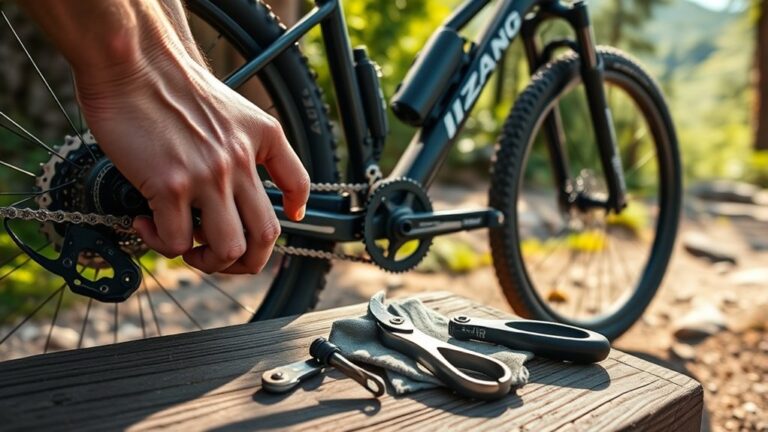
To keep your road bike’s gears shifting smoothly, regular maintenance is key. Start by cleaning your drivetrain — wipe down the chain, cassette, and derailleurs to remove dirt that causes wear and poor shifting.
Next, lubricate the chain with bike-specific lube. Apply it evenly and wipe off any excess to prevent attracting grime.
Check your cables often; frayed or stretched cables can make gear changes sluggish. Replace or adjust them as needed.
Inspect the derailleur alignment and tweak the limit screws to prevent the chain from dropping.
Finally, regularly look over your gear parts for signs of wear and replace anything that’s worn out.
Frequently Asked Questions
What Type of Lubricant Is Best for Road Bike Gears?
You’ll want to use a lightweight, wet lube that’s specifically designed for bike chains and gears. Wet lubes stick better in damp conditions, helping to reduce wear and noise.
Avoid heavy oils or grease because they tend to attract dirt and grime, which can clog up your gears. Just apply a small amount, wipe off the excess, and your shifting stays smooth.
Regular lubrication keeps your drivetrain running efficiently and helps you ride longer without any mechanical issues.
Can I Upgrade My Road Bike Gears Myself?
You can upgrade your road bike gears yourself, but it’s a mix of rewarding and challenging.
While swapping out derailleurs or cassettes isn’t impossible, it demands patience, the right tools, and some mechanical know-how.
If you’re comfortable tweaking cables and adjusting limits, go for it. Otherwise, a pro mechanic can save you from frustration and guarantee everything shifts smoothly.
Either way, upgrading brings a fresh ride vibe.
How Do Gear Ratios Affect My Cycling Speed?
Gear ratios directly impact your cycling speed by deciding how hard or easy it is to pedal at different speeds. A higher gear ratio means you’ll cover more distance with each pedal stroke, which is great for going fast on flat terrain.
Lower gear ratios make pedaling easier and help you climb hills without tiring yourself out. By choosing the right gear ratio for the terrain, you can control your speed and effort more efficiently.
Are Electronic Gear Shifters Better Than Mechanical Ones?
Yes, electronic gear shifters are often better because they offer faster and more precise shifts, with some systems shifting in under 100 milliseconds. You’ll enjoy smoother gear changes with less effort, especially on long rides or tough climbs.
Electronic shifting also reduces maintenance since there’s no cable stretch. However, they’re pricier and need batteries, so if you prefer simplicity and cost-effectiveness, mechanical shifters might still suit you better.
How Do Weather Conditions Impact Gear Performance?
Weather conditions can impact how well your gear works because dirt, water, and debris can build up in your drivetrain.
Rain and mud can cause your gears to slip or shift less smoothly, making riding less reliable. Cold temperatures might stiffen cables or lubricants, which can also affect performance.
To keep your shifting smooth and dependable, it’s a good idea to clean and lubricate your chain regularly, especially after riding in wet conditions.
Check your cables for any signs of wear or corrosion caused by the elements to avoid surprises on the road or trail.
Conclusion
So, now you’re basically a gear-shifting guru, ready to conquer hills without sounding like a rusty tractor. Just remember, mastering your road bike’s gears isn’t rocket science. It’s more like a dance between you and your bike’s shifters.
Shift smoothly, avoid the rookie mistakes, and keep up with maintenance unless you want your bike to audition for a creaky horror movie. Happy riding, gear ninja—you’ve got this!