Can You Put Gravel Tires on a Road Bike?
Are you tired of feeling limited by your road bike’s tires? Many riders wish they could switch to something more versatile without buying a whole new bike.
If you’re considering putting gravel tires on your road bike, you’re not alone—this is a common question among cycling enthusiasts looking to expand their riding options.
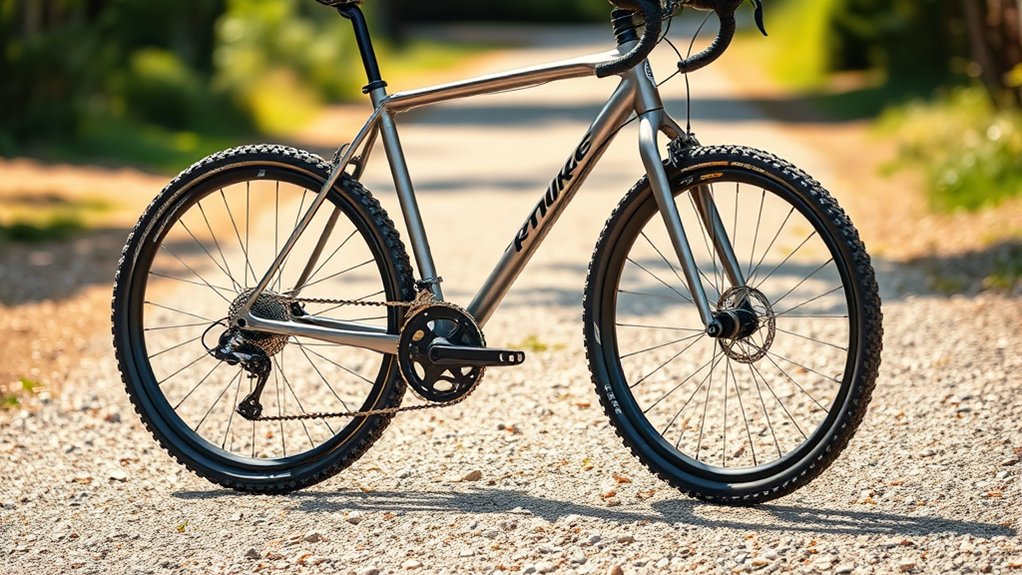
You can put gravel tires on a road bike, but you’ll need to check your bike’s frame and brake clearance first. Gravel tires are wider and have more tread than road tires, so they might not fit traditional road frames or caliper brakes without issues.
You’ll also want to match tire width with your rims and adjust tire pressure for comfort and performance. If you want to understand how these factors affect your ride and installation, keep exploring the details.
Key Takeaways
- Gravel tires are wider and have aggressive tread, which means your road bike needs enough space in the frame and fork to fit them.
- Most traditional road bikes only fit tires up to 28mm wide. So, trying to put wider gravel tires on them might not work without some modifications.
- If your road bike has disc brakes, you’ll have better clearance and more control when using wider gravel tires compared to bikes with caliper brakes.
- Keep in mind that wider gravel tires require lower pressure for comfort and better traction. But it’s important to match the tire width with your rim to avoid flats or damage.
- While gravel tires can slow you down a bit on smooth roads, they really shine on mixed or rough surfaces. They boost comfort and stability, making your ride smoother overall.
What Are Gravel Tires and How Do They Differ From Road Tires?
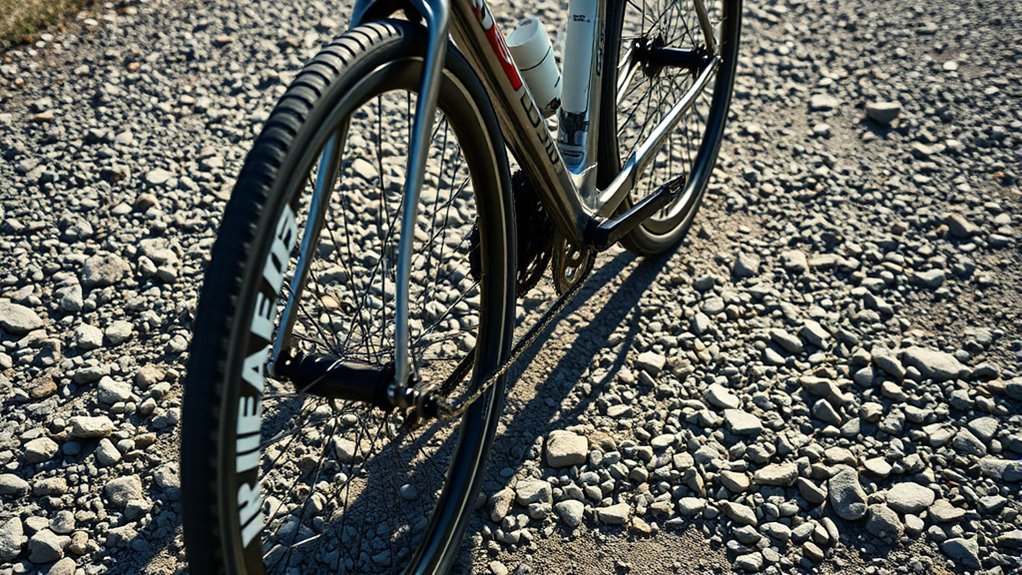
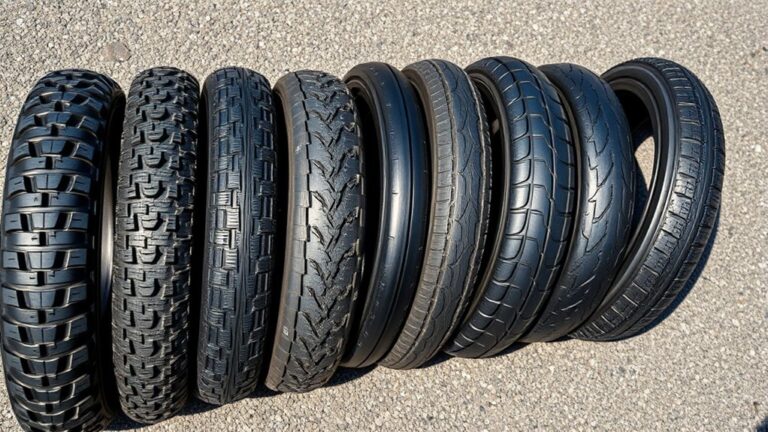
Gravel tires are designed specifically for mixed-terrain riding, offering a balance between grip and speed. When you compare them to road tires, you’ll notice they are wider, typically ranging from 35mm to 45mm, which gives you better stability on loose surfaces.
Their tread patterns are more aggressive, with knobs or siping that help you stay traction on dirt, gravel, or mud. Road tires, on the other hand, are narrower—usually 23mm to 28mm—and have a smooth surface to minimize rolling resistance on pavement.
This means road tires prioritize speed and efficiency, while gravel tires focus on control and comfort across varied terrain. If you plan to go beyond smooth roads, gravel tires can give you the confidence and versatility you need.
Can You Fit Gravel Tires on a Standard Road Bike?
How easily can you fit wider, more rugged tires onto a bike built for speed and narrow tires? It mainly depends on your bike’s frame and fork clearance.
Most standard road bikes are designed around slim tires, usually maxing out around 25 to 28 millimeters wide. If you want to install gravel tires, which are often 35 millimeters or wider, you’ll need to check the available space between the tire and the frame, brake calipers, and fork.
Some road bikes, especially endurance or adventure models, have enough clearance to handle slightly wider tires. But many traditional road frames simply won’t fit typical gravel tires without rubbing or safety issues.
How Tire Width Affects Compatibility With Road Bike Rims
When choosing gravel tires for your road bike, it’s important to consider how the tire width matches your rim width to ensure a secure fit.
Wider tires need wider rims for proper support and safe riding.
Also, keep in mind that as tire width increases, so does the recommended tire pressure, which can affect your comfort and performance.
Rim Width And Tire Fit
Because rim width directly influences tire fit, choosing the right tire size for your road bike needs careful thought. If the tire is too wide for the rim, handling can suffer, and there’s a risk of blowouts. On the other hand, a tire that’s too narrow might not seat properly, which could damage the rim.
Matching tire width to rim internal width ensures optimal performance and safety. Here’s a quick guide with recommended tire widths for common rim widths:
| Rim Internal Width (mm) | Minimum Tire Width (mm) | Maximum Tire Width (mm) |
|---|---|---|
| 15 | 23 | 28 |
| 17 | 25 | 32 |
| 19 | 28 | 35 |
Use this chart to pick tires that fit snugly and perform well on your road bike.
Optimal Tire Pressure Range
Although wider tires offer more comfort and traction, you’ll need to adjust your tire pressure to match their size and your rim’s specifications.
Wider gravel tires usually need lower pressure to perform well and prevent harsh rides. If you keep the pressure too high, your ride will be rougher, and traction can suffer.
On the other hand, too low pressure can cause pinch flats or rim damage. Your road bike rims, which are typically narrower, have recommended pressure ranges that might not suit very wide tires inflated to gravel standards.
To find the right balance, check your rim and tire manuals for pressure limits. Then, experiment within that range to see what works best for you.
This approach ensures safety, comfort, and efficient rolling, making your gravel tires compatible with your road bike’s rims.
Checking Tire Clearance on Your Road Bike
Start by measuring the space between your frame and fork to see what tire widths they can handle.
Don’t forget to check the clearance around your brakes, as wider tires might not fit properly.
Getting these measurements right guarantees your gravel tires will fit safely on your road bike.
Measuring Frame and Fork
To figure out if your road bike can handle gravel tires, you’ll need to measure the frame and fork for tire clearance.
Start by removing your current tires and measuring the width and height inside the fork where the tire sits.
Use a ruler or caliper to get accurate measurements between the fork blades and the frame stays near the rear wheel. Be sure to check the narrowest points, as these will limit your maximum tire size.
Don’t forget to leave some extra space to prevent rubbing when the tire flexes during riding. Record these measurements carefully, so you can choose gravel tires that fit well without causing damage or reducing performance.
This step helps you pick tires that work perfectly with your bike’s design and ensures a smooth ride.
Assessing Brake Clearance
How do you know if your brakes will clear wider gravel tires? First, identify your brake type—caliper, cantilever, or disc.
Caliper brakes often have limited clearance, so measure the space between the brake arms and the current tire. Use a ruler or caliper to check if there’s enough room for the wider tire without rubbing.
Cantilever brakes usually offer more clearance, but it’s still a good idea to measure the distance between the brake pads and the tire’s widest point.
If you have disc brakes, clearance is less of a concern because the braking surface isn’t near the tire. Always leave some extra space to account for tire flex and mud buildup.
This careful assessment helps ensure your wider gravel tires won’t interfere with safe braking.
What Brake Types Work Best With Gravel Tires on Road Bikes?
Although road bikes usually come with caliper brakes, switching to gravel tires means you should rethink your braking system for better performance and safety. Gravel tires need brakes with more clearance and improved modulation for rough terrain.
Disc brakes are now the go-to choice because they give consistent stopping power and handle wider tires easily. Mechanical rim brakes can work, but they might struggle in muddy or wet conditions.
Hydraulic disc brakes offer superior control but require more maintenance. Here’s a quick comparison:
| Brake Type | Tire Clearance | Performance on Gravel | Maintenance |
|---|---|---|---|
| Caliper | Limited | Moderate | Low |
| Mechanical Disc | Good | Good | Moderate |
| Hydraulic Disc | Excellent | Excellent | Higher |
| Mechanical Rim | Limited | Fair | Low |
| Cantilever | Moderate | Good | Moderate |
How Gravel Tires Impact Handling and Stability on Road Bikes
When you switch to gravel tires on your road bike, you’ll notice better traction on loose or uneven surfaces.
That extra grip can affect your steering precision, making handling feel a bit different.
Understanding these changes helps you ride more confidently across various terrains.
Traction on Different Surfaces
If you choose to fit gravel tires on your road bike, you’ll notice a big change in traction across different surfaces. Gravel tires have deeper treads and wider profiles, helping you grip loose dirt, gravel, and wet roads much better than slick road tires.
On rough or uneven terrain, this better traction boosts your confidence and stability, reducing the chances of slipping. Even on paved surfaces, gravel tires give you extra grip in wet conditions, making riding safer.
But on smooth, dry asphalt, the traction advantage isn’t as noticeable since road tires already perform well there. Overall, gravel tires make your bike more versatile, giving you more control when the pavement ends or the weather gets tricky.
That added grip is one main reason riders switch to gravel tires.
Impact on Steering Precision
Because gravel tires have wider profiles and more aggressive tread patterns, they change how your road bike handles, especially in steering precision. You’ll notice the bike feels less nimble when making quick turns or navigating tight corners.
The increased tire width adds more contact with the ground, which can dull the sharp responsiveness you’re used to on slick road tires. The tread pattern also slightly reduces smoothness on pavement, causing a subtle tug or drag during steering inputs.
While this trade-off improves stability on uneven surfaces, it means you’ll need to adjust your handling style on smooth roads. Overall, gravel tires give you more grip and control off-road but at the cost of some precision and quickness in steering during traditional road rides.
Will Gravel Tires Slow You Down on Pavement?
Although gravel tires are great for rough terrain, they can slow you down on smooth pavement. When you switch to gravel tires on your road bike, you might notice a slight drop in efficiency. Here’s why:
- Increased Rolling Resistance – Gravel tires usually have knobby or textured treads, which create more friction against the pavement than slick road tires.
- Heavier Weight – These tires tend to be bulkier and heavier, making it harder to maintain high speeds.
- Wider Profile – The wider tire increases aerodynamic drag, slowing you down compared to narrow road tires.
While gravel tires won’t completely ruin your pace, you’ll need to pedal a bit harder to keep your speed on smooth roads.
How Gravel Tires Affect Ride Comfort on Road Bikes
Two key factors make gravel tires noticeably more comfortable on road bikes compared to traditional slick tires. First, gravel tires usually have a wider profile, which allows you to run lower air pressure. This lower pressure helps absorb more road vibrations and smooths out rough pavement, making longer rides less tiring.
Second, many gravel tires come with tread patterns designed to improve traction and shock absorption. This helps you stay in control and ride more comfortably on uneven surfaces. When you switch to gravel tires, you’ll notice less harshness from cracks, potholes, and rough patches.
This extra cushioning not only protects your body but also improves bike handling, so you can ride more confidently. Overall, gravel tires can turn your road bike into a more forgiving and enjoyable ride for daily adventures.
Choosing the Right Gravel Tire Size for Your Road Bike
When choosing the right gravel tire size for your road bike, it’s important to consider both your bike’s clearance and your riding style. Not every tire size fits every frame, so take the time to measure your current clearance carefully. Think about the terrain you’ll mostly be riding on as well.
Here are three key points to keep in mind:
- Frame and Fork Clearance: Check the maximum tire width your frame and fork can handle without rubbing.
- Riding Terrain: If you plan to ride on rough, loose surfaces, go for wider tires (35mm or more). For smoother gravel or mixed roads, narrower tires (28-32mm) work better.
- Comfort vs. Speed: Wider tires give you more comfort and grip but might slow you down slightly. Decide what’s more important for your riding style.
When Are Gravel Tires a Better Choice Than Road Tires?
Why choose gravel tires over road tires? When you’re riding on rougher terrain, gravel tires give you better grip and are more resistant to punctures. They’re perfect if you want to explore dirt paths, uneven roads, or mixed surfaces without giving up comfort.
Gravel tires also offer extra cushioning because of their wider profile, which helps reduce fatigue on longer rides. They’re a great choice when your route includes unpredictable or rugged surfaces, making your ride safer and more comfortable.
| Terrain Type | Tire Advantage | Best Use Case |
|---|---|---|
| Smooth pavement | Low rolling resistance | Fast road rides |
| Gravel/dirt paths | Increased traction | Off-road exploration |
| Mixed surfaces | Versatile grip | Adventure rides |
| Rough roads | Better durability | Daily commuting |
Tools and Tips for Installing Gravel Tires on Road Bikes
Since gravel tires offer better grip and durability on rough surfaces, you might want to switch them onto your road bike for certain rides. Installing them is straightforward if you have the right tools and follow some key tips.
Gravel tires boost grip and durability on rough roads, making them a smart upgrade for select road rides.
First, make sure your rims can handle the wider tires. Then, gather essential tools to make the process smooth:
- Tire levers to help remove and install tires without damaging rims.
- A pump with a pressure gauge to inflate tires to the correct pressure.
- A patch kit just in case you find any punctures during installation.
Take your time seating the tire beads evenly to avoid pinch flats. With these tools and tips, you’ll be ready to enjoy your gravel tires in no time.
Maintaining Gravel Tires for Smooth Road Bike Performance
Keep your gravel tires in top shape to ensure your road bike performs smoothly and safely. Regularly check tire pressure; gravel tires often need lower pressure than road tires, but don’t go too low to avoid pinch flats.
Inspect the tread for embedded debris, cuts, or uneven wear. Remove anything that could cause punctures. After rides, especially on muddy or gravelly terrain, clean your tires to prevent damage and maintain grip.
Rotate your tires periodically to even out wear and extend their lifespan. When the tread wears thin or you notice frequent flats, it’s time to replace them.
Frequently Asked Questions
Can Gravel Tires Be Used in Wet or Muddy Conditions?
Yes, you can definitely use gravel tires in wet or muddy conditions. They’re built with deeper treads that help grip slippery surfaces better than slick road tires.
You’ll notice they shed mud more effectively, which helps prevent clogging and keeps your traction high. Just keep in mind that really heavy mud might still slow you down a bit, so cleaning your tires regularly is a good idea.
Do Gravel Tires Require Different Tire Pressure Than Road Tires?
Gravel tires like to take it a bit softer, so yes, they usually need lower tire pressure than road tires.
Reducing pressure gives you better grip and comfort on uneven surfaces, helping you glide over bumps instead of crashing through them.
But don’t go too low—too little air can cause pinch flats.
Experiment to find that sweet spot where your ride feels smooth but still efficient.
Are Gravel Tires More Durable Than Standard Road Tires?
Yes, gravel tires are generally more durable than standard road tires. They’re built to handle rougher terrain, so they have thicker casings and tougher rubber compounds.
This means you’ll get better puncture resistance and longer wear, especially if you ride on gravel, dirt, or uneven surfaces. But on smooth pavement, they might wear a bit faster because of their aggressive tread and harder rubber.
Choose tires based on your riding style and terrain to get the best performance.
How Do Gravel Tires Affect Bike Weight and Portability?
Gravel tires add a bit of armor to your bike, like putting on sturdy boots for a rocky trail. They’re usually heavier than slick road tires, so you’ll notice that extra weight when lifting or carrying your bike.
This can make portability a little more challenging, especially if you’re used to nimble road tires. Still, the trade-off means you’re ready for rougher paths without worrying about punctures or losing grip.
Can I Use Tubeless Gravel Tires on My Road Bike?
Yes, you can use tubeless gravel tires on your road bike, but first, check if your rims are tubeless-compatible. That’s key for a good fit and secure seal.
Tubeless setups can reduce flats and make your ride more comfortable, which is a big plus. Just keep in mind that gravel tires are usually wider and might need more clearance in your frame and forks.
Also, double-check that your brakes and gearing can handle the wider tires. If everything fits, upgrading to tubeless gravel tires can make your road bike more versatile and fun to ride.
Conclusion
You absolutely can put gravel tires on your road bike, and it’s like transforming your sleek racer into a fearless all-terrain beast! Just double-check clearance, rim compatibility, and brake fit, and you’re ready to conquer not only smooth pavement but dirt, gravel, and whatever else the trail throws at you.
Gravel tires don’t just change your ride—they innovate your whole biking experience, opening up adventures you never thought possible on a road bike.
Get ready to ride beyond limits with gravel tires on your road bike!