What Is a Dropper Post on a Mountain Bike?
Are you tired of stopping mid-ride just to adjust your saddle height? Many mountain bikers struggle with finding the perfect position on steep climbs or tricky descents. You’re not alone—having to dismount or awkwardly shift your seat can kill your momentum and ruin the flow of your ride.
A dropper post is a bike component that lets you easily change your saddle height while riding, using a handlebar lever. It helps you stay in control during descents by lowering your seat, and boosts efficiency for climbs by raising it.
There are mechanical and electronic types, both designed for quick adjustments.
If you want to know how to choose, install, or troubleshoot it, keep exploring for all the details you need.
Key Takeaways
- A dropper post lets you quickly change your saddle height while riding, using a handlebar lever.
- It’s great for improving control and safety. You can lower the saddle for downhill sections and raise it for climbs.
- Dropper posts come in two types: mechanical, which use cables, and electronic, which are motorized.
- Keeping your dropper post well-maintained is key. This helps it work smoothly and avoids problems like sticking or leaks.
- When choosing a dropper post, think about your riding style, if it’s compatible with your bike, and how much travel you need.
What Is a Dropper Post, and How Does It Work?
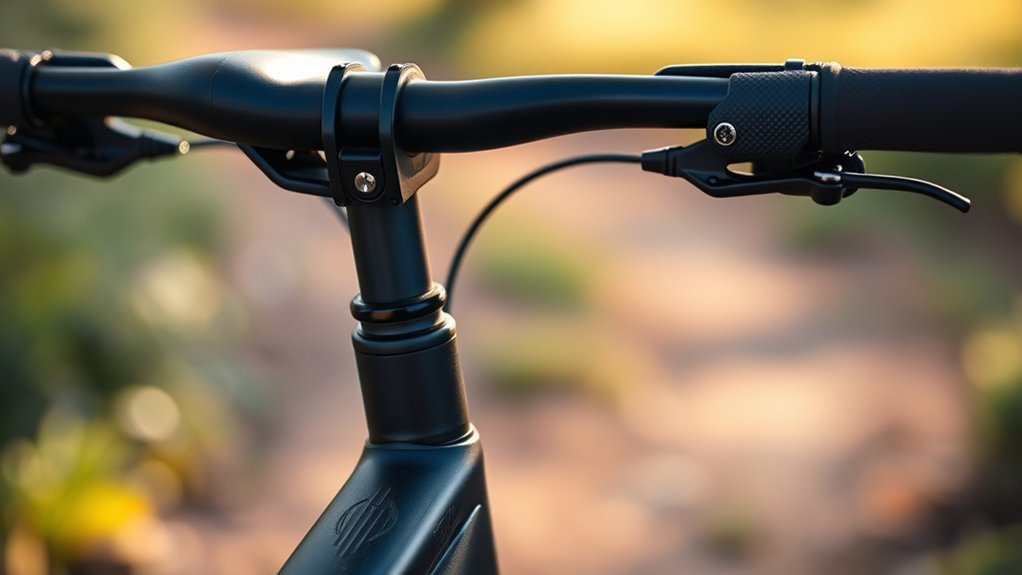
A dropper post is a special bike part that lets you quickly change your saddle height while riding. You control it with a handlebar-mounted lever.
When you activate the lever, the post moves the saddle up or down depending on what you need. This change happens instantly, so you can switch between a high position for climbing and a lower one for descending.
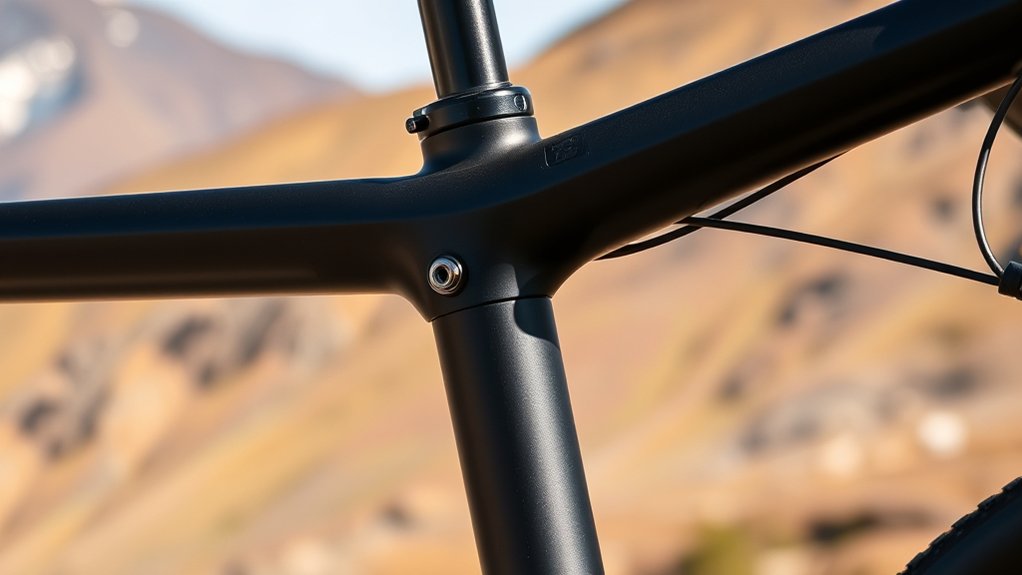
The dropper post is built into your seat tube and connects to the control mechanism. Most are lightweight but tough, offering smooth operation for reliable height adjustments.
Built into your seat tube, most dropper posts are lightweight, tough, and offer smooth, reliable height adjustments.
This feature helps you stay in control and maintain stability without stopping, making your ride safer and more efficient.
Benefits of Using a Dropper Post for Mountain Biking
Using a dropper post offers several key benefits that can greatly improve your mountain biking experience. It lets you quickly adjust your saddle height on the fly, giving you better control and confidence on different terrains.
When descending, lowering the saddle gives you more freedom of movement. This helps you stay balanced and react swiftly to obstacles. On climbs or tricky sections, raising the saddle ensures efficient pedaling and power transfer.
This versatility means you don’t have to stop and manually adjust your seat all the time. It saves you both time and effort. Plus, a dropper post boosts safety by helping you stay connected with your bike, especially at high speeds or during challenging descents.
Different Types of Dropper Posts: Mechanical and Electronic
Mechanical dropper posts use a cable and lever system to adjust height, making them simple and reliable.
Electronic dropper posts rely on a battery-powered motor for precise control, offering smoother operation.
Comparing the pros and cons of each helps you decide which type fits your riding style and maintenance preferences.
Mechanical Dropper Post Mechanics
Mechanical dropper posts work through a simple cable-and-remote system that lets you raise or lower your saddle quickly with just a push of a lever.
When you squeeze the lever, the cable pulls or relaxes, moving the post up or down. Inside, a spring or hydraulic system responds to this tension to make the saddle move smoothly.
This straightforward design makes maintenance easy and keeps things reliable.
| Component | Function | User Action |
|---|---|---|
| Lever | Sends cable tension to the post | Push to adjust height |
| Cable | Connects lever to post | Transmits force |
| Post Mechanism | Moves saddle up or down | Responds to cable tension |
| Spring/Hydraulic | Provides controlled movement | Ensures smooth operation |
| Saddle Clamp | Holds saddle securely | Adjusts saddle position |
Electronic Dropper Post Operation
Electronic dropper posts replace the traditional cable-and-lever system with a remote button or switch that sends an electrical signal to adjust the saddle height. When you press the button, an internal motor activates, smoothly raising or lowering your saddle without any physical effort.
This system offers quick, precise adjustments during rides, especially on technical terrain. Some key features include wireless or wired remote controls for easy access, fast response times for seamless saddle movement, and adjustable travel settings for a personalized fit.
They are battery-powered and require regular charging. Compatibility with various bike models and brands makes them versatile.
Because of their electronic nature, these posts eliminate cable stretch issues and provide more consistent performance. This gives you better control and confidence on challenging trails.
Pros and Cons Comparison
When choosing between dropper post types, understanding their advantages and drawbacks can help you make an informed decision. Mechanical dropper posts are simple, reliable, and often less expensive. They don’t require batteries, so you won’t worry about power loss, and maintenance is straightforward.
However, they can be slower to operate, with less precise control, and may require more effort to activate, especially at lower temperatures. Electronic dropper posts, on the other hand, offer smooth, quick, and precise actuation with the push of a button.
They’re convenient, especially during technical descents, but tend to be pricier, heavier, and dependent on batteries that need regular charging. Their complexity can also mean more maintenance and potential for electronic failure.
Your choice depends on your riding style, budget, and whether you prefer simplicity or advanced features.
How to Choose the Right Dropper Post for Your Riding Style
Are you selecting a dropper post that matches your riding style? To do this, think about how you ride most often. If you’re into aggressive downhill riding, look for a post with quick, reliable action and a wide travel range.
For cross-country or trail riding, lightweight models with moderate drop and smooth operation are ideal. If you often switch between seated and standing positions, choose a post with easy, intuitive controls.
Consider your bike’s compatibility, your budget, and how often you’ll use it. Keep in mind the travel length suitable for your terrain, ease of activation, and control type.
Balance weight and durability based on your riding needs. Make sure the dropper post fits your bike’s frame and fits within your budget for the best experience.
Installing Your Dropper Post Made Easy
Installing your dropper post might seem tricky at first, but with the right tools and a few simple steps, you can do it yourself confidently. Start by removing your seatpost and giving the seat tube a good clean.
Next, measure the inner diameter of your frame’s seat tube to pick the right size dropper post. Insert the post into the frame, making sure it slides in smoothly. Adjust the height so it feels comfortable for riding.
Secure the post by tightening the clamp or collar evenly to avoid any damage. Connect the remote lever of the dropper post to the hydraulic or cable system, following the manufacturer’s instructions.
Finally, test the post’s movement before heading out for your ride. With patience and attention to detail, you’ll have your dropper post installed and ready to boost your mountain biking experience.
Troubleshooting Common Dropper Post Problems
Even with proper installation, dropper post issues can still happen, but many problems are easy to troubleshoot. If your post won’t stay up or won’t go down, start by checking the air pressure. Low pressure can make the post sluggish.
Leaking seals might be the cause if you notice fluid or a loss of function. For inconsistent drops, clean and lubricate the stanchion and post to remove dirt and grime. If the remote isn’t responding, inspect the cable or wireless connection for damage or misalignment.
Finally, make sure all bolts and mounting hardware are tight. These simple checks can often fix common dropper post problems quickly.
Essential Maintenance Tips for Your Dropper Post
Regular maintenance is key to making sure your dropper post works smoothly and reliably during rides. Start by cleaning the post regularly, removing dirt and debris that can cause sticking or wear.
Lubricate the stanchion and moving parts with a lightweight, bike-specific lubricant to keep everything sliding effortlessly. Check the hydraulic fluid level if your dropper post is cable-actuated, and top it up if needed—use the manufacturer’s recommended fluid.
Inspect the cable and housing for signs of fraying or damage, replacing them if necessary. Tighten any loose bolts or fittings to prevent leaks or instability.
Finally, after cleaning and lubrication, test the dropper post’s movement to ensure it extends and retracts smoothly. Regular checks like these help keep your dropper post performing at its best.
When to Upgrade or Replace Your Dropper Post
Knowing when to upgrade or replace your dropper post is key to keeping it working smoothly and safely. If you notice persistent issues like sluggish movement, uneven extension, or trouble locking the seat in place, it’s a good sign it’s time for an upgrade.
You should also consider replacing your post if you see signs of corrosion, physical damage, or leaks that can’t be fixed. Worn seals, frequent air loss, or inconsistent height adjustments are clear indicators that your post isn’t performing well anymore.
Upgrading might also be necessary if your current post no longer fits your riding style or if newer models offer better reliability and features. Regularly check how your dropper post is functioning so you don’t wait until it fails.
Upgrade if your post no longer fits your riding style or has outdated features. Regular checks prevent failure.
Timely upgrades help ensure a smoother, safer ride, so keep an eye out for these signs.
Tips to Get the Most Out of Your Dropper Post
To get the best performance from your dropper post, make sure your seat height is set correctly for your riding style.
Use smooth, controlled movements and proper techniques to maximize its effectiveness.
Also, don’t forget to service the post regularly to keep it operating smoothly and reliably.
Maintain Proper Seat Height
Maintaining the correct seat height is key to getting the most out of your dropper post and enjoying a comfortable, efficient ride. When your seat is just right, you’ll have better control and less fatigue on different types of terrain.
To keep your seat at the right height, check and make small adjustments during rides. Always make sure your hips stay level while pedaling and your knees have a slight bend at the bottom of each pedal stroke.
Here are some tips to help you out:
- Adjust your seat height before rides to get the perfect position
- Use a quick-release lever for easy, quick adjustments
- Make small tweaks instead of big changes
- Check your seat height after rough terrain or falls
- Keep your height consistent for predictable handling
Having the right seat height keeps your ride smooth and safe.
Use Correct Riding Technique
Using your dropper post effectively requires good riding technique. Before hitting rough or technical sections, make it a habit to lower your seat for better control and maneuverability. Don’t wait until the last second to adjust; anticipate changes in terrain and smoothly activate the dropper.
When descending steep or technical trails, drop your seat early to shift your center of gravity back and improve stability. Conversely, raise it for climbing or flat sections to maximize pedaling efficiency. Keep your weight balanced and centered over the bike, adjusting your position as needed when the seat moves.
Practice these habits until they become second nature, so you get the full benefits of your dropper post without hesitation or awkward movements.
Regularly Service the Post
Keeping your dropper post in top condition guarantees smooth operation and reliable performance on every ride. Regular maintenance prevents issues like sticking or leaks, saving you time and frustration.
To keep it in peak shape, check and clean the post regularly. After muddy rides, make sure to clean the post to remove dirt and debris. Lubricate the stanchion and seals periodically to prevent dirt buildup and ensure smooth movement.
Tighten any loose bolts and inspect the post for signs of wear or damage. Replace worn-out cables or seals promptly to avoid performance drops. Check for leaks or fluid loss regularly, and replace damaged seals or cables as needed.
Frequently Asked Questions
How Long Does a Dropper Post Typically Last Before Replacement?
A dropper post usually lasts between 2 to 5 years before you need to replace it, depending on how often you ride and how well you take care of it.
You might need to swap it out sooner if you notice issues like slow movement, leaks, or trouble adjusting the height.
Regular cleaning and lubrication can help extend its lifespan, so keeping up with maintenance is a good idea.
Pay attention to how it performs and have a professional check it if you think something’s wrong.
Can a Dropper Post Be Installed on Any Mountain Bike Frame?
Ever wonder if your mountain bike frame can handle a dropper post? Most modern frames are compatible, especially those designed for dropper posts. But older or budget models might not have the internal routing or space needed.
You’ll need to check your frame’s specifications and maybe make some modifications. Consulting your bike’s manufacturer or a professional bike shop can ensure proper installation.
That way, you’ll be ready to ride confidently downhill.
What Safety Precautions Should I Follow When Adjusting a Dropper Post?
When adjusting a dropper post, always wear gloves to protect your hands and make sure the bike is on a stable surface.
Check the air pressure or saddle height before making any adjustments, and do so gradually to avoid surprises.
Avoid sudden or forceful movements, and double-check all bolts and settings afterward.
If you’re unsure, it’s best to consult the manufacturer’s instructions or ask a professional to prevent damage or injury.
Are There Specific Brands Known for More Durable Dropper Posts?
You’ll find that brands like RockShox, Fox, and KS are known for more durable dropper posts.
RockShox and Fox offer reliable performance with high-quality components, perfect for aggressive riding.
KS posts are also highly praised for their durability and smooth operation.
When choosing, consider your riding style and budget.
Keep in mind that investing in a reputable brand guarantees longevity, fewer repairs, and consistent performance on challenging terrains.
How Does Weather Affect the Performance of a Dropper Post?
Weather can really affect how your dropper post works. Cold temperatures might make the internal parts stiff or even freeze, making it harder to activate.
Rain and moisture can cause corrosion or water getting inside, which can mess with smooth operation. Hot weather can cause parts to expand or reduce how well the lubrication works.
To keep it running smoothly, make sure to clean, lubricate, and protect your dropper post regularly, especially in tough weather conditions.
Conclusion
A dropper post is your mountain bike’s secret weapon, allowing you to quickly switch riding positions as easily as flipping a switch. It’s a game-changer for tackling different terrains with confidence.
When you pick the right dropper post and keep it well-maintained, it becomes an extension of your riding style — much like a trusted partner guiding you through tough trails. Proper care makes all the difference.
With smart upgrades and regular maintenance, your dropper post will help you stay fluid downhill, like a leaf on a stream. It’s all about being ready for whatever adventure comes next.