How to Choose the Right Hybrid Bike Tires
Many hybrid bike riders struggle with finding the perfect tires that match their riding style and terrain. You’re not alone—choosing the right hybrid bike tires can feel overwhelming with so many options out there.
To choose the right hybrid bike tires, consider your riding style, terrain, and desired performance. Match your terrain with tread pattern and width—slicks for pavement, knobbies for trails, and moderate treads for mixed surfaces.
Confirm the tire size fits your bike and check durability and cost to find a good balance. Proper inflation and maintenance extend tire life, so stay attentive to wear and pressure.
Keep exploring for expert tips on selecting and maintaining the perfect tires for your rides.
Key Takeaways
– Match tire tread patterns and widths to your riding terrain, whether paved, mixed, or rough trails.
Choosing the right tire really depends on where you’ll be riding most.
Make sure the tire size and width fit your bike’s rims and frame specs.
It’s important to double-check these details so everything works smoothly.
Balance your budget with durability and longevity.
Pick between budget and premium tires based on how often and tough your rides are.
Think about the tire’s performance features, like grip, rolling resistance, and how easy they are to maintain.
These factors can make a big difference in your riding experience.
Finally, regularly inspect and maintain your tires.
This helps extend their lifespan and keeps you safe on every ride.
What Makes Hybrid Bike Tires Different From Other Types?
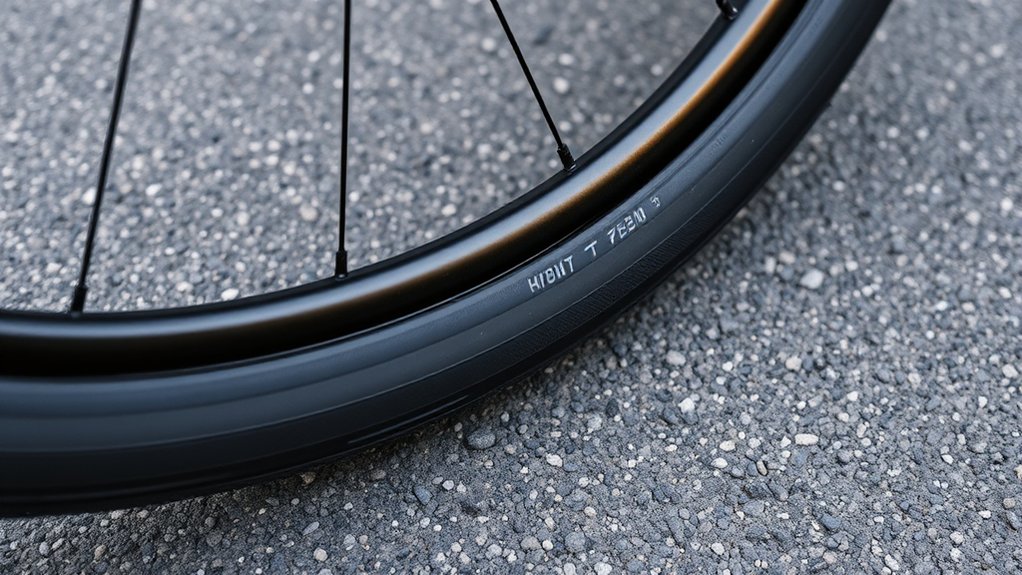
Hybrid bike tires are designed to find a middle ground between road performance and off-road toughness, making them stand out from other types. They have a tread pattern that’s less aggressive than mountain bike tires but more rugged than slick road tires.
This design lets you ride smoothly on paved roads while still handling gravel, dirt, or uneven paths with ease. The sidewalls are usually reinforced to boost durability and help prevent punctures or wear from rough terrain.
The rubber compound balances grip and longevity, so you won’t need to replace your tires as often. Unlike specialized tires, hybrid tires are versatile enough to perform well on different surfaces, giving you confidence no matter where you ride.
All this makes hybrid tires different from purely road or mountain bike tires, offering a mix of comfort, speed, and durability.
How to Match Your Riding Style and Terrain to Tire Choices?
Choosing the right tires starts with knowing your riding style and the terrain you’ll encounter most often. If you mostly ride on smooth roads or city streets, go for tires with a slick or minimal tread. They offer less rolling resistance and a smoother ride.
For mixed terrains, look for tires with moderate tread. They give you good grip on dirt or gravel while still being efficient on pavement. If your rides involve rough trails or off-road sections, pick tires with more aggressive treads to boost traction and durability.
Think about tire width too. Wider tires add stability and comfort on uneven surfaces, while narrower ones are faster on paved roads. Matching your riding habits with terrain helps you get the best performance, comfort, and safety every time you ride.
Choosing the Right Tread Pattern for Your Rides
The right tread pattern depends on the terrain you’ll ride most often, so think about whether you’ll be on smooth surfaces or rough trails.
Tread depth options influence how much grip and traction you get, especially on different types of terrain.
Terrain Compatibility
Selecting the right tread pattern is key because it directly affects your bike’s grip and stability on different terrains. If you mainly ride on paved roads, go for tires with smooth or minimal tread for better efficiency.
For mixed terrains, choose tires with moderate grooves that strike a balance between grip and speed. Off-road or rugged trails need tires with knobby patterns to dig into loose surfaces effectively.
Tread Depth Options
Understanding tread depth options is key because it directly affects your bike’s grip, traction, and overall performance on different surfaces.
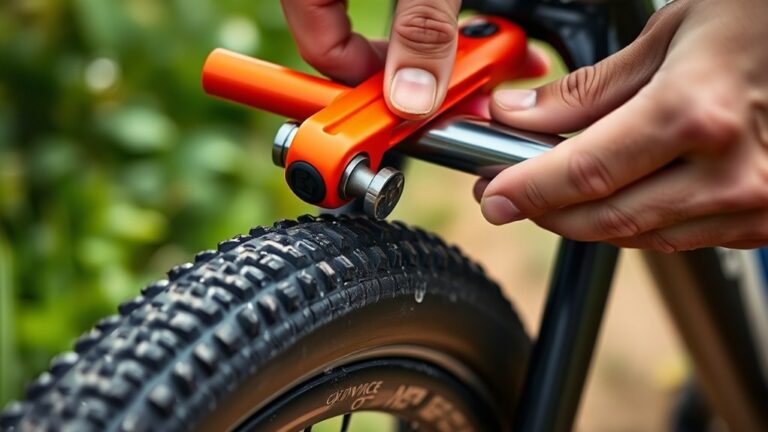
Thicker treads with deeper grooves are great for rough, loose, or uneven terrain, helping you stay stable and avoid slipping. They handle dirt, gravel, and muddy paths better, giving you a more confident ride.
On the other hand, tires with shallower treads tend to be smoother, which cuts down on rolling resistance and makes your ride more efficient on paved roads.
If you mainly ride on asphalt or city streets, a tire with lower tread depth offers less resistance and can help you go faster.
Choosing the right tread depth depends on where you ride most often and your riding style.
Balancing tread depth with your terrain will make sure you get the best performance and comfort out of your bike.
Grip and Traction
Choosing the right tread pattern is key to getting the best grip and traction on your rides. Your terrain and riding style will help you decide which pattern works best.
For smooth pavement, go for a tire with a slick or minimal tread. These tires reduce rolling resistance and help you go faster.
If you often ride on mixed surfaces or light off-road trails, pick tires with more pronounced, knobby patterns. They dig into loose or uneven ground, helping you stay in control and avoid slipping.
Keep in mind, deeper treads give better traction but can make pedaling harder on pavement. It’s all about balancing your needs—choose a tread pattern that offers enough grip for your usual terrain without sacrificing ride efficiency.
Choosing the right tread keeps you confident and safe no matter where you ride.
What Tire Width Is Best for Comfort and Performance?
With regard to tire width, finding the right balance can greatly influence both comfort and performance on your hybrid bike. Narrow tires, around 28mm, roll faster and are more efficient on paved surfaces but may offer less comfort on rough terrain.
Wider tires, 40mm or more, provide a smoother ride by absorbing bumps and vibrations. They’re ideal for mixed surfaces and longer rides.
The sweet spot usually falls between 32mm and 42mm, giving you a good mix of speed, comfort, and versatility. Consider your typical riding conditions and personal preferences when choosing.
If you prioritize speed on smooth roads, lean toward narrower tires. For comfort and stability on varied terrains, wider tires are the better choice.
Which Rubber Compounds Offer the Best Durability and Grip?
Regarding rubber compounds, choosing the right one can really impact how your tires perform over time. For durability, pick tires with a harder rubber compound that resists cuts, punctures, and wear better.
Keep in mind, harder compounds can reduce grip, especially in wet conditions. If grip is your main concern, softer rubber compounds are your best choice—they give you better traction and handling but tend to wear faster.
Many tires now use dual or multi-compound designs. They combine a hard outer layer for durability with a softer inner layer for grip. Think about your riding style and terrain when choosing.
If you ride often on rough or unpredictable surfaces, a durable compound will serve you well. But if speed and cornering are your priorities, go for compounds that enhance grip.
How to Ensure Compatibility Between Tires and Your Bike?
Making sure your tires are compatible with your bike is key for safe and smooth rides. You’ll want to match the tire size, type, and specs with your bike’s frame and rims.
Start by checking your bike’s sidewall or user manual for the recommended tire dimensions, usually listed as width and diameter, like 700x38c. Next, make sure the tire’s width fits within your rim’s accepted range.
Finally, confirm that the tire’s pressure ratings match your bike’s maximum and minimum pressure limits. This way, you’ll ensure everything works perfectly together for a safe ride.
- Match tire size with rim specifications
- Verify tire width fits within rim range
- Make sure pressure ratings are compatible with your bike
Tips for Proper Tire Inflation and Maintaining Optimal Pressure
Proper tire inflation is key to a safe and comfortable ride. Riding on underinflated or overinflated tires can cause poor handling, faster wear, and even flats.
Check your tire pressure regularly with a reliable gauge, ideally before each ride. Look at the recommended PSI printed on the tire sidewall and adjust based on your load and riding conditions.
Check tire pressure regularly with a reliable gauge and adjust according to load and conditions for optimal ride quality.
Underinflation reduces traction and makes flats more likely, while overinflation can lead to a harsh ride and quicker tire wear. Keep your tires evenly inflated for even tread wear and top performance.
Remember that temperature changes can affect tire pressure, so recheck and adjust as needed. Proper inflation improves efficiency, safety, and helps your tires last longer.
Budget vs. Premium Hybrid Tires: Which Is Right for You?
When choosing between budget and premium hybrid tires, you should consider the cost differences and the value they provide.
Durability and longevity can influence how often you’ll need to replace them, which impacts your overall expenses.
Performance and ride quality vary too, so think about what’s most important for your riding style and comfort.
Cost Differences and Value
Choosing between budget and premium hybrid tires often comes down to balancing cost and value. Budget tires are more affordable upfront but may need replacing sooner, which could lead to higher costs over time.
Premium tires cost more initially but usually offer better performance, comfort, and last longer. Think about these factors:
- Lower initial cost versus potentially more frequent replacements
- Better performance and ride quality with premium options
- Long-term savings through durability and fewer replacements
If you’re on a tight budget or only need tires for a short period, budget tires might be enough. But if you ride often or want a smoother, more comfortable ride, investing in premium tires can pay off.
Ultimately, your riding style, how often you ride, and your budget will help you decide which option gives you the best value.
Durability and Longevity
While budget tires may seem like a cost-effective choice initially, they often wear out faster and need replacing more frequently, which can add up over time. These tires typically use cheaper rubber compounds and simpler construction, making them less resistant to cuts, punctures, and general wear.
As a result, you might find yourself replacing them after only a few months of regular use. On the other hand, premium hybrid tires are built with higher-quality materials designed to last longer. They tend to resist wear better and withstand rougher conditions, saving you money in the long run.
While they cost more upfront, their durability means fewer replacements and less downtime. Choosing between budget and premium tires depends on how much you value longevity and how often you ride.
Performance and Ride Quality
Durability and longevity are important, but how a tire performs and feels during your ride can really impact your cycling experience. Budget tires often focus on affordability, which might mean less grip and a bumpier ride, especially on rough surfaces.
Premium tires usually provide better traction, smoother rolling, and improved handling, making your ride more comfortable and efficient. When choosing between them, think about factors like grip on different surfaces, comfort, and how the tire responds during cornering and braking.
While premium tires may cost more upfront, they can boost your ride quality and last longer if you ride often. Consider your riding style and terrain to find the right mix of performance and budget.
Final Tips for Maintaining and Replacing Your Hybrid Bike Tires
Maintaining and replacing your hybrid bike tires is key to ensuring a smooth and safe ride. Check your tire pressure regularly before each ride, keeping it within the recommended range for the best performance and to avoid punctures.
Inspect your tires for cuts, embedded debris, or uneven wear, and replace them if needed. Don’t ignore worn-out or cracked tires—they can lead to flats or accidents.
Check for cuts, debris, and wear; replace cracked tires to prevent flats and accidents.
When it’s time to replace tires, make sure you choose the right size and type that match your bike. Keep your tires clean and store your bike in a cool, dry place to help them last longer.
Proper maintenance not only extends your tires’ lifespan but also makes your rides more comfortable and secure every time you hit the road.
Frequently Asked Questions
How Do I Select Tires for Mixed Urban and Off-Road Riding?
You should select tires with a good mix of smooth treads for city riding and knobby edges for off-road adventures. Look for tires labeled “hybrid” or “all-terrain,” which are designed for versatility.
Choosing a slightly wider size can help you handle different surfaces more comfortably.
Also, consider tires with puncture resistance and durability, especially if you plan to tackle rougher trails.
This way, you can enjoy a smooth ride on city streets and reliable traction off-road without needing to switch tires.
What Are the Signs I Need to Replace My Hybrid Bike Tires?
You’ll notice your hybrid bike tires need replacing when the tread wears thin, exposing slick patches that make riding slippery.
If you see cracks, cuts, or bulges, it’s time for new tires—these weaken the rubber and increase the risk of flats.
Feeling a loss of grip or noticing frequent flats? Those are signs your tires can’t protect you anymore.
Regularly inspect your tires to keep your ride smooth and safe.
How Do Weather Conditions Affect Hybrid Bike Tire Selection?
Weather conditions play a big role in choosing your hybrid bike tires. If you’re riding in wet or rainy weather, go for tires with deeper treads and better grip to help prevent slipping.
In hot, dry conditions, lighter tires with less tread can boost your speed and efficiency. Cold temperatures might need tires made with specific rubber compounds to stay flexible.
Adjust your tire choice based on the season to stay safe and get the best performance out of your bike.
Can I Switch Between Different Tire Types Seasonally?
Yes, you can switch between different tire types seasonally. For example, if you ride in winter, you might swap out slick tires for treaded, knobby ones to handle snow and ice better.
This allows you to optimize traction and comfort throughout the year. Just verify your wheels are compatible with the new tires, and adjust pressures accordingly for safe, efficient riding in each season.
What Safety Features Should I Look for in Hybrid Bike Tires?
Look for tires with puncture-resistant layers, which help prevent flats and keep you safe on the road. Good traction is essential, so choose tires with a textured tread suitable for different terrains.
Reflective sidewalls improve visibility during low-light conditions, making you more noticeable and safer. Also, consider tires with reinforced sidewalls to withstand impacts and prevent blowouts.
Prioritizing these features makes your rides safer, more comfortable, and better suited to various riding environments.
Conclusion
Choosing the right hybrid bike tires balances your riding dreams with practical needs. While budget tires might save you money, premium options offer unmatched durability and grip.
It’s a reminder that sometimes, investing in quality fuels confidence and safety, turning every ride into an experience worth savoring. Don’t settle for just any tire—pick what truly enhances your journey.
Because every pedal stroke is an opportunity to feel alive, connected, and unstoppable. Selecting the right hybrid bike tires is key to making the most of every adventure.