How Much Does a Mountain Bike Weigh?
Many mountain biking enthusiasts struggle with choosing the right bike because weight can significantly impact your ride. If you’ve ever felt tired before even hitting the trail, you’re not alone. Understanding how much a mountain bike weighs can help you pick the perfect one for your needs.
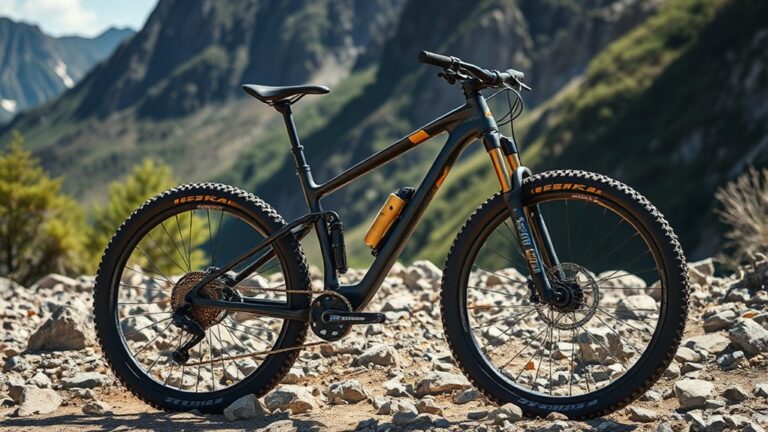
You’ll find most mountain bikes weigh between 25 and 35 pounds, depending on factors like frame material, suspension type, and wheel size. Hardtail bikes are usually lighter since they lack rear suspension, while full suspension adds extra weight but improves control on rough trails.
Materials like carbon fiber cut weight, while steel adds it. Tire thickness and components also play a role.
If you want to ride faster or climb easier, understanding these details can help you choose the right bike.
Key Takeaways
- Most mountain bikes weigh between 25 and 35 pounds (11 to 16 kilograms). This depends on the frame material and the components used.
- Hardtail bikes are generally lighter than full suspension models because they don’t have rear suspension parts.
- Aluminum frames usually fall in the mid-20s to low-30s pounds range, while carbon fiber frames are lighter but tend to cost more.
- Wheel size and tire thickness also play a big role in weight. For example, 26-inch wheels are lighter than 29-inch ones.
- Your bike’s weight can really affect how it performs on the trail. Lighter bikes are better for acceleration and climbing, while heavier bikes give you more control when going downhill.
How Much Does a Mountain Bike Weigh?
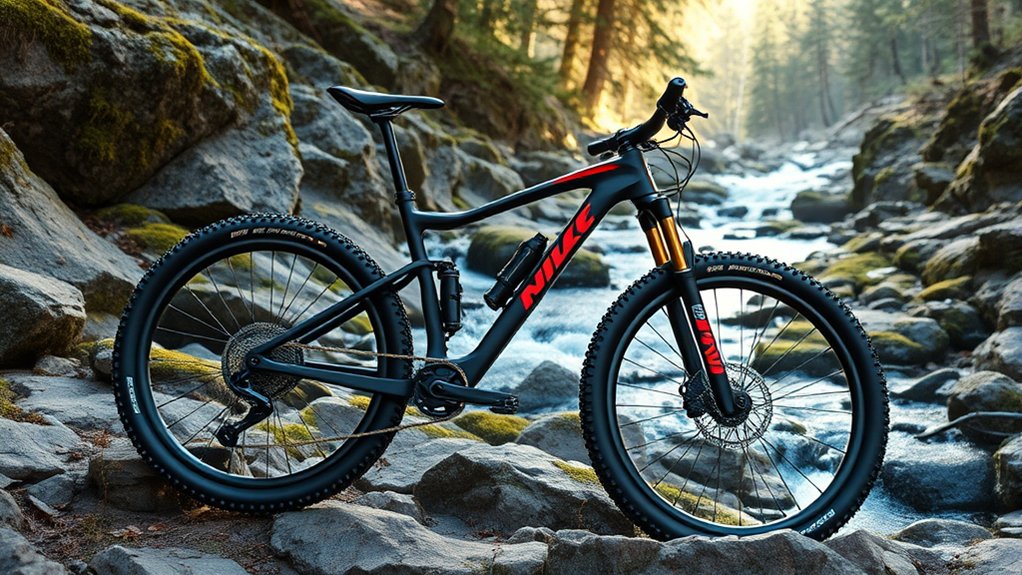
How much does a mountain bike weigh? Typically, most mountain bikes weigh between 25 and 35 pounds (11 to 16 kilograms). The weight depends on factors like frame material, components, and size.
Aluminum frames are common and offer a good balance of weight and durability, usually placing the bike in the mid-20s to low-30s range. Carbon fiber frames can make the bike lighter, closer to the mid-20s or even below, but they tend to be more expensive.
Steel frames are usually heavier, often pushing the weight above 30 pounds. Keep in mind that tires, wheels, and accessories also add to the overall weight. Knowing your bike’s weight can help you get a sense of how it will handle trails and climbs.
Mountain Bike Weight Differences: Hardtail vs Full Suspension
Although both hardtail and full suspension mountain bikes serve different riding styles, their weight differences play a big role in performance. Hardtail bikes usually weigh less because they have a simpler frame without rear suspension. This lighter weight makes them more efficient for climbing and faster on smooth trails.
On the other hand, full suspension bikes have extra parts like rear shocks and linkages, which add weight. But this extra weight helps with comfort and control on rough, technical terrain by absorbing impacts.
When choosing between the two, think about how important weight is for your riding style. If you want speed and efficiency, a lighter hardtail might be better. But if comfort and handling on rough trails matter more, you might go for a full suspension bike even if it’s a bit heavier.
Key Factors That Affect Mountain Bike Weight
Since mountain bikes come in many styles and designs, several key factors influence their overall weight. You’ll notice that components like wheels, tires, and braking systems play a big role.
Lightweight wheels reduce rotational mass, making the bike easier to handle. Tires vary in thickness and tread, which affects both weight and performance.
Brakes, whether disc or rim, have different weights too. Suspension components add weight depending on their complexity and travel.
Your choice of drivetrain also matters; simpler setups often weigh less. Even smaller parts like handlebars, seat posts, and pedals contribute to the total.
Keep in mind, accessories and protective gear add weight as well. Understanding these factors helps you choose a bike that balances weight with performance for your riding style.
How Frame Materials Influence Mountain Bike Weight
When you pick a mountain bike, the frame material directly impacts its weight and performance. Different materials shift the balance between durability, weight, and cost, so choosing wisely matters.
Here’s how common materials influence your ride:
- Aluminum: Lightweight and affordable, it offers a good strength-to-weight ratio but can feel stiff.
- Carbon Fiber: Extremely light and strong, it absorbs trail vibrations well but comes at a high price.
- Steel: Heavier but very durable, providing a smooth ride and easy repairs.
- Titanium: Combines lightness and durability, offering comfort and longevity, though it’s typically the most expensive option.
Understanding these materials helps you pick a bike that meets your weight needs and riding style perfectly.
The Impact of Wheel Size and Tires on Bike Weight
You’ll notice that wheel size can add or shave off quite a bit of weight from your mountain bike. Bigger wheels tend to be heavier, but they can also roll over obstacles more easily.
The type of tires you choose also makes a big difference, especially when comparing tubeless options to traditional tubed tires. Tubeless tires usually save weight and reduce flats, which is a win for many riders.
Understanding these differences helps you pick the setup that best suits your riding style and weight preferences. It’s all about finding the right balance for your needs.
Wheel Size Weight Differences
Mountain bike wheel sizes directly influence the overall weight of your bike. Common options include 26, 27.5, and 29 inches. Larger wheels typically add weight because they need more material for rims and spokes.
When choosing a wheel size, you’re balancing weight with ride characteristics like momentum and obstacle clearance.
Here’s how wheel sizes affect weight:
- 26-inch wheels are generally lighter, making your bike more nimble.
- 27.5-inch wheels add moderate weight but improve stability.
- 29-inch wheels increase weight due to larger rims but offer better roll-over ability.
- Heavier wheels can impact acceleration and climbing efficiency.
Knowing these differences helps you pick a wheel size that matches your riding style and weight preferences.
Tire Type Weight Impact
Wheel size plays a big role in bike weight, but the type of tire you choose also makes a noticeable difference. Tires vary in width, tread pattern, and casing thickness, all of which impact their weight.
Wider tires tend to weigh more because they require more rubber and a larger casing. Aggressive tread patterns, designed for better grip, add weight compared to smoother tires meant for speed.
Tires with reinforced sidewalls or puncture protection layers weigh more but offer increased durability. When selecting tires, think about how much weight you’re willing to add versus the performance benefits.
Lighter tires improve acceleration and climbing, while heavier ones may provide better traction and durability. Balancing these factors helps you optimize your bike’s overall weight and ride quality.
Tubeless Vs. Tubed Tires
How much difference can choosing tubeless over tubed tires make to your bike’s weight? Tubeless tires usually weigh less because they don’t have an inner tube, which lowers the overall rotational weight. This can make your bike feel snappier during acceleration and help with traction.
But keep in mind, switching to tubeless requires compatible rims and sealant, which can add a little weight back.
Here are some things to consider:
- Tubeless tires can cut about 100-200 grams per wheel.
- They help prevent flats caused by pinch punctures, making rides more reliable.
- Tubed tires are easier to install and maintain, especially if you’re a beginner.
- Sealant inside tubeless tires adds a tiny bit of weight but can heal small punctures on its own.
In the end, going tubeless can reduce your bike’s weight and improve ride quality if you’re ready for the setup process.
Which Components and Accessories Add the Most Weight?
You’ll notice that the frame material plays a big role in your bike’s overall weight. Tires and wheels also add significant pounds, especially if they’re heavier models.
Plus, don’t forget how extra gear and accessories can quickly tip the scales.
Frame Material Impact
Three key components greatly influence a mountain bike’s overall weight: the frame material, tires, and drivetrain. The frame material sets the foundation for how heavy or light your bike feels. Aluminum frames are common and offer a good balance of weight and durability. Carbon fiber frames are lighter but come at a higher cost. Steel frames add durability but weigh more, while titanium offers strength and lightness but is pricey.
Consider these frame material impacts:
- Aluminum: Affordable, moderately light, durable
- Carbon Fiber: Ultra-light, expensive, less impact-resistant
- Steel: Heavy, durable, smooth ride quality
- Titanium: Lightweight, strong, and costly
Your choice here shapes the bike’s entire weight profile.
Tire and Wheel Weight
Tires and wheels can add quite a bit of weight to your mountain bike, often more than you’d expect. Your choice of tire size, tread pattern, and casing thickness directly affects how much they weigh.
Heavier tires with aggressive treads give better traction but also add bulk. Wheels also matter a lot; rims made from heavier alloys weigh more than lightweight carbon ones.
Spokes, hubs, and rim width all influence the overall weight too. Going tubeless can save some weight by skipping inner tubes, but you’ll need sealant, which adds a little back.
When you upgrade, swapping to lighter wheels and tires can make a noticeable difference in your bike’s weight. This improves acceleration and handling.
Additional Gear Influence
Several key components and accessories can significantly impact your mountain bike’s overall weight. When you add extra gear, it quickly adds up, affecting how your bike handles and performs. Knowing which parts are the heaviest helps you make smarter choices.
Here are some of the biggest weight contributors to keep in mind:
- Suspension components: Heavier forks and shocks can add several pounds.
- Brakes: Hydraulic disc brakes tend to weigh more than mechanical ones.
- Drivetrain parts: Extra chainrings and heavy cassettes increase weight.
- Accessories: Saddlebags, water bottle cages, and dropper posts all add extra pounds.
Why Mountain Bike Weight Matters for Trail Performance
When you’re riding rugged trails, the weight of your mountain bike really impacts how easily you can accelerate, climb, and maneuver. A lighter bike lets you respond quickly to sudden changes in terrain, giving you better control and confidence.
It also helps reduce fatigue, so you can keep riding longer without feeling drained. Heavier bikes can slow you down and make tight turns more challenging, affecting your overall trail experience.
While weight isn’t the only thing that matters, it plays a big role in your ability to stay at speed and handle tricky sections smoothly. Picking a bike with the right weight helps you enjoy your ride more and focus on the trail instead of fighting your equipment.
How Weight Affects Climbing and Descending
When you’re climbing, a lighter bike makes it easier to pedal uphill and conserve energy.
On descents, weight affects how much control you have over your bike’s stability and speed.
Understanding these impacts helps you choose the right bike for your riding style.
Impact On Climbing Efficiency
Although a lighter mountain bike can make climbing feel easier, the actual impact of weight on your climbing efficiency depends on several factors, including your strength, technique, and trail conditions. You might notice that shedding a few pounds helps on steep, long climbs by reducing the effort needed to lift your bike uphill. However, on shorter or less intense climbs, technique and power output often play a bigger role.
Consider these points:
- Your pedaling technique influences how efficiently you convert energy uphill.
- Trail surface affects traction and rolling resistance, impacting effort.
- Rider fitness and endurance determine how well you sustain power.
- Bike geometry and suspension setup can affect climbing posture and comfort.
Weight matters, but it’s just one piece of the climbing puzzle.
Influence On Descending Control
Even though a lighter bike makes climbing easier, extra weight can boost your control when descending. The added mass helps keep your wheels firmly planted, giving you better traction on tough, steep trails. It also helps stabilize your ride, making sharp turns and sudden drops easier to handle.
While you might worry about the extra effort uphill, the confidence you gain downhill often makes it worth it. Choosing the right bike weight can really shape how safe and exciting your ride feels.
Tips to Reduce Your Mountain Bike’s Weight
Reducing your mountain bike’s weight can really boost your performance and handling on the trails. You don’t need to do a full overhaul to shed some pounds; small, smart changes can make a big difference.
Cutting weight on your mountain bike boosts trail performance without a full overhaul—small changes matter.
Focus on components that strike a balance between durability and lightness without sacrificing safety. Here are some easy tips to help you lighten up:
Swap heavy tires for lighter, high-quality options suited for your terrain. It’s a simple way to cut weight and improve grip.
Replace your stock pedals with lightweight ones made from aluminum or carbon fiber. It’s a quick upgrade that can save some ounces.
Opt for a minimalist saddle designed for comfort and reduced mass. It’ll help you move freely without adding unnecessary weight.
Using tubeless tires eliminates the need for inner tubes, cutting weight and reducing flats. Plus, they often provide better ride quality.
Making these changes lets you enjoy a more responsive ride without spending a lot or risking reliability.
Picking the Best Bike Weight for Your Riding Style
Lightening your mountain bike can boost your performance, but the perfect weight depends on how and where you ride. If you tackle steep climbs and technical trails, a lighter bike helps you go faster and maneuver more easily.
But if you ride aggressively on rough terrain or downhill courses, durability and stability often matter more than shedding pounds. Heavier bikes with strong frames and suspension absorb shocks better, giving you more control.
Think about how often and far you ride. Lighter bikes can help reduce fatigue on long trips. Ultimately, find a balance between weight and strength based on your riding style.
Don’t chase ultra-light setups if it compromises safety or comfort. Pick a bike weight that fits your trails and goals so you can enjoy every ride without unnecessary strain or risk.
Frequently Asked Questions
How Often Should I Service My Mountain Bike?
You should service your mountain bike at least once every six months if you ride regularly.
After every few rides, give it a quick check — clean the drivetrain, inspect brakes, and tighten bolts.
If you often ride in muddy or wet conditions, service it more often to prevent wear and tear.
Regular maintenance keeps your bike running smoothly and helps you avoid costly repairs down the road.
What Safety Gear Is Essential for Mountain Biking?
You should always wear a helmet to protect your head. Gloves help improve grip and shield your hands from scrapes.
Knee and elbow pads are essential for preventing injuries if you fall. Don’t forget protective eyewear to keep debris and branches out of your eyes.
Depending on the trail, you might want to wear body armor or a chest protector for extra safety. Proper shoes with good traction are also important to stay stable on your pedals.
How Do I Choose the Right Mountain Bike Size?
Choosing the right mountain bike size is about balancing comfort and control, not just picking the biggest or smallest frame.
You’ll want to measure your inseam and compare it to the bike’s frame size. If the bike is too big, handling tight trails can be tough; if it’s too small, you won’t have enough power.
Try test riding different models to see what feels natural. Remember, a proper fit boosts your confidence and keeps you riding longer.
What Are Common Mountain Bike Maintenance Tips?
You should regularly clean your mountain bike to prevent dirt buildup, especially around the drivetrain and suspension. Check tire pressure before every ride to avoid flats and improve handling.
Lubricate the chain often to keep it running smoothly. Inspect brake pads and cables for wear, and tighten bolts to keep everything secure.
Don’t forget to check your suspension settings and adjust them based on the terrain. Staying on top of these tips keeps your bike safe and performing well.
How Do Weather Conditions Affect Mountain Biking?
Did you know wet trails increase your chance of slipping by over 30%? Weather conditions can really change the game by affecting trail grip, visibility, and how comfortable you feel.
Rain can make trails muddy and super slippery, while heat can lead to dehydration and fatigue. So, you’ll want to adjust your speed, tire pressure, and gear based on the weather.
Staying aware of the forecast helps you ride safer and enjoy the wild terrain more, no matter what’s happening overhead.
Conclusion
Now that you know how much a mountain bike weighs and what affects it, you can pick the perfect ride for your adventures. Whether you like a nimble hardtail or a plush full suspension, remember that lighter isn’t always better. It’s about what fits your style best.
Think of it like a knight choosing armor—find the right balance to conquer trails with ease. Keep these tips in mind, and you’ll be shredding like it’s the Renaissance all over again. Knowing the weight of a mountain bike helps you make smarter choices for your rides.