Top 10 Lightest Road Bikes for 2026
Many cyclists dream of going faster and climbing hills with less effort, but finding a truly lightweight road bike can feel overwhelming. You’re not alone—many people struggle with choosing the right bike that’s both light and durable.
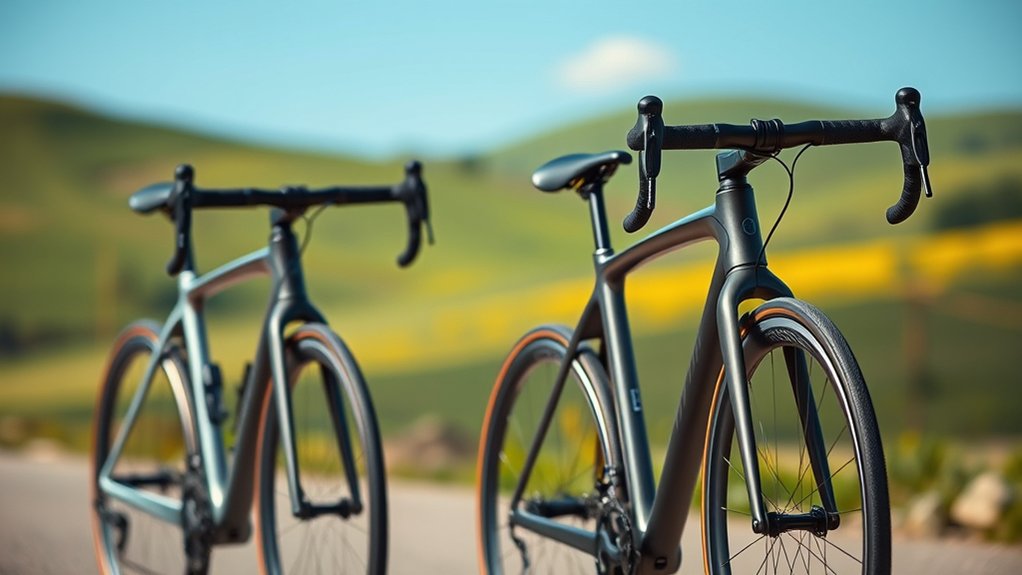
In 2026, the lightest road bikes are made from advanced materials like carbon fiber, titanium, and innovative composites, designed with aerodynamic and minimalist frames. Brands like Bianchi and Pinarello lead the pack, offering models that balance weight, stiffness, and performance based on your riding style.
With features focused on handling, aerodynamics, and durability, choosing the right bike can boost your speed and climbing ability.
Keep exploring to see which models top the list and how they can enhance your rides.
Key Takeaways
- Focus on bikes with carbon fiber frames and lightweight components, such as groupsets and wheels, for optimal weight savings.
- Prioritize brands known for innovative, lightweight designs like Pinarello and Bianchi.
- Consider frame geometry and material placement to maximize stiffness while minimizing weight.
- Include models with emerging materials, like graphene composites, for cutting-edge lightweight performance.
- Review detailed specifications and rider reviews to assess real-world weight and handling efficiency.
What Makes a Road Bike Lightweight and Why It Matters
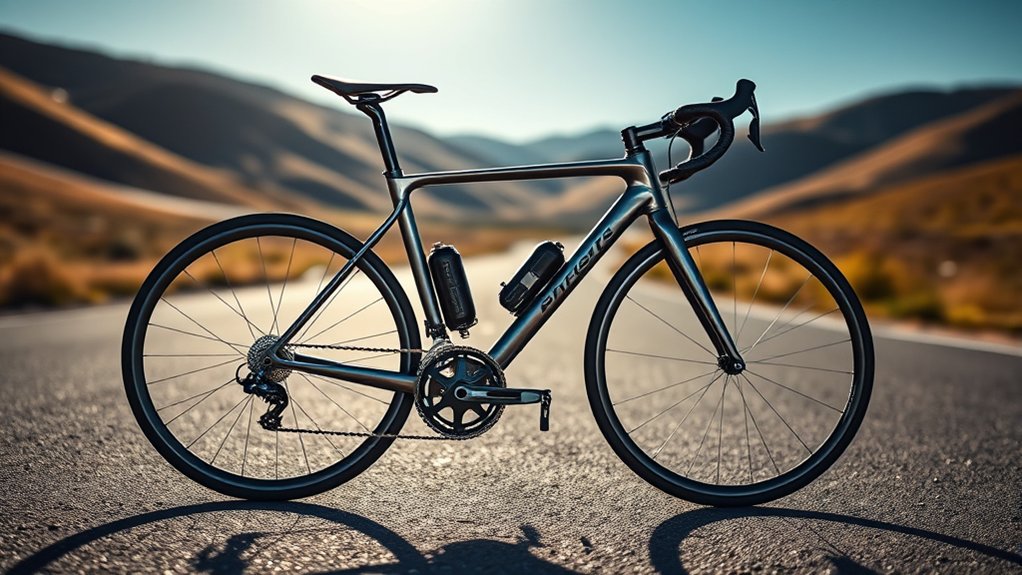
A lightweight road bike is designed to be as easy to accelerate, climb, and maneuver as possible, which is why weight matters so much. When your bike weighs less, you’ll find it easier to climb steep hills and accelerate quickly, giving you an edge in races or challenging rides.
Lighter bikes also handle better, providing more responsive steering and agility, especially through tight corners or technical sections. Reducing weight means less effort for you, conserving energy on long rides and allowing for faster speeds with less fatigue.
Every extra pound can slow you down or make riding less comfortable, so manufacturers focus on minimizing weight without sacrificing strength or durability. Ultimately, a lightweight bike improves your performance and enjoyment on every ride.
Top Materials for Lightweight Road Bikes in 2026
As technology advances, the top materials used in 2026 for lightweight road bikes keep evolving, blending strength with minimal weight to boost performance. Carbon fiber remains the go-to choice, offering an excellent strength-to-weight ratio and damping vibrations for a smoother ride.
Advancing materials in 2026 enhance bike performance with lighter, stronger, and smoother-riding frames.
Innovations in carbon layup techniques are making frames even lighter without sacrificing durability. Titanium is also gaining popularity, providing a unique mix of strength, corrosion resistance, and a slightly softer ride.
Advanced aluminum alloys, like the 7000 series, are being engineered to cut weight while maintaining stiffness. Plus, emerging composites, such as graphene-enhanced materials, promise even lighter frames with better durability.
These cutting-edge materials help you maximize speed, efficiency, and comfort, ensuring your bike stays competitive in 2026’s high-performance landscape.
How Frame Design Affects Bike Weight and Performance
Innovative frame designs can greatly influence both the weight and performance of a road bike. A well-designed frame reduces unnecessary material without sacrificing strength, making the bike lighter and easier to handle.
The geometry impacts aerodynamics and rider comfort, which in turn affect speed and endurance. Materials placement and tube shapes can optimize stiffness for better power transfer and flexibility for comfort.
You’ll find that tapered tubes improve aerodynamics and strength. Hollow sections help reduce weight while still being durable. Compact geometries make the bike more maneuverable.
Strategic tube shaping boosts the stiffness-to-weight ratio, and integrating components helps minimize excess weight.
Key Features to Consider in the Lightest Road Bikes of 2026
When choosing the lightest road bike of 2026, focusing on key features can really boost your performance and comfort. First, look at the materials—carbon fiber frames are the go-to for lightweight bikes because they’re strong without adding weight.
Next, check the components. High-quality, lightweight groupsets and wheels can save grams and make your ride more efficient. The bike’s geometry also matters, as it affects handling and comfort, especially on long rides.
Pay attention to minimalistic design features that cut down unnecessary weight, like streamlined seat posts and narrow tubing. Lastly, consider the bike’s overall build quality and durability—being lightweight shouldn’t mean sacrificing longevity.
Focusing on these features will help you find a bike that’s fast, responsive, and fits your riding style perfectly.
Aerodynamics vs. Weight: Which Matters More for Your Ride?
Have you ever wondered whether aerodynamics or weight makes a bigger difference during your ride? The truth is, it really depends on your riding style and terrain.
If you’re racing or riding at high speeds, aerodynamics can greatly reduce drag, helping you go faster with less effort. On the flip side, a lighter bike makes climbing hills easier and accelerates quicker.
Consider these factors:
- Aerodynamic frames cut through air better, boosting speed
- Lighter bikes improve handling on climbs
- Wind resistance becomes critical at higher speeds
- Heavier bikes excel in stability on rough roads
- Your riding terrain influences which factor matters more
Ultimately, balancing aerodynamics and weight based on your specific needs will give you the best ride. Neither is universally more important; it’s about what suits your riding style best.
Best Brands for Lightweight Road Bikes in 2026
You’ll want to evaluate brands with strong legacies that have consistently pushed the boundaries of lightweight design.
Look for companies that use innovative materials to reduce weight without sacrificing strength, and pay attention to those earning industry awards for their advancements.
These brands are leading the way in creating the best lightweight road bikes for 2026.
Renowned Brand Legacies
Top brands have long set the standard for lightweight road bikes, blending innovation with legacy to deliver superior performance. These brands have built their reputation through decades of research, quality craftsmanship, and consistent results.
When choosing a bike, you benefit from their experience and commitment to excellence. Renowned brands like Trek, Specialized, Cannondale, Bianchi, and Colnago have shaped the industry with their pioneering designs and reliable engineering.
Their histories are filled with technological breakthroughs and racing victories that set benchmarks. These legacies ensure you get a bike built with precision and tested under demanding conditions.
Trusting these brands means you’re investing in a combination of tradition and cutting-edge advancements that keep you ahead in the cycling world. They have decades of innovation and racing success, supported by extensive research and development.
Their commitment to quality craftsmanship and pioneering lightweight design breakthroughs is unmatched. These brands also enjoy a strong global reputation and a loyal following.
Innovative Material Use
In 2026, the top lightweight road bikes really stand out because of their innovative use of advanced materials. Brands are pushing boundaries by blending cutting-edge composites and alloys to cut weight without losing strength.
Carbon fiber still dominates, but new formulas like nano-engineered fibers boost durability. Titanium is popular for frames and components thanks to its high strength-to-weight ratio.
Some brands are experimenting with graphene-infused materials, which offer increased stiffness and flexibility. The table below highlights the key materials used:
| Material | Benefits | Brands Utilizing It |
|---|---|---|
| Carbon Fiber | Light, stiff, durable | Trek, Specialized |
| Titanium | Strong, corrosion-resistant | Colnago, De Rosa |
| Graphene-infused | Enhanced strength, flexibility | Orbea, BMC |
| Nano-composites | Increased durability | Pinarello, Canyon |
| Aluminum Alloys | Cost-effective, lightweight | Giant, Cannondale |
Industry Award Winners
In 2026, several brands shine for their innovative lightweight road bikes, earning recognition through prestigious industry awards. These accolades show which companies are pushing the limits in design and performance.
With these wins, you can expect top-tier craftsmanship and cutting-edge tech from these brands. They’ve been praised for balancing weight, durability, and aerodynamics, making them perfect for serious riders.
The award winners include:
- Canyon for their ultra-lightweight aerodynamic frame
- Specialized for innovative use of carbon fiber composites
- Trek for advanced integration of weight-saving components
- Bianchi for classic Italian craftsmanship with modern tech
- Pinarello for groundbreaking design and performance
Choosing bikes from these brands means investing in the best lightweight road bike tech of 2026.
How to Choose the Right Lightweight Road Bike for Your Riding Style
Choosing the right lightweight road bike starts with understanding your riding style and the terrain you’ll encounter most often.
If you’re into long-distance rides on smooth pavement, look for bikes with aerodynamic design and comfortable geometry.
For aggressive racing, focus on models with stiff frames for better power transfer and lightweight components.
If you prefer mixed terrains or hilly routes, go for bikes with versatile gearing and durable builds.
Think about your riding position: a more aggressive stance boosts speed, while a relaxed position offers more comfort.
Consider how often you ride and your goals—whether you’re racing, commuting, or training.
Matching your bike’s features to your needs will give you better performance, comfort, and motivation every time you hit the road.
Tips for Maintaining and Optimizing Your Lightweight Bike
To keep your lightweight bike performing its best, it’s important to stay on top of regular cleaning and lubrication. A quick wipe-down after rides and proper oiling can go a long way in maintaining smooth operation.
Make sure your tires are inflated to the right levels for a comfortable, efficient ride. Check your components periodically for any signs of wear or damage so you can catch issues early.
Staying proactive with these simple maintenance tips will help your bike stay light, fast, and reliable. A little regular care keeps everything running smoothly and can even extend the life of your bike.
Regular Cleaning and Lubrication
Regular cleaning and lubrication are essential for keeping your lightweight road bike performing at its best. Dirt, grime, and sweat can cause corrosion and wear on parts, which can impact how your bike rides.
To keep everything running smoothly, wipe down your bike with a soft cloth and mild soap after rides. Focus on drivetrain parts like the chain, cassette, and chainrings, removing debris and old lubricant.
Use a degreaser on the chain and drivetrain to cut through built-up grime. Then, apply lubricant to moving parts like derailleurs, brake pivots, and the chain. Be careful not to use too much, as excess can attract dirt.
Make sure to keep cables and housing clean and lubricated for smooth shifting. Wipe down the frame and components regularly, especially after riding in dirt or rain.
Reapply lube every few rides or when things start to feel dry. Check for rust and corrosion often to catch problems early. And when you’re not riding, store your bike in a dry, protected space to prevent damage.
Proper Tire Inflation Levels
Maintaining proper tire inflation levels is key to ensuring your lightweight bike rides smoothly and efficiently. Underinflated tires increase rolling resistance, making pedaling harder and reducing your speed.
Overinflated tires can lead to a harsh ride and less grip, especially on uneven surfaces.
Always check your tire pressure before every ride with a reliable gauge. Look at the manufacturer’s recommended PSI, usually printed on the tire sidewall, and adjust as needed.
Temperature changes can also affect pressure—cooler temps lower PSI, while heat makes it rise.
Regularly inspect your tires for cuts, embedded debris, or signs of wear. This helps keep your ride performing at its best.
Proper inflation not only boosts speed and handling but also extends the life of your tires.
Keeping your tires in good shape ensures your lightweight bike is ready for every adventure.
Periodic Component Inspections
Since your bike’s components endure constant stress from rides, inspecting them periodically is essential for peak performance and safety. Regular checks help catch wear and tear early, preventing breakdowns and costly repairs.
Focus on key areas like the drivetrain, brakes, and wheel hubs. Look for loose bolts, frayed cables, or uneven brake pad wear. Keep an eye on tire pressure, chain tension, and headset responsiveness too.
To stay ahead, consider these tips:
- Tighten loose bolts and screws regularly
- Lubricate the chain and moving parts
- Replace worn brake pads promptly
- Check for cracks or damage on the frame and fork
- Confirm quick releases and skewers are secure
Regular inspections keep your lightweight bike riding smoothly and safely.
What’s the Price Range for Top Lightweight Road Bikes?
Top lightweight road bikes usually fall into a wide price range, depending on materials, tech, and brand reputation. You can find models from budget-friendly options to high-end masterpieces.
Entry-level bikes typically cost between $1,500 and $3,000, offering decent weight and performance for beginners or casual riders. Mid-range bikes, priced from $3,000 to $6,000, often feature advanced materials like carbon fiber and better components for enthusiasts.
Premium options over $6,000 include cutting-edge innovations and top-tier brands, perfect for professionals or collectors. Here’s a quick overview:
| Price Range | Key Features | Suitable For |
|---|---|---|
| $1,500 – $3,000 | Basic carbon frames, decent weight | Beginners, casual riders |
| $3,000 – $6,000 | Lightweight, advanced tech | Enthusiasts, amateurs |
| Over $6,000 | Top materials, latest tech | Professionals, collectors |
Future Trends in Lightweight Road Bike Innovation
As technology continues to evolve, the future of lightweight road bikes promises even greater innovations that could transform how you ride. Expect advancements in materials like stronger, lighter composites that make bikes more aerodynamic and durable.
Electric integration will become seamless, offering smart features such as real-time performance tracking and adaptive gear shifting. Manufacturing techniques will likely incorporate 3D printing, allowing for highly customized frames.
Seamless electric integration with smart features and 3D-printed, custom frames will revolutionize personalized cycling experiences.
You’ll also see more sustainable practices that reduce environmental impact. This includes the use of nanotechnology for an improved strength-to-weight ratio and bio-based, eco-friendly materials.
Smart sensors will be integrated for live performance data, giving riders more insights during their rides. Modular, customizable components will become more common, making it easier to personalize your bike.
Finally, there’ll be an increased focus on aerodynamics through innovative frame designs, helping you ride faster and more efficiently.
Frequently Asked Questions
Are There Any Specific Weight Limits for Competitive Lightweight Road Bikes?
Yes, there are weight limits for competitive lightweight road bikes, mainly set by race regulations. The UCI (Union Cycliste Internationale) establishes a minimum bike weight of 6.8 kg, or about 15 pounds, to ensure fairness in competitions.
As a rider, you’ll want to make sure your bike stays above this threshold to comply with the rules. Manufacturers focus on optimizing weight without compromising safety or performance, so you can find bikes that meet these standards easily.
How Do Different Tire Types Impact Bike Weight and Performance?
Did you know that tire weight can vary by up to 300 grams? Different tire types can really impact your bike’s weight and how it performs.
Lightweight clinchers are great if you’re looking for speed, while tubeless tires help reduce flats and rolling resistance.
Tubular tires, though a bit heavier, give you a smoother ride and better ride quality.
Your choice of tire affects acceleration, handling, and durability. So, think about your riding style and terrain to find the right balance between weight and performance.
Can a Lightweight Bike Be More Durable Than Heavier Options?
Yes, a lightweight bike can be more durable than heavier options if it’s made with high-quality materials like carbon fiber or advanced alloys. Manufacturers design these bikes to combine strength with lightness, often using specialized construction techniques.
While they’re generally less prone to damage, you should still maintain and inspect your bike regularly. Proper care helps ensure your lightweight bike stays durable and performs well over time.
What Are the Best Practices for Safely Riding a Very Lightweight Bike?
Think of your lightweight bike as a delicate dancer. It needs gentle yet confident handling.
Always wear your helmet and protective gear, stay alert to road conditions, and avoid sudden turns or aggressive maneuvers.
Keep your bike well-maintained, check tire pressure regularly, and adjust your riding style to match your bike’s agility.
How Often Should I Upgrade or Replace Components on a Lightweight Road Bike?
You should upgrade or replace components on your lightweight road bike every 1,500 to 3,000 miles or when you notice signs of wear, like decreased performance or damage.
Regular maintenance, such as checking brakes, tires, and cables, helps extend the life of your components. Keeping an eye on parts like chains and cassettes is especially important.
Replace them promptly to avoid further damage. Staying proactive ensures your bike remains lightweight, reliable, and safe to ride.
Conclusion
Imagine gliding effortlessly down open roads, your lightweight bike slicing through the air like a whisper.
As you welcome the thrill of speed and agility, remember that choosing the right bike is about more than just weight. It’s about feeling connected to every turn and stretch of road.
With the top models of 2026 at your fingertips, you’re ready to enhance your ride.
So, gear up and let the journey ahead be lighter, faster, and unforgettable with one of the top 10 lightest road bikes for 2026.