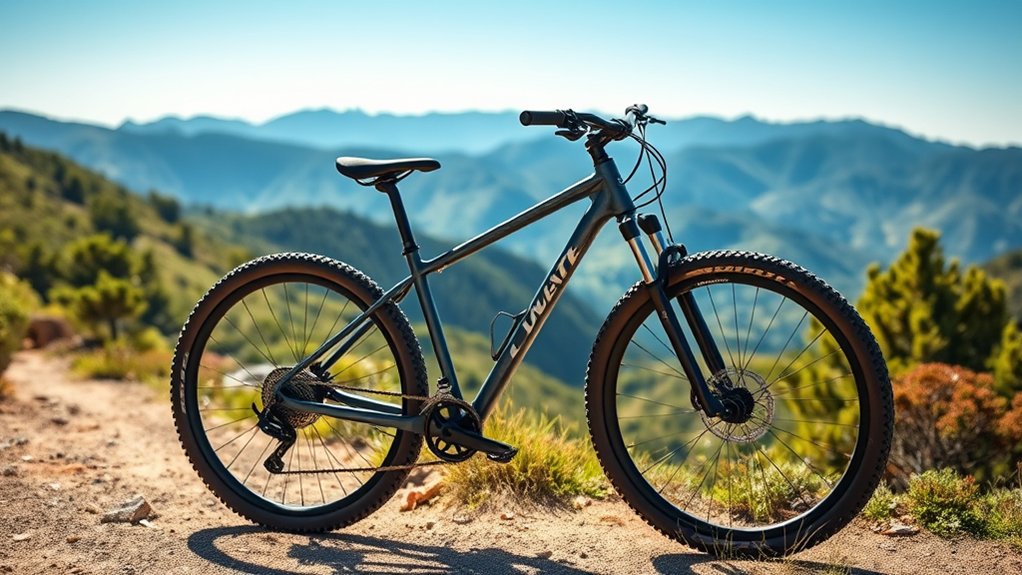
Is a Hybrid Bike Good for Long Distance?
Many cycling enthusiasts dream of long-distance rides but worry about the right bike to handle the journey. You’re not alone—finding a versatile, comfortable bike that can go the distance is a common challenge. That’s where a hybrid bike comes into play.
Yes, a hybrid bike is a great choice for long-distance rides because it combines comfort, versatility, and durability. Its upright position, wide tires, and adjustable features help reduce fatigue, while sturdy frames and reliable components stand up to extended cycling.
Though not as fast as dedicated road bikes, hybrids perform well on varied terrains, making them ideal for versatile adventures.
To learn how to get the most out of your hybrid for long trips, keep exploring.
Key Takeaways
- Hybrid bikes come with comfort features like padded saddles and ergonomic handlebars, which can help reduce fatigue on long rides.
- They’re designed to handle different types of terrain, so they’re pretty good for extended journeys on mixed surfaces.
- Their sturdy frames and reliable parts make them durable and easier to maintain during long-distance cycling.
- Keep in mind, they tend to be heavier and less aerodynamic than road bikes. This might affect your speed and efficiency on smooth, long stretches.
- You can upgrade hybrid bikes with high-quality components and get a proper fit to make them even better for long-distance rides.
What Are Hybrid Bikes and Why Are They Good for Long-Distance Rides?
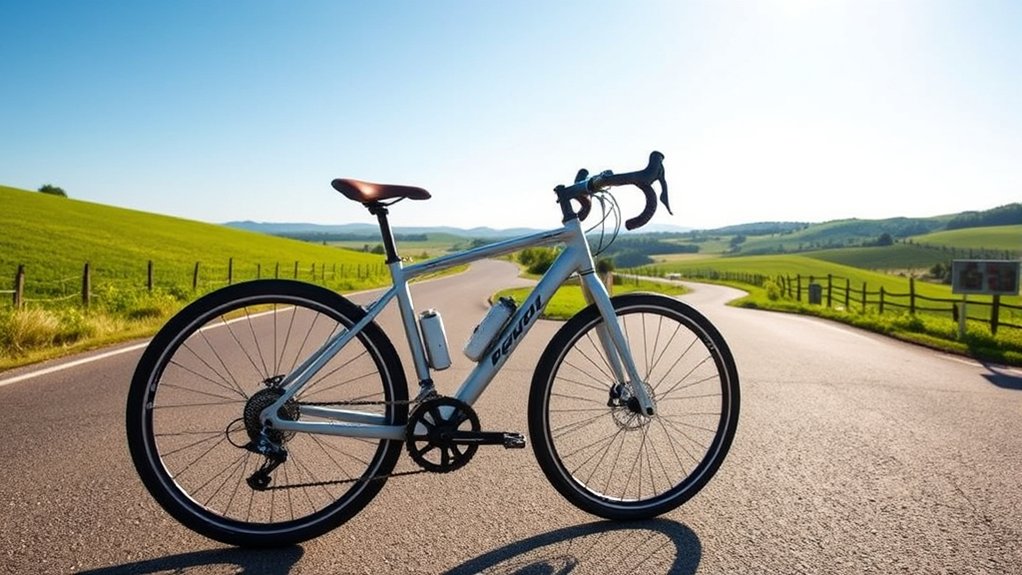
Hybrid bikes combine the best features of road and mountain bikes, making them versatile and suitable for different terrains. They’re great for riders who want a bike that can handle it all.
They usually have a comfortable, upright riding position, which helps reduce fatigue during long rides. The tires are wider than those on road bikes for stability and comfort but narrower than mountain bike tires for better speed.
The lightweight frame makes pedaling easier over long distances, and the multiple gears help you handle various terrains smoothly. Hybrid bikes often come with racks and fenders, making it easy to carry gear or ride in different weather conditions.
All these features make hybrid bikes an excellent choice for long-distance rides, especially when you’ll be on mixed surfaces. They offer comfort, adaptability, and efficiency in one versatile package.
How Do Hybrid Bikes Compare to Road and Touring Bikes for Long Trips?
Hybrid bikes offer a good balance of versatility, making them suitable for various terrains on long rides. While they might not be as fast as road bikes or as specialized as touring bikes, they still provide efficient travel and comfort.
Think about what matters most to you. If you want speed, a road bike might be better. If you need extra gear capacity and comfort for long-distance touring, a touring bike could be the way to go.
Ultimately, choosing the right bike depends on your priorities and the kind of ride you want to enjoy over long distances.
Versatility Across Terrains
While road and touring bikes are often designed for specific terrain types, hybrid bikes are incredibly versatile across different surfaces. They’re built to handle paved roads, gravel, and even light trails, making them perfect for long trips with varied terrain.
This means you can easily switch from city streets to unpaved paths without needing a new bike. To give you a clearer idea, here’s a quick comparison:
| Terrain Type | Hybrid Bike Suitability | Road Bike Suitability | Touring Bike Suitability |
|---|---|---|---|
| Paved roads | Excellent | Excellent | Good |
| Gravel paths | Good | Fair | Excellent |
| Light trails | Good | Fair | Excellent |
| Rough trails | Fair | Poor | Good |
| Urban streets | Excellent | Good | Fair |
All in all, this versatility makes hybrid bikes a smart choice for long-distance adventures across different terrains.
Speed and Efficiency
In relation to long-distance travel, speed and efficiency are key factors to evaluate. Hybrid bikes generally sit between road and touring bikes in speed. They’re designed for versatility, so they may not match the top speeds of racing bikes but are more efficient than mountain bikes on paved surfaces.
Their lightweight frames and narrower tires help you pedal more easily over long distances, conserving energy. However, compared to dedicated touring bikes, hybrids might be slightly less optimized for sustained high speeds, especially with heavier loads.
If your goal is to cover long distances quickly, a road bike offers superior efficiency. Still, hybrids provide a good balance, enabling you to maintain decent speed without sacrificing too much comfort or versatility.
Comfort Over Distance
With regard to comfort over long distances, hybrid bikes strike a balance that appeals to many riders. While they may not have all the advanced comfort features of road or touring bikes, they still offer a good experience.
Hybrid bikes typically have an upright riding position, which reduces strain on your back and neck during long rides. The wider tires give a smoother ride over different surfaces, and the moderate frame offers stability.
However, they lack some of the extra padding or customizable ergonomics found on touring bikes. While hybrids are comfortable enough for casual long-distance rides, serious multi-day trips might be better on a touring bike with dedicated comfort features.
Still, hybrids provide a nice mix of comfort and versatility for everyday riding and weekend adventures.
What Features Make a Hybrid Bike Comfortable for Extended Rides?
In regard to long-distance riding, comfort is key, and several features on a hybrid bike can greatly improve your experience. First, look for a saddle that offers adequate padding and support, reducing soreness during extended rides.
Prioritize a well-padded saddle to enhance comfort on long-distance rides and reduce soreness.
Second, handlebar design matters. Ergonomic handlebars can prevent strain on your wrists and shoulders.
Third, a suspension fork or seat post can absorb shocks from rough roads, making your ride smoother.
Finally, adjustable components like stem height and seat position allow you to customize the fit for comfort.
These features work together to minimize fatigue, prevent discomfort, and help you enjoy longer rides without pain.
Prioritizing them guarantees your hybrid bike remains comfortable no matter how far you go.
Are Hybrid Bikes Durable Enough for Long-Distance Cycling?
Are hybrid bikes tough enough to handle the demands of long-distance cycling? Generally, yes. They’re built with sturdy frames and reliable components designed to withstand extended use.
Their construction often includes durable materials like aluminum or steel, which can handle the repetitive stress of long rides. The quality of parts, such as gears, brakes, and tires, also plays a big role in durability. Higher-quality options tend to last longer and perform better under pressure.
Regular maintenance is key to keeping your hybrid bike in top shape for long journeys. While they might not be as specialized as road or mountain bikes, many hybrids are strong enough for long-distance cycling—especially if you pick a model with reinforced components and a reputation for durability.
Can Hybrid Bikes Handle Different Terrains During Long Journeys?
Hybrid bikes are built to handle different surfaces, making them perfect for various terrains on long rides. You can pick tires that suit your route, whether it’s pavement, gravel, or dirt trails, for better performance.
Plus, features like suspension and comfort enhancements help absorb shocks, giving you a smoother ride on uneven ground. This makes hybrid bikes versatile and reliable for all kinds of long journeys.
Versatility Across Surfaces
Many hybrid bikes are built to handle a variety of surfaces, making them perfect for long rides over different terrains. You can confidently ride on paved roads, gravel paths, dirt trails, and even light off-road sections.
Their flexible frame and components adjust well to changing conditions, giving you a smooth ride. Features like moderate tire clearance and adaptable gear ratios help you navigate different surfaces easily.
You’ll often find hybrid bikes equipped with multi-surface tires for better grip, adjustable suspension for comfort on rough patches, a wide gear range for hills and flats, and a sturdy frame for off-road durability.
This versatility makes it easy to switch between surfaces, so your long journeys are more enjoyable and less restrictive.
Tire Compatibility and Options
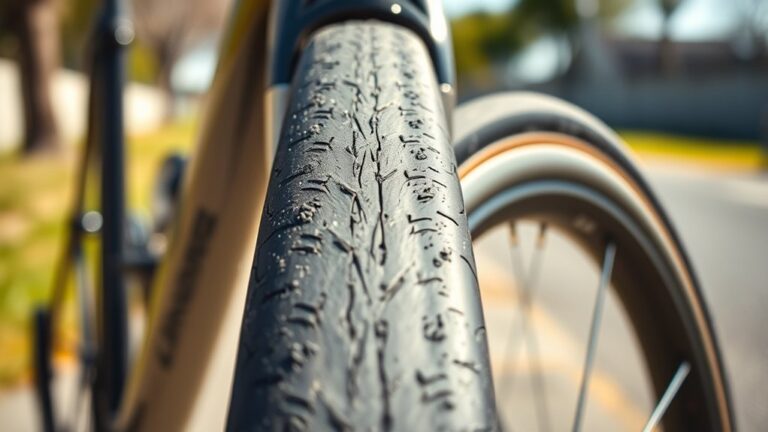
Tire compatibility is key for a hybrid bike’s ability to handle different terrains on long rides. The tires you choose impact traction, stability, and puncture resistance, so picking the right ones for your route is important.
Hybrid bikes usually have versatile tires that balance smoothness on pavement with enough grip for light off-road trails. If you plan to go on rougher terrains, wider tires with deeper treads can help improve grip and durability.
For mainly urban riding, narrower, smoother tires are better because they reduce rolling resistance and help you go faster. Some hybrid bikes let you swap tires easily, giving you flexibility depending on where you’re riding.
Always check the tire size and compatibility with your rims before changing them. This ensures your bike performs well during your long-distance adventures.
Suspension and Comfort Features
While hybrid bikes are built for versatility, how well they handle different terrains on long rides really depends on their suspension and comfort features.
If you’re planning to ride over rough or uneven surfaces, look for bikes with front suspension forks or full suspension systems. These help absorb shocks and cut down on fatigue, making your ride more comfortable.
Also, check for padded or ergonomic saddles that reduce soreness, and wide, puncture-resistant tires for better comfort and stability on varied terrain.
Adjustable handlebars and seat posts are great too—they let you find that perfect, comfortable riding position and help lessen strain during long rides.
What Are the Limitations of Using a Hybrid Bike for Long-Distance Travel?
Although hybrid bikes are versatile and comfortable for daily commuting and moderate rides, they can face significant limitations when used for long-distance travel. One major issue is their weight; hybrids often have a heavier frame compared to road bikes, making extended rides more tiring.
Their wider tires, while providing comfort, create more rolling resistance and reduce efficiency on long, smooth roads. Furthermore, hybrid bikes typically lack the aerodynamic design of dedicated touring or road bikes, which can hinder your speed over long distances.
The gearing systems may also be less suitable for sustained climbs or varied terrains, forcing you to exert more effort. Finally, the comfort features that suit short rides might not suffice for hours on end, leading to fatigue or discomfort over long distances.
How Can You Optimize Your Hybrid Bike for Long-Distance Cycling?
To make your hybrid bike more suitable for long-distance cycling, focus on upgrading components and fine-tuning setup details that improve comfort and efficiency. Start by replacing basic parts with higher-quality options, like a comfortable saddle and lightweight tires.
Upgrade your hybrid bike with quality parts and fine-tune for comfort and efficiency on long rides.
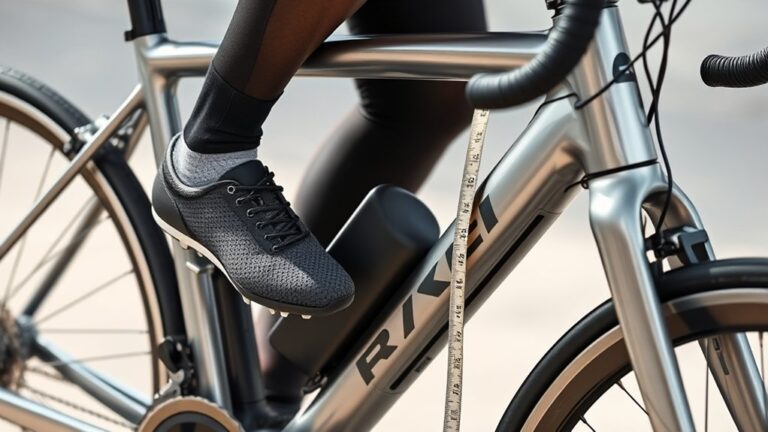
Adjust your saddle height and handlebar position for better ergonomics. Consider adding clipless pedals for more efficient pedaling and reduced fatigue.
Carrying gear? Use panniers instead of a backpack to distribute weight evenly. Keep your chain clean and lubricated for smooth shifting.
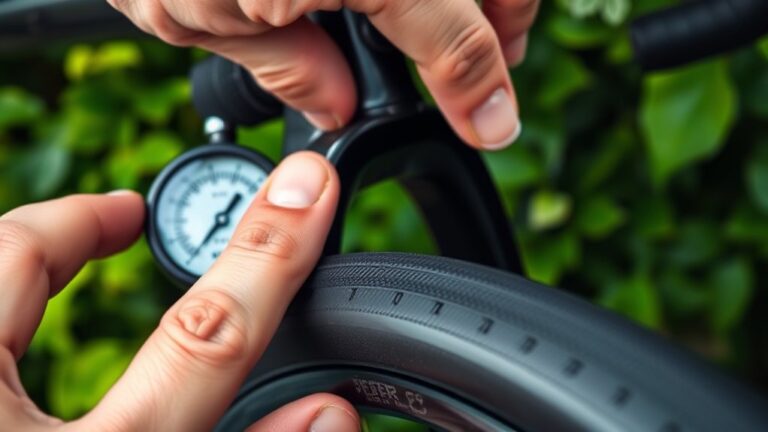
Regularly check tire pressure to prevent flats. Finally, invest in a good set of lights and reflective gear for safety on extended rides.
These tweaks help you ride longer comfortably and efficiently, making your hybrid bike more capable for long-distance adventures.
Is a Hybrid Bike the Right Choice for Your Next Cycling Adventure?
Are you wondering if a hybrid bike is the best choice for your next cycling adventure? Hybrid bikes are pretty versatile, making them great for different terrains and riding styles.
If your trip involves a mix of paved roads, gravel paths, or light trails, a hybrid can handle it comfortably. They combine the efficiency of road bikes with the stability of mountain bikes, giving you a balanced ride.
But if your adventure involves extreme mountain trails or long-distance racing, a specialized bike might be a better fit. Think about your route, terrain, and what feels comfortable for you.
A hybrid bike can be an excellent all-around option, especially if you want flexibility without sacrificing comfort. It’s a practical choice for exploring new areas and embracing diverse terrains on one bike.
Frequently Asked Questions
What Is the Average Speed Achievable on a Hybrid Bike Over Long Distances?
On a hybrid bike, you can typically maintain an average speed of 12 to 18 mph over long distances. Your speed will depend on factors like terrain, your fitness level, and the bike’s condition.
If you ride on flatter surfaces and stay consistent, you might reach the higher end of that range. Hybrid bikes are built for comfort and efficiency, making them a great choice for longer rides at a steady pace.
How Much Does a Typical Hybrid Bike Weigh for Extended Rides?
A typical hybrid bike weighs between 25 to 30 pounds, making it manageable for extended rides. This weight strikes a good balance between durability and comfort, so you can ride efficiently without feeling too heavy.
If you’re planning long-distance trips, consider choosing lighter models within this range for easier handling and less fatigue. Keep in mind, adding accessories or cargo can increase the weight, so pick a bike that suits your specific needs and riding style.
Are Hybrid Bikes Suitable for Carrying Heavy Panniers or Cargo?
Yes, hybrid bikes are suitable for carrying heavy panniers or cargo. They usually have sturdy racks, mounting points, and a more relaxed geometry, making it easier to support extra weight comfortably.
You can confidently load your panniers with gear for long rides. Just make sure your bike’s frame and rack are rated for the weight, and use strong, secure straps to keep everything balanced and safe during your journey.
What Maintenance Is Required for Hybrid Bikes on Long Journeys?
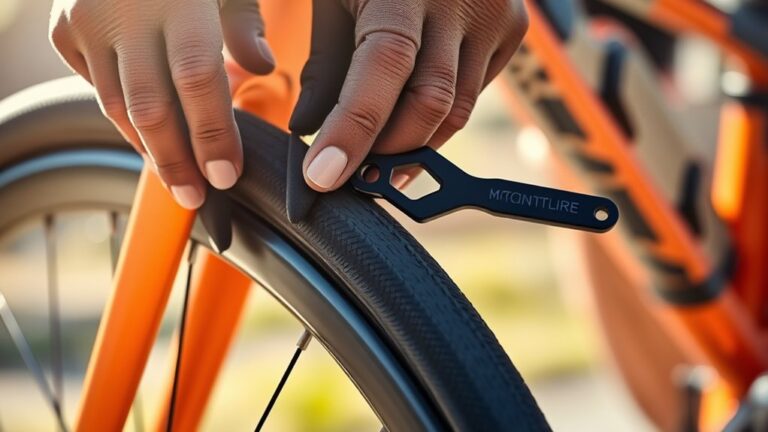
You need to regularly check and maintain your hybrid bike during long journeys. Keep an eye on tire pressure and look for cuts or punctures.
Lubricate the chain and moving parts to prevent rust and ensure smooth riding. Check brakes and gears to make sure they’re working properly.
It’s also a good idea to carry basic tools, a pump, and spare parts with you. Regular maintenance helps avoid breakdowns, keeps your ride smooth, and keeps you safe over long distances.
Can Hybrid Bikes Be Easily Converted for Electric Assistance?
Yes, you can easily convert your hybrid bike for electric assistance. Imagine adding a motor and battery effortlessly, turning your ride into an e-bike with minimal hassle.
Many hybrid bikes work well with conversion kits, and installing them is pretty straightforward. This upgrade gives you extra power on long rides, making steep hills much easier and letting you go further without breaking a sweat.
It’s a smart way to improve your biking experience without much fuss.
Conclusion
In the grand odyssey of long-distance cycling, a hybrid bike might just be your trusty steed—capable of conquering mountains, gliding over gravel, and cruising smooth asphalt all in one majestic ride.
It’s not just a bike; it’s the Swiss Army knife of cycling adventures, turning every journey into an epic saga.
So, if you crave versatility, comfort, and durability wrapped into one extraordinary package, a hybrid bike is undeniably your ticket to legendary rides.
And when it comes to long-distance cycling, a hybrid bike can be a great choice because of its versatility and comfort.