Is a Hybrid Bike Electric?
Are you tired of struggling uphill or feeling limited on your daily rides? Many people feel the same way, wishing for an easier, more enjoyable cycling experience. That’s where hybrid bikes come in—they can make your rides smoother and more fun.
A hybrid bike can be either electric or manual, depending on its features. Most hybrid bikes are manual, relying solely on pedaling, ideal for casual rides and commuting.
However, electric hybrid bikes have motors and batteries that assist with pedaling, making long or hilly rides easier.
To tell the difference, check for a battery, control display, or motor. If you want to investigate the advantages and considerations of each type, keep going.
Key Takeaways
Most hybrid bikes are manual, relying solely on pedaling power. But some come with electric motors that give you a bit of help when you need it.
Electric hybrid bikes have built-in motors, rechargeable batteries, and digital displays. These features set them apart from traditional manual models.
Not all hybrid bikes are electric. The electric versions are specially designed with motor assistance features.
They usually cost more, ranging from $1,500 to $4,000, compared to manual bikes.
To tell if a hybrid bike is electric, look for motor activation indicators, battery placement, and assistance modes.
What Is a Hybrid Bike and How Does It Work?
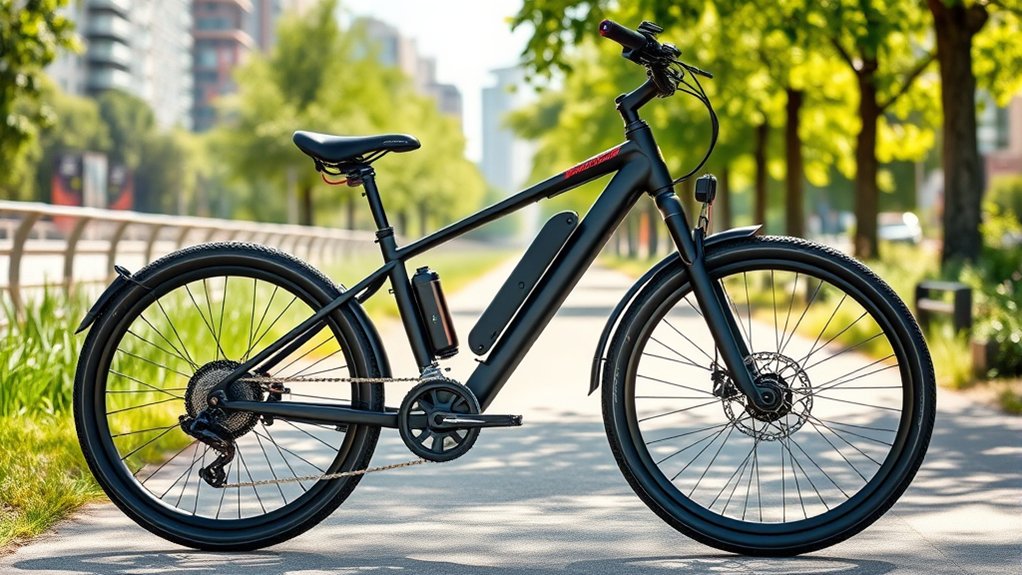
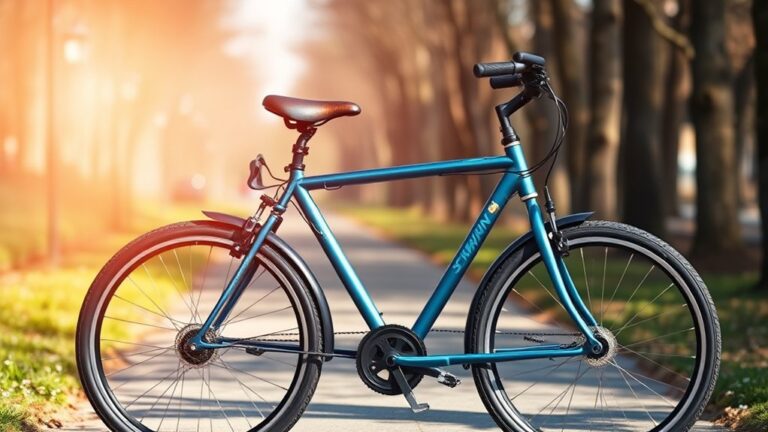
A hybrid bike combines features of both road bikes and mountain bikes to offer versatility for various terrains. It’s designed to handle paved roads, gravel paths, and light off-road trails.
You’ll notice it has a comfortable, upright riding position, making it easier to control and see your surroundings. The frame is usually lightweight but sturdy, balancing speed and durability.
Hybrid bikes often come with wider tires than road bikes, providing better grip and comfort on uneven surfaces. The gear system is versatile, allowing you to shift smoothly across different terrains.
Some models include extra features like racks or fenders. Overall, a hybrid bike works by blending elements from different bike styles to give you a reliable, adaptable ride for various conditions.
Are Most Hybrid Bikes Electric or Manual?
Most hybrid bikes are manual, meaning they rely entirely on your pedaling power to move. These bikes are designed for versatility and affordability, making them popular for daily commuting and casual rides.
Manual hybrid bikes don’t have built-in motors or batteries, so you control the effort and speed through your own energy. While many hybrids are manual, there’s a growing segment of electric hybrid bikes, which include electric motors to assist pedaling.
However, electric models are still less common and tend to be more expensive. Overall, most hybrid bikes you see on the road are manual, especially among budget-friendly options and traditional bike shops.
If you want an easy, cost-effective ride, a manual hybrid bike is usually your best choice.
How Can You Identify Electric Hybrid Bikes?
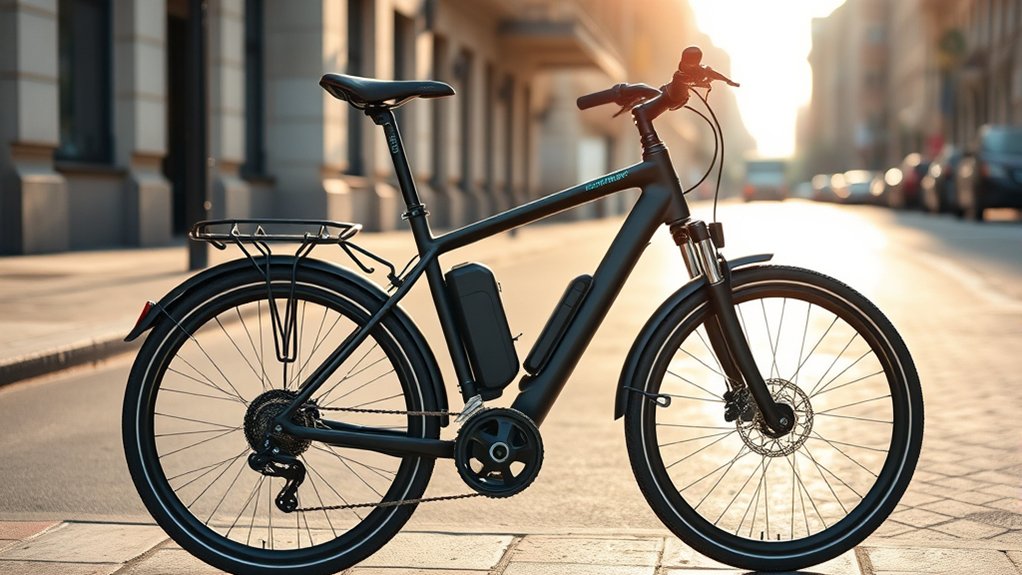
To identify an electric hybrid bike, start by checking the battery’s placement and size. Most batteries are mounted on the frame or rear rack and can vary in capacity.
Look for motor activation indicators like a display screen or buttons. These show when the electric assist is engaged.
These clues help you quickly determine if a hybrid bike is powered by electricity.
Battery Placement and Size
Battery placement and size are important clues when you’re trying to identify an electric hybrid bike. Usually, the battery is mounted on the downtube, integrated into the frame, or placed on the rear rack.
A bigger battery typically means a longer range. So, look for substantial, boxy batteries rather than small, discreet ones. Some bikes hide the battery inside the frame for a sleeker look, making it harder to spot.
If you see a thick, prominent battery pack, it’s probably an e-bike. On the other hand, small or no visible batteries suggest a traditional hybrid. Keep in mind, battery size and placement can vary, but easily accessible, notable batteries are often a clear sign of an electric hybrid bike.
Motor Activation Indicators
When trying to determine if a hybrid bike is electric, look for signs that the motor is actively assisting your pedaling. Many electric hybrids have a display or control panel showing whether the motor is engaged, often with lights or an LCD screen.
You might also notice a throttle or button that activates the motor independently of your pedaling effort. Some bikes have a power indicator light—green or blue—that confirms motor assistance.
Furthermore, a slight motor noise or a feeling of extra boost when you start pedaling can signal electric assistance. If you’re unsure, check the handlebar area for buttons, switches, or a display panel.
These indicators help you identify if the bike is electric and whether the motor is currently assisting you.
Key Features of Electric Hybrid Bikes to Know
Electric hybrid bikes combine the best of both worlds, offering features that make them versatile and efficient for various riding needs. You’ll notice a built-in motor, often located in the hub or crank, providing pedal assistance when needed.
The battery pack, usually mounted on the frame or rear rack, supplies power and can be recharged easily. Many models include a digital display showing speed, battery level, and assistance mode, helping you stay in control.
Some bikes feature adjustable assist levels, so you can customize your ride for hills or longer distances. Moreover, they often come with integrated lights, reflectors, and sturdy tires, making them suitable for different terrains and weather conditions.
These key features guarantee your ride is smooth, efficient, and adaptable to your everyday needs.
Benefits of Using an Electric Hybrid Bike for Commuting
Using an electric hybrid bike for commuting offers many benefits, making your daily travel easier and more enjoyable. You’ll get to your destination faster without breaking a sweat, thanks to the pedal-assist feature.
This helps you save energy for the rest of your day and reduces tiredness. The bike’s versatility lets you handle different terrains and weather comfortably.
It costs less to operate than cars and public transport, so you save money on fuel, parking, and upkeep. Plus, riding an electric hybrid bike is good for the environment and reduces your carbon footprint.
It also helps you avoid traffic jams and parking hassles, giving you more predictable travel times. Overall, it’s an efficient, affordable, and eco-friendly way to get around every day.
Electric Hybrid Bikes vs. Fully Electric and Traditional Bikes
You’ll notice that electric hybrid bikes blend features from both fully electric and traditional bikes, affecting how they’re powered and ridden.
These differences influence your riding experience, maintenance needs, and overall costs. Understanding these distinctions helps you choose the right bike for your needs.
Power Source Differences
While traditional bikes rely solely on human pedaling, hybrid bikes have a small motor powered by a battery to help you out. It gives you that extra push, especially on hills or longer rides.
Fully electric bikes come with a bigger battery and a more powerful motor, so you can ride without pedaling if you want. They give you the option to go fully electric or pedal normally.
Traditional bikes don no motor or battery, so your effort is entirely human-powered. The main difference in power sources is how much assistance they provide.
Riding Experience Variations
The riding experience on hybrid, electric, and traditional bikes varies a lot, shaping how fun and easy your ride feels. Electric hybrid bikes offer a smooth mix of pedal power and motor help, making hills easier without losing the classic feel.
Fully electric bikes make riding super effortless, needing very little effort to keep going. They’re perfect for commuting or relaxing rides when you just want to enjoy the scenery.
Traditional bikes require your full effort, giving you a real workout and a genuine connection to your surroundings. Your choice depends on whether you want convenience, exercise, or a bit of both.
Here’s a quick comparison:
| Feature | Hybrid/Electric Hybrid | Fully Electric | Traditional Bike |
|---|---|---|---|
| Pedal Assistance | Yes | Limited | No |
| Effort Required | Moderate to low | Very low | High |
| Ride Feel | Balanced | Light and effortless | Authentic and challenging |
| Suitability | Commuting, leisure | Commuting, relaxed rides | Exercise, trail riding |
Maintenance and Cost
Maintenance and cost considerations vary a lot among electric hybrid bikes, fully electric bikes, and traditional bikes. With traditional bikes, you mainly worry about tires, chains, and brake pads—simple and affordable.
Fully electric bikes need more upkeep, like battery checks and motor servicing, which can add up over time. Electric hybrid bikes fall somewhere in between, needing occasional battery maintenance and standard tune-ups.
Imagine:
- Replacing tires on a traditional bike—quick and inexpensive.
- Servicing an electric motor—more complex and costly.
- Swapping out a battery—an upfront expense but often covered by warranty.
Your choice depends on how much you’re willing to invest in maintenance and initial costs for convenience and features.
Do Electric Hybrid Bikes Need Special Maintenance?
Do electric hybrid bikes require special maintenance? Yes, they do, but it’s not much different from caring for a regular bike.
You’ll need to pay extra attention to the battery, which is the most important part. Regularly check its connections and keep it charged properly to help it last longer.
Focus on the battery—check connections regularly and keep it charged to extend its lifespan.
The motor also needs occasional inspections to make sure it’s working smoothly. Unlike standard bikes, electric hybrids have electronic systems that might need software updates or diagnostics, usually done by professionals.
Routine bike maintenance like checking tires, adjusting brakes, and lubricating the chain is still essential.
Overall, electric hybrid bikes need some extra care for their electrical parts, but proper upkeep isn’t complicated.
With regular attention, your electric hybrid will stay in good shape and perform reliably for years.
How Much Do Electric Hybrid Bikes Cost Compared to Non-Electric Models?
Are electric hybrid bikes worth the extra investment? Overall, most people say yes, but the price difference can be pretty noticeable. Electric models usually cost between $1,500 and $4,000, while non-electric hybrid bikes tend to be in the $500 to $1,200 range.
To get a better idea of the price gap, think about upgrading from a basic bike to one with a powerful battery and motor. That can add roughly $1,000 to $2,500 to the cost.
Now, picture a standard hybrid bike, which offers simplicity and affordability, costing around $500 to $1,200. The extra features like an electric assist system, display panel, and battery all contribute to the higher price tag.
In the end, you’ll pay more upfront for an electric bike, but many riders find that the convenience and support make it worth the investment.
Is an Electric Hybrid Bike Right for Your Daily Commute?
Considering a daily commute, an electric hybrid bike can be a game-changer if you want to arrive at work feeling fresh and ready. It offers assistance on hills and long distances, reducing sweat and fatigue.
An electric hybrid bike makes daily commutes easier, less sweaty, and more enjoyable on hills and long distances.
If your route involves busy streets or hilly terrain, an electric hybrid makes riding more manageable and enjoyable. Plus, it’s eco-friendly and cost-effective compared to driving or public transportation.
You’ll save time and avoid parking hassles, all while getting some exercise. However, think about your distance and terrain; if your commute is short and flat, a regular hybrid might be enough.
Also, consider storage and charging options. Overall, if you want a convenient, efficient way to get to work without breaking a sweat, an electric hybrid bike could be a great choice.
What Are the Downsides of Electric Hybrid Bikes?
Electric hybrid bikes often face battery life limitations, so you may need to recharge more often than expected.
They’re also heavier than traditional bikes, which can make handling and carrying more challenging.
Furthermore, they tend to have higher maintenance costs due to more complex components.
Battery Life Limitations
While electric hybrid bikes offer a handy mix of pedal power and motor help, their battery life can be a real drawback. You might find yourself needing to recharge sooner than you’d like on longer rides. As the battery drains, your riding experience changes, and you could get stranded without power.
Picture this: a steep hill draining your battery faster than expected, forcing you to pedal harder. Or running out of charge miles from home, with no nearby charging station in sight. Extended rides might mean multiple stops to recharge, throwing off your plans.
These limitations mean your ride’s duration and distance depend on battery capacity, so planning ahead is key. Battery life directly affects convenience, especially on longer adventures.
Heavier Bike Weight
Battery life limitations can make extended rides challenging, especially when you need to recharge frequently. One major downside of electric hybrid bikes is their increased weight due to the battery and motor components.
This extra weight can make the bike feel bulky, especially if you’re used to traditional bikes. Climbing hills or riding against strong winds becomes more tiring because you’re fighting against the added mass.
Transporting or lifting the bike onto a car rack also takes more effort. Plus, the heavier weight can impact how the bike handles, making tight turns or quick stops feel less responsive.
If you plan long rides or commute over hilly terrain, this extra weight might slow you down or cause fatigue faster.
Higher Maintenance Costs
Because of their complex components, hybrid bikes with electric assistance often need more frequent and costly maintenance than traditional bikes. You might find yourself visiting the shop more often for repairs or tune-ups.
The battery, motor, and electronics require regular checks to keep everything running smoothly. Replacing a worn-out battery can be quite expensive.
Imagine having to pay hundreds of dollars for a new battery, or troubleshooting software glitches with electronic system diagnostics. Motor repairs might be needed if parts wear out or get damaged.
All these things add up and increase your ongoing upkeep costs. Staying on top of maintenance schedules is essential to keep your e-hybrid bike in good shape.
While they offer convenience, the financial and time investment for upkeep is noticeably higher compared to traditional bikes.
What Should You Keep in Mind When Buying an Electric Hybrid Bike?
What should you keep in mind when buying an electric hybrid bike? First, think about your riding needs. Consider where you’ll mostly ride—city streets, trails, or a mix—and pick a bike that suits those conditions.
Pay attention to battery life and range. Longer rides call for a bigger, more powerful battery. Check the motor’s wattage to make sure it offers enough help without being too strong.
Comfort is important, so test how the bike fits. Look at the seat and handlebars to see if they feel right for you. Also, consider the bike’s weight, especially if you’ll need to carry or lift it often.
Ensure the bike fits comfortably—check the seat, handlebars, and weight for easy handling and long rides.
Finally, compare prices and warranty options. Choosing a reliable brand with good support can save you money and hassle later on. Keeping these things in mind will help you find an electric hybrid bike that fits your lifestyle and budget.
Will Electric Hybrid Bikes Shape the Future of Eco-Friendly Transport?
Electric hybrid bikes are increasingly set to change urban transportation by providing a sustainable, versatile alternative to traditional vehicles. They blend pedal power with electric support, making daily commutes easier and greener.
As cities look for eco-friendly options, these bikes could become the preferred mode of travel. Imagine gliding through traffic effortlessly, avoiding congestion and lowering emissions.
Picture a future where streets are filled with quiet, emission-free bikes instead of noisy cars. Commuters might choose pedal-assisted rides over buses or driving.
Urban air quality could improve as we rely less on fossil fuels. These bikes offer flexibility, affordability, and environmental benefits, making them perfect for modern cities.
As technology advances, electric hybrid bikes are poised to reshape how we get around. They could lead us toward a cleaner, healthier transportation future.
Frequently Asked Questions
Can You Convert a Regular Hybrid Bike Into an Electric One?
Yes, you can convert a regular hybrid bike into an electric one. You’ll need a compatible e-bike conversion kit, which includes a motor, battery, and controller.
First, remove the bike’s existing components that won’t work with the kit. Then, install the motor on the wheel, attach the battery to the frame, and connect everything according to the kit’s instructions.
This process lets you enjoy electric assistance on your hybrid bike without buying a new e-bike.
What Is the Typical Battery Life of an Electric Hybrid Bike?
Typically, an electric hybrid bike’s battery lasts between 20 to 50 miles on a single charge. This depends on factors like terrain, rider weight, and assist level.
People often think batteries wear out quickly, but with proper care, they can last 3 to 5 years. Over time, you’ll notice reduced range, but regular maintenance and mindful riding can help extend the battery’s lifespan.
This way, you can enjoy reliable performance for years to come.
Are Electric Hybrid Bikes Suitable for Off-Road Riding?
Yes, electric hybrid bikes are suitable for off-road riding, especially models made for that purpose. They usually have sturdy frames, wider tires, and better suspension.
This gives you more control and comfort on rough terrains. Just make sure to pick a model with off-road-specific features like increased durability and strong motors.
Always check the bike’s specs to see if it matches your off-road riding needs. That way, you’ll have a safe and fun experience.
How Long Does It Take to Charge an Electric Hybrid Bike?
Charging your electric hybrid bike usually takes between 3 to 5 hours, depending on the battery size and charger wattage.
If you use a fast charger, it can be quicker—often around 2 to 3 hours. To keep your bike ready for the next ride, plan your charging time accordingly.
Make sure to use the manufacturer-recommended charger to guarantee safety and battery longevity.
Do Electric Hybrid Bikes Have Different Speed Settings?
Yes, electric hybrid bikes often have different speed settings. Many models offer up to three or five modes, so you can choose from eco, standard, or turbo levels.
For example, some bikes can reach speeds of 20 to 28 mph depending on which setting you use. These options give you control over your ride, helping you save battery or boost speed when you need to.
This makes your cycling experience more versatile and tailored to your preferences.
Conclusion
Think of electric hybrid bikes as the compass guiding your journey through city streets and open roads, blending tradition with innovation. They’re like a seasoned sailor, balancing wind and tide to steer you efficiently and sustainably.
As you navigate your daily commute, embracing this technology means charting a course toward greener horizons. With each pedal stroke powered by electric energy, you’re not just riding—you’re shaping a future where eco-friendly transport becomes your trusted vessel.
And yes, a hybrid bike can be electric, combining pedal power with an electric motor to make your ride easier and more eco-friendly.