Is a Hybrid Bike a Road Bike?
Are you overwhelmed by all the different types of bikes out there? Many people struggle with choosing the right one for their daily rides, especially when options seem endless. If you’re looking for versatility and comfort, you’re not alone — this is a common dilemma.
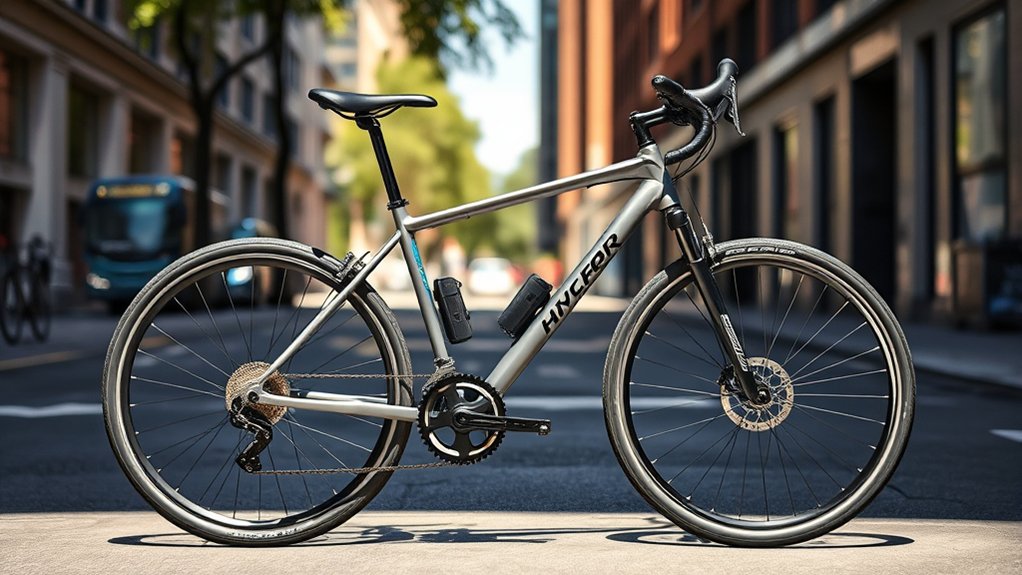
A hybrid bike isn’t exactly a road bike, but it combines features of both. It offers a comfortable, upright riding position with wider tires for stability and versatility across different terrains.
While road bikes are built for speed on paved surfaces, hybrids are better for mixed terrains, casual riding, and commuting.
If you’re curious about how these bikes compare in speed, performance, and price, keep exploring to find out more.
Key Takeaways
- Hybrid bikes combine features of both road bikes and mountain bikes, making them versatile for different terrains.
- Road bikes are built for speed and efficiency on paved roads. They usually have lightweight frames and narrow tires.
- Hybrid bikes tend to have thicker tires and a more upright riding position. They focus more on comfort and control rather than speed.
- Both types can be good for commuting and fitness. But road bikes are designed for high-speed riding on smooth pavement.
- Hybrid bikes aren’t exactly the same as road bikes, but they do share some features. That makes hybrids a flexible choice for various riding situations.
What Is a Hybrid Bike and How Does It Differ From a Road Bike?
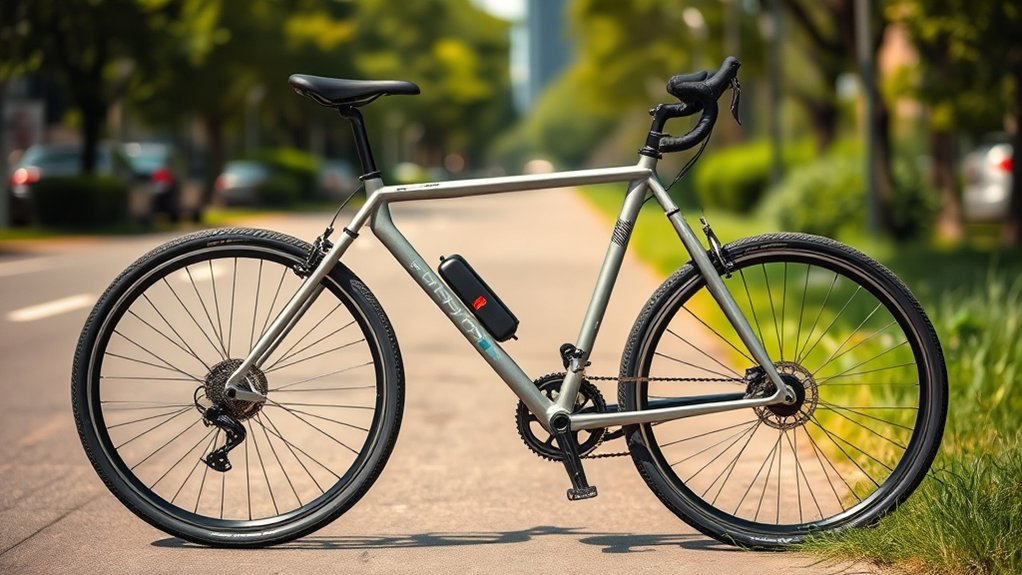
A hybrid bike combines features from both road bikes and mountain bikes, making it a versatile choice for various riding conditions. You’ll notice it has a comfortable, upright riding position, perfect for casual rides or commuting.
The tires are wider than those on a road bike but narrower than mountain bike tires, giving you a good balance of speed and stability. The handlebars are usually flat or slightly swept back, offering better control and comfort.
Wider than road bike tires but narrower than mountain bike tires, for balanced speed and stability.
Hybrid bikes often have a range of gears, making it easier to handle different terrains. Unlike dedicated road bikes designed strictly for pavement, hybrids can manage light off-road paths, making them suitable for multiple environments.
This flexibility makes hybrid bikes popular among riders looking for practicality and comfort.
Key Features That Make a Bike Suitable for Road Riding
When choosing a bike for road riding, focus on features that boost speed, efficiency, and comfort on paved surfaces. You want a bike that handles smoothly, accelerates quickly, and is comfortable over long rides.
Look for a lightweight frame, narrow tires, and a riding position that helps reduce fatigue. An aerodynamic design makes it easier to glide and makes your ride feel more exhilarating.
| Key Features | Benefits |
|---|---|
| Lightweight Frame | Easier to accelerate and climb hills |
| Narrow, Smooth Tires | Faster with less rolling resistance |
| Drop Handlebars | Offers multiple hand positions for comfort |
| Aerodynamic Design | Boosts speed and cuts through the air |
These features come together to give you a ride that’s swift, efficient, and truly enjoyable. Every trip on the road can turn into an adventure.
How Do Tire Sizes and Types Compare Between Hybrid and Road Bikes?
Have you ever wondered how tire sizes and types differ between hybrid and road bikes? Generally, hybrid bikes have wider tires, around 28-40mm, which give you comfort and stability on different surfaces. Road bikes usually have narrower tires, about 23-25mm, built for speed and efficiency on paved roads.
Consider these differences:
Hybrid tires strike a good balance between grip, comfort, and durability.
Road tires focus on low rolling resistance to help you go faster.
Hybrid tires often have a tread pattern suitable for mixed terrains.
Road tires tend to be slick or lightly treaded for smooth pavement.
Your choice depends on how you ride—hybrids are more versatile, while road bikes are all about speed and efficiency. Knowing these tire differences can help you pick the right bike for your riding style.
Can Hybrid Bikes Handle Long-Distance, High-Speed Rides?
You might wonder if a hybrid bike can keep up on long, fast rides. While they’re built for comfort, their durability and speed potential vary depending on the model and setup.
Let’s investigate whether hybrids can handle extended, high-speed journeys comfortably and reliably.
Bike Durability Over Distance
Hybrid bikes are generally designed for versatility, but their durability over long distances and high speeds depends on several factors. You’ll want to consider the bike’s frame material, tire quality, gear system, and overall maintenance.
A sturdy frame made from aluminum or carbon fiber can handle extended use without easily wearing out. Quality tires with proper tread and pressure improve stability and help prevent flats.
A reliable gear system helps you manage different terrains efficiently, reducing strain on components. Regular maintenance, like lubrication and checking for wear, ensures your bike lasts longer.
- Strong frame construction resists fatigue
- High-quality tires prevent flats and wear
- Smooth gear shifts reduce mechanical stress
- Routine checkups extend bike lifespan
Speed Capabilities Compared
Hybrid bikes can handle moderate to high speeds over long distances, but their performance really depends on their design features. The frame, tires, and gearing all play a role in how well they maintain speed.
Some hybrids have lightweight frames and road tires, making them better for faster rides. Others focus more on comfort, which might limit their top speeds.
To help visualize, here’s a quick comparison:
| Feature | Road-Oriented Hybrid | Comfort-Focused Hybrid | Mixed-Use Hybrid |
|---|---|---|---|
| Frame Material | Lightweight, stiff | Heavier, more relaxed | Balanced |
| Tire Type | Thin, slick tires | Wider, cushioned tires | Moderate width tires |
| Gear Range | Higher gear ratios | Lower, easier gears | Versatile gear options |
Your choice influences how well you can handle speed over longer distances.
Comfort in Extended Rides
While speed is a key feature for many riders, comfort becomes more important on long-distance journeys. Hybrid bikes generally offer a smoother ride, making extended rides easier to handle. They often have ergonomic handlebars that reduce strain on your wrists and shoulders.
The wider, cushioned saddle provides extra comfort during hours on the bike. Plus, the upright riding position helps prevent back and neck fatigue. Some hybrids also come with suspension systems or shock-absorbing tires that smooth out rough pavement.
Keep in mind, while they’re comfortable for long rides, you might want to customize or upgrade components for even more comfort. Overall, hybrid bikes can handle long-distance, high-speed rides with the right adjustments, making them versatile options for endurance cycling.
Who Should Choose a Hybrid Bike Over a Road Bike?
If you value versatility and comfort on different terrains, a hybrid bike might be the best choice for you. It’s great if you ride on paved roads, bike paths, and light off-road trails.
Hybrid bikes are ideal for commuters, casual riders, or anyone wanting a reliable bike for various environments without the hassle of switching bikes. They’re perfect if you prefer a more relaxed riding experience and don’t want a race bike.
If you’re new to cycling, a hybrid offers a comfortable and balanced riding position. Plus, if you’re looking for an affordable, low-maintenance bike that handles different surfaces well, a hybrid is a smart pick. It’s great for those who value practicality and a smooth ride over speed.
Is the Riding Position on a Hybrid Similar to That of a Road Bike?
Are the riding positions on hybrid bikes and road bikes truly similar? Not exactly. While both aim for efficiency, they differ in comfort and posture. On a hybrid, you usually sit more upright, which helps reduce strain on your back and neck. That makes it more comfortable for longer casual rides.
In contrast, a road bike encourages a forward-leaning position. This posture maximizes aerodynamics and speed, especially on longer rides.
Here’s what sets them apart:
- Hybrid bikes offer a more relaxed, upright stance.
- Road bikes promote a forward-leaning posture for better aerodynamics.
- Hybrids often have higher handlebars for comfort.
- Road bikes have lower handlebars for agility and speed.
How Do Performance, Speed, and Efficiency Differ?
Performance, speed, and efficiency on hybrid bikes and road bikes vary quite a bit because of how they’re designed.
Road bikes focus on aerodynamics and lightweight frames, which help you ride faster with less effort over long distances. Their slim tires cut down on rolling resistance, boosting speed and efficiency on paved roads.
Hybrid bikes are all about comfort and versatility. They usually have thicker tires and a more upright riding position. This setup might slow you down a bit on smooth roads but gives you better control and comfort on different terrains.
Basically, road bikes are great for maintaining higher speeds with less energy, while hybrids are more adaptable but might need more effort to go as fast. Your choice depends on your riding goals and the terrain you’ll be tackling.
Are Hybrid Bikes Better for Mixed Terrains and Versatile Riding?
Hybrid bikes excel when it comes to mixed terrains and versatile riding. They’re built to handle a variety of surfaces, making them perfect for different environments. With wider tires and a more comfortable frame, you’ll find them great on gravel, pavement, and light trails.
Their features are super adaptable, including multi-surface tires for grip and stability, adjustable gears for different terrains, and a comfortable riding position for longer trips. The sturdy frames support a range of riding styles, so you’re ready for anything.
This versatility means you won’t need multiple bikes for different terrains. Whether you’re commuting on city streets, tackling dirt paths, or cruising through parks, hybrid bikes let you switch easily. They’re ideal if your riding needs are constantly changing.
What’s the Price Difference Between Hybrid and Road Bikes?
When comparing the prices of hybrid and road bikes, you’ll notice that hybrids generally cost less upfront but can vary widely based on features and quality. Entry-level hybrids often start around $300 to $500, making them affordable for casual riders.
Road bikes tend to be pricier, usually ranging from $600 to $1,500 or more for higher-end models with lightweight frames and advanced components. Here’s a quick comparison:
| Bike Type | Starting Price | Average Price Range |
|---|---|---|
| Hybrid Bikes | $300 | $300 – $700 |
| Road Bikes | $600 | $600 – $1,500+ |
| High-End | Varies | $2,000+ |
Your choice depends on your budget and riding needs.
Which Bike Is Better for Commuting and Fitness Goals?
When choosing between a hybrid and a road bike for your daily commute and fitness, think about which offers better versatility and comfort for different terrains.
A hybrid bike usually provides a good mix of features, making it great for various routes. On the other hand, a road bike is all about speed and efficiency.
Consider your fitness goals—whether you want to build endurance or just get around town—and pick the bike that best matches those needs.
Versatility for Daily Use
Choosing between a hybrid bike and a road bike for daily commuting and fitness really depends on what you need.
Hybrid bikes are super versatile. They’re great if your route includes city streets, light trails, or uneven paths because they balance comfort and performance.
Road bikes are built for speed on paved roads. They’re perfect if you want quick rides or fitness workouts on smooth surfaces.
Think about these points:
- Hybrid bikes handle different terrains comfortably
- Road bikes are faster on pavement
- Hybrids have a relaxed, comfortable design
- Road bikes focus on efficiency and aerodynamics
Ultimately, your choice depends on your daily routes and fitness goals. Hybrids are all about adaptable convenience, while road bikes emphasize speed and efficiency.
Fitness Benefits Comparison
Both hybrid and road bikes can help you reach your fitness goals, but they do it in different ways. Hybrid bikes give you a comfortable, upright position that’s great for longer commutes and casual rides, helping you build endurance over time.
Road bikes, on the other hand, have lightweight frames and a more aggressive riding posture, which allows for faster speeds and helps boost your cardiovascular fitness quickly.
Here’s a quick comparison:
| Feature | Hybrid Bike | Road Bike | Best For |
|---|---|---|---|
| Riding Position | Upright and comfortable | Forward-leaning and aerodynamic | Long commutes and fitness gains |
| Speed & Agility | Moderate | High | Speed-focused workouts |
| Fitness Focus | Endurance and casual cardio | Intensity and speed | High-intensity training |
Pick the bike that matches your fitness goals—whether it’s building endurance or increasing speed—and the riding style you enjoy most.
Frequently Asked Questions
Can Hybrid Bikes Be Customized With Road Bike Components?
Yes, you can customize hybrid bikes with road bike components. You might swap out tires for slimmer, more aerodynamic ones or replace the handlebars with drop bars for better speed and handling.
Upgrading the gears and brakes is also possible to boost performance. Just keep in mind compatibility issues, like frame size and component standards, to make sure your customizations fit perfectly and improve your riding experience.
How Does the Weight of a Hybrid Bike Compare to a Road Bike?
A hybrid bike generally weighs more than a road bike. This is because hybrid bikes are built for versatility, often featuring sturdier frames, wider tires, and extra components that add to their overall weight.
Road bikes prioritize lightweight materials and streamlined designs for speed, making them lighter. If you’re looking for a bike that’s easier to carry or accelerate, a road bike’s weight advantage could be a big deal.
Are Hybrid Bikes Suitable for Competitive Cycling Events?
Hybrid bikes aren’t ideal for competitive cycling events because they prioritize versatility and comfort over speed and aerodynamics.
If you’re aiming for competitive racing, you’ll want a dedicated road bike designed for lightweight performance and efficiency.
Hybrid bikes are great for casual rides and commuting, but for races, a specialized bike will give you the edge you need to perform your best.
What Maintenance Differences Exist Between Hybrid and Road Bikes?
Maintenance differences between hybrid and road bikes are like tending to different gardens. Hybrids need more versatile care, while road bikes require precise attention.
You’ll find hybrid bikes need regular checks on their tires, brakes, and gears, especially because they handle varied terrains.
Road bikes demand frequent cleaning and lubrication of their thin chains and derailleurs to keep them lightweight and efficient.
Do Hybrid Bikes Have Faster Speeds on Paved Roads Than Mountain Bikes?
Hybrid bikes generally aren’t faster on paved roads than mountain bikes because they’re designed for versatility, not speed. Mountain bikes usually have wider tires and more rugged frames suited for off-road terrain, which can slow you down on pavement.
Hybrid bikes strike a balance, offering decent speed and comfort on paved surfaces. But if speed is your goal, a dedicated road bike will outperform both hybrids and mountain bikes.
Conclusion
Ultimately, choosing between a hybrid and a road bike is like selecting the right partner for your ride through life’s varied landscapes. Imagine gliding smoothly on paved streets, then seamlessly tackling gravel paths. Your bike becomes an extension of your journey.
Whether you prefer the versatility of a hybrid or the speed of a road bike, your decision shapes your adventures. A hybrid bike isn’t exactly a road bike but offers a blend of features suited for different terrains.
Welcome the ride, and let your bike carry you toward new horizons with confidence and ease. If you’re wondering whether a hybrid bike is a road bike, the answer is no, but it can be a great all-around choice for diverse riding experiences.