Do You Have to Register an Electric Bike?
Many electric bike enthusiasts share the same concern: do you really need to register your e-bike? Navigating the rules can feel overwhelming, especially with so many different laws depending on where you live. You’re not alone—figuring out if your e-bike needs registration is a common struggle.
Whether you need to register your electric bike depends on your local laws, bike type, and features like speed and wattage. Many regions require registration for bikes that go over certain speeds or power levels, especially if they’re classified as motor vehicles.
Some e-bikes, like pedal-assist models under specific limits, may be exempt. To stay compliant and avoid fines, check your area’s regulations—you’ll find useful details if you investigate further.
Key Takeaways
- Registration requirements depend on local laws, bike speed, wattage, and classification (Class 1, 2, or 3).
- Many regions exempt pedal-assist bikes if they stay under certain wattage and speed limits.
- Throttle-only e-bikes or faster, more powerful models often need to be registered.
- Registering your e-bike can help with theft recovery, prove ownership, and open up insurance options.
- Always check your local regulations to see if your e-bike needs registration before you ride.
Do I Need to Register My Electric Bike? Here’s What You Should Know
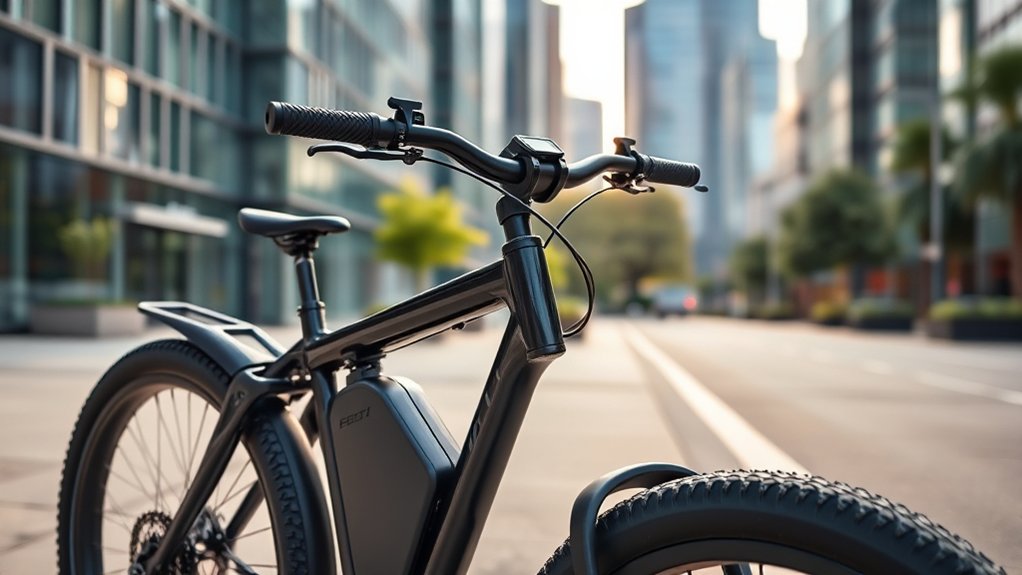
Whether you need to register your electric bike depends on where you live and the bike’s specs. Some cities and states require registration if your e-bike exceeds certain speed or power limits.
For example, if your bike has a throttle and can go over 20 mph, you might need to register it like a motor vehicle. But if your e-bike is a pedal-assist type with lower speeds, registration is often not necessary.
Always check local laws to find out the exact requirements. Regulations can change, so staying informed helps you stay compliant. If you’re unsure about your bike’s classification, contact your local transportation authority or check legal resources.
This way, you’ll avoid potential fines or penalties and make sure you’re riding within the rules.
Are Certain Types of E-Bikes Exempt From Registration?
Some e-bikes might be exempt from registration depending on their category or design.
State laws are different, so in some places, pedal assist bikes may not need to be registered.
Knowing these exceptions can help you figure out if your e-bike qualifies for an exemption.
Exempt E-Bike Categories
Are certain types of e-bikes exempt from registration? Yes, some e-bike categories don’t need to be registered.
Typically, pedal-assist bikes with motors under a specific wattage—often 750 watts or less—are exempt. Bikes that operate solely with human power or have a maximum speed below a certain threshold, like 20 mph, usually don’t require registration.
These exemptions help distinguish recreational or low-power bikes from more powerful models. If your e-bike falls into these categories, you might avoid registration altogether.
However, the exact exemptions can vary by state or local laws, so it’s important to check your area’s specific rules. Knowing these categories can save you time and effort when it comes to legal compliance.
State Registration Laws
While many e-bike categories might be exempt from registration at the federal or local level, it’s important to know that registration laws vary a lot across states. Some states require registration for all e-bikes, no matter the speed or motor wattage, while others only require it for high-powered models.
Many states treat e-bikes like regular bicycles, so they don’t need to be registered at all. But some states classify certain e-bikes—like those with pedal assist over a specific wattage or throttle-only models—as motor vehicles. In those cases, registration, licensing, or insurance might be needed.
Always check your state’s DMV or transportation department website to find out the specific rules for your e-bike. Staying informed helps you stay compliant and avoid fines or penalties.
Pedal Assist Exceptions
Pedal assist e-bikes often qualify for exemptions from registration requirements, depending on your state’s laws. Generally, if your e-bike only helps when you pedal and tops out around 20 mph, it probably doesn’t need registration.
Many states treat pedal assist bikes like regular bicycles, which don’t require registration. But the rules can vary—some states have power or speed limits, and going over those might mean you need to register your bike.
If your e-bike has a throttle that works without pedaling or exceeds certain power levels, it might be classified differently. That could mean registration is required.
Always check your local laws to see if your pedal assist e-bike qualifies for an exception. Regulations can differ a lot from one place to another.
How Do E-Bike Classes Affect Registration Requirements?
E-bike classes play a key role in figuring out registration requirements. Different classes often come with different legal standards.
Usually, Class 1 and 2 e-bikes have fewer rules. They might even be exempt from registration. But Class 3 e-bikes, which tend to go faster, usually need to be registered like regular motor vehicles.
Here’s a quick comparison:
| Class | Speed Limit | Motor Power | Registration Needed |
|---|---|---|---|
| Class 1 | 20 mph | Up to 750W | Usually no |
| Class 2 | 20 mph | Up to 750W | Sometimes |
| Class 3 | 28 mph | Up to 750W | Generally yes |
Knowing your e-bike’s class helps you understand the registration rules and stay legal.
When Is Electric Bike Registration Required?
You need to register your electric bike when it’s classified as a motor vehicle and required by local laws to do so. Registration is usually necessary if your e-bike exceeds certain power or speed limits or falls into specific categories.
Check if your area mandates registration for e-bikes with motors over a set wattage, like 750W or higher. Also, if your bike can reach speeds above 20 or 28 mph, you might need to register it.
Some regions require registration for models with throttle-only operation. Additionally, if you plan to ride on public roads or bike paths where registration is enforced, it’s important to verify local rules.
In certain areas, registration is only needed for specific classes of e-bikes or when riding on particular public areas. Always double-check your local laws to see if registration applies to your electric bike.
How to Check E-Bike Registration Laws in Your Area
To find out your local registration requirements, start by checking your city or county’s official website. You should also review state e-bike laws to understand how regulations vary across regions.
Keep in mind that enforcement and penalties can differ, so knowing the rules helps you stay compliant and avoid fines.
Local Registration Requirements
Wondering how to find out if your local laws require e-bike registration? Start by checking official sources like your city or county government websites. Local transportation departments often list regulations related to e-bikes, including registration rules.
You can also visit or call your local DMV or transportation office for clarity. Community forums or local cycling groups can give you insights into regional requirements. Some areas might have specific rules based on the e-bike’s motor power or speed.
Finally, look for signage or notices in bike shops, as they often inform riders of local registration laws. Being proactive helps you stay compliant and avoid fines, making your e-bike riding smoother and worry-free.
State E-Bike Laws
Finding out your state’s specific e-bike registration laws is really important to stay compliant and avoid fines. Each state has different rules about whether you need to register, license, or insure your e-bike.
To find out these laws, check your state’s DMV website or local transportation authority. You can also call them directly if you need clarification. Keep in mind that some states classify e-bikes based on speed and motor power, which can affect registration rules.
Here’s a handy table to visualize this:
| State Classification | Registration Requirement |
|---|---|
| Low-speed e-bikes | Usually no registration needed |
| High-speed e-bikes | Often require registration |
| Federal guidelines | May influence state laws |
| Local regulations | Can vary within states |
Knowing these details helps you stay compliant with your area’s specific laws.
Enforcement and Penalties
Understanding your area’s enforcement and penalties related to e-bike registration is key to staying compliant. Authorities may conduct random checks or target specific areas, and fines can be steep if you’re caught riding an unregistered e-bike.
Penalties vary depending on where you are, but they often include hefty fines, confiscation, or even criminal charges if you’re caught repeatedly. To avoid trouble, it’s a good idea to stay informed about local laws and registration requirements.
Check local transportation department websites regularly, visit law enforcement offices for guidance, or follow community forums and social media updates. If you’re unsure about your obligations, consulting a legal expert can also help.
What Are the Benefits of Registering Your E-Bike?
Registering your e-bike offers several important benefits, making it a smart choice for riders. First, it helps authorities identify your bike if it’s stolen, which increases the chances of recovery.
Second, registration can make things easier if you’re involved in an accident, since it provides proof of ownership. Third, it helps you stay compliant with local laws, so you avoid fines or penalties.
Plus, registered e-bikes often qualify for insurance coverage, giving you extra protection for your investment. Here’s a quick overview:
| Benefit | Description | Impact |
|---|---|---|
| Theft Recovery | Easier to trace and recover your bike | Peace of mind |
| Legal Compliance | Meets local registration requirements | Avoid fines |
| Insurance Eligibility | Qualifies for coverage and protection | Financial security |
Registering your e-bike makes your riding safer and more secure.
How to Register Your E-Bike Step-by-Step
Getting your e-bike registered involves a straightforward process that guarantees your bike is properly documented and compliant with local laws. First, gather essential documents like proof of ownership, identification, and any registration forms required by your jurisdiction.
Next, visit your local DMV or registration office. Many areas now offer online registration options for convenience. When you’re there, you’ll need to fill out a registration form, provide your documents, and pay any applicable fees.
Once everything’s done, you’ll receive a registration certificate or sticker to affix to your e-bike. To make the process smoother, consider these tips: check your local registration requirements beforehand, bring multiple forms of ID, confirm accepted payment methods, and keep copies of all submitted documents.
What Are the Penalties for Riding an Unregistered E-Bike?
If you ride an unregistered e-bike, you could face legal penalties that vary depending on where you are.
In many places, authorities may give you fines, which can be small or quite hefty based on the offense.
Some regions might also add points to your driving record or ask you to go to court.
If you keep breaking the rules, you might end up with bigger fines or have your e-bike taken away.
In certain areas, riding an unregistered e-bike could be considered a misdemeanor or infraction, which might affect your driving privileges.
Ignoring registration laws not only risks legal trouble but also makes it more likely you’ll face penalties if you’re in an accident.
To steer clear of these issues, it’s best to check that your e-bike is properly registered before you start riding.
Should You Register Your E-Bike Even When Not Required?
Even if registration isn’t legally required, registering your e-bike can offer benefits like easier recovery if stolen and proof of ownership.
You should also consider any specific legal requirements or exceptions in your area before deciding.
Ultimately, voluntary registration can provide peace of mind and added protection for your investment.
Legal Requirements and Exceptions
While registering your e-bike isn’t always legally required, many riders choose to do so for added protection and peace of mind. Laws vary by location, with some areas exempting certain e-bikes based on speed, power, or classification.
Exceptions often include bikes with lower speeds or power levels, or those used solely on private property. However, some jurisdictions require registration regardless of specifications, especially for faster or more powerful models.
It’s essential to check local regulations to avoid fines or penalties. Keep in mind that certain scenarios might automatically exempt you, such as:
- E-bikes used exclusively off public roads
- Bikes below specific speed or power thresholds
- Models classified as non-motorized
- E-bikes registered in another jurisdiction
Always verify local laws before deciding whether to register voluntarily.
Benefits of Voluntary Registration
Considering the benefits of voluntary registration might persuade you to register your e-bike even when it isn’t legally required. Doing so can make it easier to recover if stolen and help with quick identification if you’re involved in an incident.
It also helps authorities track e-bike usage trends, which can influence future regulations. Plus, registered bikes may attract fewer legal issues during inspections.
To give you a clearer picture, here’s how registration benefits compare:
| Benefit | Explanation |
|---|---|
| Theft recovery | Helps police return stolen bikes to owners |
| Proof of ownership | Simplifies proving your e-bike’s legal ownership |
| Insurance discounts | Some insurers offer lower premiums for registered bikes |
| Resale value | Registered bikes often sell faster and at higher prices |
Final Tips for Staying Legal With Your Electric Bike
To stay legal with your electric bike, it’s important to keep up with local laws and regulations in your area. Make sure you’re aware of any changes to speed limits, helmet rules, and where you’re allowed to ride.
Stay informed on local laws to ride your e-bike safely and legally.
Check for updates regularly from local authorities or cycling groups. Also, verify that your bike’s specs, like motor wattage and pedal-assist levels, meet legal standards.
Here are some final tips:
- Review local laws periodically
- Register your bike if needed
- Carry proof of registration or compliance
- Respect designated bike lanes and trails
Being proactive helps you avoid fines and keeps your riding safe. Staying informed and compliant makes your electric biking experience smooth and enjoyable.
Frequently Asked Questions
Can I Register My E-Bike Online?
Yes, you can often register your e-bike online, depending on your state’s rules. Many local DMV or transportation departments offer digital registration options for electric bikes, making the process easier.
You’ll usually need to provide proof of ownership, identification, and pay a fee. Check your local government’s website to see if online registration is available in your area and follow their specific instructions.
Is There a Fee to Register an Electric Bike?
Like a knight paying homage at the castle gates, you’ll likely face a registration fee for your e-bike. The cost varies by state or locality, ranging from free to around $50 or more.
Check your local DMV or transportation authority’s website to find specific fees. Remember, paying this fee helps support road maintenance and guarantees your e-bike is legally registered.
This makes your rides smoother and more secure.
How Long Does Electric Bike Registration Last?
Your electric bike registration generally lasts for one to three years, depending on your state’s rules.
You’ll need to renew it before it expires to stay compliant with local laws.
Keep track of your registration’s expiration date and check with your local DMV or transportation authority for specific renewal procedures.
Regular renewal ensures your bike remains legally registered, helping you avoid potential fines or legal issues while riding.
Do I Need Insurance After Registering My E-Bike?
Nope, you don’t need insurance after registering your e-bike—unless you want to protect yourself from those “oh no” moments. While registration might be mandatory in some places, insurance usually isn’t unless you’re planning to race or turn your bike into a mobile money pit.
Can I Transfer Registration if I Sell My E-Bike?
Yes, you can transfer the registration if you sell your e-bike. Usually, you’ll need to show proof of the sale and fill out a transfer form with your local motor vehicle department.
This process updates the ownership records so the new owner is officially registered. Be sure to do this quickly to avoid any liabilities or issues with the old registration.
Always check your local rules for the specific steps to transfer registration.
Conclusion
Staying on the right side of the law might seem tough, but it’s worth it to keep your rides smooth and worry-free. Always check your local laws and register your e-bike if required—don’t put yourself in hot water.
Remember, it’s better to be safe than sorry. Keep riding responsibly, and you’ll avoid unnecessary headaches.
If you’re wondering whether you need to register your electric bike, it’s a good idea to look into your local regulations. Some areas require registration, especially for faster or more powerful e-bikes.
Knowing the rules about electric bike registration can save you time and trouble. Stay informed, and you’ll ride with confidence.
After all, an ounce of prevention is worth a pound of cure, so stay informed and ride responsibly.