How to Fix Mountain Bike Gears in 7 Easy Steps
Struggling with shifting issues on your mountain bike? You’re not alone—many riders find it tricky to get their gears running smoothly.
Luckily, fixing your mountain bike gears is easier than you think with a simple step-by-step approach.
To fix your mountain bike gears in 7 easy steps, start by inspecting your shifters and cables for looseness or rust, then clean and lubricate them.
Next, check your derailleur alignment and adjust the limit screws for smooth shifting.
Inspect the chain and cassette for wear, replacing damaged parts if needed.
Set the proper cable tension and lubricate the gears regularly.
Finish with a test ride to fine-tune your setup for perfect shifting.
Keep at it, and you’ll master the process in no time.
Key Takeaways
- Inspect and clean the shifters, cables, and derailleur. Look for dirt, rust, or any damage that might be causing issues.
- Check the derailleur hanger to see if it’s straight. Adjust the limit screws to make sure the gears are indexing properly.
- Use the barrel adjuster to fine-tune the cable tension. This helps ensure smooth shifting across all gears.
- Take a look at the chain and cassette for signs of wear or damage. Clean them thoroughly or replace them if needed.
- After making these adjustments, go for a test ride. Fine-tune as necessary to make sure your gears shift smoothly and responsively.
Identify Common Mountain Bike Gear Problems
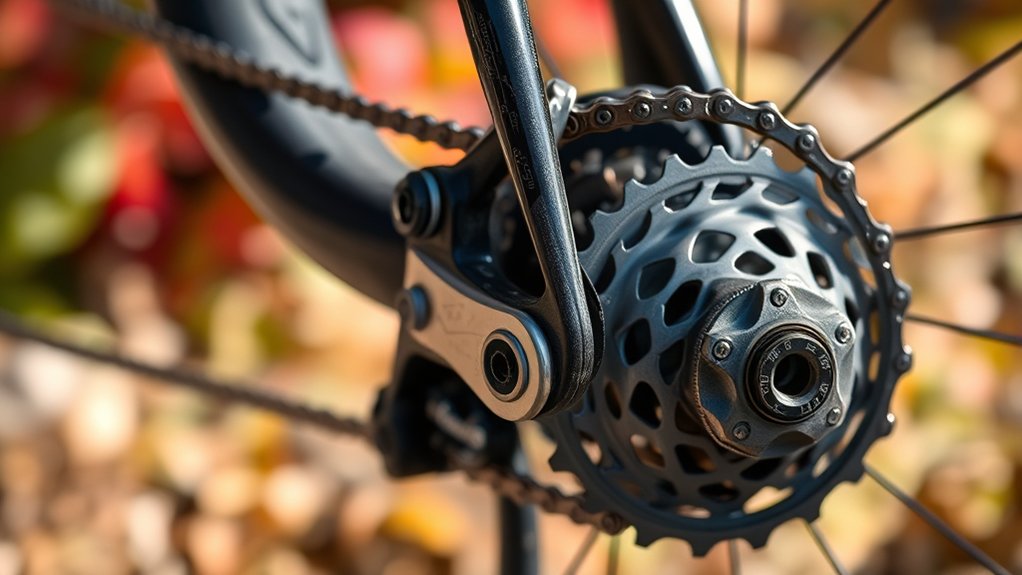
Understanding the common gear problems on your mountain bike is the first step toward fixing them. You might notice your gears slipping, not shifting smoothly, or skipping over gears altogether.
Sometimes, the chain won’t stay on the cassette, or it’s difficult to change gears at certain points. These issues often happen because of worn-out parts, dirt buildup, or misaligned components.
You may also experience chain noise or difficulty shifting when your derailleur is bent or your cables are too loose or too tight. Recognizing these symptoms early helps you diagnose the problem faster.
Check and Adjust Your Shifter and Cables for Smooth Shifting
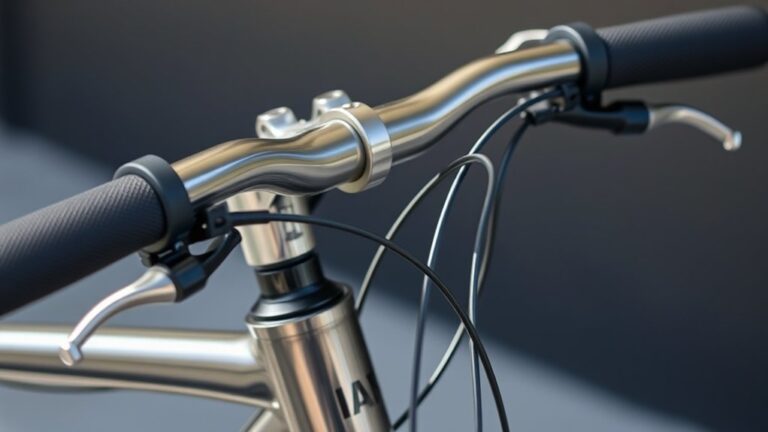
Start by inspecting your shifters and cables to make sure they’re working correctly. Look for any looseness, corrosion, or fraying on the cables, and check that the shifters move smoothly without sticking.
If the cables are dirty or rusted, clean and lubricate them or replace them if needed. Make sure the cables are properly seated in the shifters and housing.
Adjust the cable tension by turning the barrel adjuster. Tightening it increases tension for smoother shifting, while loosening it reduces tension.
Shift through all gears to test how responsive they are, and note any hesitation or skipping. Small tweaks can make a big difference, so adjust gradually until shifting feels crisp and reliable.
Properly maintained shifters and cables are key to smooth, reliable gear changes.
Align and Tune Your Derailleur for Better Performance
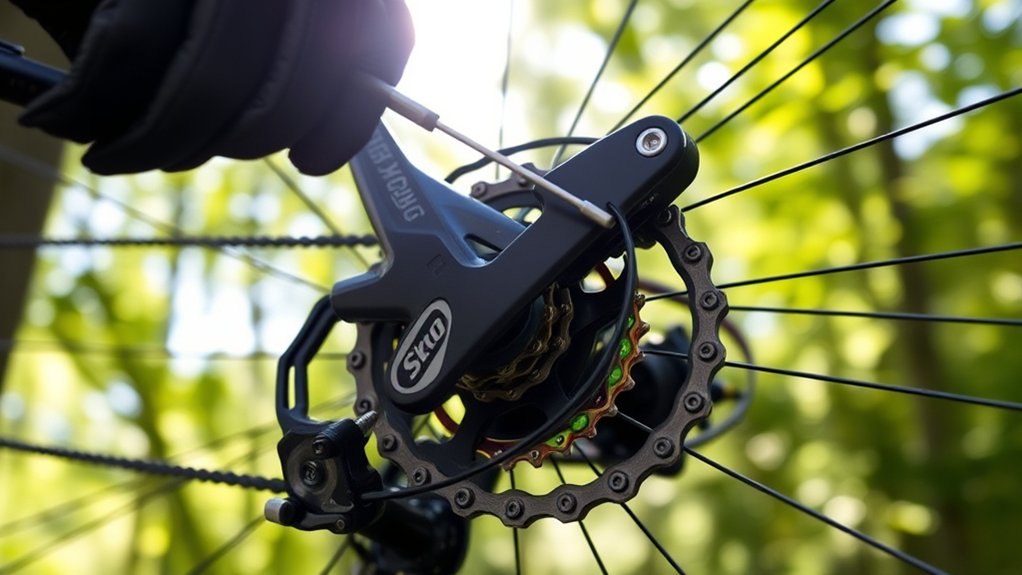
To improve your bike’s shifting, start by checking the derailleur hanger for proper alignment and straighten it if needed. Then, adjust the cable tension so the derailleur moves smoothly across all gears.
Fine-tuning these points guarantees your gears shift accurately and perform reliably.
Adjust Derailleur Hanger
A misaligned derailleur hanger can cause poor shifting, chain drop, and increased wear on your gears. To fix this, start by shifting to the smallest sprocket.
Examine the alignment by eye or use a derailleur hanger alignment tool. If it’s bent, loosen the derailleur mounting bolt and gently realign the hanger by hand or with the tool.
Make sure it’s parallel to the rear wheel’s cogs. Tighten the bolt securely. Afterward, manually shift through all gears to check for smooth changes.
If shifting is still rough, you might need to make more adjustments. Proper alignment helps the derailleur guide the chain accurately across the gears, reducing chain drops and improving shifting.
Regularly checking and adjusting your hanger keeps your bike shifting smoothly.
Fine-Tune Cable T Tension
Fine-tuning your derailleur’s cable tension is key for smooth, accurate shifting. If your gears feel sluggish or jumpy, adjusting the T tension can fix that.
To do this, start by shifting to the smallest chainring and sprocket. Loosen the cable bolt and gently pull the cable to remove any slack. Then, tighten the bolt securely and test your shifting.
If it’s still not crisp, turn the barrel adjuster counterclockwise to increase tension or clockwise to decrease it. Make small tweaks and go for a test ride after each one. Proper cable tension helps your derailleur move smoothly across gears, preventing chain skips or hesitation. Keep your tension just right for reliable, effortless gear changes every time you ride.
Inspect Your Chain and Cassette for Wear and Damage
Start by checking your chain and cassette for rust and dirt, since buildup can mess with shifting.
Next, look closely for damaged or worn teeth on the cassette that could cause slipping.
Finally, assess your chain’s flexibility to make sure it moves smoothly without being too stiff or loose.
Check for Rust and Dirt
Examine your chain and cassette carefully for rust and dirt buildup, as these contaminants can hinder smooth shifting and cause premature wear. Dirt and rust can make the components stick or slip, making gear changes difficult.
To keep your gears running smoothly, follow these steps:
- Clean the chain and cassette with a degreaser and a brush, removing all dirt and grime.
- Rinse thoroughly with water, ensuring no residue remains.
- Dry completely with a cloth to prevent rust formation.
Regular cleaning prevents buildup that affects shifting performance. If you notice stubborn rust, consider using a rust remover or replacing the affected parts. Keeping your drivetrain clean is essential for a smooth, reliable ride.
Examine for Teeth Damage
Your chain and cassette are the gears’ critical components. Even minor damage or wear can cause slipping or poor shifting. Carefully inspect each tooth for signs of damage, like chips, bends, or excessive wear.
Use a magnifying glass if needed to spot subtle issues. Check for uneven wear patterns or missing teeth. Damaged teeth prevent the chain from engaging properly, leading to gear slipping. If you notice significant damage, replacing the affected parts is essential.
| Issue | Symptoms | Solution |
|---|---|---|
| Bent teeth | Chain skips or slips | Replace cassette or chain |
| Missing teeth | Gaps in gear engagement | Replace damaged component |
| Excessive wear | Thin or sharp teeth | Replace cassette or chain |
| Chips or cracks | Poor shifting or slipping | Replace damaged part |
| Uneven wear | Inconsistent gear performance | Replace component |
Assess Chain Flexibility
Although inspecting the chain and cassette might seem simple, it’s important to check their flexibility and how they move. This helps spot wear or damage early. A stiff or sticky chain can cause shifting problems.
To check, try moving the chain back and forth by hand. It should glide smoothly without catching or feeling stiff. If it feels rigid, it’s likely worn or damaged.
Lift the chain off the gears and see if it bends easily. A stiff chain won’t flex properly, which is a sign it needs replacing. Spin the cassette and watch how the chain moves across the sprockets.
Any hesitation or roughness indicates wear. If your chain feels rigid or skips while riding, it’s time for a replacement. Regularly checking chain flexibility keeps shifting smooth and helps extend your drivetrain’s life.
Set Proper Cable Tension for Precise Gear Changes
Getting the cable tension just right is key for smooth, accurate gear shifts. If it’s too tight, shifting can be tough; too loose, and the gears won’t engage properly.
To adjust, find the barrel adjuster near the shifter or derailleur. Turn it clockwise to tighten the cable or counterclockwise to loosen.
Visualize your gear system with this table:
| Tight Cable | Ideal Tension | Loose Cable |
|---|---|---|
| Hard to shift gears | Smooth, responsive shifts | Gears slip or won’t change |
| Excessive resistance | Precise, effortless shifts | Delay or misalignment |
| No slack, overly tight | Balanced, easy shifting | Cable slack causes slipping |
Proper tension makes sure your gears shift effortlessly and accurately.
Lubricate and Clean Your Gears Regularly
Regularly cleaning and lubricating your bike’s gears keeps them functioning smoothly and helps prevent unnecessary wear. When you stay on top of maintenance, your gears will shift effortlessly and last longer.
To do this effectively, start by using a degreaser to remove dirt and grime from the chain, cassette, and derailleur. Rinse everything with water and dry thoroughly to prevent rust.
Next, apply a lightweight bike-specific lubricant to the chain, focusing on the rollers and links. Be sure to wipe off any excess lubricant to avoid attracting dirt.
Regular cleaning and lubrication reduce friction, improve shifting, and extend the lifespan of your drivetrain. Keeping your gears clean and well-lubricated ensures peak performance on every ride and keeps repairs minimal.
Test Ride and Fine-Tune for Perfect Gear Shifting
After you’ve cleaned and lubricated your gears, it’s a good idea to take your bike for a test ride to see how it shifts. Pedal through different gears and pay attention to how smoothly and quickly the chain shifts.
If you notice any hesitations, noise, or slipping, it’s time to fine-tune your derailleur. Use the barrel adjuster to make small tweaks—turn clockwise to tighten the cable or counterclockwise to loosen it.
Shift through all gears again and make sure each one engages without hesitation. If shifting still feels off, check the derailleur alignment and limit screws.
Fine-tuning your gears might take a few tries, but patience is key. With some adjustments, you’ll get precise, effortless shifting, making your ride smoother and more enjoyable.
Frequently Asked Questions
How Often Should I Perform Maintenance on My Mountain Bike Gears?
You should perform maintenance on your mountain bike gears every 20 to 30 rides or once a month, depending on riding conditions.
Regularly clean and lubricate the chain and gears to prevent dirt buildup and ensure smooth shifting. After muddy or wet rides, clean your gears promptly.
Consistent upkeep keeps your gears working well, extends their lifespan, and improves your overall riding experience.
What Tools Are Essential for Fixing Mountain Bike Gears?
You need essential tools like a Phillips or flat-head screwdriver, a chain whip, a cassette lockring tool, a bike stand, and Allen wrenches. These help you remove and adjust the derailleur, cassette, and shifters easily.
A cable cutter and lubricant are also handy for fine-tuning your gear system. Having these tools ready guarantees you can perform quick repairs and keep your mountain bike shifting smoothly.
Can I Fix Gear Problems Without Professional Help?
Yes, you can fix gear problems without professional help if you’re comfortable with basic bike maintenance.
Start by inspecting the derailleur and shifters, then clean and lubricate the chain and cables.
Adjust the derailleur alignment and cable tension as needed.
Follow online tutorials step-by-step, and use the right tools.
If issues persist or you’re unsure, seeking professional help is wise, but many minor problems are manageable on your own.
How Do Weather Conditions Affect Gear Performance?
Weather conditions directly impact your bike gears’ performance. Rain and moisture cause rust and corrosion, which can make gear shifting sluggish or sticky.
Cold temperatures can stiffen cables and lubricants, leading to poor shifting. Hot weather might cause your components to expand, affecting alignment.
To keep your gears working smoothly, regularly clean and lubricate your drivetrain. Store your bike in a dry, sheltered place when you’re not using it.
When Should I Replace My Derailleur or Shifter Components?
You should replace your derailleur or shifter components when they’re visibly damaged, excessively worn, or if shifting becomes inconsistent despite adjustments.
Unlike smooth rides, faulty parts create jerky gear changes and noise. Ignoring these signs can lead to more damage and costly repairs.
Regular inspections help catch issues early, so your bike shifts reliably.
When in doubt, it’s best to consult a mechanic. It’s better to replace parts early than risk a breakdown mid-ride.
Conclusion
Now that you’ve got the steps to fix your mountain bike gears, you’re ready to conquer any trail with confidence. Think of your bike as a trusted partner; tuning it up keeps your rides smooth and effortless.
With a little patience and attention, you’ll master the art of gear shifting like a pro. So, gear up, stay persistent, and let your rides be as seamless as a well-choreographed dance.
Because every ride deserves to be perfect, fixing your mountain bike gears is a step toward better adventures.