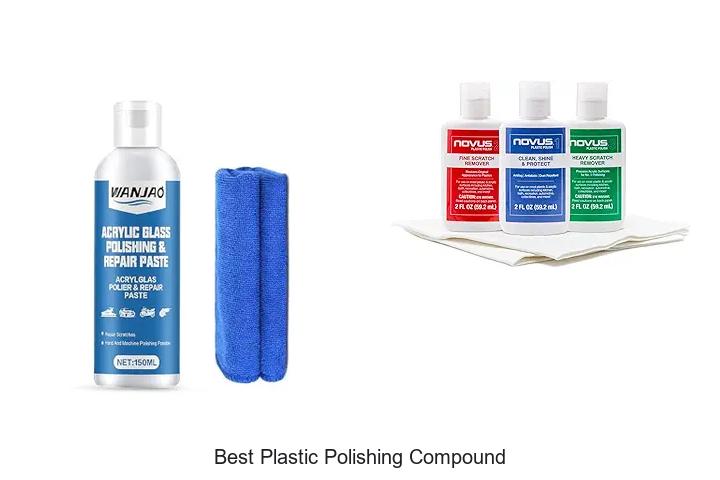
Top 12 Best Plastic Polishing Compound That Will Amaze You
Restoring clarity to scratched or dull plastic surfaces can be a frustrating challenge. Whether you’re dealing with headlights, acrylic displays, or plastic accessories, finding the right product to bring back that smooth, polished finish is key.
This product category is ideal for anyone working on plastic repairs, DIY projects, or maintenance tasks that require gentle but effective polishing. It helps reduce fine scratches, haze, and discoloration, making plastic surfaces look cleaner and more vibrant.
In this review, we will explore some of the top options available, highlight their main features, and guide you through what to expect from each. By the end, you’ll have a clearer understanding of which plastic polishing compound might suit your needs best.
Discover the Ultimate Solutions for Restoring Crystal-Clear Surfaces
| Image | Product | Price |
|---|---|---|
Our Top Picks 1  | Plastic Polishing Compound, High Gloss Restoration&Scratch Removal | Acrylic Polish | Check Price |
Our Top Picks 2  | NOVUS-PK1-2 | Plastic Clean & Shine #1, Fine Scratch Remover | Check Price |
Our Top Picks 3  | TAMIYA Polishing Compound Fine and Finish SET | Check Price |
1. Plastic Polishing Compound, High Gloss Restoration&Scratch Removal | Acrylic Polish
Restore the shine and clarity of your plastic surfaces effortlessly with the Plastic Polishing Compound by WANJAO. Designed to tackle scratches, haze, and oxidation, this high-gloss formula brings dull acrylic and plastic back to life.
Ideal for automotive and household use, it refreshes surfaces to a like-new appearance.
Offering professional-grade results, the compound works efficiently on various materials including acrylic, plexiglass, metal, glass, and ceramics. Its gentle formula removes imperfections without causing damage, making it suitable for both machine and manual polishing. The ready-to-use paste applies smoothly without splashing or sticking, simplifying the restoration process anywhere you need it.
The ready-to-use paste applies smoothly without splashing or sticking, simplifying the restoration process anywhere you need it.
This plastic polishing compound excels as a restorative solution to maintain and enhance clear plastic parts. It removes scratches and oxidation quickly while protecting the underlying surface.
The formula blends efficiency with care, allowing use on automotive parts, furniture, and household plastic decorations. Its moderate consistency prevents mess and makes manual operation straightforward.
Construction quality ensures durability without compromising on finish quality, providing durable shine and protection against future dullness. This product suits users aiming to preserve or revive acrylic, plastic, or mixed material items without professional tools or harsh chemicals.
Pros
- Effectively removes scratches, haze, and oxidation on plastic surfaces
- Compatible with both manual and machine polishing methods
- Safe for use on various materials including acrylic, metal, and glass
Cons
- May require multiple applications for deeper scratches
This polishing compound provides a reliable and user-friendly solution for maintaining the clarity and gloss of plastic and acrylic surfaces. Its versatility and smooth application make it a practical choice for both home and automotive restoration tasks.
| Specification | Details |
|---|---|
| Brand | WANJAO |
| Quantity | 5.07 Fluid Ounces (1 Pack) |
| Included Components | Acrylic Polishing Compound |
| Model | XYUS056 |
| Application | Manual or machine polishing |
| Material Compatibility | Plastic, Acrylic, Metal, Glass, Ceramics |
For those who want a straightforward and effective way to enhance plastic surfaces, this compound meets expectations. While it may take a few treatments on tougher blemishes, most users will appreciate its gentle formula and adaptability. It strikes a good balance between performance and ease of use, making it a solid choice for a variety of restoration needs.
It strikes a good balance between performance and ease of use, making it a solid choice for a variety of restoration needs.
2. NOVUS-PK1-2 | Plastic Clean & Shine #1, Fine Scratch Remover
Restore the shine and clarity of your plastic surfaces with the NOVUS-PK1-2 Plastic Clean & Shine # This fine scratch remover serves as the first step in a professional-grade three-step system designed to clean, restore, polish, and protect plastic materials effectively. It brings a fresh new look to acrylics, plexiglass, and similar surfaces that may have dulled over time.
Designed for durability and superior performance, this product works wonders for erasing light scratches while rejuvenating the surface’s brilliance. It can be used on a variety of plastic items, making it a versatile tool for maintaining the aesthetics of valuable possessions.
NOVUS-PK1-2 is part of a complete three-step plastic restoration system, including fine and heavy scratch removers. The #1 Clean & Shine formula removes light abrasions and hazing, restoring the original clarity of acrylic and plastic surfaces. It provides a professional-level finish suitable for boat windows, car interiors, and display cases.
The formula’s versatility extends across various plastics, ensuring thorough cleaning without harsh chemicals or residues. Application is straightforward, requiring only a small amount and a soft cloth for effective polishing. This compound extends plastic life by rejuvenating surfaces, reducing the need for costly replacements while minimizing environmental waste.
This compound extends plastic life by rejuvenating surfaces, reducing the need for costly replacements while minimizing environmental waste.
Users will find this product ideal for maintaining plastic surfaces that require gentle yet effective care. However, caution is suggested for coated or UV-treated plastics and eyeglass lenses, where testing in an inconspicuous area is recommended to prevent damage. The product’s ease of use combined with lasting results provides excellent value to anyone seeking to maintain the pristine look of plastic materials.
The product’s ease of use combined with lasting results provides excellent value to anyone seeking to maintain the pristine look of plastic materials.
Pros
- Effectively removes fine scratches and restores plastic clarity
- Suitable for multiple plastic surfaces like acrylic and plexiglass
- Easy application with an unscented, liquid formula
Cons
- Not recommended for coated plastics, UV-treated surfaces, or eyeglass lenses
The NOVUS-PK1-2 Plastic Clean & Shine #1 offers a straightforward and effective way to renew plastic surfaces with professional results. Its gentle yet powerful formula keeps plastics looking clear and polished while extending their lifespan.
| Specification | Details |
|---|---|
| Item Form | Liquid |
| Scent | Unscented |
| Specific Uses | Automotive Exterior |
| Surface Recommendation | Fiberglass, Plastic, Stone |
Having tested various plastic polish options, I find this product particularly effective for light scratch removal and surface brightening. It fits well into a maintenance routine for plastic panels or covers without overwhelming the user with complex steps. Its reusability and multi-surface capabilities also make it a reliable choice for long-term care.
Its reusability and multi-surface capabilities also make it a reliable choice for long-term care.
3. TAMIYA Polishing Compound Fine and Finish SET
Achieve flawless surfaces with the TAMIYA Polishing Compound Fine and Finish SET. Designed for precision and professional-quality results, this set provides everything needed to bring out a brilliant shine on plastic and painted materials.
Whether refining model kits or restoring glossy finishes, these compounds help enhance details and smooth imperfections effectively and efficiently.
Crafted by TAMIYA, a trusted name in hobby and industrial tools, this polishing compound set includes two essential grades for stepwise polishing. The Fine compound removes light scratches and uneven spots, preparing surfaces for a sleek final finish.
The Finish compound delivers the ultimate smoothness and high gloss without damaging delicate materials. Both compounds are easy to apply and wipe off cleanly, avoiding residue or clogging.
Build quality reflects TAMIYA’s commitment to reliability, with consistent texture in the compounds for predictable polishing performance. The formula blends abrasives that work harmoniously on plastics, acrylics, and similar surfaces.
Handling is straightforward with clear instructions, making it suitable for hobbyists and professionals alike. The set offers excellent value by combining both polishing stages, streamlining refinishing tasks without needing separate products.
Compared to other polishing options, this set stands out due to its balance of gentle abrasion and refinement for delicate plastic surfaces, ensuring no harm during polishing. Ideal for detailed model builders, restorers, and crafters seeking a superior finish on hard-to-treat materials.
Pros
- Includes both fine and finish compounds for thorough polishing
- Gentle abrasive formula ideal for plastic and delicate surfaces
- Easy to use with clean wipes and no residue
Cons
- May require multiple applications for deep scratches
The TAMIYA Polishing Compound Fine and Finish SET delivers precision and shine suited for a range of plastic polishing needs. Its dual-compound approach supports both scratch removal and high gloss finishing in one convenient kit.
| Specification | Details |
|---|---|
| Brand | TAMIYA |
| Item | Polishing Compound Set |
| Model Number | TAM87070 |
| Set Name | Polishing Compound Fine and Finish SET |
| Unit Count | 1 Set |
| Manufacturer | Tamiya |
| Number of Packs | 2 |
Based on personal experience, this polishing compound set balances effectiveness with ease of use to produce high-quality results. It stands out when compared to other abrasives by protecting delicate finishes while still delivering a smooth, lustrous surface.
4. NOVUS-PK1-2 | Plastic Clean & Shine #1, Fine Scratch Remover

The NOVUS-PK1-2 Plastic Clean & Shine #1 offers a complete solution for restoring clarity and gloss to plastic surfaces. Its unique three-step system cleans, polishes, and removes fine to heavy scratches effectively.
Designed for those seeking quality care for plastic surfaces, it restores faded plastics and protects them for long-lasting shine. Ideal for automotive plastic shields, acrylic displays, and household items, this kit extends the life of plastics while reducing waste. Its compact bottles and included polishing towels make the process straightforward and tidy.
NOVUS Plastic Clean & Shine #1 addresses plastic surface imperfections with a targeted three-stage approach. Each 2-ounce bottle contains a specialized polish or scratch remover that tackles fine and heavy scratches without damaging the surface. Together, they work harmoniously to refresh acrylics and plastic shields with ease and precision.
The formula is gentle yet effective, restoring clarity and gloss without harsh abrasives. Using the disposable Polish Mates towels simplifies application and cleanup. While powerful, it requires testing on a small spot, especially on coated or UV-treated plastics, to avoid damage.
While powerful, it requires testing on a small spot, especially on coated or UV-treated plastics, to avoid damage.
This pack is suitable for vehicle plastics, display cases, and other acrylic items needing durable care. It delivers impressive results comparable to professional plastic restoration products but allows convenient at-home use. The kit combines value, performance, and environmental benefits by promoting reuse over replacement.
The kit combines value, performance, and environmental benefits by promoting reuse over replacement.
Pros
- Comprehensive 3-step system for cleaning and polishing plastics
- Includes disposable towels for easy, mess-free polishing
- Effectively removes both fine and heavy scratches from acrylic surfaces
Cons
- Not suitable for coated plastics, UV-protected surfaces, or eyeglass lenses
The NOVUS kit stands out as a reliable choice to restore plastic clarity and extend the life of acrylic surfaces. Its specialized polish removers provide versatile care for various plastic items while minimizing environmental impact.
For those needing an accessible and effective plastic polishing solution, it represents a strong contender in comparison to standalone polishes or scratch removers.
| Brand Name | Novus |
|---|---|
| Number of Packs | 1 |
| Unit Count | 2 Fluid Ounces per bottle |
| Set Name | NOVUS-PK1-2 |
| Model | IKE6201.32 |
| Manufacturer | Novus |
From my experience, this kit consistently revives plastic items with minimal effort. The included products complement each other well, making it suitable for home users and professionals alike.
5. NOVUS-PK2-2 | Plastic Clean & Shine #1, Fine Scratch Remover

NOVUS-PK2-2 | Plastic Clean & Shine #1, Fine Scratch Remover offers a reliable solution for restoring and maintaining the clarity of plastic surfaces. It combines cleaning and polishing in a compact kit, ideal for use on vehicles and various plastic items.
This set effectively removes fine scratches while enhancing shine and protection.
Designed for autos, boats, planes, and motorcycles, the kit is a perfect companion for keeping plastic surfaces looking refreshed. Its versatility and convenience make it a practical choice for preserving valuable possessions.
The kit includes two 2-ounce bottles: NOVUS #1 Plastic Clean and Shine and NOVUS #2 Fine Scratch Remover. The first features antifog, antistatic, and dust-repellent properties, which help maintain clarity and reduce surface contaminants.
It prepares plastics for gentle polishing with the #2 compound that diminishes fine scratches effectively.
Both products are liquid formulas that work smoothly on a variety of plastic surfaces without abrasive damage. However, avoid using them on coated plastics, UV-protected surfaces, or eyeglass lenses to prevent permanent harm. The package also contains disposable towels for easy application and cleanup, providing a mess-free experience.
The package also contains disposable towels for easy application and cleanup, providing a mess-free experience.
Compact and portable, the kit fits easily in glove compartments or carrying cases, enabling quick touch-ups on the go. The combination of cleaning, polishing, and scratch removal makes this kit a cost-effective solution to protect plastic shields and extend their lifespan.
Users seeking improved plastic surface care will find it particularly beneficial.
Pros
- Restores and maintains plastic clarity with antifog and dust-repellent action
- Effectively removes fine scratches while polishing surfaces smoothly
- Compact kit is portable and easy to use anywhere
Cons
- Not suitable for coated plastics, UV-protected items, or eyeglass lenses
For anyone looking to clean and polish plastic surfaces with ease, this kit offers a balanced blend of performance and convenience. It protects investments by keeping plastic shields clear and scratch-free through regular maintenance. Proper use ensures lasting results and enhances overall appearance.
Proper use ensures lasting results and enhances overall appearance.
| Specification | Details |
|---|---|
| Item Form | Liquid |
| Surface Recommendation | Plastic (excluding coated or UV-protected surfaces and eyeglass lenses) |
| Contents | NOVUS #1 Plastic Clean and Shine (2 oz), NOVUS #2 Fine Scratch Remover (2 oz), Disposable Towels |
| Main Benefits | Antifog, Antistatic, Dust Repellent, Fine Scratch Removal |
| Ideal For | Autos, boats, planes, motorcycles, general plastic maintenance |
The ease of use and the cleaning efficiency make this kit stand out among plastic polishing compounds. Its specialized formula caters to everyday users as well as those needing occasional plastic restoration. Using this kit regularly can maintain appearance and extend the life of plastic surfaces effectively.
Using this kit regularly can maintain appearance and extend the life of plastic surfaces effectively.
6. Tamiya Polishing Paste Fine Compound 87069&Finishing Compound 87070&Compound Applicator Cloths

The Tamiya Polishing Paste Fine Compound 87069&Finishing Compound 87070&Compound Applicator Cloths offer a precise solution for achieving flawless plastic surfaces. Designed to bring out a glossy shine and restore clarity, this set combines two specialized compounds with dedicated applicator cloths for seamless polishing.
Whether refining painted models or removing scratches from clear parts, the formula works gently yet effectively to elevate any plastic finish. Its water-rinseable nature ensures ease of cleanup without residue.
This polishing set includes two compounds: Fine (#87069) and Finish (#87070). Both contain uniformly sized abrasive particles that polish without leaving marks.
For darker surfaces or deeper scratches, the Finish compound delivers a cleaner, more refined sheen. Users should exercise care near edges to prevent paint removal.
Included are 10 applicator cloths in two colors, optimized for polishing plastic models. These cloths enable targeted application and help prevent cross-contamination between compounds.
They measure approximately 10 cm square, efficiently sized for maneuverability, and can be washed and reused without losing effectiveness.
Construction quality of the compounds is reliable, offering consistent performance for hobbyists and professionals alike. The lightweight packaging makes this set easy to handle and store. Its dual-compound design offers flexibility depending on the plastic type and level of polishing required.
Its dual-compound design offers flexibility depending on the plastic type and level of polishing required.
Moreover, when compared to alternatives, this set stands out for its water-soluble properties and user-friendly cloth applicators. Overall, it balances thoroughness and gentleness without over-aggressive abrasion.
Pros
- Uniform abrasive particles provide scratch-free polishing
- Includes two compounds suited for various colors and finishes
- Reusable cloths prevent cross-contamination and enhance precision
Cons
- Potential risk of paint removal near edges if overused
Combining efficiency with careful formulation, this polishing paste set improves the look of plastic surfaces with minimal effort. Its thoughtful inclusion of applicator cloths promotes neat polishing routines and long-term usability.
| Specification | Details |
|---|---|
| Brand Name | Someie |
| Set Components | Fine Compound (#87069), Finish Compound (#87070), 10 Applicator Cloths (Grey & Blue) |
| Compound Volume | 22 ml each |
| Cloth Size | 10 cm x 10 cm (3.94″ x 3.94″) |
| Part Number | 87069, 87070 |
| Unit Count | 12 Count |
From personal use, the fine consistency and ease of wiping off residuals make maintenance simple. The distinct cloth colors help maintain neatness and prevent mixing compounds mid-project.
7. 2PCS Ultimate Scratch Remover, 3.53 Fl Oz, Plastic Polish Scratchs

Restore your vehicle’s appearance with the 2PCS Ultimate Scratch Remover kit. This product tackles stubborn scratches and dull plastic surfaces efficiently, bringing back a smooth, polished look.
It offers a simple yet effective way to maintain your car’s finish and enhance its overall shine.
Designed to work on both plastic and painted surfaces, this scratch remover kit is a handy addition for anyone looking to keep their vehicle in top shape. Its compact size and easy application process make repair jobs quick and manageable.
Specially formulated to address deep scratches and scuffs, the clear polishing paste dissolves blemishes from paint and various plastic parts. It excels at restoring clarity to headlights, trims, and panels without causing damage to delicate surfaces. The product spreads smoothly and buffs out easily, leaving no residue behind.
The product spreads smoothly and buffs out easily, leaving no residue behind.
Each container holds 53 fl oz, ensuring enough compound for multiple uses across your vehicle. The included polishing cloth helps apply the paste evenly, maximizing scratch coverage and improving efficiency.
The included polishing cloth helps apply the paste evenly, maximizing scratch coverage and improving efficiency. The formula is suitable for a broad range of scratches, giving it versatility beyond just minor imperfections.
With straightforward instructions, anyone can apply the compound without professional help. The product’s performance offers a clear improvement in appearance, rivaling some higher-priced alternatives.
Its blend of practicality and efficiency makes it ideal for auto owners wanting an affordable and effective solution to surface damage.
Pros
- Effectively removes deep scratches and scuff marks
- Restores plastic surfaces to a clear, polished finish
- Easy to apply with included polishing cloth
Cons
- Results may vary on very severe damages
The 2PCS Ultimate Scratch Remover provides a reliable solution for cosmetic damage on cars. It balances ease of use with an effective formula, making it a practical choice for maintaining automotive surfaces. Below is a detailed specification overview for quick reference.
Below is a detailed specification overview for quick reference.
| Brand | TIMLIFE |
|---|---|
| Number of Packs | 2 |
| Set Name | Scratch Car Scratch Remover Kit |
| Unit Count | 2 Count |
| Includes | Scratch Remover Compound, Polishing Cloth |
| Container Size | 3.53 Fl Oz per container |
From personal experience, this kit serves well for light to moderate scratches and plastic haze. While it may not replace professional-level repair for deep gouges, the ease of application and visible improvements make it a good value for routine maintenance and minor cosmetic fixes.
8. Turtle Wax T-417 Premium Grade Clean Cut Polishing Compound –

Restore your vehicle’s shine with the Turtle Wax T-417 Premium Grade Clean Cut Polishing Compound. Designed to eliminate light swirl marks and minor scratches, it brings out a brilliant gloss on automotive painted surfaces.
Its silicone-free formula ensures a safe and professional finish, making it ideal for both DIY users and experts in paint and body shops.
This polishing compound works efficiently by hand or with polishers, offering versatile application options.
The Turtle Wax T-417 Polishing Compound effectively removes oxidation without harming paint finishes. It is suitable for all types of automotive paints, preserving the original color and gloss. The formula is crafted to restore surface smoothness, helping your car look freshly detailed.
Application can be easily done manually or with orbital and rotary polishers, providing flexibility depending on your preferred technique. The silicone-free nature means no residue buildup, making cleanup quick and simple after use.
Durability and quality are emphasized through its premium-grade ingredients, ensuring consistent performance every time. Whether maintaining personal vehicles or professional detailing, it delivers noticeable improvements in appearance with minimal effort.
Perfect for car owners, detailers, and body shops seeking a reliable solution for minor paint imperfections.
Perfect for car owners, detailers, and body shops seeking a reliable solution for minor paint imperfections. Its ease of use, combined with professional-grade results, makes it a worthy addition to any automotive care routine.
Pros
- Removes light swirl marks, scratches, and oxidation effectively
- Safe silicone-free formula suitable for all finishes
- Can be applied by hand or with orbital/rotary polishers
Cons
- May require multiple applications for deeper scratches
Offering a balance of ease and professionalism, Turtle Wax T-417 Premium Grade Clean Cut Polishing Compound is a practical solution for improving automotive paint conditions. It stands out from other compounds by combining versatility with a user-friendly formula.
From personal experience, this polishing compound delivers a smooth, glossy finish with minimal hassle. It’s a noteworthy option for anyone aiming to revive paint surfaces without aggressive abrasion.
Its adaptability in use and reliable results make it a great companion in automotive care.
9. Chemical Guys, V32 Optical Grade Extreme Cutting Compound, Heavy Cut,

Restore your vehicle’s finish with the Chemical Guys V32 Optical Grade Extreme Cutting Compound. Designed to tackle tough imperfections, it delivers excellent cutting power while preserving delicate ceramic and scratch-resistant coatings. Achieve a smooth, flawless surface quickly and efficiently.
Achieve a smooth, flawless surface quickly and efficiently.
This heavy cut compound excels at removing sanding scratches between 1200 to 1500 grit, making it a reliable choice for serious paint correction. Its formulation excludes silicone or fillers, ensuring a clean finish without residue build-up.
Specially engineered for use with both dual action and rotary polishers, this compound adapts dynamically to your polishing tools. Its aggressive cutting ability addresses rough surfaces with ease, yet it leaves a refined finish ready for finer polishing stages.
The product’s composition supports scratch-resistant and ceramic clear coats, a feature not common in many heavy cut compounds. Users find it effective for clearing sanding marks and deep defects, speeding up the restoration process.
Additionally, it offers versatility for professionals and detailers who require dependable performance across various paint types. Despite its strong cutting properties, the compound maintains polishability and ease of use. This combination of strength and finesse makes it suitable for those focused on quality results without sacrificing efficiency or finish quality.
This combination of strength and finesse makes it suitable for those focused on quality results without sacrificing efficiency or finish quality.
Pros
- Efficiently removes 1200-1500 grit sanding scratches
- Safe for scratch-resistant and ceramic clear coats
- Free from silicone and fillers for a clean finish
Cons
- Performance depends on proper polisher technique
Chemical Guys V32 Optical Grade Heavy Cutting Compound stands out for combining powerful abrasion with compatibility for advanced clear coats. It’s a practical choice for automotive professionals or detailers aiming for superior paint correction without compromising surface integrity.
| Specification | Details |
|---|---|
| Brand Name | Chemical Guys |
| Model | GAP_V32_04SW |
| Unit Count | 1 Count |
| Part Number | GAP_V32_04SW |
| Compatible Equipment | Dual Action and Rotary Polishers |
| Removes | 1200-1500 Grit Sanding Scratches |
| Formulation | Silicone & Filler Free |
From my experience, this compound offers a balanced solution for aggressive scratch removal while protecting delicate coatings. It performs well when applied correctly and is a dependable addition for those focusing on professional-grade automotive paint care.
10. SCOTTCHEN Mini Buffing Polishing Cutting Compounds 4 Oz. Kit –

Achieve an exceptional smooth and mirror-like finish on various surfaces with the SCOTTCHEN Mini Buffing Polishing Cutting Compounds 4 Oz. Kit.
Whether handling metals or jewelry pieces, these compounds provide consistent results by gradually refining surfaces from coarse to super fine grit. The compact size and color-coded bars simplify identification and application, offering precision for both hobbyists and professionals.
The SCOTTCHEN polishing compounds kit includes three color-coded bars to guide users through progressive polishing stages. Red indicates coarse grit for initial cutting, white stands for fine polishing, and green represents a super fine finish for ultimate shine.
Applying the compounds is straightforward. Simply turn the buffing wheel on a grinder, motor, or drill, then lightly press the compound against the rotating wheel.
The heat and friction transfer the compound, enabling seamless polishing on a variety of metals. The bars measure 2-3/8” x 7/8” x 5/8” and weigh 35 grams each, making them easy to handle and store.
This set suits users performing jewelry restoration, metalworks, or general surface finishing projects. Its versatility allows use on materials such as iron, aluminum alloy, silver, gold, and bronze with consistent performance.
The kit provides evident value through effective finishes and long-lasting compounds, streamlining polishing tasks without requiring frequent replacements.
Pros
- Three color-coded grits for progressive polishing stages
- Simple application using common buffing wheels and drills
- Effective on a wide range of metals, enhancing versatility
Cons
- Limited to small to medium-sized polishing areas due to kit size
The SCOTTCHEN Mini Buffing Polishing Cutting Compounds kit is a practical solution for detailed polishing projects. Its compact, easy-to-use bars deliver smooth finishes on metal surfaces, making it ideal for jewelry makers and metal fabricators.
The combination of grit levels ensures a thorough approach from cutting to final shine.
| Brand Name | SCOTTCHEN |
|---|---|
| Number of Packs | 3 |
| Package Includes | 3 Polishing Compound Bars |
| Material | Aluminum Oxide |
| Dimensions (L x W x H) | 2-3/8” x 7/8” x 5/8” |
| Weight per Bar | 35g |
| Color Coding | Red (Coarse), White (Fine), Green (Super Fine) |
| Suitable Materials | Stainless Steel, Steel, Iron, Aluminum Alloy, Brass, Bronze, Copper, Silver, Gold |
| Model Number | PGL-01 |
Compared to similar polishing kits, this set provides a well-rounded set of grit options with quality abrasive material. It’s especially suitable for precision work requiring multiple grit levels in a compact form.
11. Meguiar’s PlastX Clear Plastic Polish, Headlight Restoration Polish, Plastic Cleaner

Meguiar’s PlastX Clear Plastic Polish offers a reliable solution for restoring clarity to plastic surfaces on vehicles. Designed to remove cloudiness, oxidation, and fine scratches, this polish revives headlights and other uncoated clear plastics swiftly and effectively.
With six 10 oz bottles included, this package ensures you have enough product to maintain multiple plastic surfaces over time. Its one-step formula makes polishing straightforward and accessible for anyone looking to improve vehicle aesthetics.
Meguiar’s PlastX provides excellent restoration by working on rigid and flexible plastics without requiring separate sanding or complicated steps. The formula tackles yellowing and haze efficiently, making it suitable for headlights, brake lights, Plexiglass, and convertible windows. Lightweight and easy to apply, the liquid polish spreads smoothly on affected surfaces, enabling even novices to achieve professional results.
The advantage of the multipack means consistent upkeep without searching for replacements. Each application refreshes clarity and enhances safety by improving headlight brightness.
Additionally, the liquid’s quick action saves time compared to some abrasive methods. Its gentle yet effective formula preserves the plastic’s integrity without leaving residues.
Overall, this polish serves well for vehicle owners aiming to extend the life and appearance of their clear plastic parts. It balances performance and user-friendliness, standing out among similar plastic cleaners for automotive care.
Ideal for DIYers and those maintaining older or weathered vehicles.
Pros
- Restores clarity by removing haze, oxidation, and scratches
- Works on multiple types of uncoated clear plastic surfaces
- Value pack with six bottles ensures long-term use
Cons
- Not intended for use on coated or painted plastics
Meguiar’s PlastX Clear Plastic Polish stands as a practical choice to restore and maintain plastics on vehicles, especially for headlight care. Its versatile formula and bulk packaging promote both effectiveness and convenience.
Below is a specification summary to help review key details.
| Brand Name | Meguiar’s |
|---|---|
| Set Name | Meguiar’s PlastX Clear Plastic Cleaner Polish 6 Pack |
| Unit Count | 6 Count (10 oz each) |
| Model | G12310 |
| Includes | PlastX Clear Plastic Cleaner & Polish |
This product delivers consistent performance with minimal effort, making it a smart addition to any vehicle care routine. Its strength lies in simplicity and reliability, offering a safe solution to refresh plastic surfaces without complicated preparation steps.
12. Meguiar’s PlastX Clear Plastic Polish, Fast Clear Plastic Restorer for

Meguiar’s PlastX Clear Plastic Polish offers a reliable solution for restoring clarity to worn plastic surfaces. Designed to erase scratches and cloudiness, it revives headlights, taillights, and other clear plastics, extending their lifespan and improving appearance.
Engineered with an invisible polishing compound, the formula not only removes oxidation but also leaves behind water-resistant polymers. This enhances durability and reduces the need for frequent replacements, making maintenance straightforward and effective.
Formulated to work efficiently on various clear plastic materials, PlastX delivers noticeable results with minimal effort. The included foam applicator pads ensure even coverage without damaging delicate surfaces.
These pads are machine washable, promoting repeated use and value.
Application is straightforward, requiring just a few minutes to reverse years of scratching and yellowing on headlights or plexiglass panels. Enhancing light transmission improves safety by boosting brightness and distance visibility while driving.
The product benefits from Meguiar’s long heritage of innovation in automotive care, reflecting years of expertise in surface restoration. Its balanced formula offers strong performance without excessive abrasiveness, preserving your plastics’ integrity over time.
Pros
- Effectively removes scratches, oxidation, and cloudiness from clear plastics
- Includes four ultra-soft foam applicator pads for smooth, even application
- Leaves water-resistant polymers for longer-lasting protection
Cons
- Works best on uncoated plastics and may require multiple applications on heavily damaged surfaces
Providing clear restoration and easy use, Meguiar’s PlastX offers great value for maintaining plastic surfaces. By efficiently reviving headlights and other clear parts, it supports safer driving conditions and prolongs product life. Its gentle yet effective formula stands out compared to harsher compounds.
| Specification | Details |
|---|---|
| Brand Name | Meguiar’s |
| Set Contents | PlastX Clear Plastic Polish + 4 Foam Applicator Pads |
| Unit Count | 1 Count |
| Manufacturer | Meguiar’s |
The combination of practical design and trusted formulation makes this clear plastic polish a dependable choice. It suits anyone looking to restore clarity quickly with minimal tools.
Top Tips to Choose the Best Plastic Polishing Compound
Effectiveness and compatibility
When selecting the best plastic polishing compound, understanding its suitability for different plastic types such as acrylic and polycarbonate is key. A quality compound should effectively address surface scratches, providing varying levels of removal depending on the severity of the damage, from minor blemishes to more noticeable imperfections.
Considering these features helps in choosing a product that not only improves the plastic’s look but also maintains its durability and transparency over time.
Durability and longterm results
Choosing the right plastic polishing compound involves paying attention to how well it resists future scratches and damage, which greatly affects the longevity of the polished finish. A compound that forms a protective layer can help maintain a smooth surface longer, reducing the need for frequent reapplication.
Environmental factors also play a role in how durable the finish remains; exposure to intense sunlight, moisture, or harsh chemicals can degrade the polish over time. Select a product formulated to withstand these elements, especially if the polished item will be used outdoors or in challenging conditions. By considering these aspects, the polished surface can retain its clarity and sheen, providing satisfaction through lasting results.
Application and ease of use
Choosing the best plastic polishing compound involves understanding how it will be applied and how user-friendly it is for different skill levels. Many compounds work well when applied by hand using a soft cloth, allowing precise control and ease for beginners. For those with access to polishing machines, certain formulations are designed to be machine-friendly, reducing the effort and time required for a thorough polish.
For those with access to polishing machines, certain formulations are designed to be machine-friendly, reducing the effort and time required for a thorough polish. Drying times can vary, but a good plastic polishing compound typically buffs quickly, allowing for immediate results without extended waiting periods. The buffing process usually involves gentle circular motions until the desired shine or clarity is achieved, which can be easily managed even by those new to polishing.
Some products include instructions that guide users through each step, making them approachable for novices while still meeting the expectations of professionals who require efficiency and consistent outcomes. Overall, understanding these aspects ensures a smoother application and helps users choose a product that matches their comfort level and polishing needs.
Safety and chemical composition
When selecting the best plastic polishing compound, paying attention to how the product interacts with the plastic surface is key. Some compounds are designed to be gentle enough to restore clarity without causing damage or weakening the material, while others may contain harsher chemicals that can compromise the plastic’s integrity over time.
Additionally, environmentally conscious buyers may prefer biodegradable or ecofriendly options that break down naturally and avoid contributing to pollution. These choices balance effective polishing performance with a reduced environmental footprint and safer handling conditions, making the process smoother and more responsible.
Understanding these factors helps in finding a polishing compound that not only delivers a brilliant finish but also aligns with personal health and ecological values.
Types of plastic polishing compounds
Selecting the right product for polishing plastics depends on understanding the differences between abrasive and nonabrasive compounds as each offers distinct advantages. Abrasive compounds are designed to remove scratches and surface imperfections by gently wearing down the plastic, making them suitable for restoring clarity on items like headlights or acrylic panels.
In contrast, nonabrasive compounds focus on enhancing shine and providing a protective finish without removing material, often preferred for delicate or soft plastics prone to damage. These polishing compounds come in various forms including paste, liquid, and cream, which differ in ease of application and consistency. Pastes tend to be thicker and stay in place during use, making them ideal for hand polishing detailed or vertical surfaces.
Liquids spread easily and can be applied with a cloth or polishing pad, allowing for quicker coverage of larger areas. Creams strike a balance by combining moderate thickness with spreadability, often providing a smoother finish with minimal effort.
Additionally, there are specialty formulas tailored to specific plastic types such as polycarbonate, acrylic, or PVC, enhancing effectiveness by accommodating the unique hardness or sensitivity of these materials. When choosing a product, factors like the plastic’s condition, the desired finish, and application method should guide the decision to find a suitable polishing compound that restores clarity and protects the surface without causing damage.
Price and availability
Choosing the best plastic polishing compound involves understanding how different products perform and what kind of results you expect. These compounds are designed to restore clarity and smoothness to plastic surfaces by removing scratches, haze, or oxidation.
Common use cases include refreshing headlights, acrylic displays, or plastic trims on vehicles and household items. When selecting a product, finding the right balance between effectiveness and cost ensures you achieve great results without overspending. Compounds come in various package sizes, so evaluating the amount you need against its price per unit can lead to better value for money.
Many good options are easily found both in physical stores and online platforms, making the purchase convenient whether you prefer browsing shelves or ordering from home. Taking these factors into account helps in picking a plastic polishing compound that suits your project and budget perfectly.
People Also Asked
What Are The Key Ingredients To Look For In A High-Quality Plastic Polishing Compound?
Key ingredients in a high-quality plastic polishing compound include fine abrasive particles for effective scratch removal and a lubricant to prevent overheating and ensure smooth application. Additionally, it often contains polishing agents that enhance clarity and restore the plastic’s original shine.
Can Plastic Polishing Compounds Be Used On Automotive Headlights?
Yes, plastic polishing compounds can be used on automotive headlights to remove oxidation and restore clarity. However, it’s important to use a compound specifically designed for automotive plastics to avoid damage.
How Do I Properly Apply Plastic Polishing Compound For The Best Results?
To properly apply plastic polishing compound, first clean the surface thoroughly and apply a small amount of compound to a soft, clean cloth or polishing pad. Then, gently rub the compound onto the plastic in circular motions, applying even pressure until the surface becomes clear and shiny, followed by wiping off any residue with a clean microfiber cloth.
How Do I Choose The Right Plastic Polishing Compound For Different Types Of Plastics?
To choose the right plastic polishing compound, consider the type of plastic you are working with (e.g., acrylic, polycarbonate) and select a compound specifically formulated for that material to avoid damage. Additionally, check the compound’s abrasiveness level, starting with a finer grit for delicate plastics and a more abrasive one for tougher surfaces.
What Is The Best Plastic Polishing Compound For Removing Scratches?
The best plastic polishing compound for removing scratches is a fine abrasive like Novus Plastic Polish #2, which effectively removes light to moderate scratches without damaging the surface. For deeper scratches, starting with a coarser compound like Meguiar’s PlastX before finishing with a finer polish can yield the best results.
Conclusion
Choosing the best plastic polishing compound involves balancing effectiveness with ease of use and safety for different plastic types. These compounds can remarkably restore clarity and remove scratches, making surfaces look nearly new again. However, some products may require multiple applications or specific tools to achieve the best results, and sensitivity to softer plastics varies.
However, some products may require multiple applications or specific tools to achieve the best results, and sensitivity to softer plastics varies. The best plastic polishing compound fits those who want dependable performance for automotive, household, or hobby projects without extensive preparation. For buyers concerned about surface damage or residue, selecting a formula designed for your particular plastic material is advisable.
Ultimately, this type of polishing compound offers a practical solution for revitalizing plastic surfaces, helping you decide based on the level of restoration needed and the product’s compatibility with your specific application.