10 Steps to Change Gears on a Hybrid Bike
Many hybrid bike riders find themselves frustrated when shifting gears smoothly. You’re not alone—mastering gear changes can be tricky, especially if you’re new to biking or dealing with a misaligned derailleur.
To change gears on your hybrid bike, start by checking that your bike is clean and the derailleur is aligned. Shift to the appropriate gear before hitting any challenging terrain.
Use your shifters smoothly—press gently and avoid shifting under heavy load. Keep pedaling steady during the shift, and change gears gradually.
Watch out for common mistakes like overlapping gears or skipping. If issues pop up, there are simple maintenance tips that can help.
Continue exploring for expert advice to master your gear shifts.
Key Takeaways
- Check the gear shifter and derailleur to make sure everything is moving smoothly and properly aligned before you start shifting.
- Ease up on the pedals and shift one gear at a time using the appropriate shifter, whether it’s trigger or grip.
- Think ahead and anticipate terrain changes. Shift early to make transitions smoother and improve your efficiency.
- Try to avoid shifting when you’re pedaling hard or under a heavy load. It can cause damage or lead to skipped gears.
- After shifting, check that the gear indicator lines up correctly. If it doesn’t, make some adjustments to get it just right.
Understanding Your Hybrid Bike Gears and Why They Matter
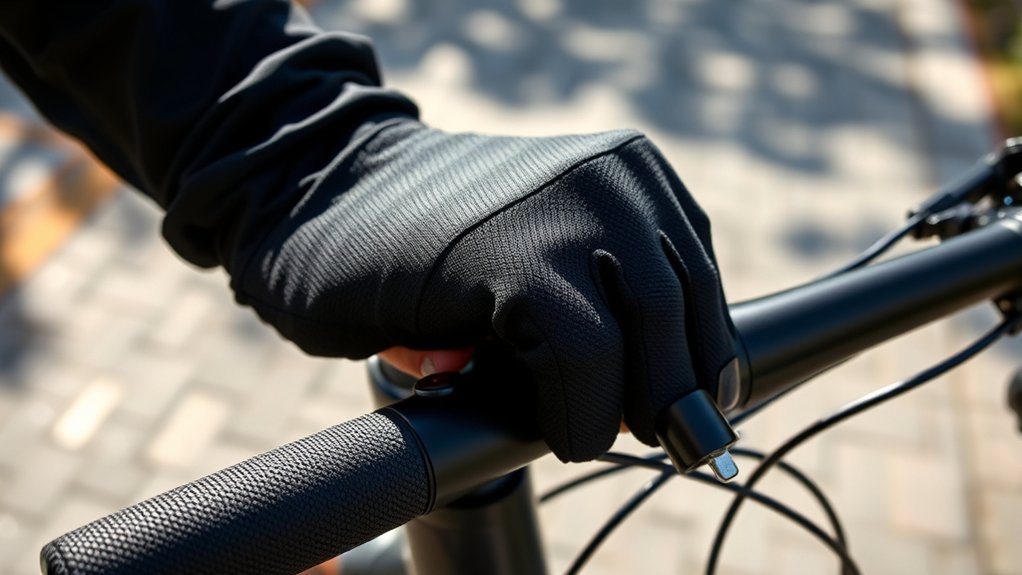
Your hybrid bike’s gears are key to making your ride smoother and more efficient, especially on different terrains. Gears help you adjust how hard you pedal, making it easier to handle hills, headwinds, or rough surfaces.
Most modern hybrid bikes have a gear shifter on the handlebars that controls the derailleur. This moves the chain across different sprockets to change gears.
Higher gears make pedaling harder but faster, which is great for flat roads or downhill sections. Lower gears require less effort, perfect for climbing hills or battling strong winds.
Knowing how your gears work helps you ride better, save energy, and avoid strain. When you shift gears correctly, you keep a steady pedaling rhythm and prevent chain slipping or damage.
This keeps your bike running smoothly, letting you enjoy longer rides without issues.
Knowing When and Why to Shift Gears During Your Ride
Knowing when to shift gears during your ride is key to staying comfortable and efficient. You should shift when you hit changes in terrain like hills or flat areas, or when pedaling feels too hard or too easy.
Shifting at the right time helps keep your cadence steady and reduces strain on your legs and bike parts. Use the table below to learn the common scenarios for shifting:
| Situation | Recommended Gear Action |
|---|---|
| Climbing a hill | Shift to a lower gear |
| Descending or flat terrain | Shift to a higher gear |
| Pedaling feels heavy or strained | Shift to a lighter gear |
Knowing these cues lets you shift proactively, making your ride smoother and more enjoyable.
Pre-Shift Checks: Ensuring Your Bike Is Ready to Shift Smoothly
Before you start shifting gears, it’s a good idea to do a few quick checks to make sure your bike is ready. First, look at your chain to see if it’s clean, lubricated, and properly tensioned. A loose or dirty chain can cause slipping or skipping.
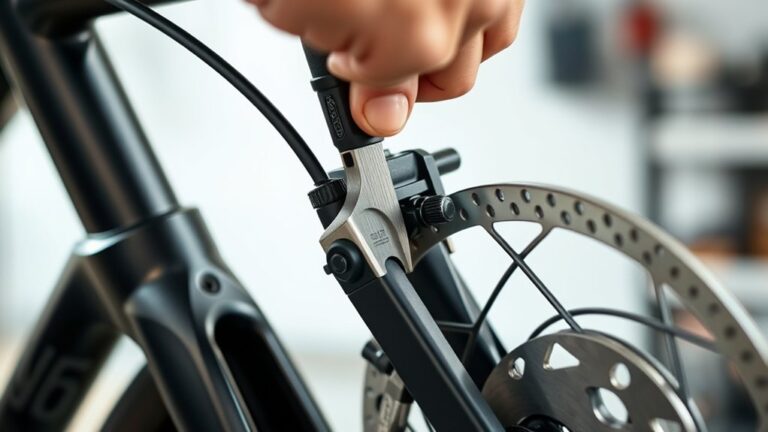
Next, check that your derailleur is aligned correctly and moves smoothly when you operate the shifter. Also, make sure your brake levers aren’t engaged, as that can interfere with shifting.
Don’t forget to verify your tires are inflated to the recommended pressure. Low pressure can make gear changes less smooth. Lastly, look over your shifters and cables for any damage or looseness.
Doing these simple checks helps prevent shifting problems and keeps your ride smooth and safe.
How to Use Your Hybrid Bike’s Gear Shifters for Easy Transitions
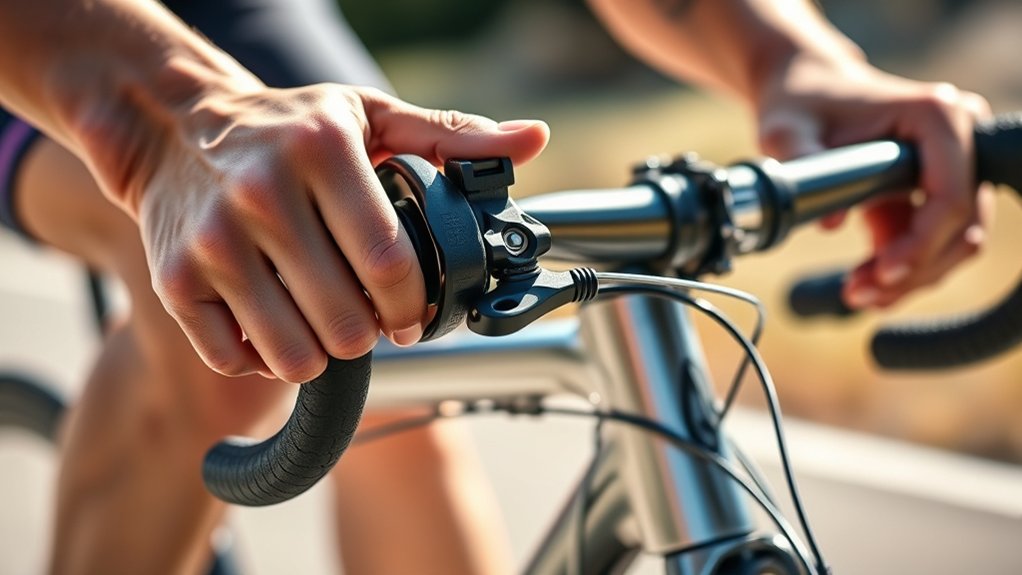
To make shifting gears on a hybrid bike smooth and effortless, it’s important to understand how to operate your gear shifters correctly. Always anticipate changes in terrain and shift early, not while pedaling hard. Use your thumb or index finger to gently push the shifter, avoiding sudden movements. Keep your pedaling steady during shifts to prevent slipping.
| Gear Shifter Type | Tip for Easy Shifting |
|---|---|
| Trigger Shifters | Shift one gear at a time for smoothness |
| Grip Shifters | Slightly ease up on pedaling before shifting |
How to Shift Gears While Pedaling Without Slipping or Skipping
When shifting gears while pedaling, it’s important to keep steady pressure on the pedals to avoid slipping or skipping. If you ease up too much or shift too quickly, the chain can jump or get stuck.
To prevent this, try to pedal smoothly and consistently. Shift gears when your cadence is steady, not when you’re pushing hard.
Make sure you’re in the right gear for your speed and terrain. If the shifter feels resistant, don’t force it—just wait until it moves more easily.
Also, anticipate changes in terrain and shift early so you’re not rushing the process. This way, your gear changes will be smoother and safer.
Handling Upward and Downward Gear Changes Effectively
Handling upward and downward gear changes smoothly requires timing and technique. When shifting gears, anticipate terrain changes so you can shift early, avoiding sudden pushes or drops in cadence.
For upward shifts, ease off pedaling slightly to reduce strain on the derailleur, then shift smoothly to a higher gear. Keep steady pressure, avoiding forceful movements.
When shifting downward, do so gradually while maintaining consistent pedaling; this prevents chain slips or derailleur stress. Always shift one gear at a time, especially when climbing or descending.
Engage your core and maintain a relaxed grip on the handlebars to stay balanced. Proper timing and gentle shifts help keep your bike running smoothly, reducing wear and tear while making your ride more comfortable.
Avoid These Common Gear-Shifting Mistakes
Avoid shifting gears when your pedals are under heavy load, as this can cause damage or slipping. It’s best to wait until you’re pedaling more smoothly before changing gears.
Also, try not to overlap gear ranges. Doing so can make your ride less smooth and harder to control. Being mindful of these mistakes helps keep your bike running efficiently and extends gear lifespan.
Overlapping Gear Ranges
Overlapping gear ranges can cause your bike to shift inefficiently and wear out your drivetrain faster. When gears overlap, you might find yourself shifting back and forth between similar gears, which puts extra stress on the components.
This not only makes riding less smooth but also shortens the lifespan of your gear system. To avoid this, pay attention to your gear range when shifting.
Here are some tips:
- Stay within a single gear range before moving to the next.
- Avoid shifting multiple gears at once.
- Use the gear indicators to keep track.
- Shift gradually to prevent skipping or grinding.
- Be mindful of the terrain to select the right gear.
Shifting Under Load
Shifting gears while your bike is under load is a common mistake that can lead to gear slipping, grinding, or damage. When you’re pedaling hard, your chain and gears are under tension, making it harder for the derailleur to shift smoothly.
If you try to change gears during this time, you risk misaligning the gears or causing the chain to jump off. To avoid this, ease up on your pedaling briefly before shifting.
Shift when you’re not applying maximum force, ideally in a moment of slight coasting or pedal tension reduction. This allows the gears to engage smoothly and prevents unnecessary wear.
Being patient and shifting at the right moment keeps your gears aligned and your bike running efficiently.
Troubleshooting Hybrid Bike Gear Shifting Problems
When your hybrid bike’s gears aren’t shifting smoothly, it’s often due to simple issues that can be fixed with some quick troubleshooting. First, check if the derailleur is properly aligned and clean.
Smooth gear shifting often comes down to quick checks and simple adjustments.
Loose cables can cause poor shifting, so inspect and tighten them if needed. Look for cable fraying or rust, which might mean you need to replace them. Make sure the shifter is working correctly and not sticking.
Also, verify that the derailleur hanger isn’t bent. Finally, check that the limit screws aren’t set too tight or loose, because that can prevent proper gear changes.
- Clean and lubricate the derailleur and cables
- Tighten or replace loose or frayed cables
- Inspect and realign the derailleur hanger
- Adjust limit screws for proper clearance
- Test shifter responsiveness
Gear-Specific Maintenance Tips for Long-Lasting Performance
To keep each gear performing at its best, it’s important to do regular, gear-specific maintenance. Start by cleaning your derailleur and cassette to get rid of dirt and debris, which can cause shifting problems.
Lubricate the chain regularly with a lightweight bike oil, especially after riding in wet or muddy conditions. Check the cable tension and adjust it if shifting feels sluggish or if it jumps between gears.
Inspect the gear teeth on the cassette and chainrings for wear or damage. Replace them if needed. Keep the derailleur aligned to ensure smooth gear changes.
Tighten any loose bolts and replace worn cables or housing to prevent slipping. Consistent maintenance like this can extend the life of your gears and help your hybrid bike shift smoothly every ride.
When to Seek Professional Help for Gear Issues
Ever notice persistent difficulty in changing gears despite your regular maintenance? It might be time to seek professional help. If your gear shifts are rough, stick or slip, or if the derailleur isn’t aligning properly, a mechanic can diagnose deeper issues.
If gear shifting remains difficult despite maintenance, consult a mechanic to diagnose underlying issues.
You should also consider professional assistance if you’ve replaced parts and still experience problems, or if your cable housing shows signs of wear or corrosion. Furthermore, seek help if you’re unsure about adjusting components yourself or if you notice unusual noise during shifting.
- Gears won’t shift smoothly despite adjustments
- Derailleur is misaligned or bent
- Cables are frayed or corroded
- Shifting causes strange noises
- You’re uncomfortable performing repairs yourself
Frequently Asked Questions
Can I Shift Gears While Standing or Only While Seated?
Yes, you can shift gears while standing or seated on your hybrid bike. Just make sure you’re pedaling smoothly and avoid shifting under heavy load, which can cause chain or gear issues.
When standing, shift gears gently to prevent skipping or damaging the gears. Whether you’re seated or standing, shifting smoothly helps give you a better ride and prolongs your bike’s gear system.
Feel free to switch positions to find the most comfortable and efficient cadence.
How Do I Shift Gears Effectively on Steep Inclines?
When tackling steep inclines, shift to your lower gears before you start climbing to make pedaling easier. This helps you get ready for the tougher part of the climb.
Keep your cadence steady by shifting gradually, avoiding sudden changes that can cause chain slip. It’s better to shift smoothly to stay in control.
Ease up on your pedaling pressure slightly while shifting to prevent strain on the drivetrain. This makes the shift smoother and reduces wear.
Maintain a consistent effort, and if you feel resistance, shift down again. This keeps your bike responsive and helps you climb more efficiently.
What’s the Best Way to Avoid Chain Drops During Shifting?
Think of your chain as a tightrope walker balancing carefully. To avoid chain drops, shift gears smoothly and gradually, not suddenly. Always ease off pedaling slightly before shifting, especially when shifting under load or on rough terrain.
Keep your chain aligned and avoid cross-chaining—using the smallest chainring with the smallest sprocket or the largest with the largest. Regularly check your derailleur and chain tension to keep everything balanced and prevent slips.
Are There Differences Between Shifting on a Hybrid Bike Versus a Road Bike?
Yes, shifting on a hybrid bike is a bit different from a road bike. Hybrid bikes tend to have more relaxed gearing systems, so the shifts are usually smoother and less precise.
You might need to be gentler when shifting on a hybrid to avoid chain drops. Road bikes, on the other hand, require quicker, more precise shifts because of their narrower gears and higher speeds.
Knowing these differences helps you shift more efficiently and keeps your bike performing well.
How Often Should I Service My Gear Components for Optimal Performance?
You should service your gear components at least once a year or after every 1,000 miles. Regular maintenance keeps shifting smooth and helps prevent costly repairs.
Don’t wait until you notice issues—catching problems early can save you both time and money. Clean, lubricate, and check for cable stretches or signs of wear.
Proper care guarantees your gears perform at their best, making each ride smoother and more enjoyable.
Conclusion
Mastering your hybrid bike’s gears can boost your riding efficiency and enjoyment. Did you know that properly shifting gears can improve your pedaling efficiency by up to 20%?
By understanding your gear system, performing pre-shift checks, and avoiding common mistakes, you’ll ride smoother and longer. Regular maintenance and timely professional help will keep your gears in top shape.
Keep practicing, and you’ll get the hang of seamless gear changes in no time. Remember, mastering your hybrid bike’s gears makes every ride more enjoyable and efficient.