10 Best Road Bike Sizes for 7’10 Riders
If you’re over 7 feet tall, finding the right road bike can feel like searching for a needle in a haystack. Many tall riders struggle with discomfort, awkward fits, or just feeling out of place on standard bikes. You’re not alone—getting a bike that truly fits is a common challenge for people this tall.
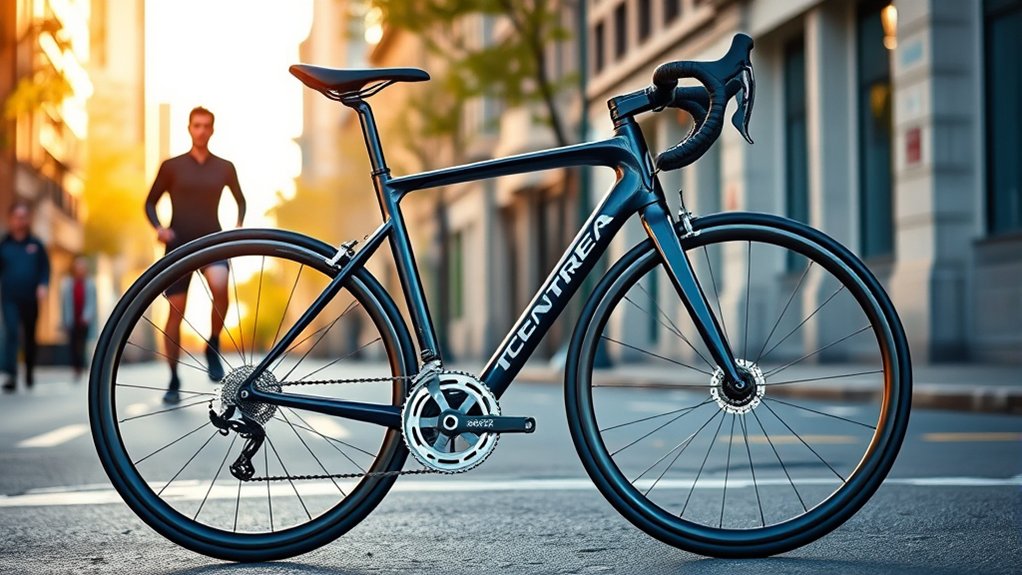
To find the best road bike sizes for someone who is 7’10”, focus on extra tall or XL bikes with longer top tubes, taller head tubes, and extended reach.
Take your inseam, reach, and stack measurements seriously, and consider professional fitting to fine-tune your setup. Larger 700c wheels and wider tires improve comfort and stability.
Proper saddle height, handlebar adjustments, and accessories like adjustable stems will elevate your ride.
Keep exploring for more tips to optimize your cycling experience.
Key Takeaways
- Look for bikes labeled “XL” or “extra tall” with longer top tubes and extended reach. These features help accommodate taller riders comfortably.
- Prioritize large wheel sizes, like 700c, and wider tires, around 25-28mm. They offer better stability and a more comfortable ride.
- Make sure the frame geometry includes a taller head tube and appropriate stack height. This ensures a better fit for someone your height.
- It’s a good idea to get a professional fitting. They can help optimize saddle height, reach, and overall bike geometry for your body.
- Also, consider adjustable stems, taller seat posts, and custom components. These options make it easier to achieve a comfortable and personalized fit.
How to Find the Right Road Bike Size for a 7’10 Rider
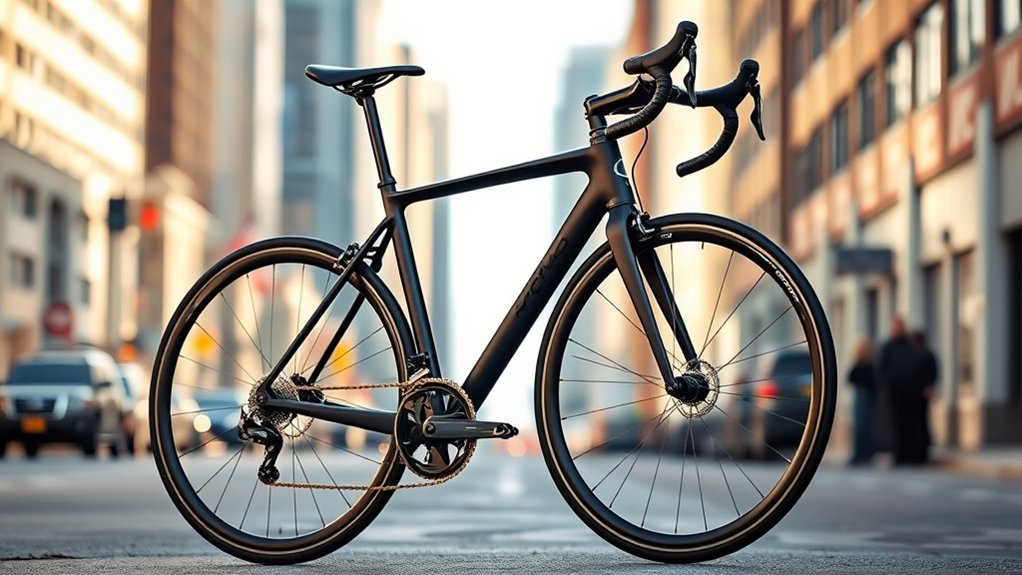
Finding the right road bike size for a rider who stands 7’10” can be tricky, but it’s really important for comfort and performance. Look for bikes specifically made for tall riders, often labeled as “extra tall” or “XL.” Don’t just rely on generic size charts; pay attention to the bike’s reach and top tube length, which directly affect your riding position.
You want a frame that lets your legs extend comfortably and keeps your back in a natural, relaxed posture. Visiting a bike shop for a professional fitting can make sure the bike matches your body dimensions perfectly. Remember, the best fit isn’t just about size — it’s about how the bike feels when you’re on it.
Prioritize comfort and proper alignment to enjoy longer, pain-free rides.
Essential Measurements for Tall Bike Fit
Your inseam length is key for choosing the right saddle height, making sure you’re comfortable and pedaling efficiently. Reach and stack measurements help figure out how well the bike fits your arm length and torso.
This reduces strain during rides and keeps you comfortable. Focusing on these main measurements ensures your bike is perfectly suited for your tall frame.
Inseam Length Importance
Inseam length is a key measurement for a comfortable and efficient ride, especially if you’re standing at 7’10”. It helps determine the right frame size and saddle height, which directly affects how comfortable and powerful you feel.
Getting your inseam right can help you avoid overstretching or feeling cramped. This reduces fatigue and lowers the risk of injury. To measure, stand straight with your shoes on and measure from your crotch down to your ankle.
This measurement guides you in choosing a bike with the correct standover height and seat tube length. Ignoring inseam length can lead to poor posture and discomfort on long rides.
Reach and Stack Measurements
Because tall riders like those who stand at 7’10” often face unique fit challenges, understanding reach and stack measurements is key for a comfortable and efficient ride. Reach measures the horizontal distance from the bottom bracket to the top of the head tube and shows how stretched out you’ll feel on the bike.
Stack measures the vertical distance from the bottom bracket to the top of the head tube. It helps you figure out if your riding position will be more upright or aggressive. For tall riders, a longer reach prevents overstretching, while the right stack ensures a comfortable posture without strain.
When choosing a bike, focus on these measurements to match your body proportions. This helps avoid discomfort or losing control while riding. Proper fit boosts your power, comfort, and overall performance.
Best Frame Geometry Features for Extra-Tall Riders
As an extra-tall rider, your fit depends heavily on choosing the right frame geometry. You need designs that accommodate your height while keeping you comfortable and efficient.
Let’s look at the key features that can help optimize your ride and support your stature. These elements are crucial for a comfortable and effective cycling experience.
Tall Rider Fit Considerations
When choosing a frame for an extra-tall rider, focus on geometry features that promote comfort and efficient power transfer. Look for longer top tubes and a taller head tube to fit your height without forcing an unnatural riding position.
A slightly extended reach can help prevent shoulder strain and improve handling. Make sure the seat post height allows for proper leg extension to optimize pedaling efficiency.
A frame with a relaxed or slightly taller stack height can reduce neck and back discomfort during long rides. Pay attention to the head tube angle—it should offer stability without sacrificing responsiveness.
Choosing a bike with these tailored geometry features ensures you stay comfortable, maintain control, and ride efficiently over long distances.
Optimal Frame Geometries
For extra-tall riders, choosing the right frame geometry is key to staying comfortable and riding efficiently. Look for bikes with a longer top tube to give you a more stretched, natural position, which helps reduce strain on your back and shoulders.
A slightly slacker head tube angle improves stability and control at high speeds. This is especially helpful for taller riders who might feel less balanced on aggressive angles.
A longer wheelbase adds stability and makes your ride smoother, especially over long distances. Additionally, a taller head tube and longer chainstays help accommodate your height, preventing discomfort.
Prioritize frames with these features to achieve a balanced, comfortable posture. This will support your stature and make your cycling experience better overall.
Materials and Construction Tips for Long Bike Frames
Building a long bike frame requires careful material choices to ensure strength without adding too much weight. Aluminum is a popular pick because it’s lightweight and strong, making it perfect for bigger frames.
Building a long bike frame demands lightweight, durable materials like aluminum for strength and performance.
Carbon fiber offers great stiffness and vibration damping, giving a smoother ride. However, it can be pricier and more fragile if not built correctly.
Steel, especially high-tensile or chromoly, is durable and strong, which is helpful for long frames, though it tends to be heavier. When building your bike, make sure joints are welded or bonded precisely to keep the frame solid.
Use reinforced tubing and proper tube shaping to boost strength while keeping weight down. Also, think about the bike’s design to spread stress evenly and avoid weak spots that could hurt durability in a long frame.
Choosing the Right Stem Length and Handlebar Width
Choosing the right stem length and handlebar width is key for comfort, control, and good ergonomics on your long bike frame.
A stem that’s too long can strain your neck and shoulders, while one that’s too short might make steering less precise.
Generally, taller riders benefit from longer stems to reach a comfortable riding position.
Handlebar width should match your shoulder width for the best control and comfort—wider bars offer more stability, while narrower ones cut down wind resistance.
Since you’re your height, consider customizing your stem length to balance reach and control, and pick a handlebar width that fits your shoulder span.
Getting these sizes right helps prevent fatigue and makes your rides more enjoyable and efficient.
Adjusting Saddle Height and Position for Comfort
To guarantee a comfortable ride, start by setting your saddle height so that your knee has a slight bend at the bottom of your pedal stroke. Then, adjust the saddle forward or backward to align your knee over the pedal axle when the crank is horizontal.
Proper saddle positioning helps prevent discomfort and improves your cycling efficiency. Take your time to find the right fit, and don’t hesitate to make small tweaks as needed.
Proper Saddle Height Setup
Have you ever wondered if your saddle height is really set for maximum comfort and efficiency? To get it right, sit on your bike and place your heel on the pedal at its lowest point. Your leg should be completely straight without forcing your hips or knees.
If your hips rock side to side, lower the saddle slightly. If your knee is excessively bent, raise it. When riding, aim for a slight bend in your knee at the top of the pedal stroke—around 25 to 35 degrees.
Make small adjustments and test each position for comfort and power transfer. Remember, the goal is to optimize your pedaling efficiency while avoiding strain or discomfort.
Proper saddle height helps improve performance and reduces injury risk during long rides.
Optimal Saddle Fore-Aft Position
Once you’ve set your saddle height, fine-tuning its fore-aft position is key for comfort and efficiency. You want your saddle to be aligned so that when you’re pedaling, your knee is slightly over the pedal axle at the 3 o’clock position.
Move the saddle forward if you feel too much pressure on your hands or notice your hips swaying. Shift it back if you experience knee strain or if your hips rock side to side.
Sit on the bike and pedal gently, paying attention to how your legs feel. The goal is to find a position where your hips stay stable and you feel balanced and powerful.
Small adjustments can make a big difference in comfort and performance, especially on long rides.
Ideal Wheel and Tire Sizes for Tall Riders
When choosing wheel and tire sizes for someone as tall as 7’10”, it’s really important to pick the right dimensions for comfort, control, and efficiency. Larger wheels, like 700c, are usually the best choice because they roll over obstacles more easily and provide a smoother ride on different terrains.
They also help you maintain higher speeds with less effort. For tires, go for wider ones, around 25-28mm, to boost stability and comfort—especially when carrying extra height and weight. Wider tires also give you better grip and shock absorption, which can reduce fatigue during long rides.
Avoid very narrow tires, as they can make your ride less stable and comfortable. In the end, choosing bigger, wider wheels and tires suited to your height will give you a better riding experience, more control, and less strain over long distances.
Must-Have Accessories and Customizations for 7’10 Cyclists
Given the unique demands of cycling at your height, customizing your bike with the right accessories can make a big difference in comfort and performance.
Invest in a high-quality, adjustable stem to optimize your reach and riding position. Consider a custom saddle designed for tall riders, which provides better support and reduces pressure points.
Handlebar extensions or bullhorn bars can help you get into a more aerodynamic posture, easing strain on your back and shoulders. Use lightweight, taller seat posts to achieve proper saddle height and leg extension.
Adding ergonomic grips can improve comfort during long rides. Finally, consider custom footbeds or insoles to boost pedal stability and reduce fatigue.
These accessories help your bike fit better, making every ride more comfortable and efficient.
How to Test Your Bike Fit Before Buying?
Wondering how to guarantee a bike fits perfectly before making a purchase? The best way is to test the fit firsthand.
Start by standing over the bike’s top tube; there should be about 1-2 inches of clearance for a road bike. Sit on the saddle and place your hands on the handlebars.
Your elbows should be slightly bent, with your hips stable and not rocking side to side. Check if you can reach the handlebars comfortably without stretching or feeling cramped.
Your knees should track directly over the pedals. Pedal gently to feel how the bike responds—adjust saddle height if needed.
Maintaining and Fine-Tuning Your Bike for Long-Term Comfort
Regular maintenance and fine-tuning are key to keeping your bike comfortable and running smoothly over time. Staying on top of routine checks helps prevent discomfort and mechanical problems.
Make sure to regularly inspect and lubricate the chain, brake cables, and pivot points. Adjust the saddle height and handlebar position as needed to maintain a comfortable riding posture.
Check your tire pressure before every ride to ensure a smooth experience and help reduce fatigue. Keep a toolkit handy for quick fixes while you’re out riding.
It’s also a good idea to regularly check the alignment of your brakes and derailleur. Replace worn brake pads and tires promptly to avoid issues.
Tighten bolts and components periodically to keep everything secure. And don’t forget to keep your bike clean to prevent corrosion.
Finally, record your maintenance dates so you can stay organized and on top of regular upkeep.
Frequently Asked Questions
Are Custom Bike Frames Necessary for Riders Over 7’8?
Yes, custom bike frames are often necessary for riders over 7’8″. Standard bikes usually don’t fit such tall riders comfortably, which can cause poor posture, discomfort, or even injury.
A custom frame ensures you get the right fit, with the proper top tube length, standover height, and handlebar position. It’s about making sure your bike matches your body perfectly.
Investing in a custom bike helps you ride more efficiently, comfortably, and safely. It’s tailored specifically to your height, making a big difference in your riding experience.
How Much Should I Budget for a Custom-Built Tall Bike?
A custom-built tall bike can feel like crafting a tailored suit—worth every penny. You should budget around $1,500 to $3,000, depending on materials and complexity.
High-quality components and skilled craftsmanship drive up costs, but they guarantee comfort and durability for your towering frame. Expect to invest in specialized parts that fit your unique size.
This will turn your ride into a smooth, personalized journey through the streets.
Can Standard Bike Components Be Adapted for Very Tall Riders?
Yes, standard bike components can often be adapted for very tall riders, but it depends on the specific parts. You might need longer stems, seat posts, or handlebars to ensure a proper fit.
Keep in mind that some components, like frames and forks, may require custom sizing or extensions.
Consulting a bike fitter can help you find the best options and make sure your bike is comfortable and safe.
What Safety Considerations Are Unique to Extremely Tall Cyclists?
Imagine riding along a narrow trail in a towering tree; your height calls for extra caution.
As an extremely tall cyclist, it’s important to ensure your bike fits well, with the right frame and components for your stature.
Watch out for longer reach and stability issues, and consider custom parts if needed.
Regularly check your equipment to catch any issues early.
Stay alert and avoid strain or accidents, just like a tall tree needs sturdy roots to stay steady.
How Do I Find Professional Bike Fitting Services for Super-Tall Riders?
You can find professional bike fitting services for super-tall riders by researching specialized bike shops or fitters who have experience working with tall athletes.
Look for certifications like the Titleist or UCI accreditation, and read reviews to ensure they have the right expertise.
Don’t hesitate to contact shops directly and ask about their experience with extremely tall cyclists.
Many specialized fitters can customize components or recommend custom frames to make sure you get a comfortable, efficient ride that suits your height.
Conclusion
Finding the perfect road bike when you’re 7’10” might seem intimidating, but with the right frame, geometry, and accessories, you’ll feel like you’re riding a cloud made just for you. Prioritize fit and comfort above all—after all, a bike that matches your height can turn every ride into an effortless glide across the universe.
Choosing a bike that suits your tall stature isn’t just about length. It’s about finding the right geometry that supports your posture and provides stability on the road. Don’t overlook custom options or adjustable components to get that perfect fit.
Remember, the best road bike sizes for 7’10” riders are designed to give you room to stretch out without feeling cramped. With the right setup, you’ll be conquering highways and scenic routes with ease and confidence.
Trust these tips to help you find a bike that feels like it was built just for your incredible height. Once you get the fit right, every ride will be an experience of effortless freedom on the open road.