Can You Put Road Tires on a Mountain Bike?
Are you tired of feeling limited by your bike’s tires? Many riders wonder if they can swap out mountain tires for road ones to go faster on pavement. You’re not alone—finding the right setup can be confusing.
You can put road tires on a mountain bike if your frame has enough clearance and the wheel size matches, usually 29″ or 700c.
Road tires boost your speed and efficiency on smooth pavement but offer less traction on loose or rough trails. They also change handling, making steering quicker but less stable off-road.
If you want to know which bikes work best and when to stick with mountain tires, keep exploring the details ahead.
Key Takeaways
– Road tires can fit mountain bikes if the frame and fork have enough clearance and the wheel size matches, typically 700c or 29 inches.
Just make sure there’s enough space to fit the narrower tires without rubbing.
It’s also important that the wheel size is compatible with your bike.
– Road tires improve speed and efficiency on paved surfaces but reduce traction on loose or rough terrain.
They roll faster on smooth roads, making your ride more efficient.
But on dirt or gravel, you’ll notice less grip and control.
– Narrow road tires may cause handling changes, requiring adjustments for less stability on trails.
You might find the bike feels different when cornering or braking.
It’s a good idea to get used to the change gradually.
– Using road tires limits versatility, making off-road riding more challenging and increasing the risk of tire wear.
They’re not designed for rough terrain, which can wear them out faster.
Off-road adventures are much easier with proper mountain bike tires.
– Regular maintenance is essential as road tires wear faster on rough terrain compared to durable mountain bike tires.
Check the tires often for cuts, wear, or punctures.
Keep them properly inflated for the best performance and safety.
Can You Put Road Tires on a Mountain Bike?
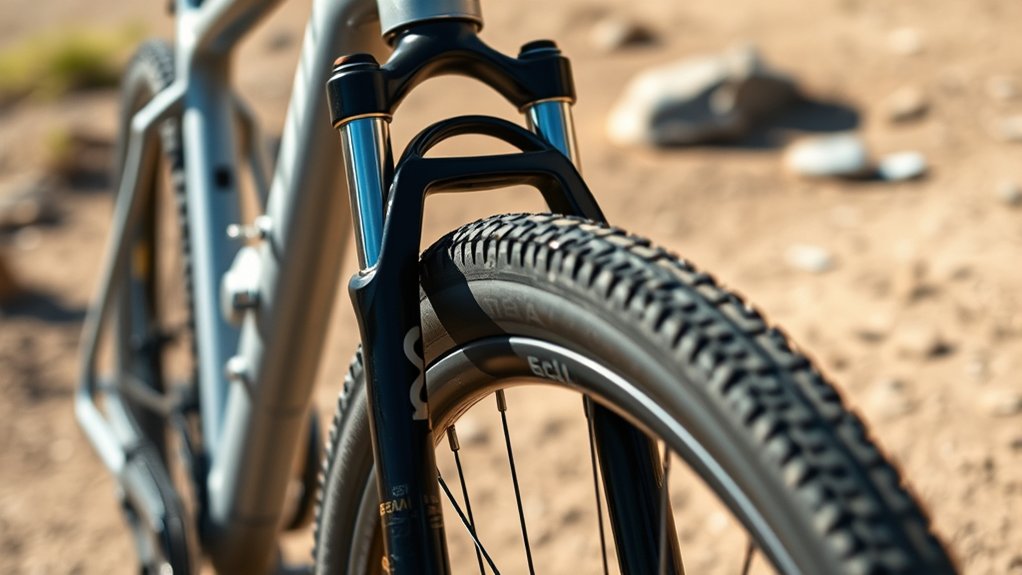
Wondering if you can put road tires on a mountain bike? The short answer is yes, you can. Road tires are usually narrower and smoother than mountain bike tires, designed for pavement and speed.
Swapping them onto your mountain bike can reduce rolling resistance, making your ride faster and more efficient on roads or hard surfaces. However, you need to check if the tire width fits your bike’s rims and frame clearance.
Mountain bikes often have wider rims, so narrower road tires might not seat properly or could affect handling. Also, keep in mind that road tires won’t perform well on rough terrain.
Which Mountain Bikes Are Compatible With Road Tires?
You’ll need to check if your mountain bike’s frame has enough clearance for narrower road tires.
Also, make sure the wheel size matches the road tire you want to use. Not all mountain bikes are designed to handle these changes, so compatibility is key.
Frame Clearance Requirements
Although switching to road tires can boost speed and efficiency, your mountain bike’s frame clearance is a key factor in ensuring compatibility. You need enough space between the frame, fork, and brakes to fit the narrower road tires.
If your bike’s designed for wide, knobby tires, it probably has extra clearance, making the swap easier. But some mountain bikes with aggressive geometry might have limited space, which can cause the tires to rub against the frame or fork.
Before buying road tires, measure the available space carefully, especially around the fork crown and chainstays. Keep in mind that adding accessories like fenders can also reduce clearance.
Making sure you have proper clearance helps prevent damage and keeps your ride safe and smooth when switching to road tires.
Wheel Size Compatibility
After confirming your mountain bike has enough frame clearance for road tires, the next step is to think about wheel size compatibility. Mountain bikes usually come with 26″, 27.5″ (650B), or 29″ wheels.
Road tires are generally made for 700c rims, which are close in diameter to 29″ wheels but differ slightly in width and rim profile. If your bike has 29″ wheels, you’re more likely to find road tires that fit well.
For 27.5″ or 26″ wheels, fitting standard road tires can be trickier because these sizes don’t match typical road rims. You might need tires designed specifically for those sizes or consider changing wheels altogether.
Always check your rim’s internal width and diameter to ensure the tire you choose fits properly and keeps your ride safe.
How Do Road Tires Affect Ride and Handling?
When you switch to road tires on your mountain bike, you’ll notice changes in traction across different surfaces. This can give you a speed boost but also impacts how your bike handles steering and stability.
Understanding these effects helps you decide if road tires match your riding style. They can make your ride faster on smooth roads, but might feel less secure on rough or loose terrain.
Traction on Different Surfaces
Swapping out mountain bike tires for road tires changes how your bike grips different surfaces. Road tires usually have a smoother tread pattern, which helps on paved roads and hard-packed surfaces by giving consistent contact and less rolling resistance.
On loose dirt, gravel, or wet trails, you’ll notice less traction compared to knobby mountain tires. The shallower tread and wider gaps mean the tires can slip more easily on uneven or slippery ground.
If you mainly ride on asphalt or firm paths, road tires will feel stable and predictable. But on mud, sand, or rocky terrain, your bike might feel less planted, so you’ll need to adjust your handling to stay in control.
Choosing the right tires really depends on the surfaces you ride most often.
Impact on Speed
Although mountain bike tires give you great grip on rough terrain, road tires can really boost your speed on smooth surfaces. When you switch to road tires, you’ll notice less rolling resistance, so pedaling becomes more efficient and you can go faster with less effort.
Their thinner profile and smoother tread cut down on friction against the pavement, helping you cover distances quicker and enjoy a smoother ride. This change can make your rides feel faster and less tiring, especially on asphalt or concrete.
Keep in mind that while your speed will improve, the ride might feel firmer because road tires usually have less cushioning than wider mountain bike tires. Overall, road tires help you go faster on flat, hard surfaces.
Steering and Stability Changes
How does switching to road tires change your bike’s steering and stability? When you swap knobby mountain tires for slick road tires, you’ll notice your bike handles differently.
Road tires have less tread and a narrower profile, which means they grip smooth pavement better but offer less traction on loose or uneven terrain. This change makes your steering quicker and more responsive, perfect for sharp turns on asphalt.
However, on trails or gravel, you might feel less stable because road tires don’t absorb shocks like mountain tires do. You’ll need to adjust your riding style, leaning more into turns and being cautious on slippery surfaces.
What Are the Pros and Cons of Using Road Tires?
When you choose road tires for your mountain bike, you get faster rolling speeds and better efficiency on smooth pavement. But there are some pros and cons to think about.
Speed Boost: Road tires reduce rolling resistance, so you can cruise faster on city streets or bike paths.
Less Traction Off-Road: You might lose grip on loose or uneven terrain, which can be risky if you ride trails.
Smoother Ride: The thinner profile absorbs less vibration on paved surfaces, making your ride feel quicker and lighter.
Reduced Versatility: These tires limit your bike’s capability on rough or muddy trails, so you might want a different set for off-road adventures.
Thinking about these advantages and disadvantages will help you decide if road tires fit your riding style and terrain.
How Do You Choose Road Tires for Your Mountain Bike?
To choose the right road tires for your mountain bike, think about where and how you’ll ride most often. Consider the terrain—whether it’s smooth pavement, gravel, or mixed surfaces—and pick tires designed for those conditions.
Choose road tires for your mountain bike based on your typical terrain and riding conditions.
Look for narrower tires with minimal tread to reduce rolling resistance on asphalt. Make sure the tire width fits your bike’s rims and frame clearance; too wide, and they won’t fit properly.
Check the tire’s pressure rating, aiming for higher PSI to boost speed and efficiency on roads. If you often ride on debris-strewn paths, consider tires with puncture protection features.
Finally, balance durability and weight based on your riding style. Picking the right tires thoughtfully will help your mountain bike handle well and perform effectively on road rides.
When Should You Stick With Mountain Bike Tires Instead?
Although road tires work well on smooth surfaces, stick with mountain bike tires if you often ride on rough trails, loose dirt, or muddy ground. They give you better grip and last longer when things get tough.
You’ll find mountain bike tires especially helpful in these situations:
- When riding on rocky or uneven trails where good traction is a must.
- Navigating loose gravel or sandy paths that need stability.
- Facing wet or muddy conditions where knobby tires can prevent slipping.
- Climbing steep hills where extra grip helps you stay in control.
If your rides regularly involve these kinds of terrains, switching to road tires could make your ride less safe and less effective. Mountain bike tires are built for tough, unpredictable terrain, so stick with them when the trail calls for durability over speed.
Frequently Asked Questions
How Do Tire Pressures Differ Between Road and Mountain Bike Tires?
You’ll find road bike tires need much higher pressure, usually between 80-130 psi, to reduce rolling resistance on smooth pavement. Mountain bike tires run lower pressure, around 30-50 psi, to improve traction and absorb shocks on rough terrain.
If you pump your tires too hard for off-road riding, you’ll lose grip and comfort. Conversely, underinflated road tires can feel sluggish and increase puncture risk.
Adjust your tire pressure based on your ride and terrain to get the best performance and comfort.
Can Tubeless Road Tires Be Used on Mountain Bikes?
You might wonder if tubeless road tires can fit your mountain bike. The answer is yes, but you should be careful.
You’ll need rims that are compatible with tubeless setups and tires that are the right width. This helps prevent blowouts and keeps you safe.
Using road tires on a mountain bike can make you faster on pavement. But, you’ll lose some traction when riding off-road.
Make sure your tires and rims match properly for both safety and good performance before hitting the trail.
What Tools Are Needed to Swap Road Tires on a Mountain Bike?
You’ll need tire levers to pry off the old tires, a bike pump or CO2 inflator to inflate the new ones, and possibly a wrench if your wheels aren’t quick-release.
If you’re switching to tubeless mountain bike tires, grab sealant and a valve core remover too.
Don’t forget a patch kit for emergencies. Having these tools ready makes swapping your tires smooth and quick, so you’re back on the trail in no time.
Are There Specific Brands That Make Road Tires for Mountain Bikes?
About 70% of riders who switch to road tires on mountain bikes prefer brands like Continental, Schwalbe, and Maxxis. Yes, you’ll find specific road tires designed for mountain bike rims from these brands.
They offer slick or semi-slick tires that reduce rolling resistance and improve speed on pavement. So, when you want better road performance, choosing these specialized tires guarantees compatibility and durability without sacrificing ride quality.
How Does Tire Width Impact Bike Frame Clearance?
Tire width directly impacts your bike frame clearance by showing how much space the tire takes up inside the frame and fork.
If you pick tires that are too wide, they might rub against the frame or fork, which can cause damage or make riding less smooth.
On the other hand, narrower tires give you more clearance but could make your bike less stable.
It’s a good idea to check your bike’s specs to make sure the tire width fits well in the available space, so you avoid any fit or safety issues.
Conclusion
Switching to slick, speedy road tires on your mountain bike can really boost your street skills, making your rides smoother and faster. Just keep in mind that compatibility and terrain matter a lot.
Balancing the benefits of faster rides with the bumps and braking basics is key. Choose tires that match your riding style and the surfaces you’ll be on.
Sometimes, sticking with sturdy, grippy mountain tires makes more sense, especially on rough terrain. They provide better control and durability where it’s needed most.
Ultimately, your tire choice shapes your riding experience—so think carefully about whether road tires are right for you. Putting road tires on a mountain bike can be a great upgrade if done thoughtfully.