What Is a Class 1 Electric Bike?
Many people want to enjoy cycling more but struggle with fatigue, hills, or longer rides that can be exhausting. You’re not alone—finding the right bike can make all the difference.
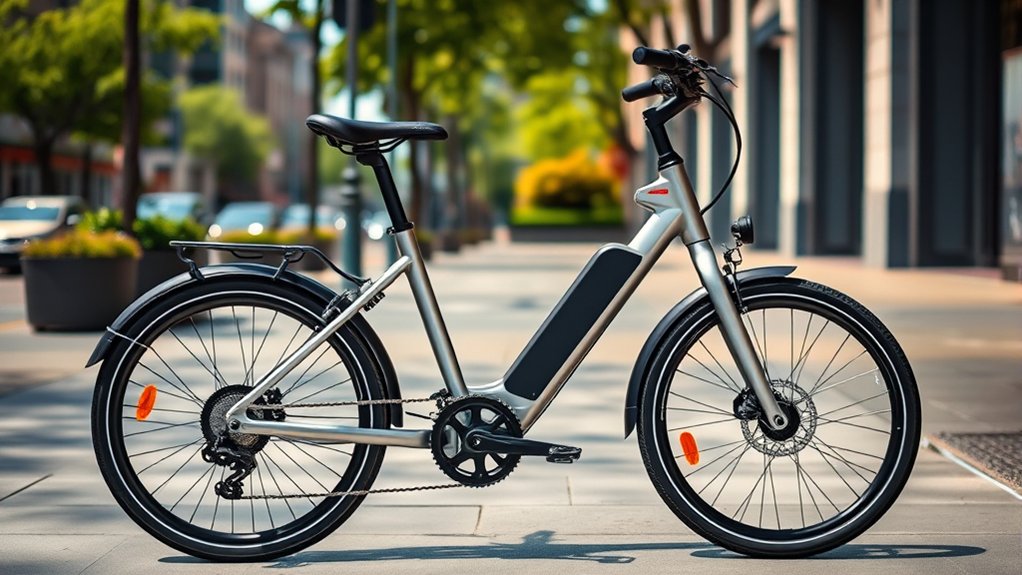
A Class 1 electric bike is a pedal-assist bicycle that provides support up to 20 mph only when you’re pedaling. The motor activates to help with hills and longer rides, making your cycling easier without taking over.
It’s typically legal, requires no license, and can be used on bike lanes and trails. To learn more about how these bikes fit your needs, keep exploring what makes them a popular choice.
Key Takeaways
- A Class 1 electric bike only has pedal assist, meaning the motor kicks in when you’re pedaling. It supports you up to 20 mph.
- The motor is limited to 750 watts, so it gives you a boost without a throttle. You just pedal normally, and the bike helps you along.
- Since it’s classified as a bicycle, you usually don’t need a license or registration to ride it.
- These bikes are great for city commuting, casual riding, or even hitting trails on bike paths and designated areas.
- The design aims to give a natural riding experience, with the assistance stopping automatically once you reach 20 mph.
What Is a Class 1 Electric Bike and How Does It Work?
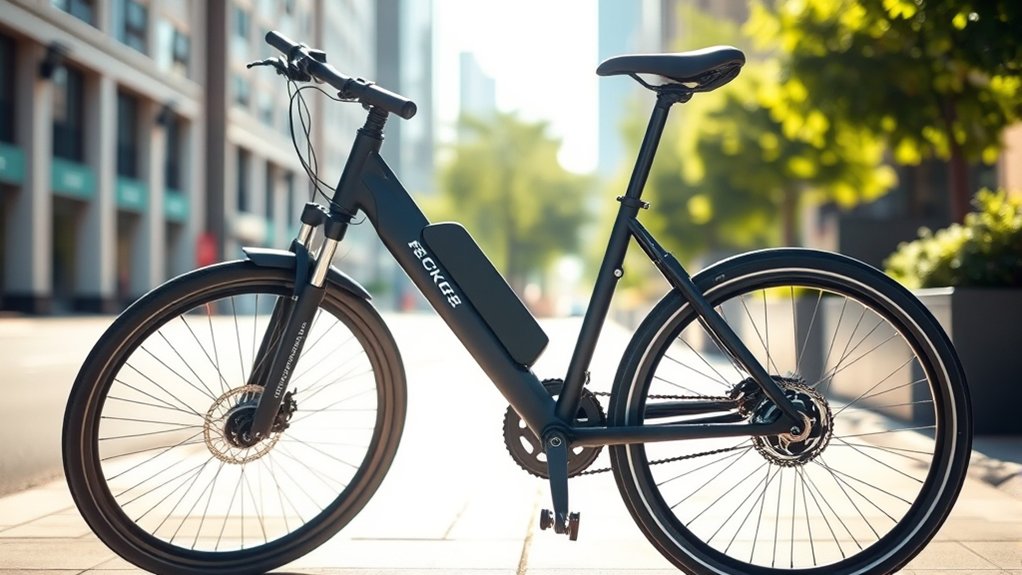
A Class 1 electric bike is a pedal-assist bicycle that provides motor support only when you’re actively pedaling. When you start pedaling, the motor kicks in to help you, making it easier to ride uphill or for longer distances.
The motor automatically turns off when you reach the speed limit, usually 20 mph, so you’re always in control. You don’t need to push a button or switch it on; it’s activated by your pedaling motion.
The motor stops at 20 mph, activated naturally by your pedaling—no buttons needed for effortless control.
The bike has sensors that detect your pedaling force and adjust the motor’s assistance accordingly. This setup gives you a natural riding experience, blending your effort with electric support.
Because of its design, a Class 1 e-bike is ideal for casual rides, commuting, and those who want a little extra help without going full throttle.
How Is a Class 1 E-Bike Different From Other Types?
Class 1 e-bikes have motor power limits and top speeds that set them apart from other types. They’re designed for riding up to 20 mph and are often subject to specific regulations.
Understanding these differences helps you choose the right bike for your needs and stay compliant with local laws.
Motor Power Limits
While the motor power limits are a key factor in distinguishing different types of e-bikes, they also directly impact your riding experience and legal classification.
Class 1 e-bikes have a maximum motor power of 750 watts, giving enough power for smooth acceleration without feeling overpowering. This limit helps keep the bike manageable and safe, especially for beginners.
Higher classes like Class 3 can have motors of 750 watts or more, often with higher top speeds. Lower-powered e-bikes, such as pedal-assist models, usually have motors under 750 watts.
These power limits shape the bike’s riding style, safety features, and where you’re legally allowed to ride. Overall, motor power controls how much assistance you get and influences the bike’s classification.
Speed and Usage Regulations
Motor power limits affect how your e-bike performs and where you can ride it legally.
A Class 1 e-bike has a top speed of 20 mph when you’re pedaling. This means you can often use bike lanes and paths where faster bikes might not be allowed.
Class 2 bikes can reach 20 mph with a throttle, while Class 3 bikes go up to 28 mph. Usage rules vary by location, so check local laws before you ride.
Typically, Class 1 bikes are restricted to bike paths and lanes and may be banned from certain trails. These regulations are in place to keep everyone safe and ensure shared pathways stay organized.
What Are the Legal Rules for Class 1 E-Bikes?
Are you wondering what legal requirements apply to Class 1 e-bikes? Generally, these bikes are treated like traditional bicycles, so you don’t need a license or registration. But there are some key rules to keep in mind.
Class 1 e-bikes are generally considered bicycles, requiring no license or registration but subject to local rules.
You must wear a helmet if required by local laws. E-bikes are usually limited to 20 mph, and going over that can change their classification.
Riding is often restricted to bike lanes, paths, or roads where bicycles are allowed. Always check your local regulations, as rules can vary by city or state.
Some areas may have age restrictions or specific equipment rules. Staying informed helps you ride legally and safely on your e-bike.
Key Features and Benefits of Class 1 Electric Bikes
Have you considered how Class 1 electric bikes combine the best of traditional cycling with modern innovation? These bikes feature a pedal-assist system that activates only when you pedal, providing smooth, natural support.
They typically have a top assisted speed of 20 mph, making your rides more efficient without sacrificing the feel of traditional biking. The key benefit is increased accessibility—you can tackle longer distances or hilly terrains with less effort.
They also promote health benefits by encouraging physical activity while reducing fatigue. Plus, their lightweight design and discreet motor make them easy to handle and store.
Is a Class 1 E-Bike Right for You?
Consider how the riding experience matches your expectations. Class 1 e-bikes offer assistance up to 20 mph, making pedaling easier without feeling overpowering.
If you’re commuting regularly, these bikes can be a convenient and eco-friendly option, especially for urban environments. Think about whether this level of support aligns with your riding needs and daily routine.
Riding Experience Expectations
Thinking about whether a Class 1 e-bike suits your riding style? You’ll likely find the experience smooth and intuitive. Since the motor assists only up to 20 mph, you’ll enjoy natural pedaling that feels familiar, yet amplified.
Expect a seamless integration of effort and power, making longer rides less tiring. You might notice a more relaxed ride without sacrificing the workout, better control on hills and varied terrains, and increased confidence riding in urban or trail settings.
This setup encourages active engagement without overpowering your pedaling. If you prefer a ride that boosts your effort without taking over completely, a Class 1 e-bike offers a comfortable, controlled experience that keeps you connected to the road or trail.
Commuting Suitability
Wondering if a Class 1 e-bike fits into your daily commute? These bikes are great if you want an eco-friendly, efficient way to get around.
Since they’re limited to 20 mph and require pedaling, they’re perfect for urban and short-distance travel. If your route includes bike lanes or paths, a Class 1 e-bike can easily navigate those.
They’re also ideal if you want exercise along with transportation, as you control the pedal assistance. But if your commute involves steep hills, heavy traffic, or longer distances, you might need a more powerful e-bike or different options.
Motor Power and Assistance Limits of Class 1 Bikes
Class 1 electric bikes are limited to a maximum motor power of 750 watts, which helps ensure they provide helpful assistance without overpowering traditional bikes. This keeps the ride natural and accessible for most riders.
The motor only assists when you’re pedaling, and it cuts off at 20 mph. This setup encourages active riding while making hills and long distances easier.
Key points include:
- Motor power capped at 750 watts for safety and regulation
- Assistance stops at 20 mph to keep the riding experience natural
- Pedal-assist only, with no throttle, so you stay in control
These limits make Class 1 bikes comfortable, legal, and easy to ride. They blend electric support with traditional cycling for a smooth experience.
How to Spot a Genuine Class 1 Electric Bike
How can you tell if an electric bike is truly a genuine Class 1 model? First, check the motor assistance limit—Class 1 bikes only provide pedal assist up to 20 mph. Look for a label or sticker on the frame indicating “Class 1” or “PEDAL ASSIST.”
The motor should only activate when you’re pedaling; it shouldn’t operate independently. To verify, review the bike’s specifications or manual. Here’s a quick reference:
| Feature | Details | What to Look For |
|---|---|---|
| Assistance Speed | Max 20 mph | Label or specs confirming this |
| Motor Type | Pedal assist only | No throttle or independent motor |
| Power Output | Usually 250W | Check motor rating |
| Control System | Pedal sensor-based | Ensures motor only assists while pedaling |
Best Uses and Riding Scenarios for Class 1 E-Bikes
Because of their user-friendly design and moderate assistance levels, Class 1 e-bikes are perfect for many everyday riding situations. They work well for city commuting, helping you get around comfortably and efficiently.
If you enjoy outdoor exploring, these bikes are great for trail rides or casual countryside trips, offering extra support without overwhelming power. They’re also ideal for running errands or short trips around town, providing a smooth, eco-friendly alternative to driving.
Their moderate assistance encourages you to stay active while giving help when needed, making them versatile for daily use.
- Commuting to work or school
- Leisurely rides through parks or neighborhoods
- Errands and short-distance travel
Pros and Cons of Choosing a Class 1 Electric Bike
Choosing a Class 1 electric bike offers safety and legal advantages, like riding in bike lanes and avoiding certain restrictions.
However, you might face limitations on speed and the types of trails you can access.
Weighing these pros and cons helps you decide if a Class 1 e-bike fits your riding needs.
Safety and Legal Benefits
Opting for a Class 1 electric bike offers some clear safety and legal benefits, making it a popular choice for many riders. Since these bikes top out at 20 mph and only use pedal assist, they’re generally easier to control and safer to ride.
Legally, you usually don’t need a license or registration to ride them, which makes getting started simpler. Plus, they’re often allowed on bike paths and trails, giving you more places to ride.
You can often ride without special permits or registration. They’re usually permitted on designated bike lanes and trails. Being limited in speed also helps reduce the risk of accidents.
These benefits help ensure a safer, more straightforward riding experience with fewer legal hurdles.
Potential Limitations and Restrictions
Are there any downsides to selecting a Class 1 electric bike? Yes, there are some limitations that could affect how you enjoy riding. Since Class 1 bikes max out at 20 mph, they might be frustrating if you like going faster or need to cover long distances quickly.
They’re often limited to bike paths and trails, which can restrict where you’re allowed to ride. Plus, some areas have strict rules that ban Class 1 bikes from certain roads or parks. If you want a powerful, high-speed e-bike, a Class 1 might not be the best fit for you.
Battery life can also be an issue, especially if you’re planning long trips and need multiple charges. These restrictions make it important to think about your usual riding habits before choosing a Class 1 electric bike.
How to Pick the Right Class 1 E-Bike for Your Needs
How do you determine which Class 1 e-bike best suits your riding style and needs? First, think about where you’ll be riding most—commuting, trail riding, or just staying fit.
Next, consider the bike’s features and how they match what you want. Look at things like motor power and how responsive it is, battery range and how long it takes to charge, plus the frame size and comfort.
Choosing the right e-bike means matching its capabilities to your goals. If you’re riding daily in the city, a lightweight, nimble model might be perfect. For longer adventures, focus on battery life.
Don’t forget to test ride a few bikes. This helps you feel how comfortable they are and how they handle. Picking the right Class 1 e-bike is about understanding your riding habits and finding a bike that fits seamlessly.
Tips to Maintain and Maximize Your Class 1 Electric Bike
Ever wonder how to keep your Class 1 electric bike running smoothly and performing at its best? Regular maintenance is key. Keep the tires inflated to the recommended pressure for maximum efficiency.
Check the brakes and gears often to make sure everything operates smoothly. Clean your bike after rides to prevent dirt buildup, which can cause wear over time.
Store it in a dry place to protect the battery and other components from moisture. Proper storage helps extend the life of your bike.
| Maintenance Tip | Why It Matters |
|---|---|
| Inflate tires properly | Prevents flats and improves ride quality |
| Regular brake checks | Ensures safety and responsiveness |
| Clean after riding | Extends component lifespan |
| Store in dry environment | Protects battery and electronics |
| Charge battery correctly | Maximizes lifespan and performance |
Frequently Asked Questions
Are Class 1 E-Bikes Suitable for All Terrains?
Class 1 e-bikes are suitable for many terrains, but their performance depends on the specific model and your riding conditions.
You’ll find they work well on paved paths, city streets, and light off-road trails. However, rocky, steep, or highly technical terrains might challenge them, especially if they lack specialized tires or suspension.
Always assess the terrain and choose an e-bike designed for the conditions you plan to ride in.
Can I Ride a Class 1 E-Bike in Bike-Only Lanes?
Yes, you can ride a Class 1 e-bike in bike-only lanes. But keep in mind—you might run into restrictions in certain areas or parks where electric bikes aren’t allowed.
Always check local rules before heading out on trails or city streets. With a Class 1 e-bike, your ride is smooth and eco-friendly.
It gives you the freedom to navigate bike-only lanes confidently, knowing you’re riding within the law.
Do Class 1 E-Bikes Require a License or Registration?
No, most states don’t require a license or registration for Class 1 e-bikes. These bikes are considered low-speed electric bicycles, so you can usually ride them without a motorcycle or driver’s license.
However, rules can differ depending on where you are. It’s a good idea to check your local laws to be sure.
In general, as long as you stay within the legal limits, you won’t need to register or get a license for your Class 1 e-bike.
How Long Does the Battery Last on a Class 1 E-Bike?
The battery on your Class 1 e-bike usually lasts between 20 to 50 miles on a single charge. This depends on things like rider weight, terrain, and how you ride.
You might get more range on flat surfaces with lighter loads, and less on hilly routes or if you accelerate a lot. To get the most out of your battery, avoid letting it fully discharge regularly and store it in a cool, dry place.
Are There Age Restrictions for Riding a Class 1 Electric Bike?
You’re probably wondering if there’s an age limit for riding a Class 1 e-bike, right? Well, technically, there’s no universal age restriction.
But, realistically, it’s wise to follow local laws and consider safety. Kids usually need supervision, and some places may require riders to be a certain age or have a driver’s license.
Conclusion
Just like the legendary riders of yore who relied on skill and grit, your choice of a Class 1 e-bike blends tradition with modern innovation. Welcome its simplicity and eco-friendly power, carving your own path through city streets or scenic trails.
With the right care and understanding, you’ll enjoy miles of smooth riding ahead. Your journey is just beginning, much like the timeless quest for adventure and exploration.
So, gear up and let your ride tell your story—embracing the benefits of a Class 1 electric bike.